Tehran warns of war readiness as Trump considers military action over protests
Iran's Foreign Minister Abbas Araghchi has warned that Tehran is fully prepared for war if the United States opts for military force, as protests grip Iran and Washington mulls its response.
- Abbas Araghchi says Iran is ready for war if the U.S. initiates military action.
- Trump warns of strong measures over Iran’s protest crackdown, including new tariffs and military options.
- Despite threats, diplomatic channels between Washington and Tehran remain open.
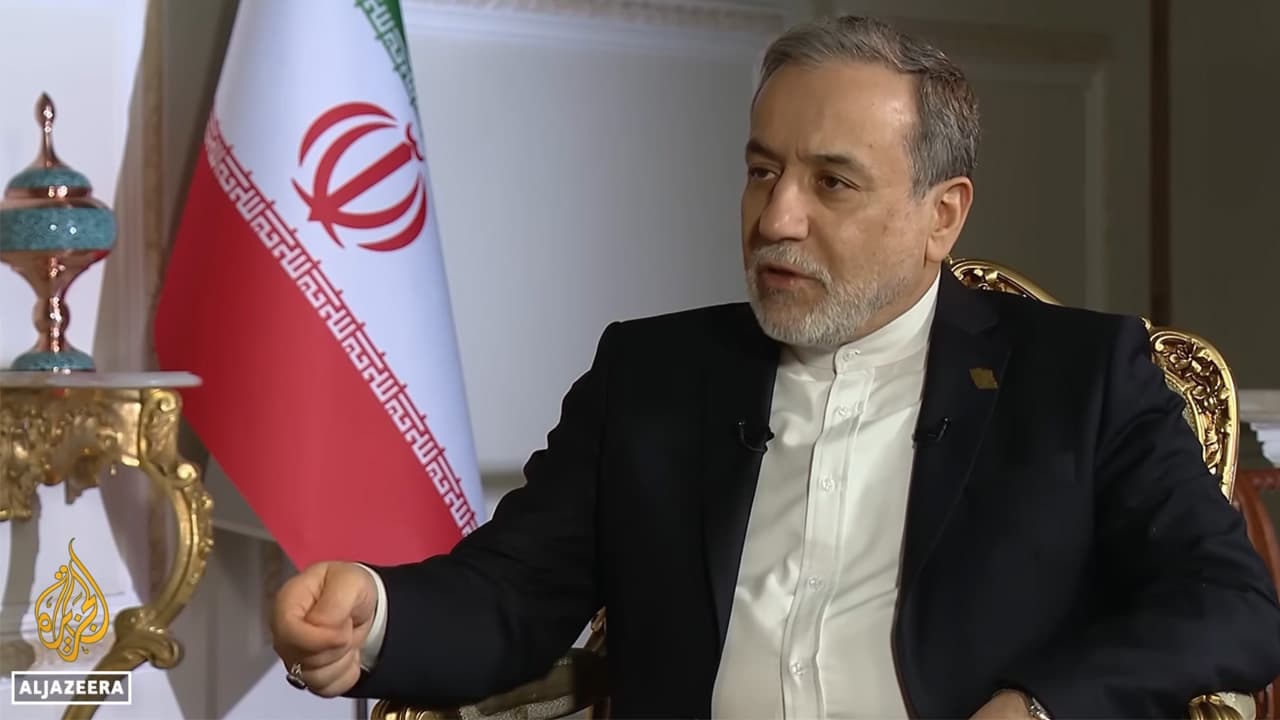
Iran’s Foreign Minister Abbas Araghchi has warned that Tehran is “fully prepared for any scenario” should the United States choose to respond militarily to the Islamic Republic’s ongoing crackdown on nationwide protests.
In a televised interview with Al Jazeera on 12 January, 2026, Araghchi declared that Iran’s current military readiness exceeds levels seen during last year’s 12-day conflict with the U.S. and Israel.
“If Washington wants to test the military option it has tested before, we are ready for it,” Araghchi said, while urging a return to dialogue over confrontation.
He accused unnamed actors of pushing the United States toward war “for Israel’s interests,” and cautioned that such a course would be disastrous for all involved.
U.S. considers military and economic measures
His remarks followed comments from U.S. President Donald Trump on 11 January, who warned Iran against further repression of protesters and suggested that “strong measures,” including military options, were under consideration.
On the same day, Trump announced a new 25% tariff on all exports to the U.S. from countries conducting business with Iran. He described the decision as “final and conclusive,” but did not specify the legal mechanism for its enforcement.
The announcement drew criticism from the Chinese embassy in Washington, which vowed to “take all necessary measures” to protect its economic interests.
The White House has not provided further clarification on the tariff plan or the potential scope of military options.
White House Press Secretary Karoline Leavitt said that while “diplomacy is always the first option,” the president was weighing a range of responses.
She added that private messages from Tehran differed significantly from Iran’s public rhetoric.
Protests and casualties mount in Iran
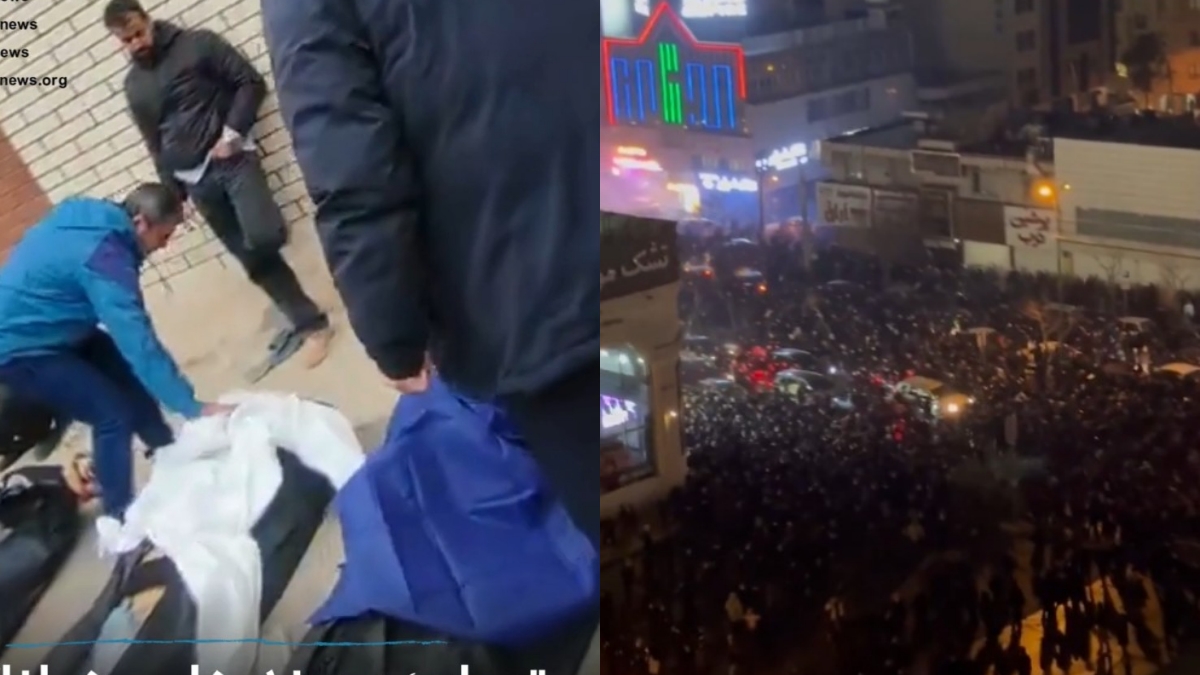
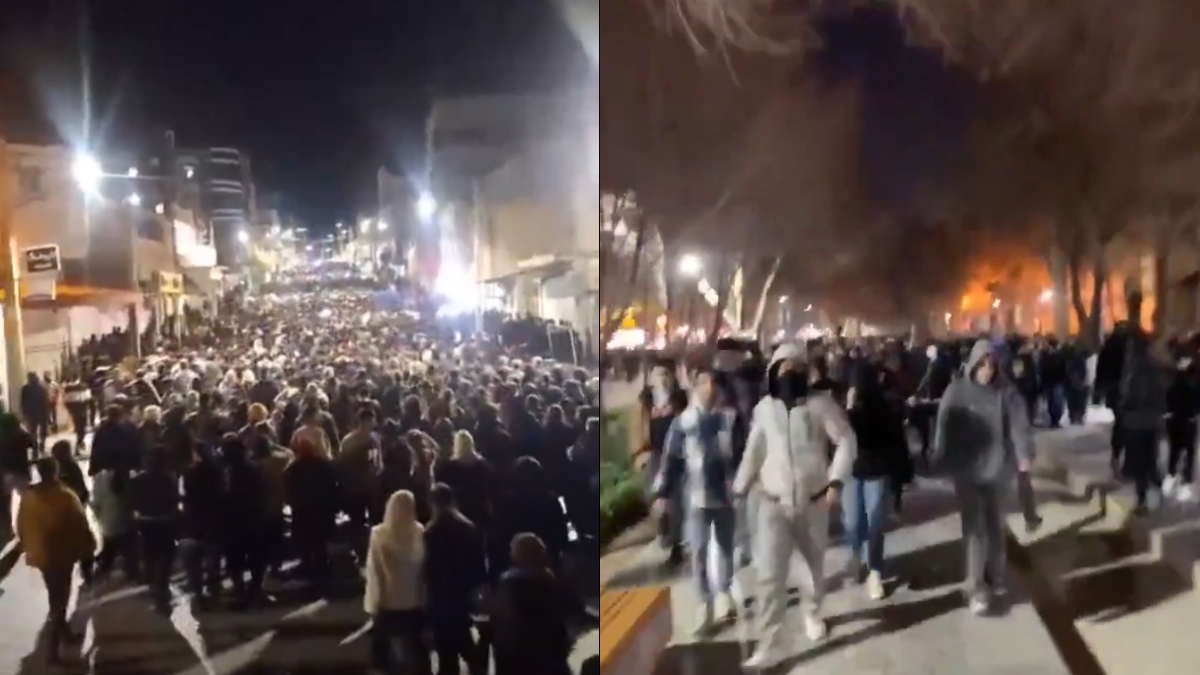
The situation in Iran has deteriorated since protests erupted on 28 December in response to soaring inflation and worsening economic conditions.
According to the U.S.-based rights group HRANA, by 12 January, 646 deaths had been verified — including 505 protesters and 113 security personnel — with 10,721 people arrested. Reuters was unable to independently verify the figures, but HRANA reported protest chants at burial sites in Tehran’s Behesht Zahra Cemetery, suggesting continued public anger.
The protests, which began over economic issues, have evolved into calls for the end of clerical rule. On 12 January, the Ministry of Intelligence announced the arrest of several “terrorist teams” allegedly involved in violence, including attacks on mosques and military facilities.
On 13 January, an Iranian official told Reuters that around 2,000 people had been killed in the protests, blaming “terrorists” for the deaths of both civilians and security personnel.
Araghchi: Dialogue still possible
Despite the escalation, Araghchi confirmed ongoing communication with U.S. Special Envoy Steve Witkoff before and after the protests began.
He said proposals had been exchanged but criticised what he called Washington’s “contradictory” approach of offering talks while issuing threats.
“We are ready to sit at the nuclear negotiating table, provided that it is without threats or dictates,” Araghchi said.
Trump has stated that Iran had contacted the U.S. about resuming talks over its nuclear programme, and a meeting was being arranged, although he warned that “we may have to act before” that meeting takes place.
U.S. State Department officials have urged U.S. nationals in Iran to leave the country, citing the risk of detention and the volatile security situation.
Internal and external pressures mount
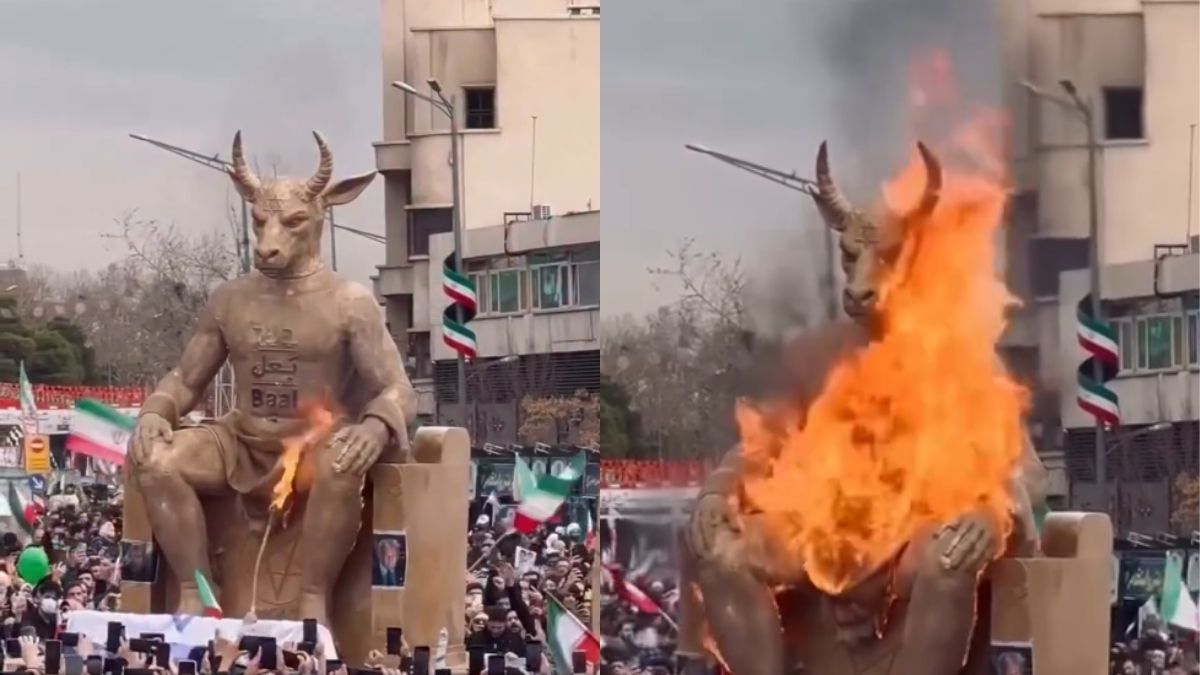
Speaking at a pro-government rally on 12 January, Iran’s Parliament Speaker Mohammad Baqer Qalibaf said Iran was fighting wars on “four fronts”: economic, psychological, military, and terrorism.
He warned Washington that any U.S. or Israeli attack would provoke retaliatory strikes on U.S. bases and assets.
While asserting the situation is “under total control,” Araghchi acknowledged that 53 mosques and 180 ambulances had been set ablaze during the unrest.
Despite the scale of the protests, there are no public signs of dissent within Iran’s powerful clerical or military establishment.
Opposition voices remain fragmented and lack unified leadership, though exiled figures such as Reza Pahlavi — son of the former shah — have called for U.S. intervention and positioned themselves as transitional leaders.
Risk of broader escalation
Trump is scheduled to meet senior advisers on 13 January to discuss a possible U.S. response.
The Wall Street Journal has reported that options under review include military strikes, secret cyberattacks, increased sanctions, and efforts to bolster anti-government groups within Iran.
Military experts have cautioned that any strike could be risky, given the placement of strategic facilities in populated areas.
Meanwhile, world oil prices climbed to a seven-week high over fears that Iranian exports — particularly to China, Turkey, Iraq, and India — could be further disrupted.
Information flow from inside Iran remains limited due to an ongoing internet blackout. However, some citizens have reportedly regained access using Elon Musk’s Starlink satellite network.