Israel bulldozes UNRWA compound in East Jerusalem, drawing UN condemnation
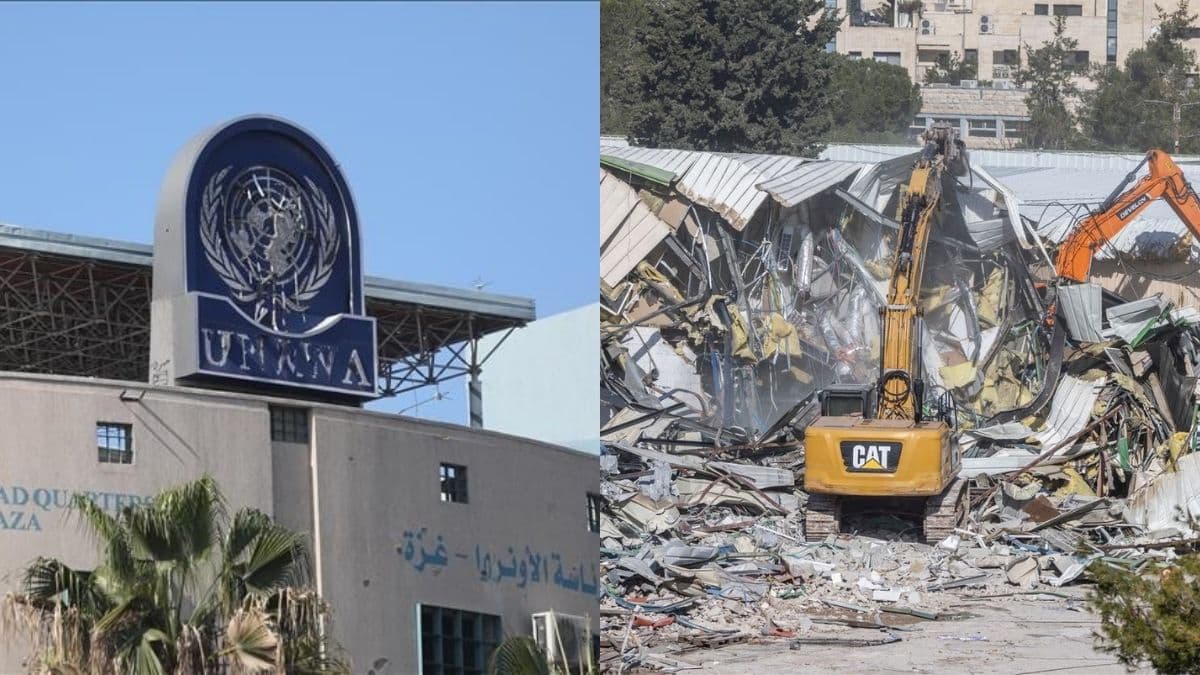
Israeli forces, led by National Security Minister Itamar Ben-Gvir, demolished structures inside UNRWA’s East Jerusalem compound, forcing staff out and seizing equipment. The United Nations condemned the move as a violation of international law, while Israel said it acted under legislation banning the agency’s operations.
- Israeli forces bulldozed structures inside UNRWA’s East Jerusalem headquarters, forcing staff out and confiscating equipment.
- The United Nations said the move violates international law and UN privileges and immunities, while Israel defended it under new legislation.
- The incident comes amid wider Israeli measures restricting international humanitarian organisations in Palestinian territories.
Israeli forces on Tuesday, 20 January 2026, began bulldozing structures inside the headquarters of the United Nations Relief and Works Agency for Palestine Refugees (UNRWA) in occupied East Jerusalem.
The move marks a significant escalation in Israel’s restrictions on international humanitarian organisations.
UNRWA said Israeli forces entered its compound in the Sheikh Jarrah neighbourhood, confiscated staff equipment and forcibly removed personnel.
The agency described the action as an unprecedented attack on the United Nations.
“This is an unprecedented attack not only against UNRWA and its premises,” the agency said in a statement.
“It constitutes a serious violation of international law and the privileges and immunities of the United Nations.”
Local sources cited by the Palestinian news agency Wafa reported that Israeli forces, accompanied by bulldozers, sealed surrounding streets.
Mobile and permanent structures inside the compound were then demolished.
UNRWA Commissioner-General Philippe Lazzarini said Israeli lawmakers and government officials were present during the operation.
He described the demolition as part of a broader effort to undermine the agency’s role.
“This comes in the wake of other steps taken by Israeli authorities to erase the Palestine Refugee identity,” Lazzarini said in a statement posted on X.
He warned that similar actions could soon target other international organisations.
According to Anadolu Ajansi, Israeli National Security Minister Itamar Ben-Gvir led the operation.
The agency reported that he described the demolition as “a historic day”.
Witnesses cited by Anadolu said the Israeli flag was raised over the compound.
It replaced the United Nations flag that had previously flown at the site.
Israeli Deputy Mayor of Jerusalem Aryeh King was also present, Anadolu reported.
He was quoted using inflammatory language to describe UNRWA and its activities.
Israel’s Ministry of Foreign Affairs defended the demolition under domestic legislation.
It said laws banning UNRWA from operating in Israel meant the compound no longer enjoyed UN immunity.
“Unrwa-Hamas had already ceased its operations at this site and no longer had any UN personnel or UN activity there,” the ministry said.
The ministry added that the seizure was conducted “in accordance with both Israeli and international law”.
It reiterated long-standing allegations that UNRWA has links to Hamas.
UNRWA has consistently denied those allegations.
The United Nations has said the agency adheres to strict neutrality standards and internal oversight mechanisms.
Israel’s parliament passed legislation in October 2024 banning UNRWA from operating in Israel.
The law also prohibited contact between Israeli officials and the agency.
The legislation was later amended to allow for the cutting of electricity and water supplies to UNRWA facilities.
Israeli officials said the measures were necessary for national security.
UN's António Guterres condemns Israel's act
United Nations Secretary-General António Guterres condemned the demolition “in the strongest terms”.
His office said the compound remains UN property and is inviolable under international law.
“The Secretary-General views as wholly unacceptable the continued escalatory actions against UNRWA,” his spokesperson said.
He called on Israel to halt the demolition and restore the compound “without delay”.
UN High Commissioner for Human Rights Volker Türk also criticised the incident.
His spokesperson Ravina Shamdasani said it reflected a broader pattern of pressure on aid organisations.
The Palestinian Authority, based in Ramallah, warned that the demolition represented a deliberate escalation.
It said the move aimed to undermine UNRWA’s mandate and protections for Palestinian refugees.
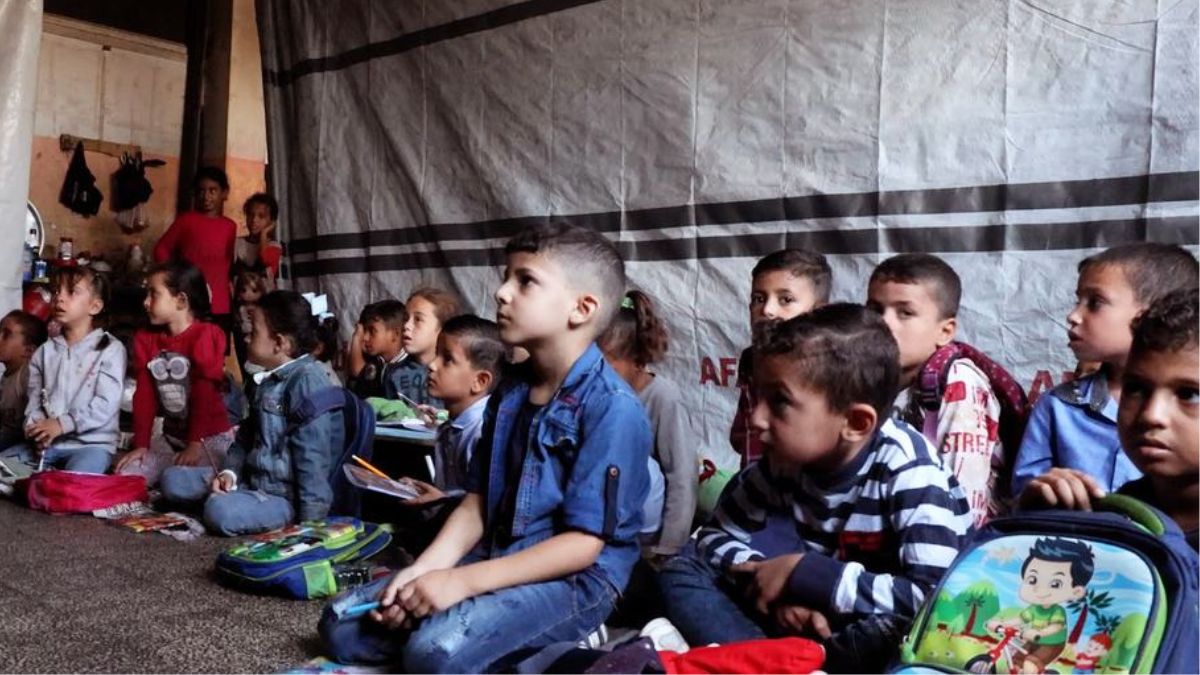
UNRWA has long been a central provider of education, health care and social services to Palestinian refugees.
It operates across Gaza, the occupied West Bank, East Jerusalem, Jordan, Lebanon and Syria.
Israel has increasingly targeted international aid groups operating in Palestinian territories.
Officials argue that tighter oversight is required under new regulatory frameworks.
Dozens of organisations have faced licence revocations or threats of closure.
They include Doctors Without Borders (Médecins Sans Frontières) and the Norwegian Refugee Council.
Israeli authorities have cited non-compliance with new regulations.
The rules require detailed disclosures on staff identities, funding sources and operational activities.
Reporting from Ramallah, Al Jazeera’s Nida Ibrahim said the demolition followed months of escalating restrictions.
She said humanitarian access, particularly to Gaza, has been severely curtailed.
Last week, Guterres warned Prime Minister Benjamin Netanyahu of possible international legal consequences.
He said Israel could face proceedings at the International Court of Justice.
In a letter dated 8 January, the UN chief said the organisation could not remain indifferent.
He described the measures against UNRWA as actions taken “in direct contravention” of international law.
Israel has rejected such warnings.
Officials maintain that the legislation targeting UNRWA is lawful and justified.
The demolition of the East Jerusalem compound has intensified concerns among diplomats and aid agencies.
Many fear it signals a shrinking space for international humanitarian operations in the region.