Justice For Myanmar condemns junta’s sham election amid widespread voter exclusion
Justice For Myanmar warns that the junta’s election lacks legitimacy, with entire regions excluded from voting. The group urges governments to reject the process and impose sanctions on those backing the regime’s continued violence and repression.
- Myanmar’s junta election excludes entire regions, with over 2,700 villages not voting.
- Justice For Myanmar says the election is a sham to legitimise military rule under a false civilian image.
- Activists demand sanctions on the junta and its international supporters who are enabling repression.
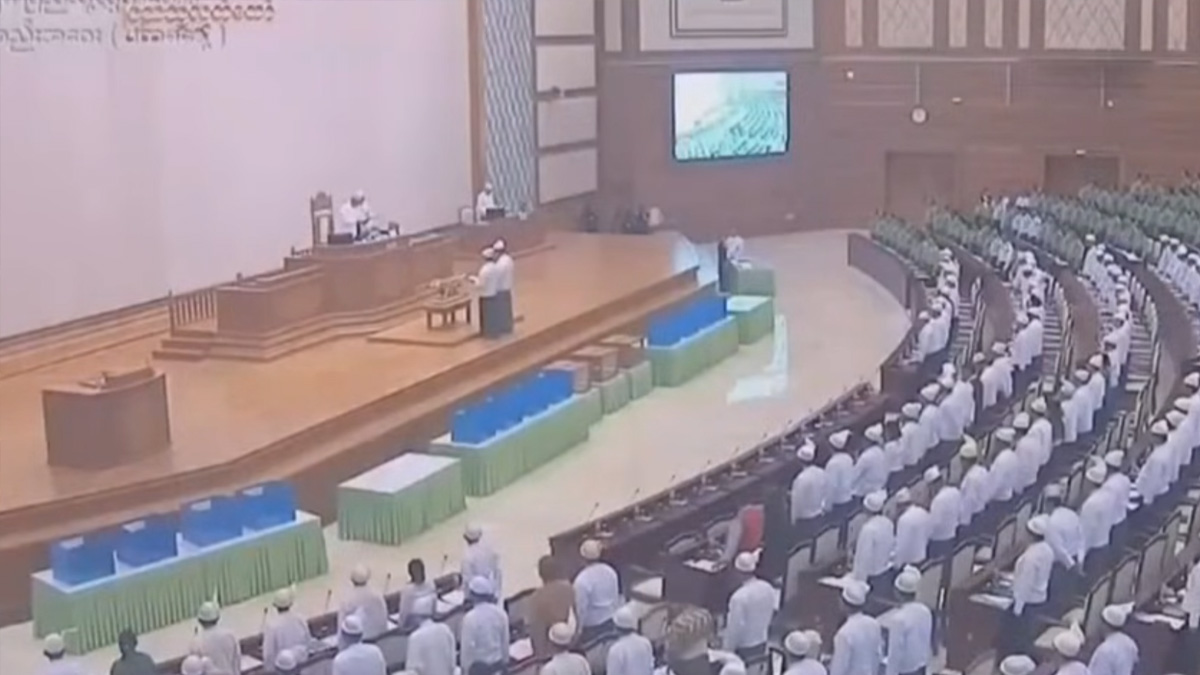
Justice For Myanmar (JFM), a civil society organisation that exposes the Myanmar military’s business interests and advocates for accountability and democratic governance, has condemned the military junta’s election as a fraudulent effort to manufacture legitimacy, citing the systematic exclusion of large parts of the country from the vote.
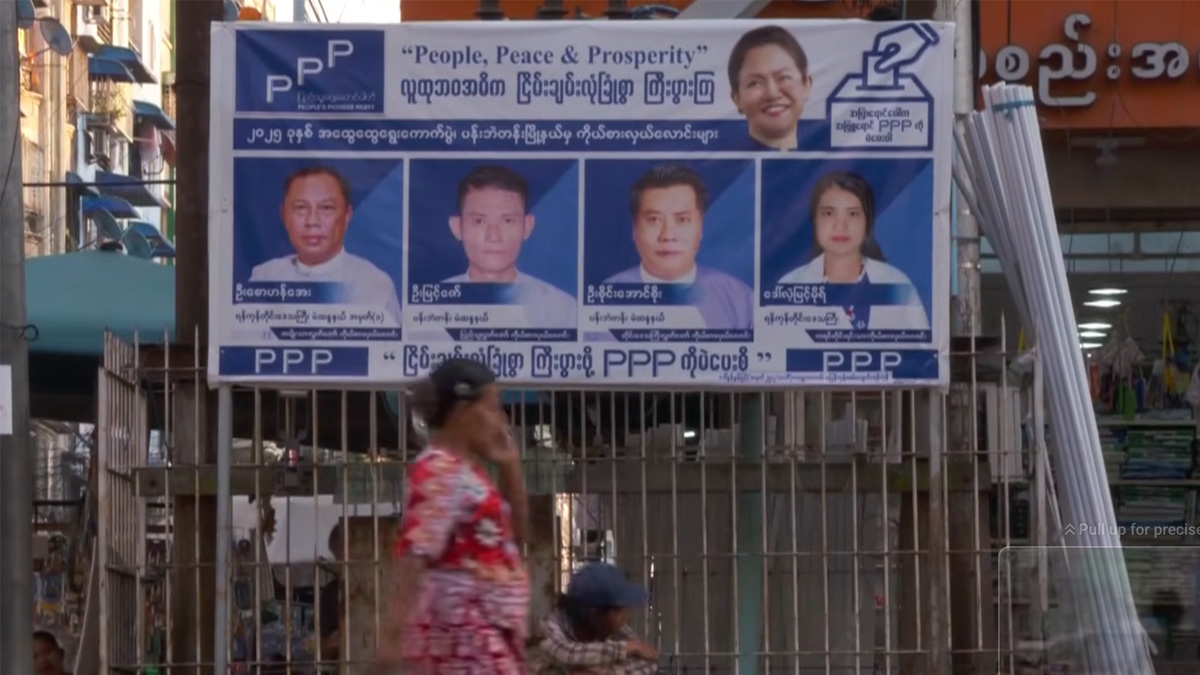
The first phase of voting began on 22 December, 2025, in 102 out of 330 townships. Two further rounds are scheduled for 11 and 25 January, 2026.
JFM spokesperson Yadanar Maung stated that the junta’s electoral process “attempts to legitimise the military’s illegal coup attempt that the people of Myanmar have courageously resisted for almost five years.” The 2021 coup had ousted the democratically elected government led by Aung San Suu Kyi, triggering widespread resistance and plunging the country into civil war.
According to the group, the elections are a facade staged to create a false image of democracy while the military continues to commit atrocities with impunity. Yadanar Maung warned, “It’s crucial that governments don’t buy into the facade... and reject the sham election and its results.”
Observers, including the International Crisis Group, have echoed these concerns. Analyst Richard Horsey said the polls are being orchestrated by the very military that led the coup, with the Union Solidarity and Development Party (USDP) expected to benefit from conditions stacked in its favour.
The election has excluded major opposition parties, including the National League for Democracy, which was dissolved after refusing to register under new military laws. Its leader, Aung San Suu Kyi, remains imprisoned on charges widely considered politically motivated.
JFM criticised governments supporting the election, explicitly naming China, Russia, Belarus, and Vietnam. “These governments are keeping the money flowing, sustaining the junta’s campaign of terror and aiding and abetting its international crimes,” Maung alleged.
Such support, according to JFM, stems from profitable business ties with the military and arms transactions that violate global norms. The group accused these countries of sending “fake observers” to legitimise the vote.
The junta has recently rebranded itself as the ‘State Security and Peace Commission’ (SSPC), a move JFM describes as a cynical ploy to “evade sanctions and launder its crimes.” Despite the name change, the body remains under the leadership of Senior General Min Aung Hlaing, who has led the crackdown on dissent since the coup.
“The SSPC performs the same functions and is waging the same terror campaign against civilians,” Maung stated. JFM is calling for urgent sanctions against this newly rebranded entity and its international supporters.
The conduct of the election has drawn criticism from international human rights bodies. The United Nations Human Rights Office recently warned of “intensified violence, repression, and intimidation” in the lead-up to the military-controlled vote. Over 22,000 political detainees remain imprisoned, and more than 7,600 civilians have reportedly been killed by security forces since 2021.
JFM also highlighted the disbandment or exclusion of the political parties that had won 90% of seats in the 2020 elections, describing the political environment as one where public dissent is severely punished. Over 200 individuals have been charged under a new Election Protection Law, which criminalises criticism of the election process.
Despite this, JFM praised the ongoing resistance of the people of Myanmar, asserting that “the courage of the people of Myanmar remains unbroken.” The group pledged continued efforts to dismantle what it calls the “Myanmar military cartel.”
The organisation’s statement comes amid growing international scrutiny of Myanmar’s deteriorating humanitarian situation, with more than 3.6 million internally displaced persons, many fleeing ongoing armed conflict.
While some of Myanmar’s neighbours have continued diplomatic and economic engagement with the junta, often citing stability concerns, JFM insists that these relationships only perpetuate violence and authoritarianism.
The election, rather than offering a path to peace or inclusivity, is widely seen by analysts and rights advocates as a calculated manoeuvre to secure military dominance under a civilian veneer.
As the voting phases progress, calls from organisations like Justice For Myanmar place pressure on the international community to reassess its stance on the junta’s actions and to support meaningful accountability.