Xi Jinping’s new Cultural Revolution: power consolidation through military purges
The removal of General Zhang Yuxia signals not institutional reform but Xi Jinping’s consolidation of power. By purging rivals and weakening the PLA’s professional leadership, Xi is steering China into political instability, with profound consequences for governance, the economy, and regional security.
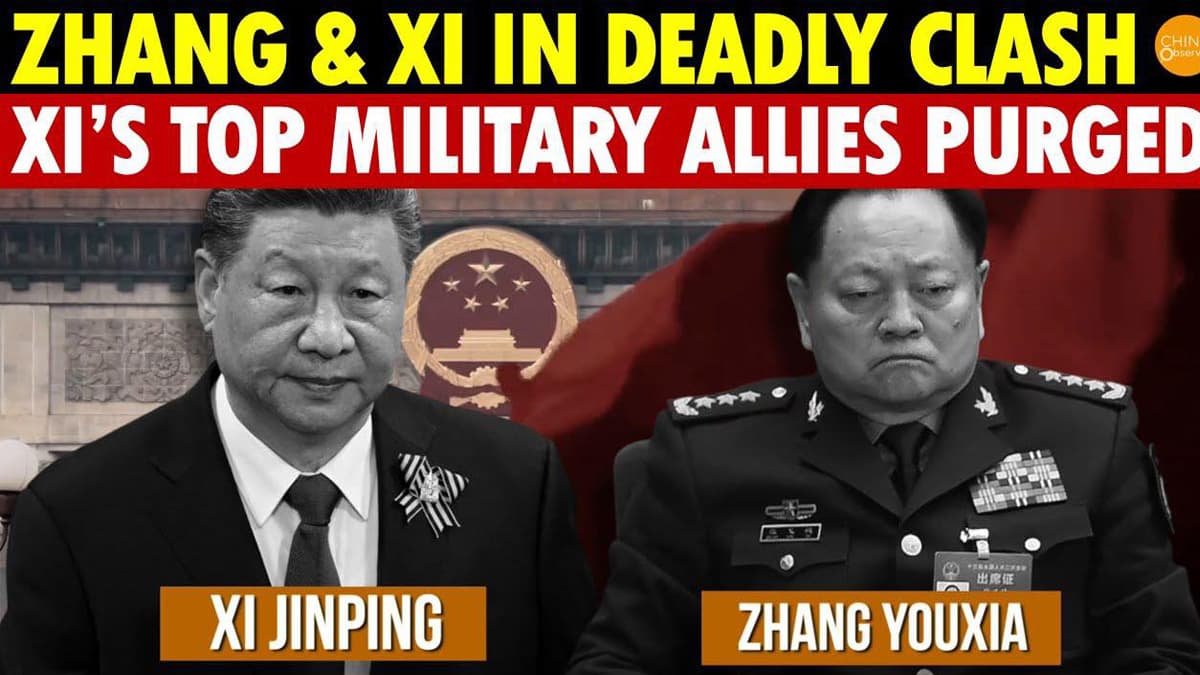
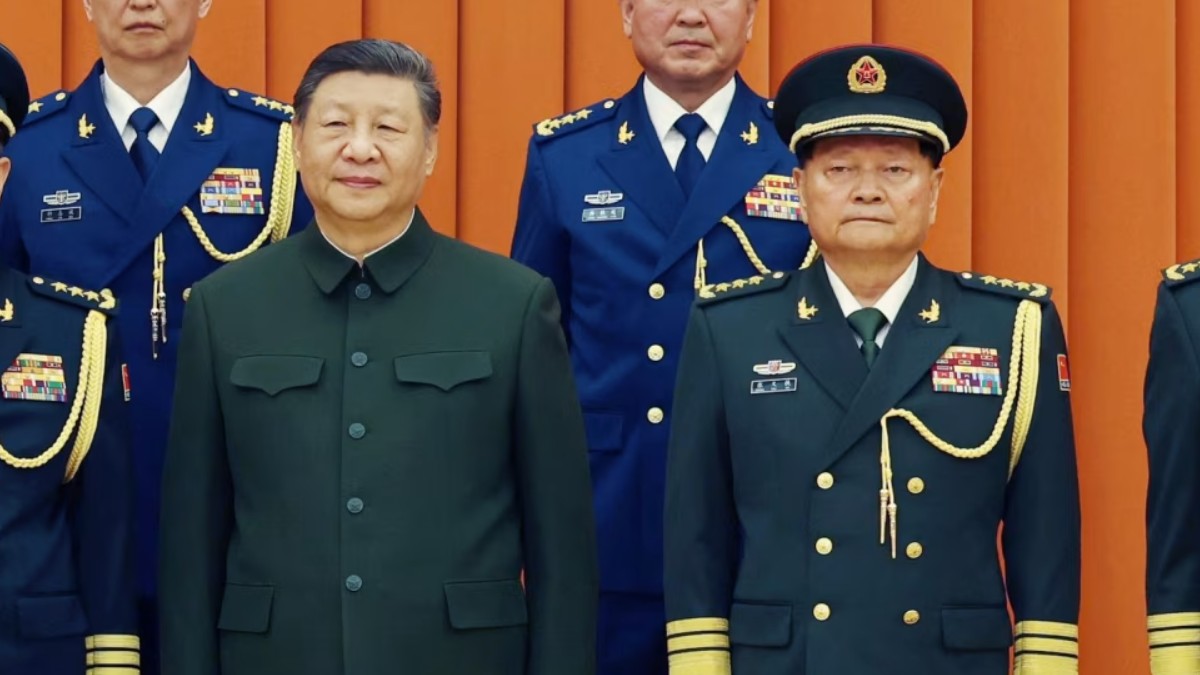
The removal of General Zhang Yuxia, China’s most senior general and the vice-chairman of the Central Military Commision (Xi is the Chairman), is not about corruption, discipline or instititutional reform as official propaganda and the mainstream media would like us to believe.
It is about power,raw,personal and absolute. By removing the People's Liberation Army (PLA)’s most senior figure, Xi has effectively launched his own version of a Cultural Revolution, aimed not at ideology but at eliminating political rivals and consolidating total control.
Mao Zedong used the Cultural Revolution, which lasted for 10 years between 1966-76 to purge his political rivals such as Liu Shaoqi and Peng Dehua. Xi has now used the latest removal of Zhang to rid himself of his most serious political rival.
Like Mao before him, Xi appears increasingly paranoid about coups and perceived attempts to remove him from power.
The PLA is being hollowed out from the top. Experienced commanders with institutional memory are pushed aside not for incompetence but because they are perceived as political threats to Xi. In their place come trusted cronies and eunuchs whose primary qualification is personal allegiance to the emperor Xi himself.
This is a fight to the death over power within the Communist Party of China (CCP). The result is the systematic destruction of the military command as a professional institution. When loyalty replaces merit, standards fall, decision-making narrows, and fear replaces strategic judgment. A military shaped by political paranoia is a military weakened within.
The consequences extend far beyond the barracks. China is entering a dark age of political turmoil, where uncertainty at the top radiates downward through the entire system. Investors, bureaucrats and commanders alike learn that survival depends not on competence, but on obedience. The economy- already in tatters, burdened by debt, capital flight, and declining confidence-will decline further as instability becomes the norm.
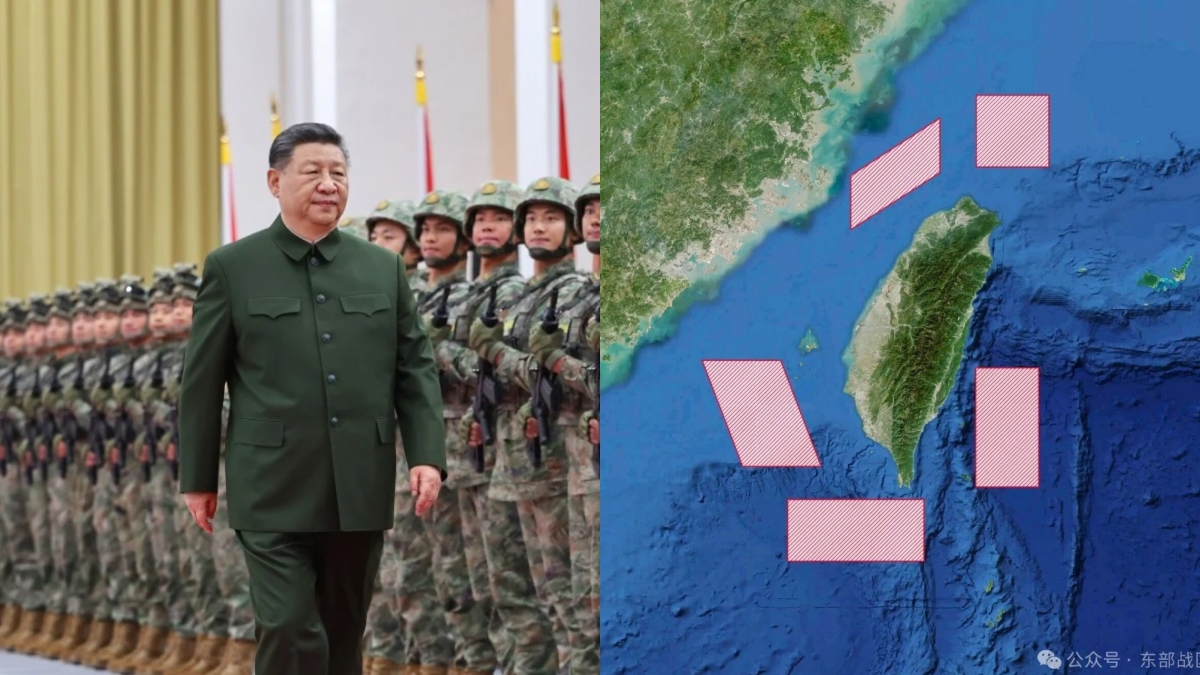
The biggest benefactor of this turmoil is Taiwan. The leadership in Taipei can celebrate Chinese New Year early and quaff huge quantities of Mao Tai and congratulate themselves on the good fortune that the political turmoil across the Taiwan Strait has brought them.
Like the then-British Prime Minister, William Pitt the younger, who said after Napoleon destroyed the combined Russian-Austrian army at his greatest victory at Austerlitz in 1805, “roll up the maps of Europe for they will not be needed for another 10 years”, Taiwan can be reassured that the PLA will be so crippled for at least the next decade that mounting an invasion of Taiwan is inconceivable.
Xi is no longer the man to bring China forward. He can only bring it backwards. His story is a cautionary tale of how leaders and political parties who seek to entrench themselves in power forever inevitably destroy the country.
China does not need another strongman obsessed with control; it needs a new Deng Xiaoping- someone focused on stability, pragmatism, and growth rather than ideological subservience to the thought of one man and personal dominance.
Without such a shift, even China’s regional dominance in Asia will fall apart, and be overtaken by a renewed and once again rising Japan.
(First published on Lim Tean's Facebook page)
(First published on Lim Tean's Facebook page)