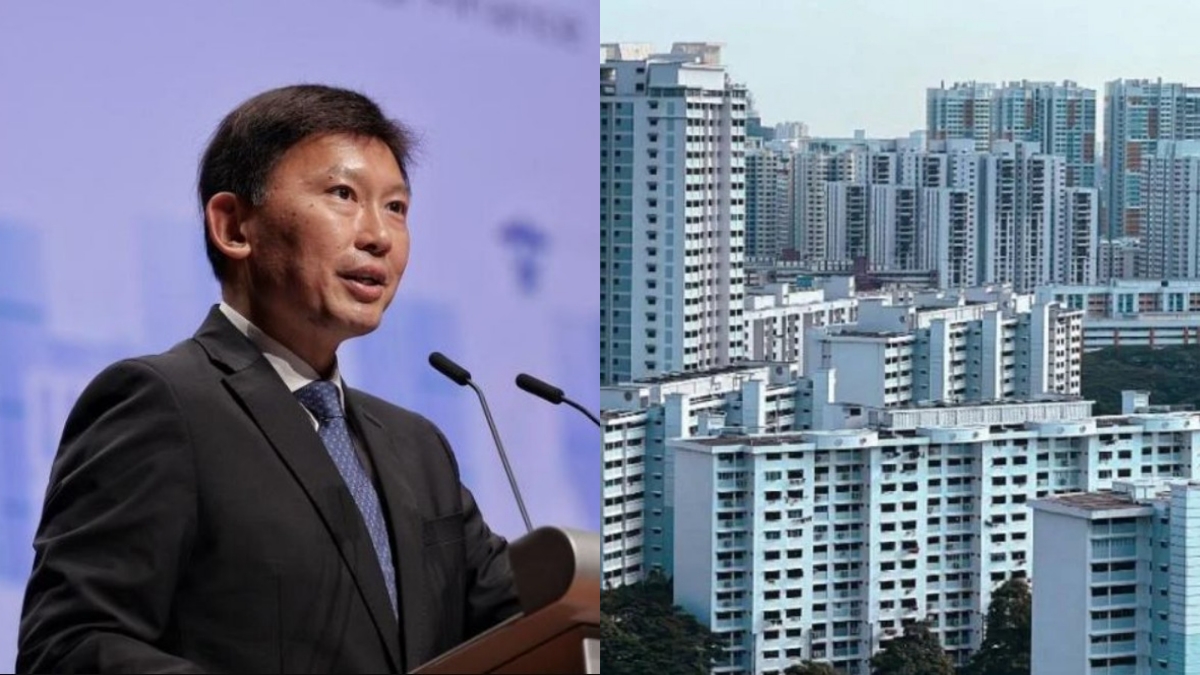
Chee Hong Tat: Singapore must accept rogue actors risk to preserve trusted wealth hub branding
Chee Hong Tat said Singapore cannot pursue a zero-risk approach without harming innovation, stressing the need for risk-proportionate regulation, firm action against rogue actors, and preservation of trust as a global business and wealth hub.
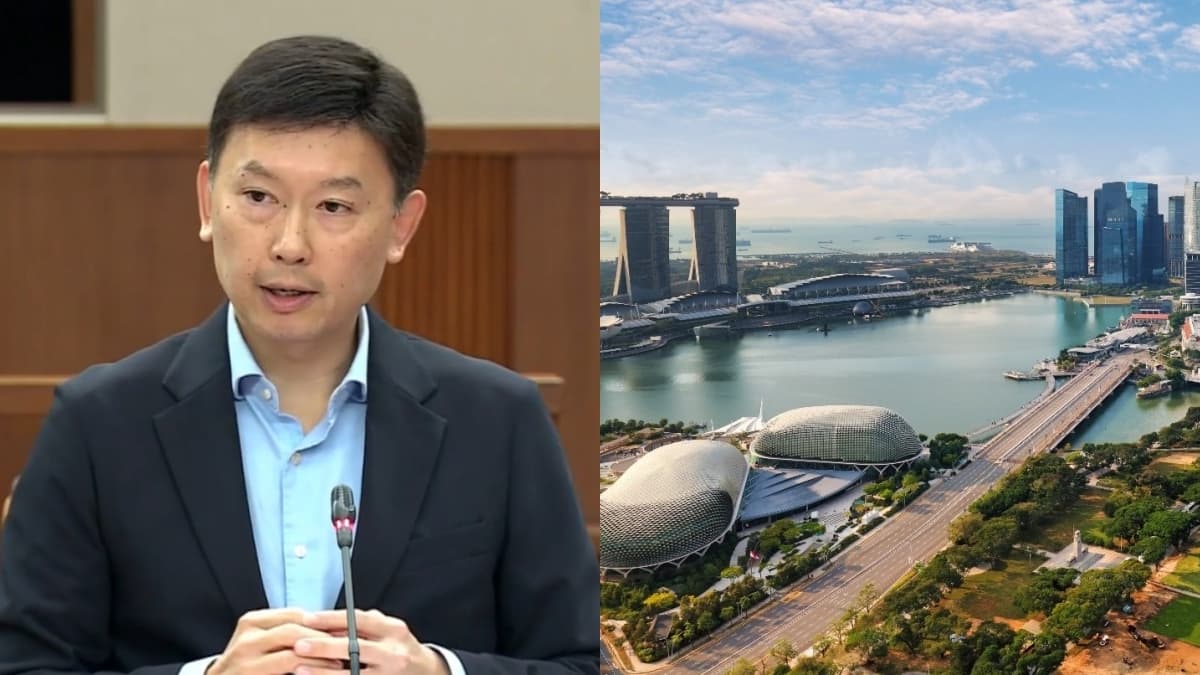
- Chee Hong Tat said Singapore cannot take a zero-risk approach without undermining innovation and competitiveness.
- He stressed preserving Singapore’s trusted business hub branding through risk-proportionate regulation and firm enforcement.
- He highlighted opportunities in digital assets, ASEAN integration, and cross-border cooperation such as the Johor-Singapore SEZ.
Singapore must preserve its reputation as a trusted business and wealth hub, but taking a zero-risk approach is neither realistic nor desirable, said Minister for National Development Chee Hong Tat on 8 January 2026.
Speaking at the Bank of Singapore’s 2026 outlook conference, Chee said calculated risk-taking is necessary to support innovation and growth, provided strong safeguards and firm enforcement remain in place.
Rogue actors unavoidable but must be contained
Addressing about 900 participants, mostly private banking clients, at Marina Bay Sands, he said that any jurisdiction pursuing new opportunities would inevitably encounter a small number of rogue actors.
“The number has to be kept small,” he said, adding that a problem arises only if such cases grow too numerous and undermine trust.
According to Chee, Singapore’s objective is to preserve confidence in its system while encouraging innovation through what he described as a “risk-proportional approach”.
If authorities can keep misconduct limited and respond decisively, Singapore can maintain its trusted reputation while allowing businesses the leeway to try new ideas, he added.
Trust depends on firm and decisive enforcement
Chee, who is also deputy chairman of the Monetary Authority of Singapore (MAS), stressed that firm and decisive action against wrongdoing is critical to sustaining investor confidence.
“They choose Singapore because this is a place that can be trusted,” he said, warning that compromising this reputation would carry far greater costs than avoiding risk altogether.
He argued that a zero-risk approach would stifle innovation, noting that even banks cannot be fully certain that no errors will occur when lending or conducting business.
Singapore, he said, should not aim only to be a safe place to park money, but also a platform where capital, talent and ideas can grow.
He added that the Republic seeks to support entrepreneurs and family offices, while also positioning itself as a philanthropy hub where wealth can be deployed for social good.
Balanced stance on stablecoins and digital assets
Chee also spoke about digital assets, particularly stablecoins, urging a balanced and clear-eyed assessment rather than chasing trends.
Stablecoins are cryptocurrencies designed to maintain stable value by being pegged to assets such as fiat currencies.
Singapore should understand the safeguards and value behind such assets, while avoiding decisions driven by fear of missing out, he said.
“There will be competition, whether from Hong Kong or Dubai,” Chee noted, adding that Singapore must neither rush in blindly nor sit on the sidelines.
Instead, policymakers should assess where Singapore can add value and make sound decisions aligned with its long-term interests, he said.
ASEAN integration offers untapped upside
Turning to regional developments, Chee highlighted untapped opportunities within ASEAN, particularly in the digital economy.
He said smoother cross-border digital payment flows are achievable even as individual economies pursue their own development strategies.
“There’s still a lot of upside for us to further strengthen this,” he said, pointing to potential gains from deeper regional integration.
Chee also cited the ASEAN power grid initiative as a potential game changer if successfully implemented.
Future economic activities, including artificial intelligence centres, automation and advanced manufacturing, will require access to clean and green energy, he said.
Such optimisation, he added, is difficult to achieve if countries act alone rather than integrating their efforts regionally.
Johor-Singapore SEZ should drive new growth
On bilateral cooperation, Chee referred to the Johor-Singapore Special Economic Zone, describing it as an opportunity for a win-win outcome.
He cautioned that growth should not come merely from companies relocating between Johor and Singapore, calling that reallocation rather than expansion.
Instead, both sides should work together to attract new investments that might not otherwise consider the region, he said.
WP MPs questioned safeguards against illicit finance during Nov 2025 Parl siting
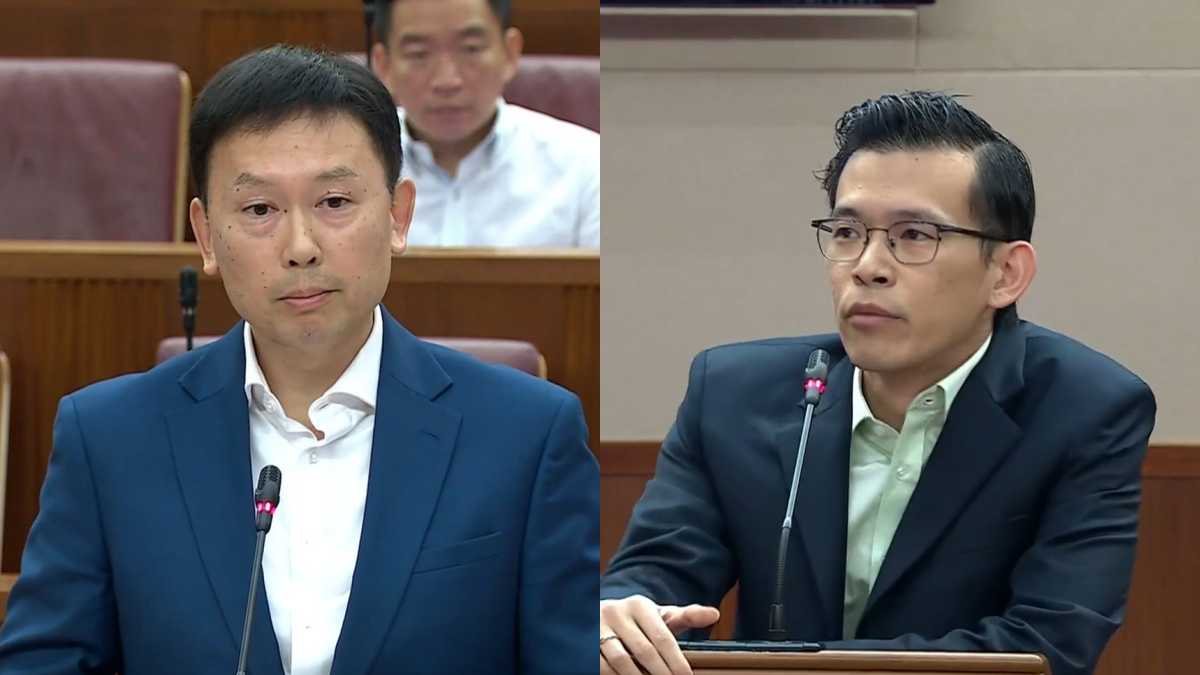
Chee reiterated similar themes raised during a parliamentary sitting on 5 November 2025, when he said Singapore’s financial system is not risk-free but is regulated to high international standards with firm enforcement.
He noted then that offences linked to single family offices are extremely rare, accounting for less than 1% of cases.
Using a metaphor, Chee said opening windows to let in fresh air may allow in some flies, but fewer than 1% does not indicate a widespread problem.
“When we detect those flies, we deal with them firmly,” he said during the debate.
Chee defended Singapore ‘do not have many flies'
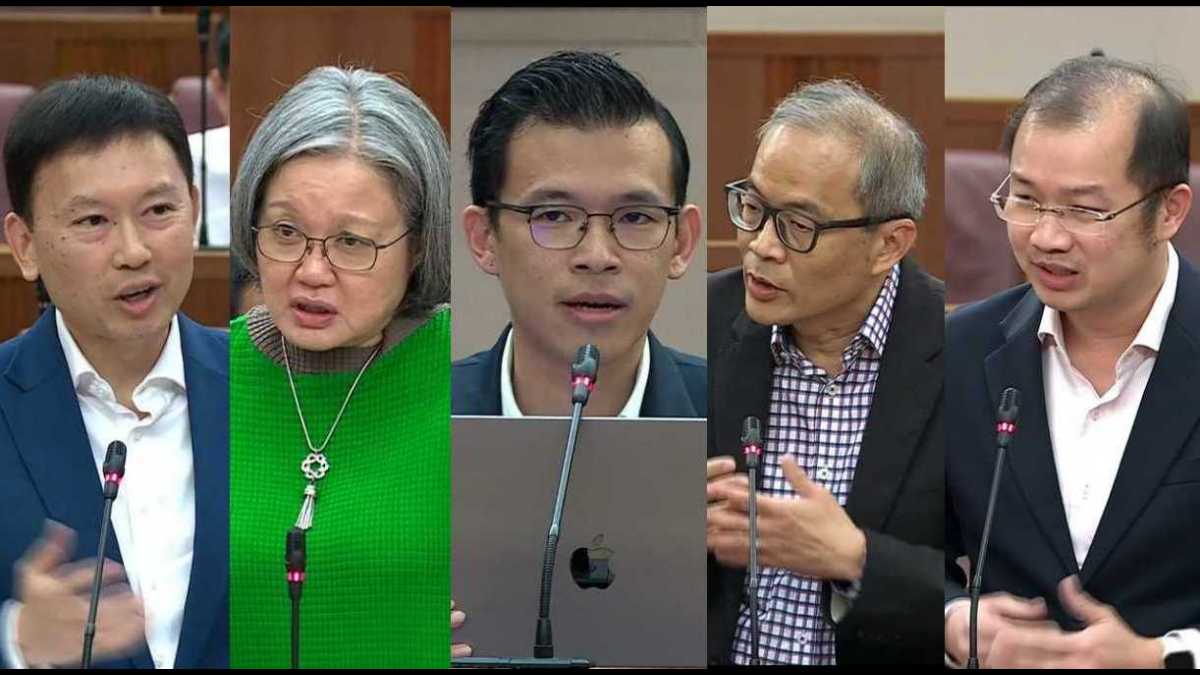
Members of Parliament from the Workers’ Party had raised concerns about whether Singapore’s family office regime could be misused for money laundering.
They questioned whether sanctioned or convicted individuals had operated family offices locally and whether safeguards and due diligence were sufficient.
In response, Chee said MAS had identified two family offices linked to sanctioned individuals and revoked their tax incentives.
He said all family offices are subject to screening, dual-layer anti-money laundering checks by banks and regulators, and ongoing monitoring.
Chee reiterated that Singapore’s approach is to balance vigilance with openness, preserving trust while remaining competitive as a financial centre.