Singapore welcomes UN Security Council endorsement of US-drafted Gaza peace plan
Singapore has welcomed the UN Security Council’s endorsement of a US-drafted peace plan for Gaza, calling it a significant step towards lasting stability. The resolution authorises an international force and outlines a conditional pathway to future Palestinian statehood.
- Singapore welcomed the UN Security Council’s endorsement of a US-drafted Gaza peace plan.
- The resolution authorises an international stabilisation force and outlines steps toward potential Palestinian statehood.
- China and Russia abstained, while regional and global reactions remained mixed.
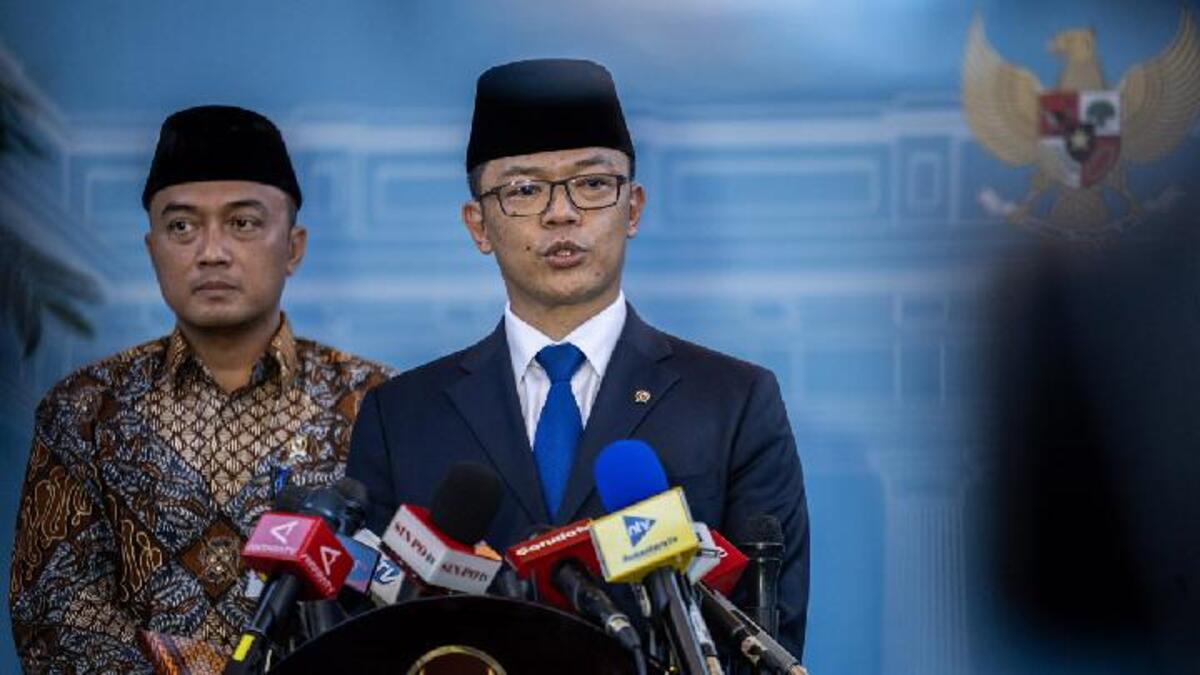
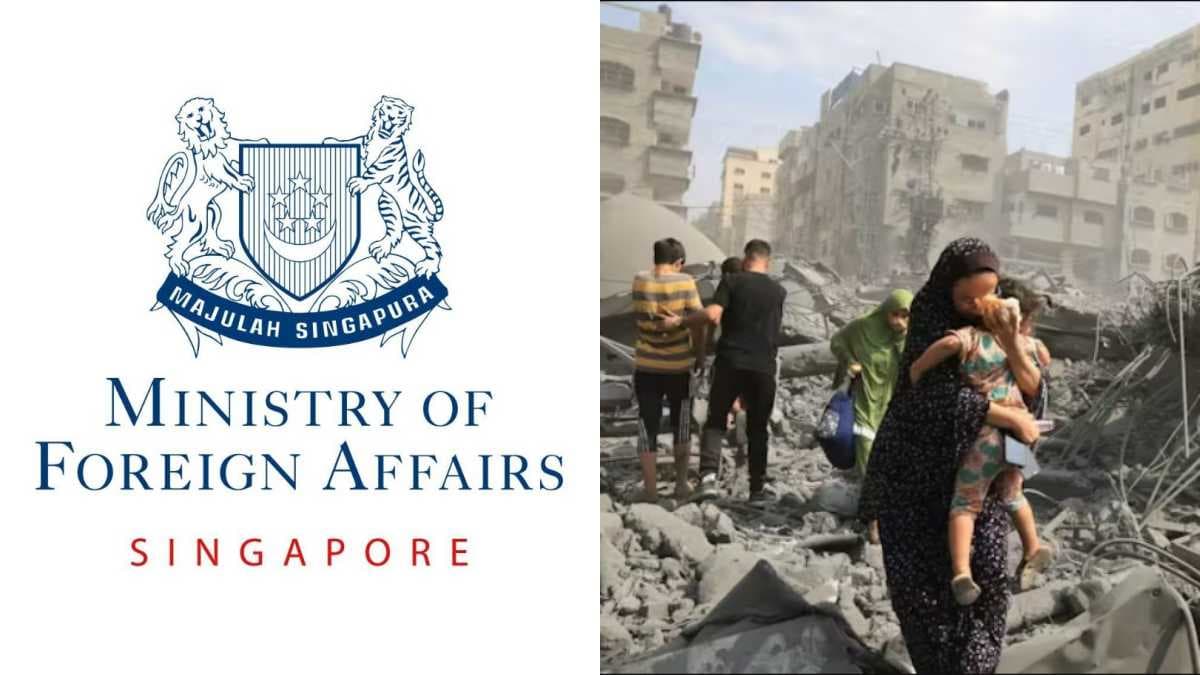
Singapore on 18 November 2025 welcomed the United Nations Security Council’s endorsement of a United States-drafted peace plan for Gaza.
According to statements published by the Ministry of Foreign Affairs, the endorsement marked a significant step towards achieving lasting peace.
The Security Council had adopted the plan on 17 November, with 13 votes in favour and no vetoes. China and Russia abstained from the vote.
The US-drafted resolution endorsed President Donald Trump’s 20-point proposal to end the conflict. It also authorised the deployment of an international stabilisation force to the enclave.
The MFA stated that maintaining the current ceasefire was essential.
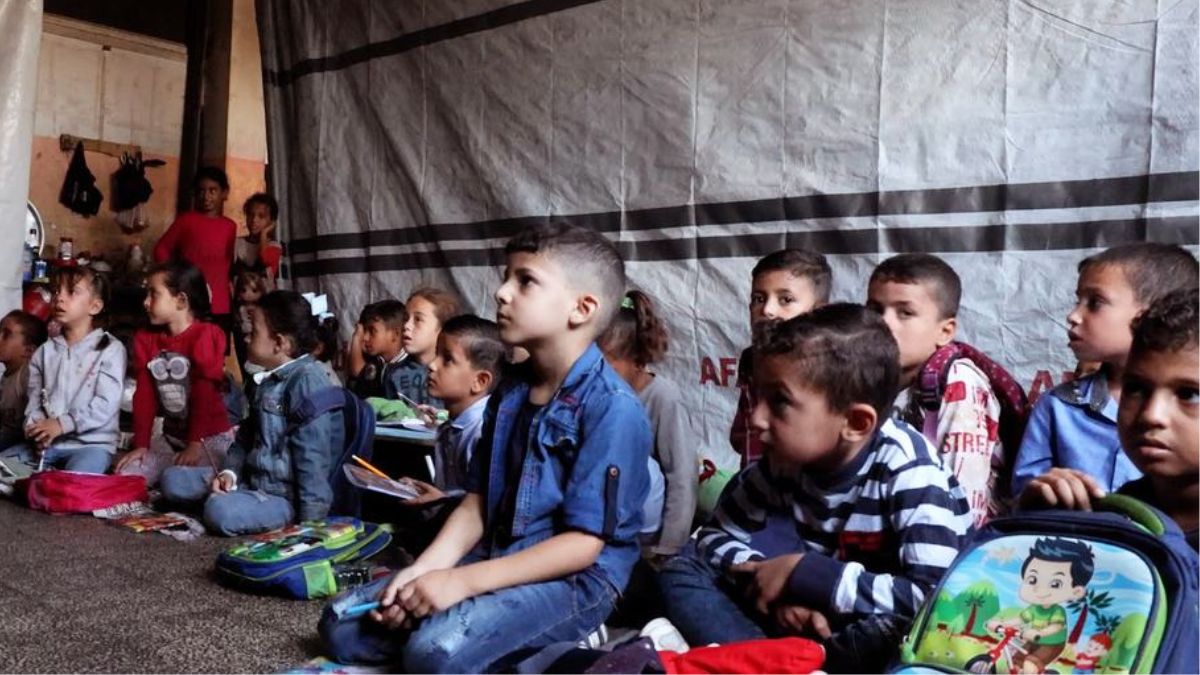
It added that humanitarian aid must be allowed to enter Gaza swiftly and without obstruction.
Singapore confirmed it would support international reconstruction efforts once a permanent ceasefire was secured.
It also welcomed the US intention to establish a dialogue between Israel and the Palestinians.
The ministry reiterated Singapore’s support for Palestinian self-determination through a negotiated two-State solution. This position aligns with earlier Security Council resolutions.
Singapore has previously delivered multiple tranches of assistance to Gaza.
In November, the Ministry of Health donated 100 prosthetic limb sets to a Jordanian initiative assisting Palestinian amputees.
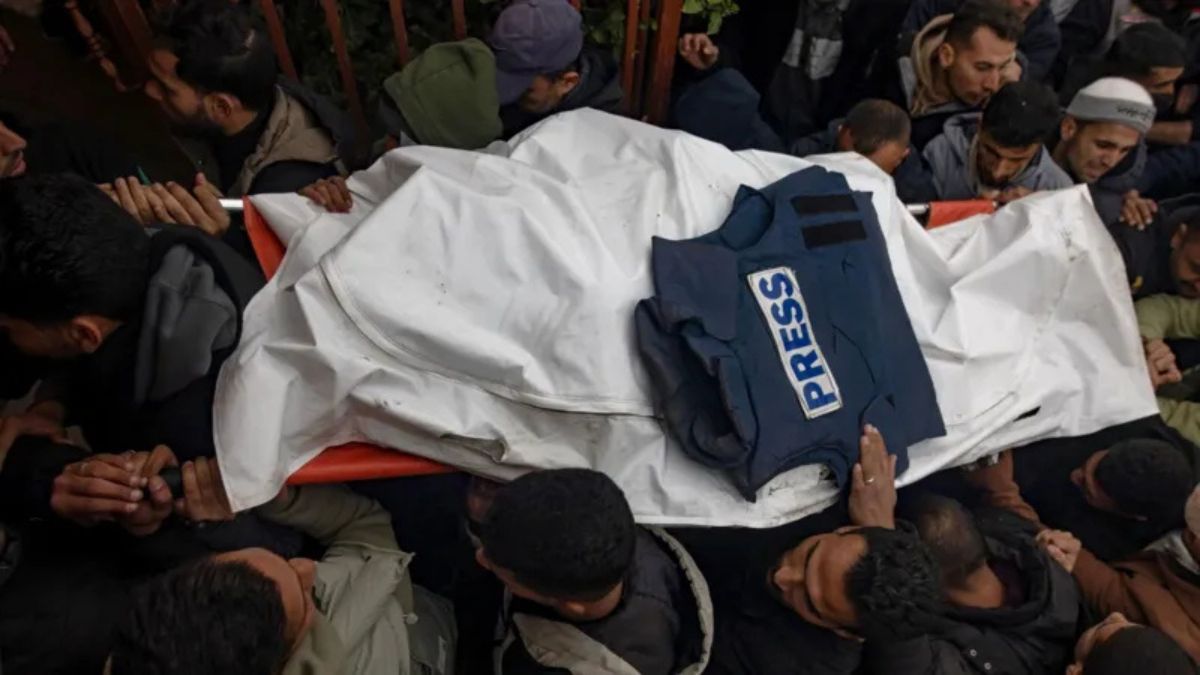
The Palestinian Ministry of Health in Gaza reported on 16 November that at least 69,483 Palestinians had been killed since 7 October 2023.
It said the majority were women and children, and that 170,706 others had been wounded.
Thousands remain missing, with many presumed trapped beneath rubble.
A ceasefire has been in effect since 10 October 2025, though key political and security questions remain unresolved.
The resolution authorises an international force working alongside Israel, Egypt, and newly trained Palestinian police. Its mandate includes securing borders, demilitarising Gaza, and dismantling militant infrastructure.
It also provides for a transitional governing body operating until the end of 2027.
President Trump has stated that he would chair this body.
The plan mentions the possibility of a future Palestinian state. However, progress depends on reforms by the Palestinian Authority and substantial reconstruction in Gaza.
Both China and Russia declined to use their veto power but expressed strong reservations. They argued that the text lacked clarity and insufficiently supported a two-State solution.
Their representatives also cited concerns over the absence of firm timelines for transferring authority to the Palestinian Authority. They called for stronger UN oversight mechanisms.
Despite these reservations, both countries allowed the resolution to pass. They noted the urgent need for a ceasefire, humanitarian access, and reconstruction.
The resolution incorporates Trump’s Gaza plan as an annex. It authorises an International Stabilisation Force drawing largely from Muslim-majority countries such as Indonesia and Azerbaijan.
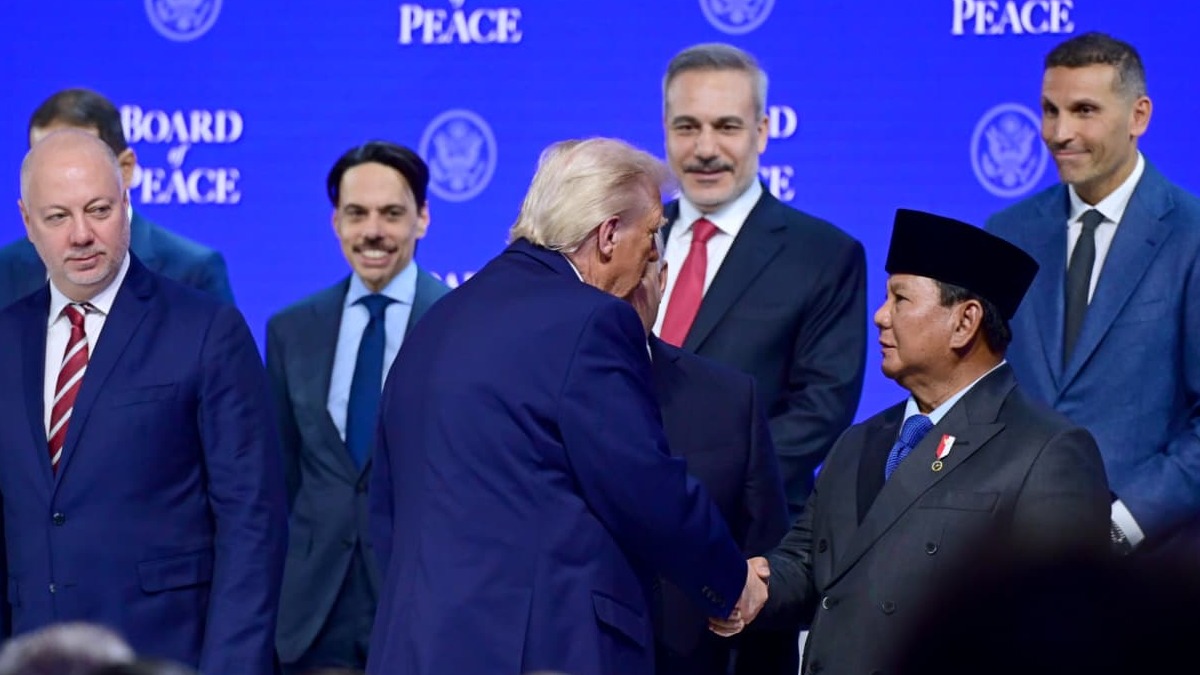
These units will be responsible for demilitarisation, civilian protection, and securing aid corridors. A Board of Peace, chaired by Trump, will supervise reconstruction with support from a World Bank-administered fund.
The Palestinian Authority formally endorsed the resolution. Hamas rejected it in a Telegram statement, alleging that the plan imposed foreign control over Gaza.
Hamas argued that any force tasked with disarmament would lack neutrality and should be limited to monitoring borders. It called for all peacekeeping roles to remain under direct UN supervision.
Israeli Prime Minister Benjamin Netanyahu reaffirmed his rejection of Palestinian statehood. He said Israel would continue efforts to ensure Gaza’s demilitarisation.
President Trump praised the Security Council’s decision. He stated that the Board of Peace would include influential global leaders, with further details to be released.
Human Rights Watch voiced concerns over the absence of explicit human-rights protections. UN Director Louis Charbonneau urged Israel and its allies to comply with international law.
He also called for enforcement of International Criminal Court arrest warrants. These include warrants for Netanyahu and former Defence Minister Yoav Gallant, as well as previously issued warrants for Hamas leaders.
Tensions increased after comments by Israeli National Security Minister Itamar Ben-Gvir.
He had called for the imprisonment or assassination of Palestinian Authority President Mahmoud Abbas.
The Palestinian Authority condemned the remarks. It urged the Trump administration and international stakeholders to help de-escalate rhetoric.