Indonesia joins Trump-backed Board of Peace at Davos, raising questions over Gaza role and costs
Indonesia has formally joined the US-initiated Board of Peace after President Prabowo signed its charter in Davos, a move the government says could advance peace in Gaza but which has triggered domestic debate over costs, legality and foreign policy risks.
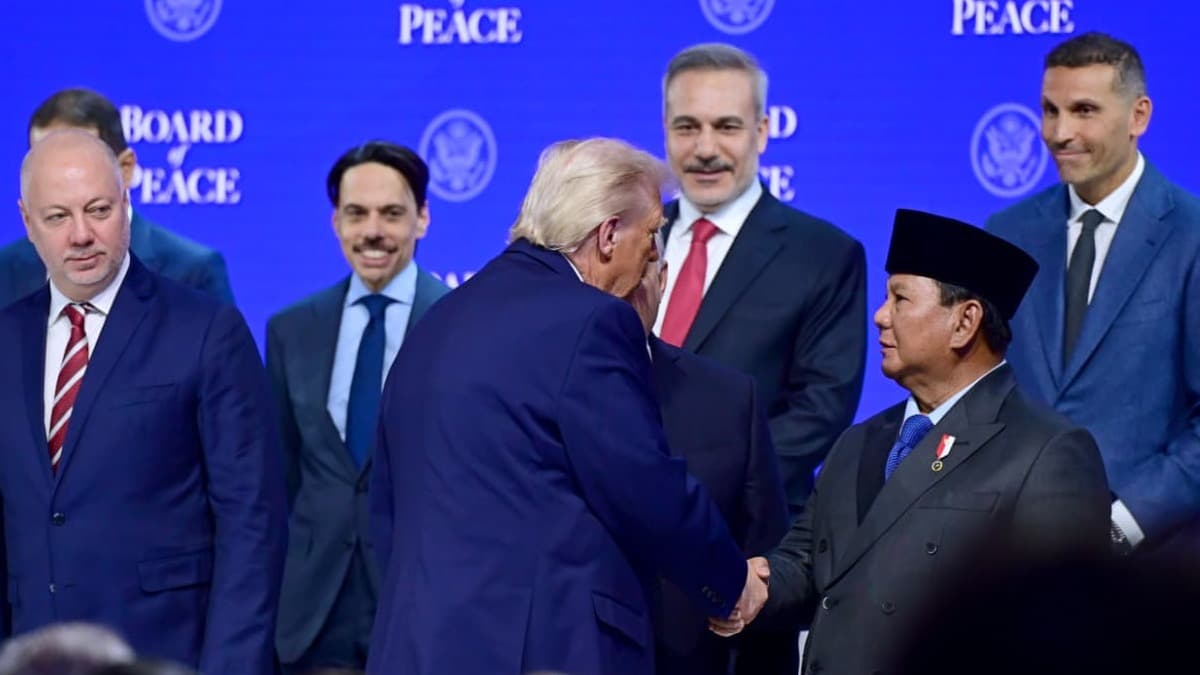
- Indonesia has joined the US-initiated Board of Peace after President Prabowo signed its charter at the World Economic Forum in Davos.
- The government says the move offers a concrete path to peace and humanitarian relief in Gaza, but critics warn of legal, financial and geopolitical risks.
- Parliamentarians and civil society groups question the forum’s legitimacy, funding model and compatibility with Indonesia’s UN-based foreign policy.
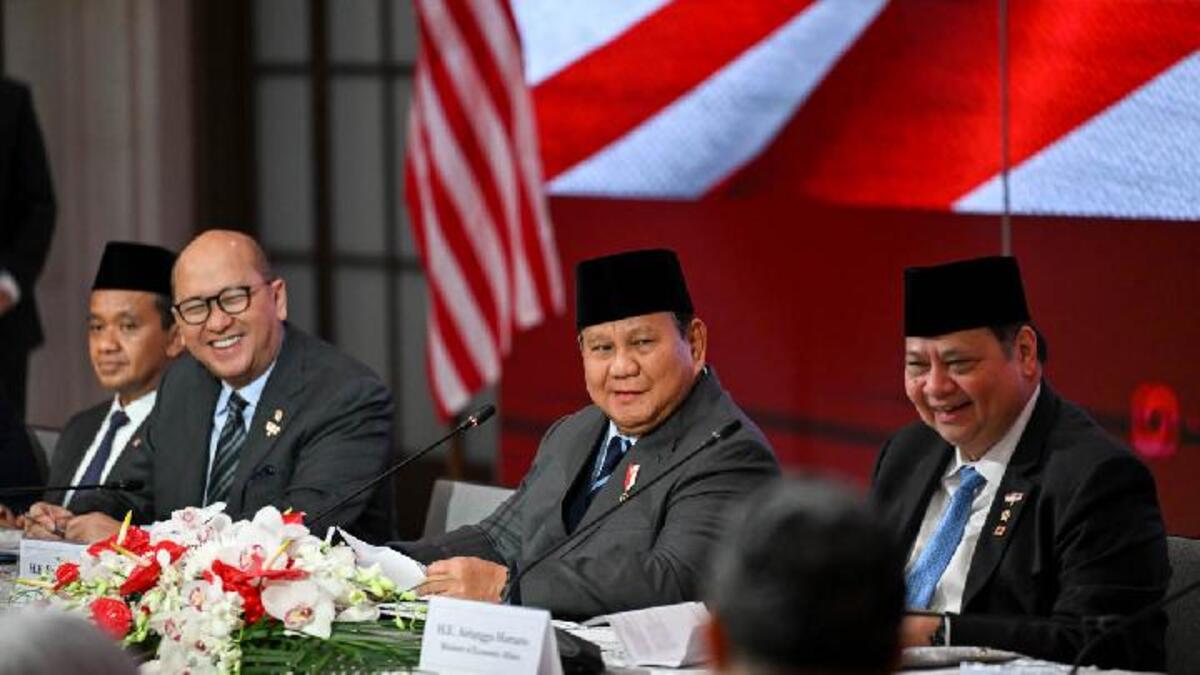
Indonesia has formally joined the Board of Peace (BoP), a new international forum initiated by United States President Donald Trump, after President Prabowo Subianto signed the charter during the World Economic Forum in Davos, Switzerland.
The move has been framed by the government as a historic opportunity to advance peace and humanitarian relief in Gaza, but it has also triggered intense debate at home over geopolitical risks, financial commitments, and Indonesia’s long-standing foreign policy principles.
Government optimism and Davos diplomacy
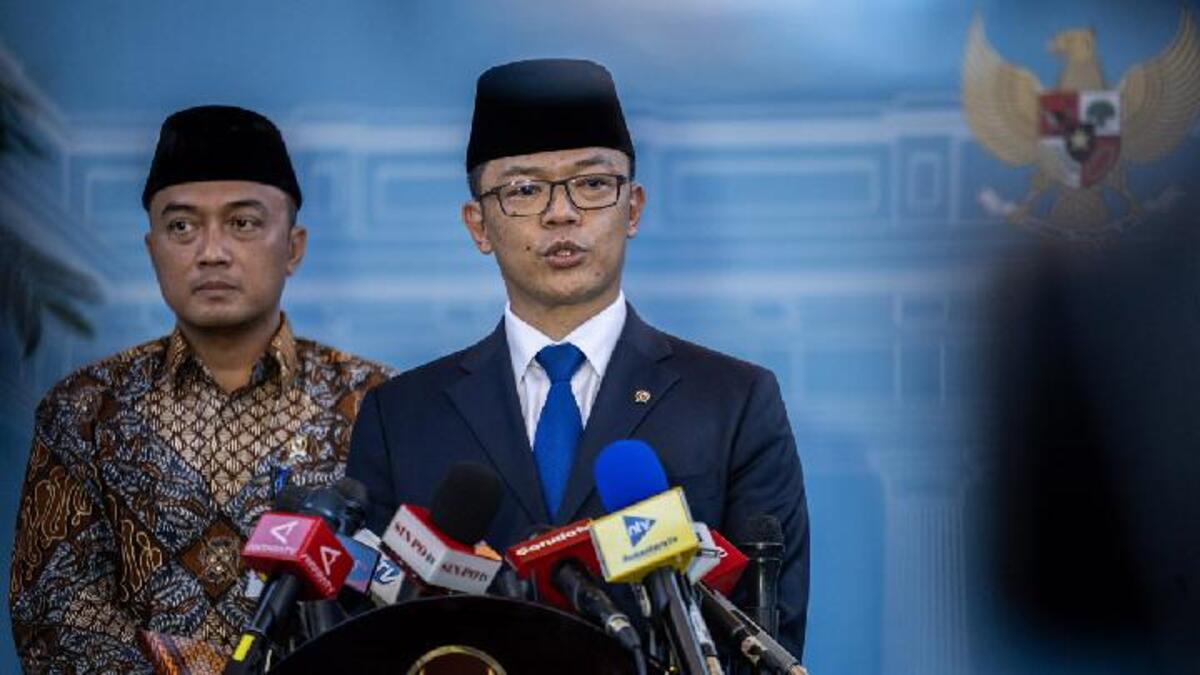
Speaking to the media in Davos on Thursday, 22 January 2026, President Prabowo described Indonesia’s participation as a “real chance” to achieve peace in Gaza and to alleviate the suffering of the Palestinian people.
“I believe this is a historic opportunity. This is truly a real chance to achieve peace in Gaza,” Prabowo said, adding that humanitarian conditions had shown signs of improvement, with aid flowing in larger volumes. He stressed that Indonesia stood ready to take an active role in the forum.
According to Prabowo, the Board of Peace is open to all countries committed to peace and humanitarian objectives.
“Anyone who wants peace there, anyone who wants to help the people of Gaza and the Palestinian people,” he said, signalling Indonesia’s intention to be directly involved in shaping outcomes rather than remaining on the sidelines.
President Trump, addressing the gathering of leaders in Davos, portrayed the Board of Peace as one of the most ambitious peace initiatives in recent history. He emphasised the influence of those present, calling them “the most important people in the world” and urging them to use that influence to advance global peace.
Why Indonesia joined
Indonesia’s rationale was later elaborated by Foreign Minister Sugiono, who said Jakarta joined the forum to ensure that its direction remains aligned with Palestinian independence and the two-state solution.
“The presence of the Board of Peace is a concrete and tangible step so that peace efforts truly move towards Palestinian independence and a two-state solution,” Sugiono said in a written statement on 24 January.
He argued that Indonesia’s membership was strategic, allowing it to provide input and political influence from within. According to Sugiono, the Board is tasked with monitoring stabilisation administration and post-conflict rehabilitation in Gaza—functions he described as more practical than repeated diplomatic statements or condemnations.
Sugiono was also keen to stress that the Board of Peace is not intended to replace the United Nations. Rather, he said, it emerged from shared concern over the stalled peace process and humanitarian crisis in Gaza. Indonesia, he added, would work to ensure the forum adheres to international law and principles of justice.
The money question: US$1 billion contribution
One of the most controversial aspects of the Board of Peace is funding. President Trump has spoken of a suggested contribution of US$1 billion for permanent members—a figure that has raised alarm in Indonesia.
Addressing parliament in Jakarta on 27 January, Sugiono said the contribution was voluntary and not a membership fee.
Any funds, he said, would be directed towards Gaza’s reconstruction. While President Prabowo is “ready to participate”, Sugiono acknowledged that it remains unclear whether Indonesia will commit to the full amount.
Economist Syafruddin Karimi from Andalas University warned that the proposal risks creating a “pay-to-play” dynamic, arguing that Indonesia’s humanitarian role should not depend on financial leverage.
Parliamentary warnings and security risks
Concerns have also been raised within Indonesia’s parliament. TB Hasanuddin, a member of Commission I of the House of Representatives, identified four major risks associated with joining the Board of Peace.
First, he warned of geopolitical repercussions, saying Indonesia could be perceived as aligning too closely with US Middle East policy, potentially straining relations with other countries in the region.
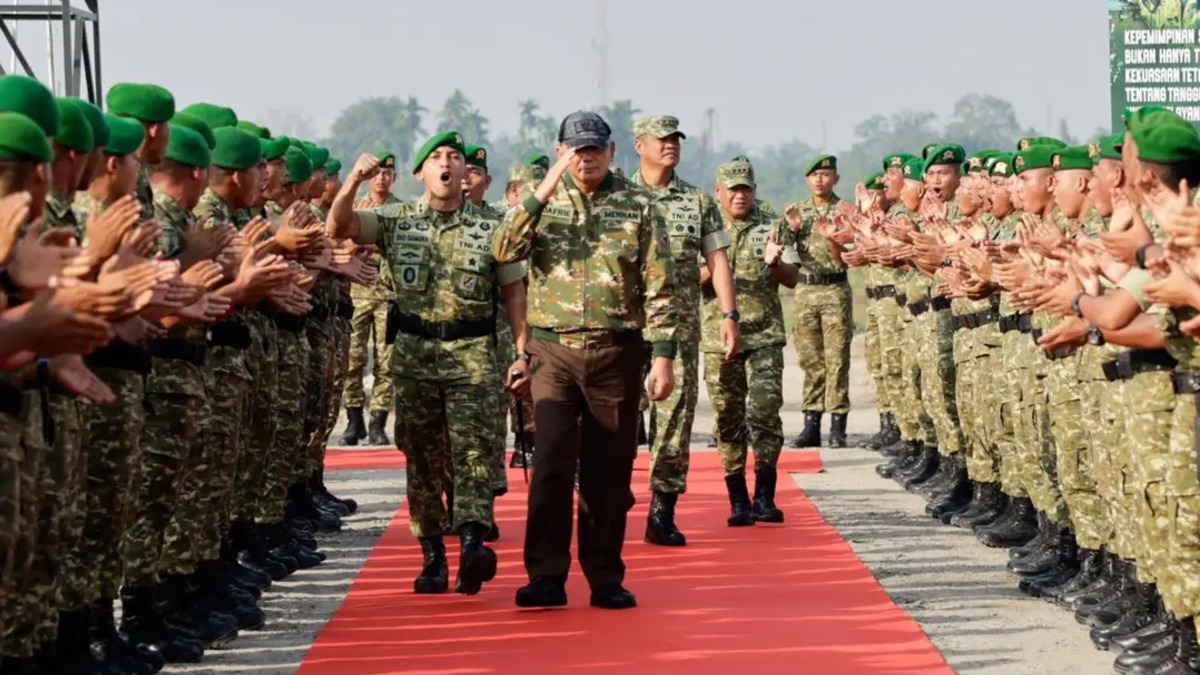
Second, he highlighted security risks should Indonesian National Armed Forces personnel be deployed in Gaza under a framework not accepted by all factions. Such deployments, he said, could endanger troops and harm Indonesia’s reputation—particularly as the country currently holds the presidency of the UN Human Rights Council.
Third, Hasanuddin questioned the financial burden of a possible US$1 billion contribution, calling it enormous amid global economic uncertainty and domestic budget constraints.
Finally, he stressed that all Indonesian actions must remain aligned with UN resolutions on Palestine–Israel. “Good intentions for peace must not create political, security, and economic risks for the nation,” he said.
Human rights and civil society backlash
Human rights organisations and legal advocacy groups have framed Indonesia’s decision to join the Board of Peace as a potential departure from established international legal frameworks governing armed conflict, accountability, and self-determination.
Amnesty International Indonesia issued one of the strongest rebukes. Its executive director, Usman Hamid, questioned the legal coherence of Indonesia’s position, arguing that participation in a US-initiated forum that operates outside the United Nations system risks undermining binding international norms.
“How can Indonesia credibly lead the UN Human Rights Council while aligning itself with an initiative that weakens the authority of the UN, international justice institutions, and universal legal standards?” Usman said. He warned that the move could erode Indonesia’s consistency in upholding the UN Charter, international humanitarian law, and the principle of equality among states.
Legal experts and civil society groups have also raised concerns about representation and consent, noting that the Board of Peace was established without formal Palestinian participation or mandate. They argue that any peace mechanism affecting Gaza that excludes Palestinian representatives risks violating the core principle of self-determination, as enshrined in Article 1 of the UN Charter and reaffirmed in numerous UN General Assembly resolutions.
Another major concern centres on accountability mechanisms. Critics warn that the Board of Peace could function as a parallel political structure that diverts attention from ongoing legal processes, including advisory proceedings at the International Court of Justice and investigations by the International Criminal Court related to alleged violations of international humanitarian and human rights law in Gaza.
From this perspective, civil society organisations argue that participation in a non-UN framework risks normalising impunity by prioritising political stabilisation and reconstruction without first addressing legal responsibility for grave breaches, including potential war crimes and crimes against humanity.
Domestically, Indonesian civil society groups have urged Parliament to exercise its constitutional oversight function. They have called on Commission I of the House of Representatives to summon the Foreign Minister and demand clarity on whether Indonesia’s engagement with the Board of Peace is legally compatible with its obligations under the UN Charter, the Geneva Conventions, and international human rights treaties to which Indonesia is a party.
More broadly, critics warn that the decision could weaken Indonesia’s standing among Global South countries that view Jakarta as a principled advocate of multilateralism, decolonisation, and rule-based international order. In legal terms, they argue, the issue is not merely diplomatic alignment, but whether Indonesia is setting a precedent that allows ad hoc political initiatives to supersede established international legal institutions at a time when those institutions are already under severe strain.