Death toll in Wang Fuk Court fire rises to 55 as investigation and support efforts intensify
Hong Kong’s worst residential fire in decades has claimed 55 lives, as emergency services continue rescue efforts and authorities launch investigations into safety and corruption concerns. Three individuals have been arrested and citywide inspections have begun.
- The Wang Fuk Court fire has claimed 55 lives, with over 70 people hospitalised and 15 in critical condition.
- Three individuals linked to the building renovation have been arrested for alleged manslaughter involving unsafe materials.
- Authorities have launched a corruption probe, offered aid, and begun citywide inspections of construction sites.
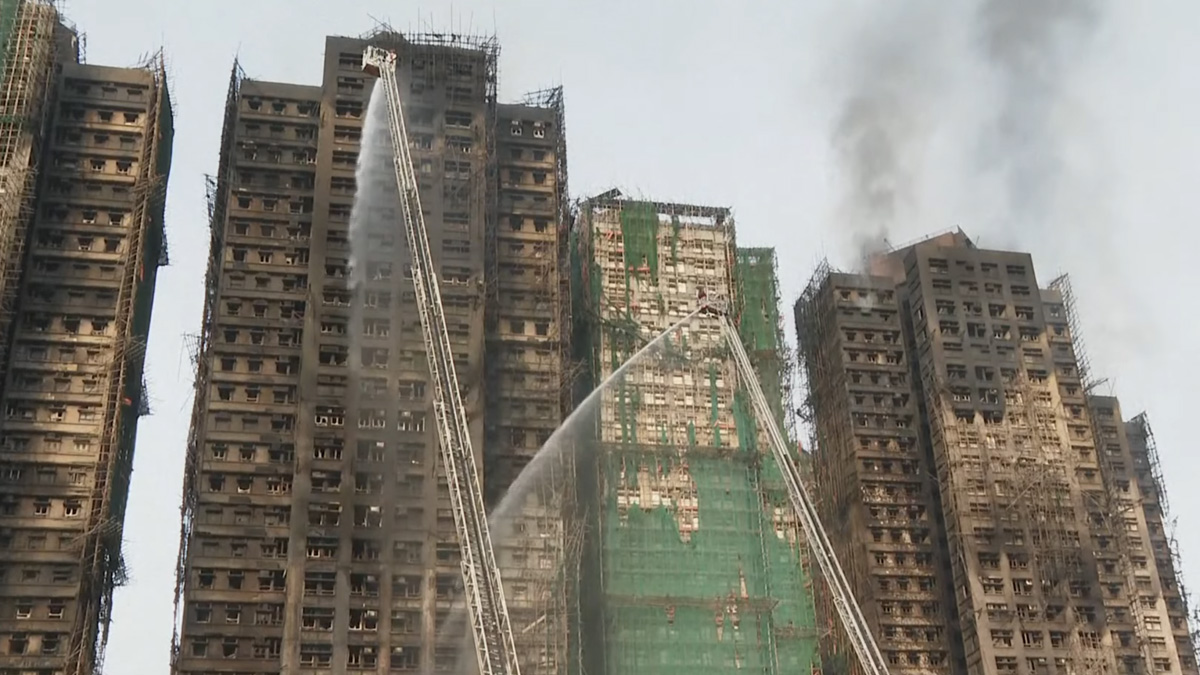
The death toll from the catastrophic fire at Wang Fuk Court in Tai Po has risen to 55, marking one of Hong Kong’s most devastating residential disasters in recent decades. Emergency officials confirmed on Thursday that 51 people died at the scene, while four others succumbed to their injuries in hospital.
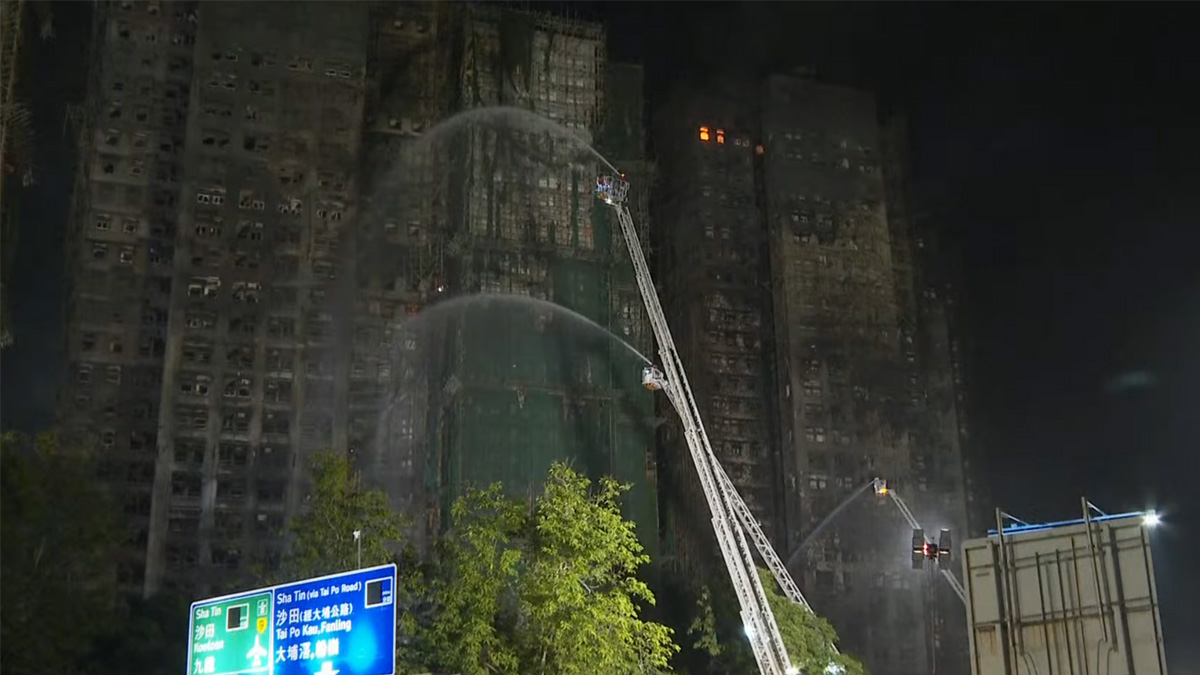
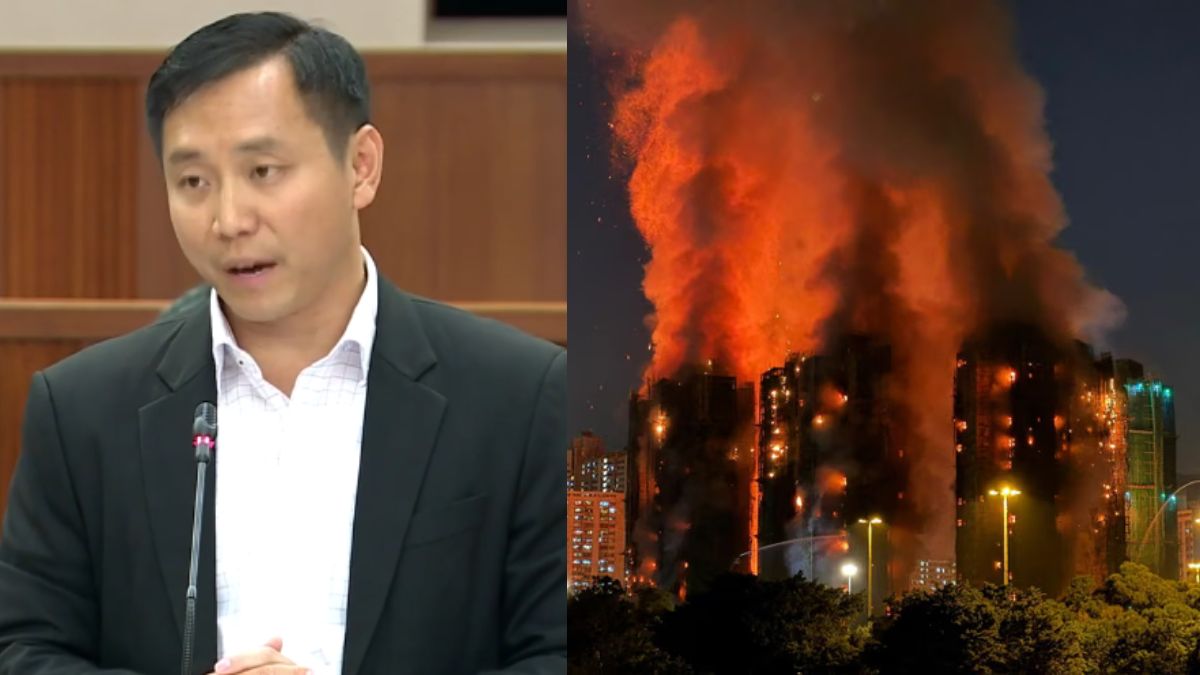
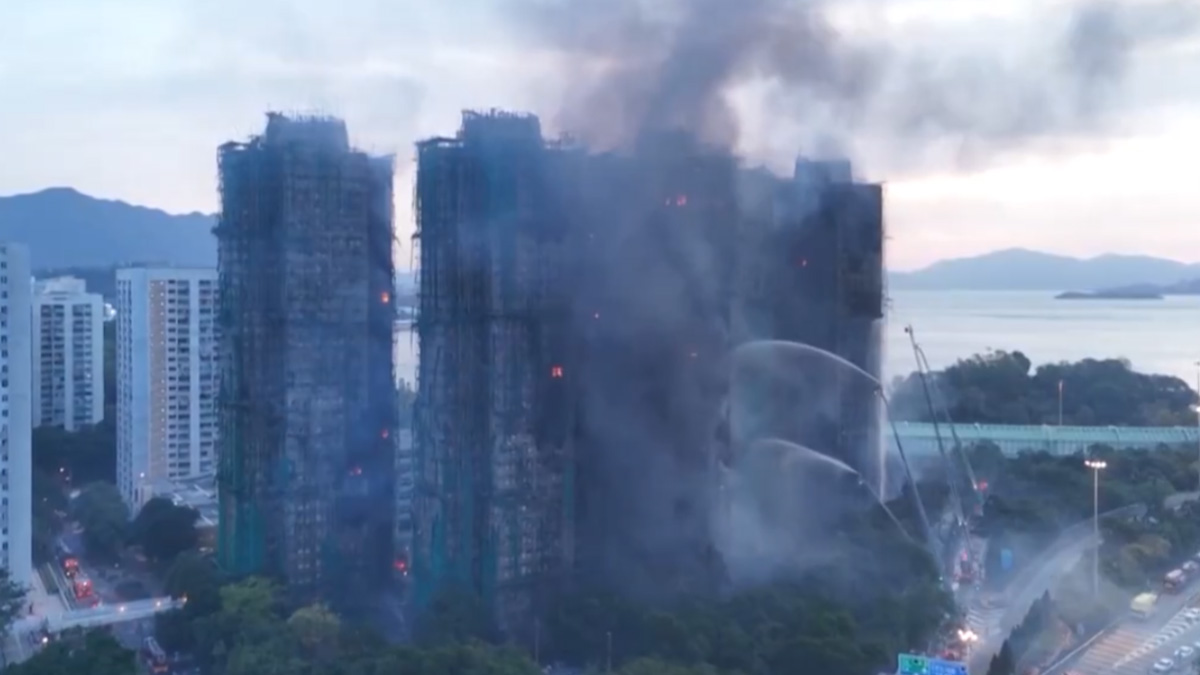
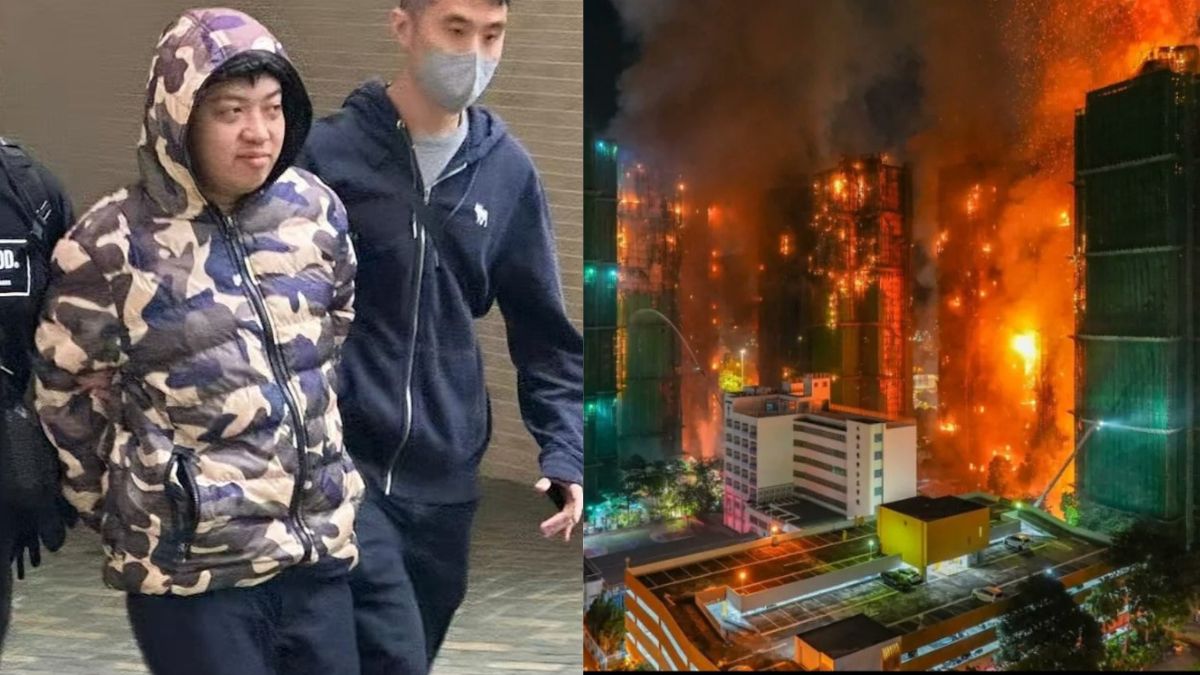
The fire, which erupted at approximately 2.51pm on 26 November, 2025, quickly engulfed seven of the estate’s eight residential blocks. Eyewitness footage showed flames tearing through bamboo scaffolding and green mesh that collapsed in burning fragments to the ground, as dark smoke billowed into the sky.
The Hospital Authority stated that, as of 2.30pm Thursday, a total of 76 individuals had been admitted to public hospitals. Among them, 15 remain in critical condition, 28 are classified as serious, 18 are stable, and 11 have been discharged. Four of the 55 deaths occurred in hospital.
Rescue operations have been complex and ongoing. Of the 341 emergency calls for help received, the Fire Services Department has responded to 279. Another 62 reported cases remain unresolved as firefighters continue efforts in buildings where access is hampered by structural risks and active fire zones.
Firefighters have deployed 1,250 personnel, 304 fire engines and rescue vehicles, and 26 specialised rescue teams to the scene. Eleven fire hoses and four drones are currently in operation, the latter aiding in aerial surveillance and hotspot identification. Fires have been extinguished in four of the seven affected blocks, with the remaining three under control.
Deputy Director of Fire Services Wong Ka-wing confirmed that multiple challenges remain. He cited active fire areas, poor visibility, and difficult access as key barriers to rescue. Notably, an elderly man was rescued from the rooftop of On Tai House’s 31st floor at around 11am. He was administered breathing assistance and hospitalised shortly after.
The speed and scale of the fire’s spread have drawn intense scrutiny. Authorities have arrested three people—a consultant and two directors of the contractor overseeing renovation works at Wang Fuk Court—on suspicion of manslaughter. According to preliminary investigations, highly flammable and non-compliant materials were used during renovation, including styrofoam to seal windows and mesh netting on scaffolding. These materials reportedly accelerated the fire’s spread and blocked escape routes.
The Independent Commission Against Corruption (ICAC) has launched a full investigation into potential corruption in the grand renovation project. A task force has been established to examine irregularities in procurement, regulatory oversight, and safety compliance.
“In view of the immense public interest involved, the ICAC today set up a task force to launch a full investigation into possible corruption,” a spokesperson for the anti-corruption agency said.
The tragedy has prompted a broad government response. Chief Executive John Lee convened an emergency inter-departmental meeting on Thursday morning, instructing a comprehensive inspection of all housing estates undergoing maintenance. These inspections will focus on scaffolding structures, construction materials, and contractor compliance.
In a social media statement, Lee affirmed that his administration would expedite relief efforts, including temporary accommodation, financial assistance, and psychological support for affected families. He also pledged to hold those responsible for any safety breaches fully accountable.
International attention has also turned toward the incident. President Xi Jinping expressed his condolences on Wednesday evening and called for “all-out efforts” to rescue survivors and reduce losses. His statement underscored the gravity of the situation and signalled support for the city’s emergency response.
Among the deceased are two Indonesian domestic workers. The Indonesian consulate confirmed the deaths and reported that two other nationals were injured. It has been working closely with Hong Kong authorities to provide support and assistance to the victims' families.
Efforts to identify the dead are ongoing. Authorities have displayed photos of those officially declared deceased at Kwong Fuk Community Hall to aid families in locating missing relatives. Around 50 people gathered near the hall on Thursday morning to view the images.
The social impact of the disaster has mobilised both the public and private sectors. The Jack Ma Foundation announced on Thursday that it will contribute HK$60 million (US$7.7 million) to aid families of victims and support rescue operations. Alibaba Group Holding and Ant Group, both linked to the foundation, expressed their readiness to offer further assistance.
Meanwhile, a surge in blood donation has been seen across the city following widespread appeals on social media. Centres such as the Central and Causeway Bay donor locations reported full bookings into the following week. Despite no critical shortage at present, medical staff emphasised the need for steady supplies over the long term.
Walk-in donors have faced waits exceeding two hours, but many have chosen to stay. One staff member at a donor centre noted: “The blood bank is stable now, but this effort must be sustained. We cannot depend on two days of high turnout.”
The Social Welfare Department has deployed social workers, clinical psychologists, and counsellors to temporary shelters and hospitals to provide trauma care and emotional support. Medical social workers are also working directly with the injured and their families. Additionally, Integrated Children and Youth Services Centres in Tai Po have been instructed to extend operations to support families disrupted by the tragedy.
The Wang Fuk Court fire is now being compared to two of Hong Kong’s deadliest past incidents. The Happy Valley Racecourse fire in 1918 resulted in over 600 deaths, while a 1948 warehouse blaze on Des Voeux Road West killed 176 people. While this latest incident is on a smaller scale, the failures alleged in safety and governance have led to calls for systemic reform.
Hong Kongers demand probe into Tai Po fire, alleging negligence
A public outcry has erupted in the wake of the disaster, with growing accusations that the fire was not a freak accident but a result of negligence, poor oversight, and profit-driven decisions tied to a controversial renovation project.
All eight blocks of Wang Fuk Court had been undergoing a major renovation since July 2024, wrapped in bamboo scaffolding and green plastic mesh. Residents allege that foam boards were used to seal windows, blocking ventilation and light, and that non-fireproof netting was widely installed despite known risks.
Several survivors reported that fire alarm systems failed to activate, and emergency lighting did not function, severely hindering evacuation efforts. One elderly resident told local media, “If I wasn’t awake already, I would be dead.”
Social media campaigns have declared, “It Is Not an Accident”, alleging institutional failure and demanding independent investigations into the renovation’s safety and approval processes.
A June 2024 renovation programme, valued at HK$330 million (US$42.4 million), required residents to pay HK$150,000 to HK$190,000 per unit. The plan was later revealed to be the most expensive of three proposals. After residents voted out the estate’s management committee in September 2024, discrepancies such as vague invoices and "miscellaneous" charges emerged.
Advocacy groups argue that cost-cutting decisions prioritised contractor profit over resident safety. For instance, fire-resistant netting costs around HK$90 per unit, compared with HK$50 for cheaper plastic alternatives. By choosing the latter, contractors allegedly saved HK$40 per scaffold, violating Labour Department requirements.
An earlier Level 3 fire involving scaffolding occurred in October 2024, prompting the Buildings Department to issue safety notices. However, enforcement was reportedly weak. Residents now claim that this failure to follow up contributed directly to the current disaster.