Hong Kong estate fire death toll rises to 55 as inquiry focuses on renovation safety
Hong Kong’s Tai Po estate fire has claimed 55 lives, with 279 still missing, as investigations centre on unsafe renovation materials, regulatory lapses and alleged contractor negligence.
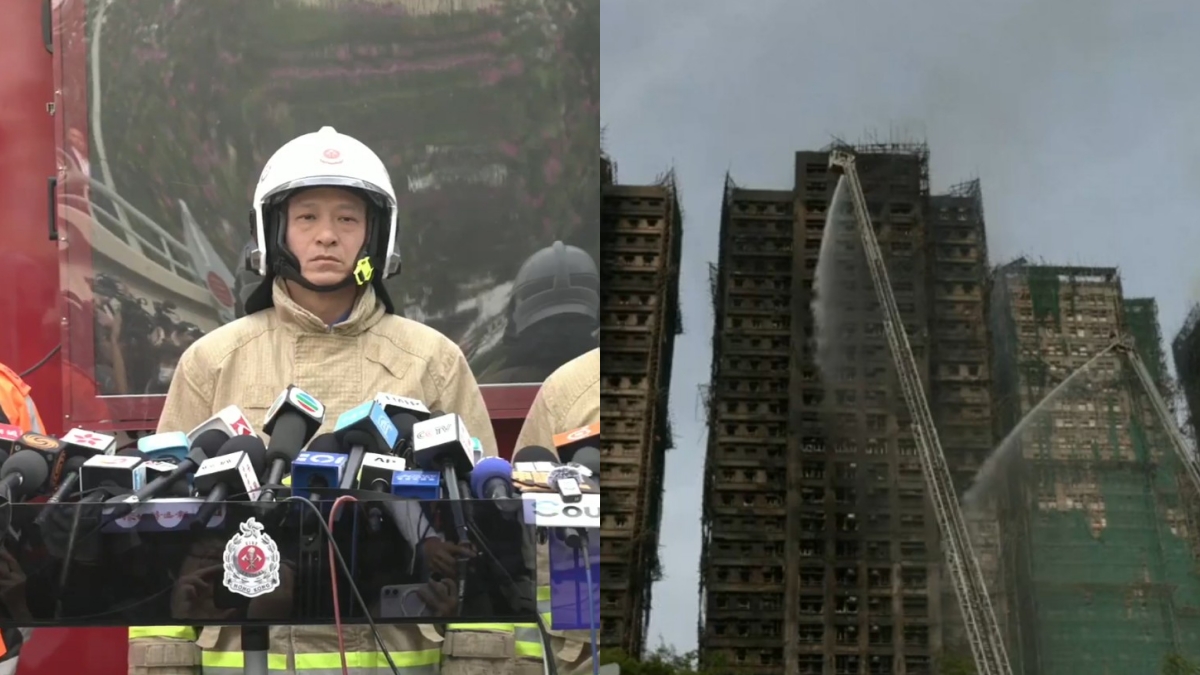
- Death toll from the Tai Po housing estate fire in Hong Kong has risen to 55, with 279 people still missing.
- Authorities have detained three individuals from the renovation contractor on suspicion of manslaughter.
- The blaze has raised major concerns about scaffolding safety, building materials, regulatory oversight and renovation governance.
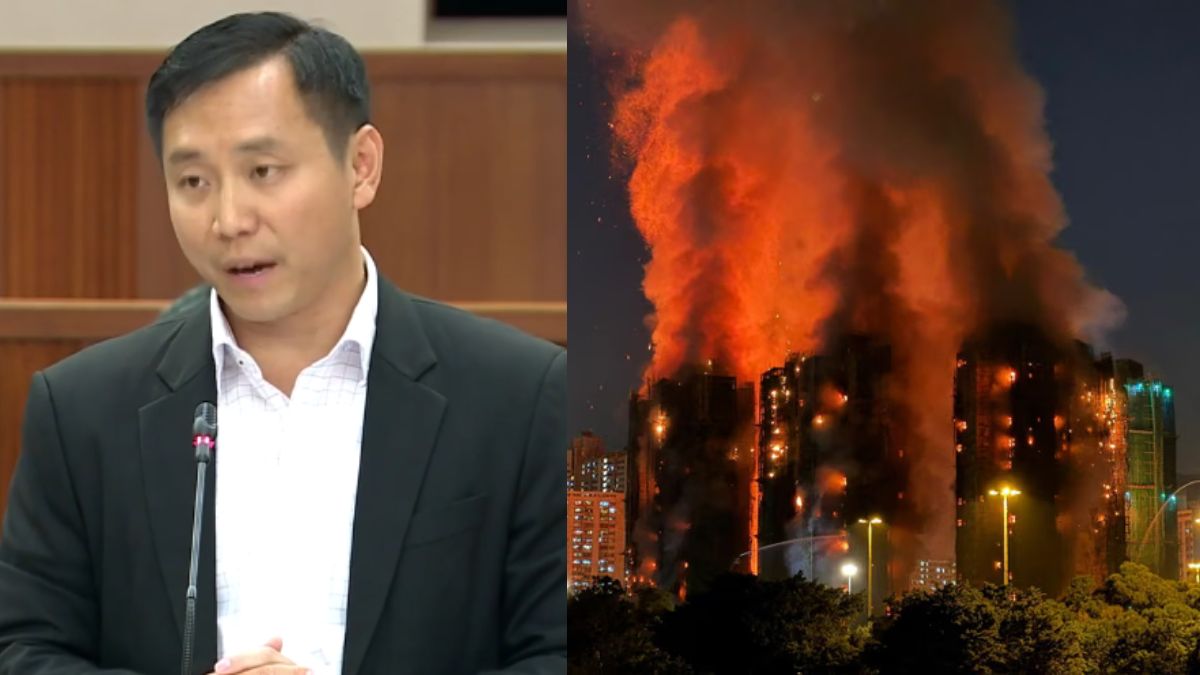
Fire authorities in Hong Kong confirmed on 27 November 2025 that the death toll from the Tai Po housing estate blaze has climbed to 55.
Officials reported that 51 victims died at the scene, while four died in hospital.
The fire service said at least 55 people, including a firefighter, have been killed, with 279 residents still unaccounted for.
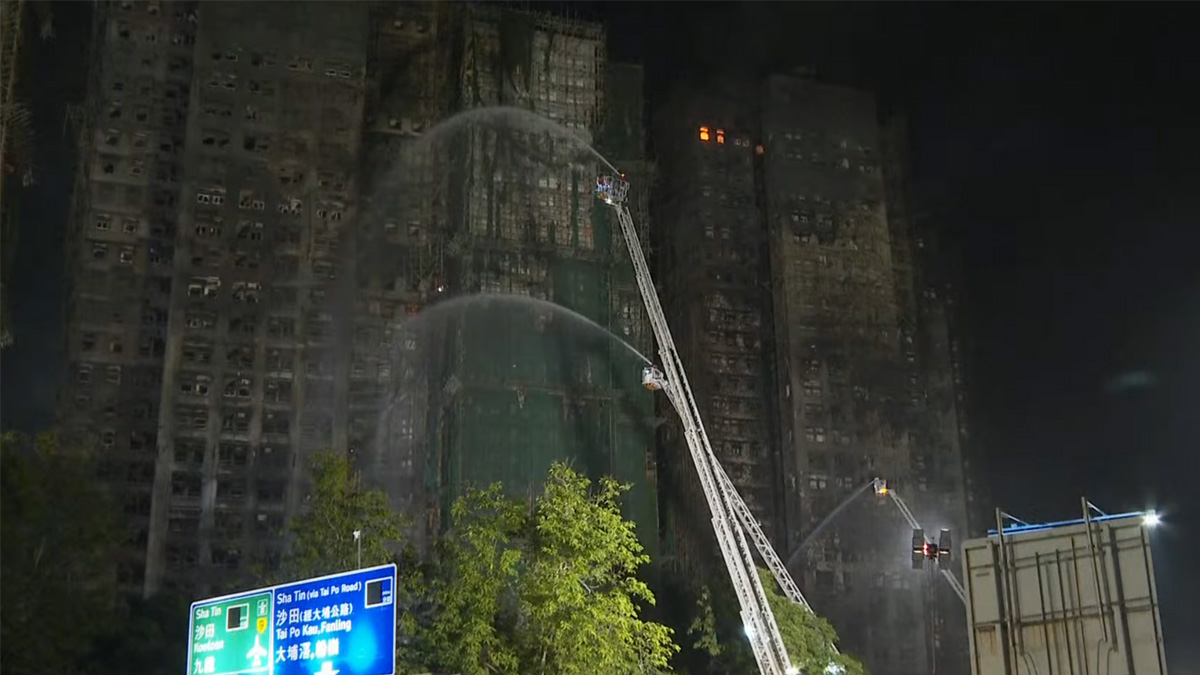
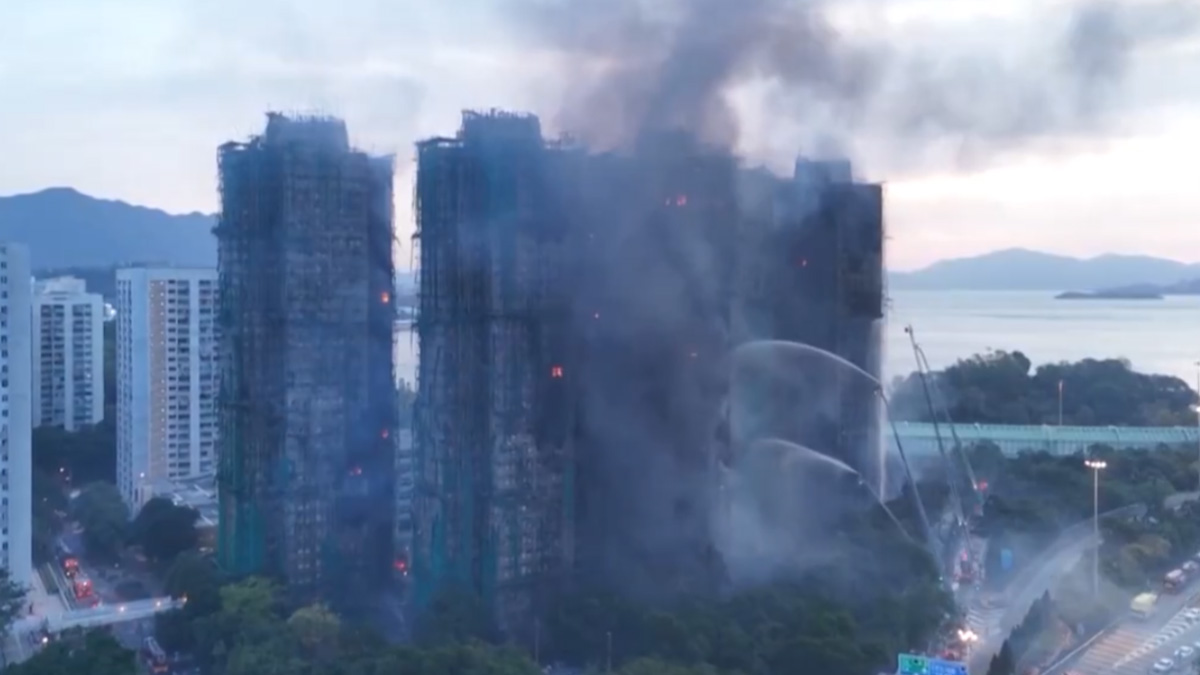
According to the fire department, blazes in four of the estate’s eight towers have been extinguished and three are under control.
One tower was not affected, but crews remain unable to reach some upper floors because of extreme heat and thick smoke.
The fire began on 26 November afternoon and continued burning almost a full day later.
Authorities stated that 68 people have been taken to hospital.
Sixteen are in critical condition and 25 are classified as serious.
Three buildings in the Wang Fuk Court complex, which houses around 4,000 residents, have been brought under control.
Fires continue in four towers, and 279 individuals are still missing.
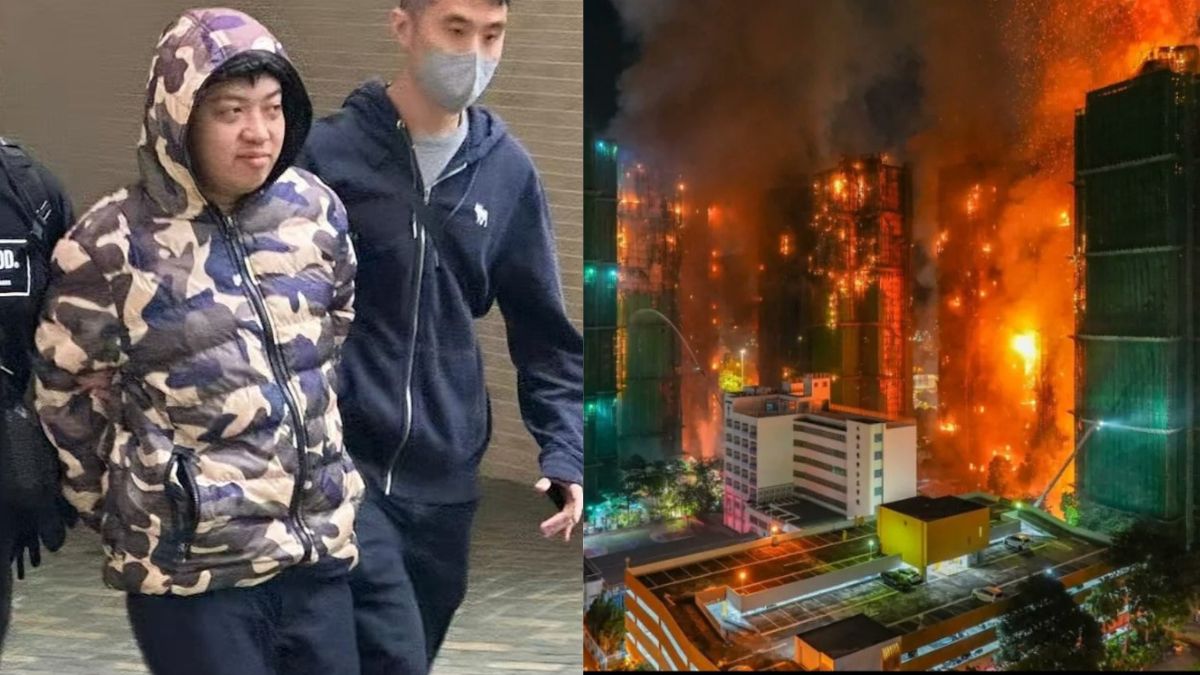
Police have detained two managers and a consulting engineer from the renovation contractor on suspicion of manslaughter.
Officials said bamboo scaffolding and foam plastic materials contributed significantly to the rapid spread.
Senior Superintendent Eileen Chung Lai-yee said investigators believe “gross negligence” allowed flames to move quickly and caused numerous fatalities.
Security Secretary Chris Tang added that non-compliant materials accelerated the fire beyond normal expectations.
Hong Kong issued a level-5 fire alarm, its highest alert, for the first time in 17 years.
Two neighbouring complexes were evacuated, and about 900 residents are sheltering in eight temporary facilities.
More than 140 firefighting vehicles and over 800 personnel were deployed.
Roads in the district remain closed, according to the Transport Department.
Chinese President Xi Jinping offered condolences and instructed the Hong Kong and Macau Affairs Office to support response efforts.
Chief Executive John Lee Ka-chiu expressed sorrow, convened an emergency Cabinet meeting and pledged full support for affected families.
Fire department deputy commissioner Chan Hing-yung said survivors have been located on some floors.
He added that joint firefighting and search operations are expected to reach higher levels today.
Taiwan President William Lai Ching-te also conveyed condolences, writing on X that he hoped the missing would be found safely.
His message expressed sympathy to the injured and bereaved families.
Residents and officials say the blaze may have spread rapidly because of renovation scaffolding and mesh.
The government has ordered inspections of all estates undergoing major repairs.
John Lee wrote that all scaffolding and materials used in such projects will be examined immediately.
Survivors said they heard no fire alarm, prompting neighbours to alert each other manually.
Residents blamed unsafe materials, poor supervision and a controversial HK$330 million renovation scheme.
All eight blocks had been under renovation since July 2024, using bamboo scaffolding and green mesh.
Local media reported that windows were sealed with foam sheets and non-fireproof netting was widespread.
Reports also alleged poor workmanship and unsafe behaviour among workers.
A widely shared online campaign declared “It Is Not an Accident”, accusing contractors and decision-makers of systemic negligence.
Posts described the event as “institutional failure” spanning procurement, oversight and enforcement stages.
Some residents noted that bamboo itself is not highly flammable.
They said rapid spread stemmed from foam sealant and non-compliant netting.
The HK$330 million project required 1,984 households to contribute between HK$150,000 and HK$190,000.
Residents voted out the former management committee in September 2024 after raising concerns about costs.
The new committee found that the chosen plan was the most expensive of three options, with more than HK$150 million in cost differences.
Invoices were said to contain vague miscellaneous charges lacking clarity.
Safety concerns surfaced shortly after work began.
Residents repeatedly flagged sealed windows, plastic netting and improper storage of materials.
Fire-resistant netting typically costs about HK$90 per unit, compared with HK$50 for standard plastic versions.
Community advocates alleged contractors saved roughly HK$40 per scaffold by opting for cheaper, non-compliant materials.
A Level 3 fire involving scaffolding occurred on 18 October 2024 at another building.
Later that month, safety notices required all buildings to verify the fire resistance of netting.
Residents argue enforcement was inadequate and that the Tai Po disaster reflects systemic oversight gaps.
Multiple survivors reported that alarms did not activate and emergency systems failed.
An 80-year-old resident said he survived only because he happened to be awake.
These failures have intensified scrutiny of maintenance standards and contractor practices.
Chinese private firms have pledged tens of millions of dollars to support rescue and relief work.