Extreme weather disasters in North Sumatera kill 47 and spark alarm over deforestation impacts
Authorities in Sumatera Utara report 47 deaths and nine missing persons after widespread floods and hydrometeorological disasters, with experts identifying extreme weather and environmental degradation as key contributing factors.
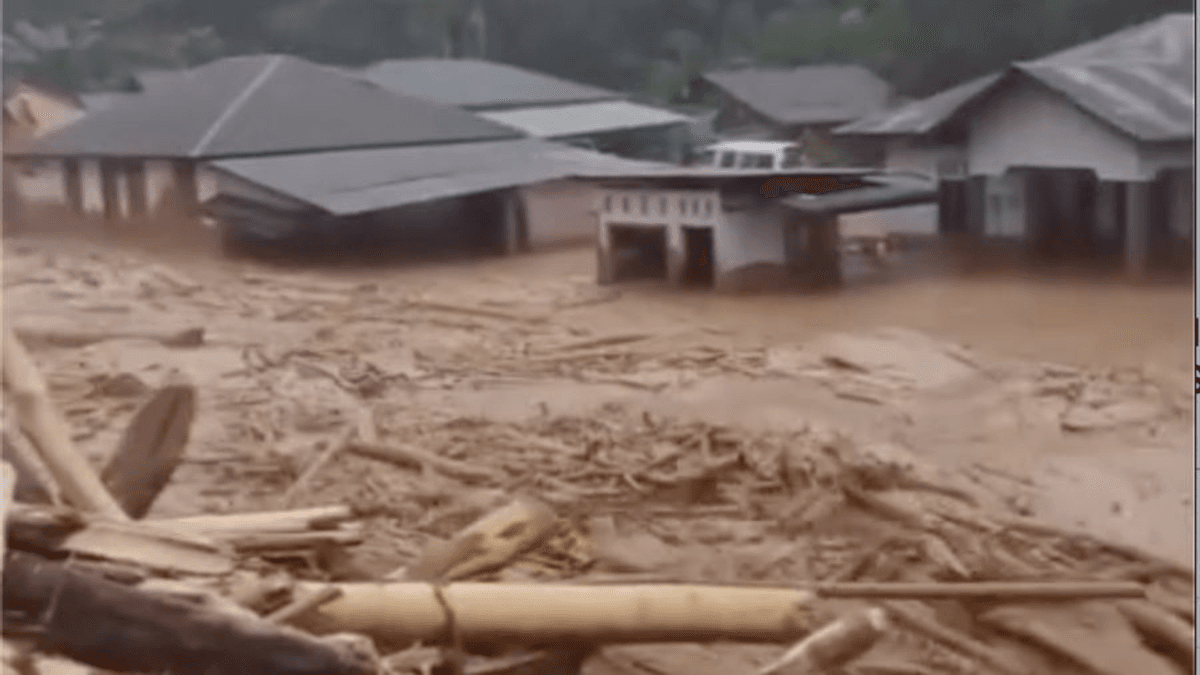
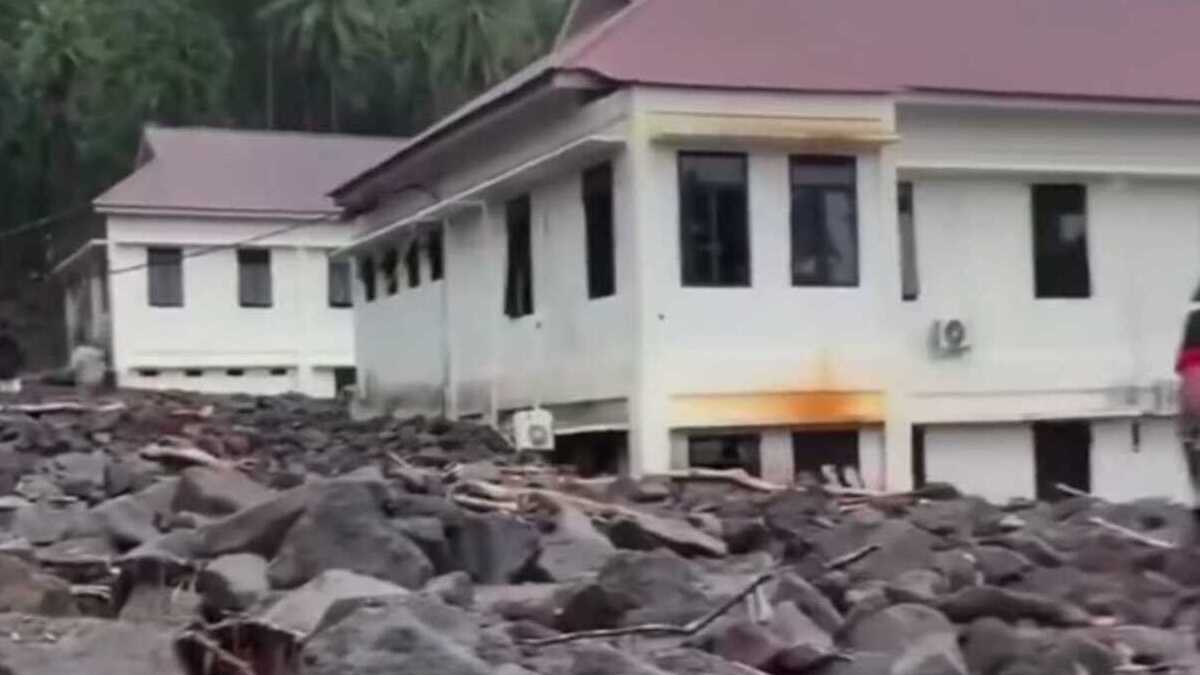
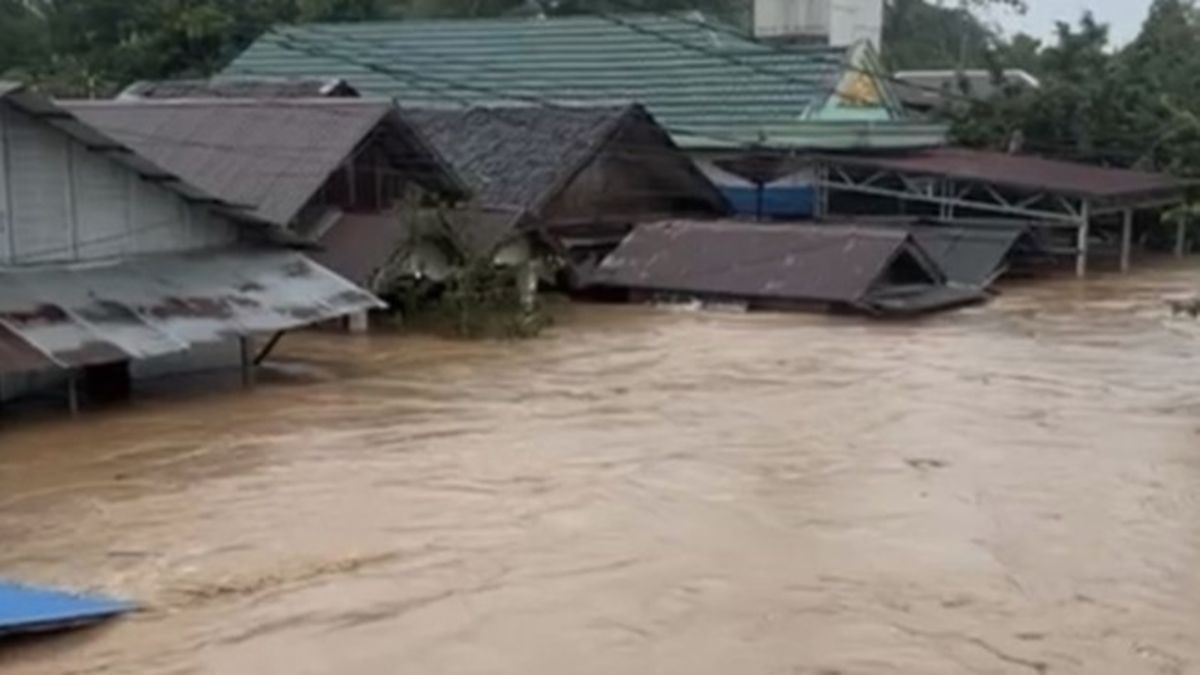
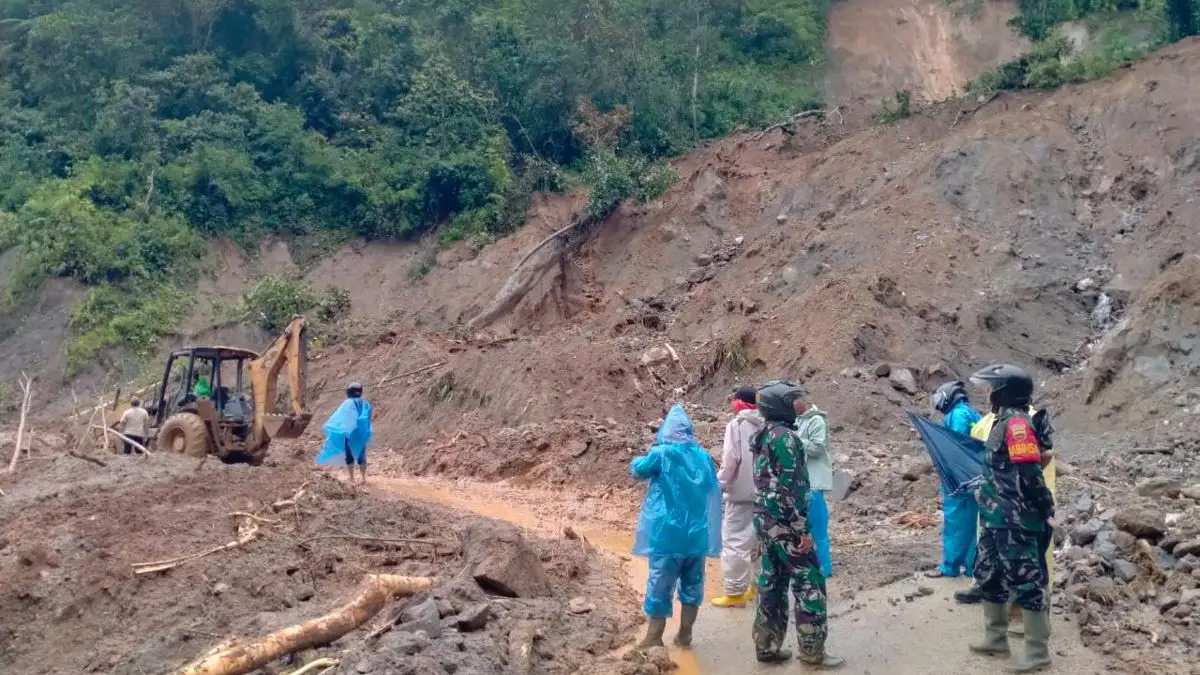
- Hydrometeorological disasters and severe floods across 13 regions in Sumatera Utara have caused 47 deaths, 9 missing persons, and 67 injuries.
- Authorities attribute the extreme weather to Tropical Cyclone Senyar, while Walhi highlights deforestation and illegal logging as exacerbating factors.
- Evacuation and logistics distribution remain the immediate focus, as officials respond to widespread infrastructure and environmental impacts.
Widespread hydrometeorological disasters across Sumatera Utara have resulted in 47 deaths, nine missing persons, and dozens injured.
According to a report by Detik news, the Badan Penanggulangan Bencana Daerah (BPBD) Sumatera Utara confirmed that the total number of victims has reached 123 as of 27 November 2025.
BPBD Sumatera Utara Chief Tuahta Ramajaya Saragih stated that the disasters affected 13 districts and cities.
He added that 67 people sustained injuries, while search efforts remain under way for those still unaccounted for.
Tapanuli Selatan recorded the highest casualty numbers with 73 victims.
This included 15 deaths and 58 injuries, marking the region as one of the hardest hit in the province.
Humbang Hasundutan reported 18 victims, with five deaths, four missing persons, and nine injuries.
In Sibolga, authorities confirmed 17 fatalities, while Tapanuli Utara recorded three deaths and five missing persons.
Further casualties were reported in Tapanuli Tengah, Pakpak Bharat, and Padangsidempuan.
Tuahta noted four deaths in Tapanuli Tengah, two in Pakpak Bharat, and one in Padangsidempuan.
The disasters struck numerous regions including Langkat, Mandailing Natal, Nias Selatan, Binjai, Medan, and Deli Serdang.
Authorities said the scale of the event reflected the wide geographic spread of the extreme weather.
Displacement has also intensified. BPBD recorded 776 households seeking shelter in Mandailing Natal, 3,000 people in Tapanuli Selatan, 240 households in Padangsidempuan, and 19 households in Tapanuli Utara.
The Balai Besar Meteorologi, Klimatologi dan Geofisika (BBMKG) stated that the extreme weather was driven by Tropical Cyclone Senyar.
According to BBMKG Medan Head Hendro Nugroho, the cyclone developed from Tropical Cyclone Seed 95B on 21 November 2025 near the waters east of Aceh.
Hendro explained that the cyclone produced continuous heavy rainfall across Sumatera Utara for a week.
He added that high humidity contributed to the intensity of the storms and strengthened conditions for heavy to extreme rainfall.
High waves and strong winds were also recorded in several affected regions.
Hendro emphasised that the combination of weather factors produced hazardous conditions across coastal and inland areas.
However, environmental concerns have emerged alongside the disaster response.
According to Detik Travel, WALHI Sumatera Utara highlighted extensive deforestation and increased illegal logging as factors exacerbating the flooding.
Videos circulating online showed large volumes of timber carried by floodwaters.
These were observed in areas such as Tapanuli Selatan, Tapanuli Tengah, and Sibolga, raising public concern about illegal logging practices.
View this post on Instagram
Walhi Sumatera Utara Executive Director Rianda Purba told BBC Indonesia that deforestation around the affected river basins was significant. He cited footage of logs swept downstream as evidence of degraded upstream forest cover.
Rianda added that the Batang Toru area was particularly vulnerable. He explained that three upstream flow sources had lost substantial forest cover, reducing natural water absorption and increasing flood risk.
Authorities have acknowledged the concerns but indicated that immediate priorities remain centred on rescue efforts.
Gubernur Sumatera Utara Bobby Nasution said the government would assess the situation further once emergency operations stabilise.
Bobby noted that evacuation and logistics distribution were the current focus. He emphasised the need to deliver essential supplies, including food and baby care items, to affected communities as quickly as possible.