Indonesian civil society urges Prabowo to declare Sumatra’s flood disaster a national emergency
A civil society coalition in Aceh has urged President Prabowo Subianto to declare the floods and landslides across Aceh, North Sumatra, and West Sumatra a national disaster, citing severe impacts and limited provincial capacity. The central government maintains the crisis remains regional.
- Civil society groups in Aceh demand national emergency status for floods and landslides across three provinces.
- Local authorities cite isolation of thousands, severe infrastructure damage, and limited capacity to respond.
- Central government maintains that conditions do not yet meet the threshold for a national disaster.
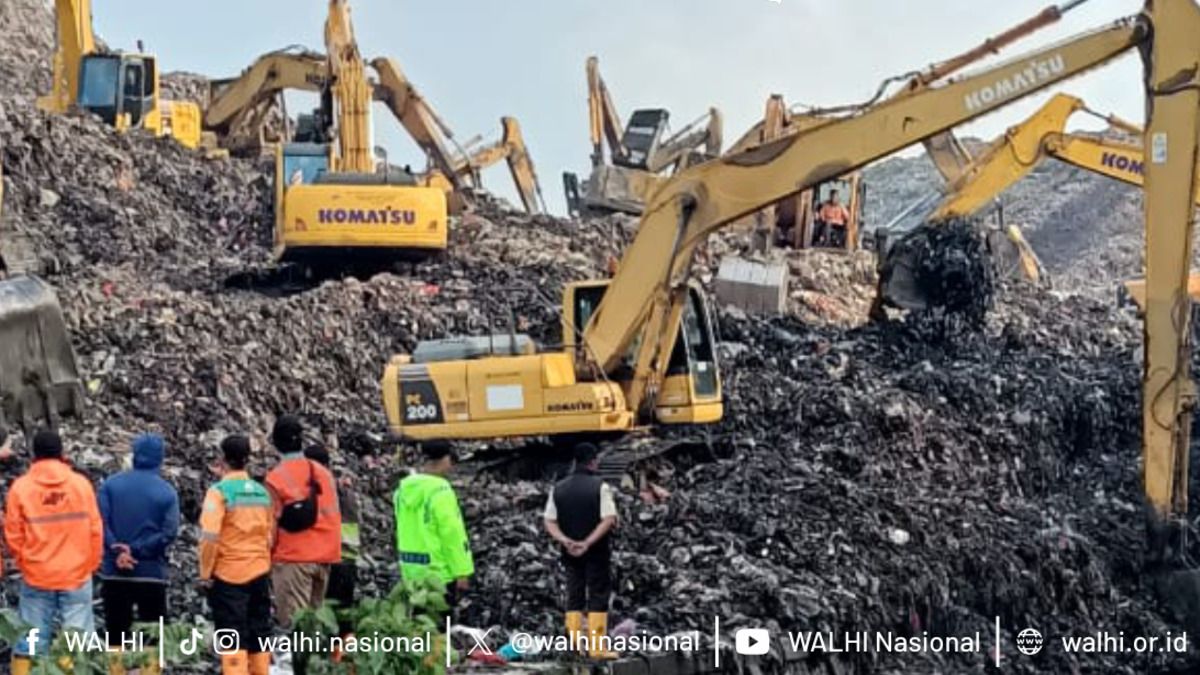
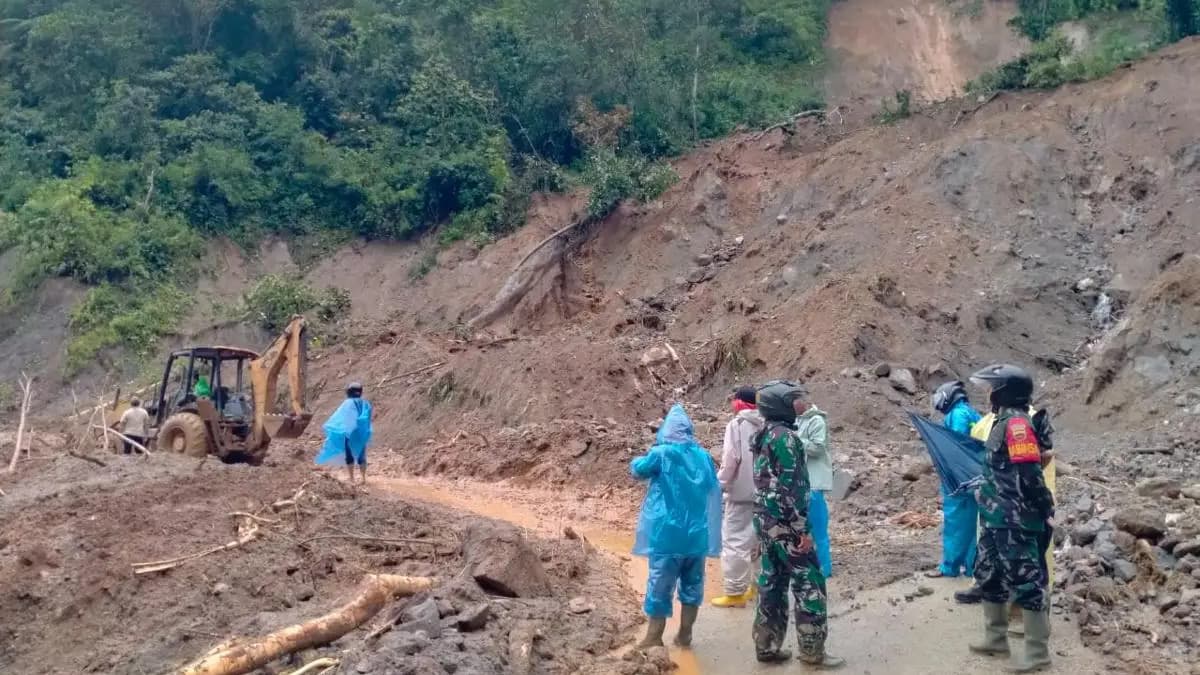
INDONESIA: The massive floods and landslides affecting Aceh, West Sumatra, and North Sumatra have prompted renewed calls for stronger national intervention. Civil society groups argue that the scale of devastation has surpassed local capacity.
According to Tempo and Antara News, the Transparency Aceh Society (MaTA) and allied groups have urged President Prabowo Subianto to declare a national disaster emergency.
The coalition includes MaTA, the Legal Aid Institute of Banda Aceh, the Independent Journalists Alliance of Banda Aceh, the Indonesian Foundation for Justice and Peace, and ICAIOS.
Alfian, the MaTA Coordinator, stated that thousands of residents remain isolated, while tens of thousands of homes are submerged.
He added that schools, hospitals, bridges, and national roads across the three provinces have suffered heavy damage.
He said that transport access has been severed in several regions, preventing the distribution of logistical assistance. Power outages, shortages of basic goods, and communication failures have further disrupted emergency operations.
These conditions, Alfian noted, indicate that local government capacity is no longer adequate. Fiscal constraints, especially in Aceh, have hampered sustained disaster management.
Legal concerns were raised by LBH Banda Aceh lawyer Rahmad Maulidin.
He explained that Law Number 24 of 2007, Government Regulation Number 21 of 2008, and Government Regulation Number 17 of 2018 provide a legal basis for national emergency declarations.
According to him, indicators include large-scale casualties or displacement, significant material losses, disruption of public services, and regional inability to mobilise resources for evacuation and basic needs.
Rahmad said that in Aceh, several districts have officially declared their inability to manage the disaster.
Tempo reported that the Central Aceh Regent issued a letter on 27 November 2025 confirming this limitation.
The letter cited 15 fatalities and 3,123 displaced families, concluding that Central Aceh could not continue emergency response efforts without greater intervention.
The coalition therefore urges President Prabowo to elevate the status of the disaster, arguing that national leadership is necessary to fulfil affected communities’ basic rights.
Rahmad encouraged the governors of Aceh, North Sumatra, and West Sumatra to make a joint request.
However, IDN Times reported that the central government maintains a different assessment.
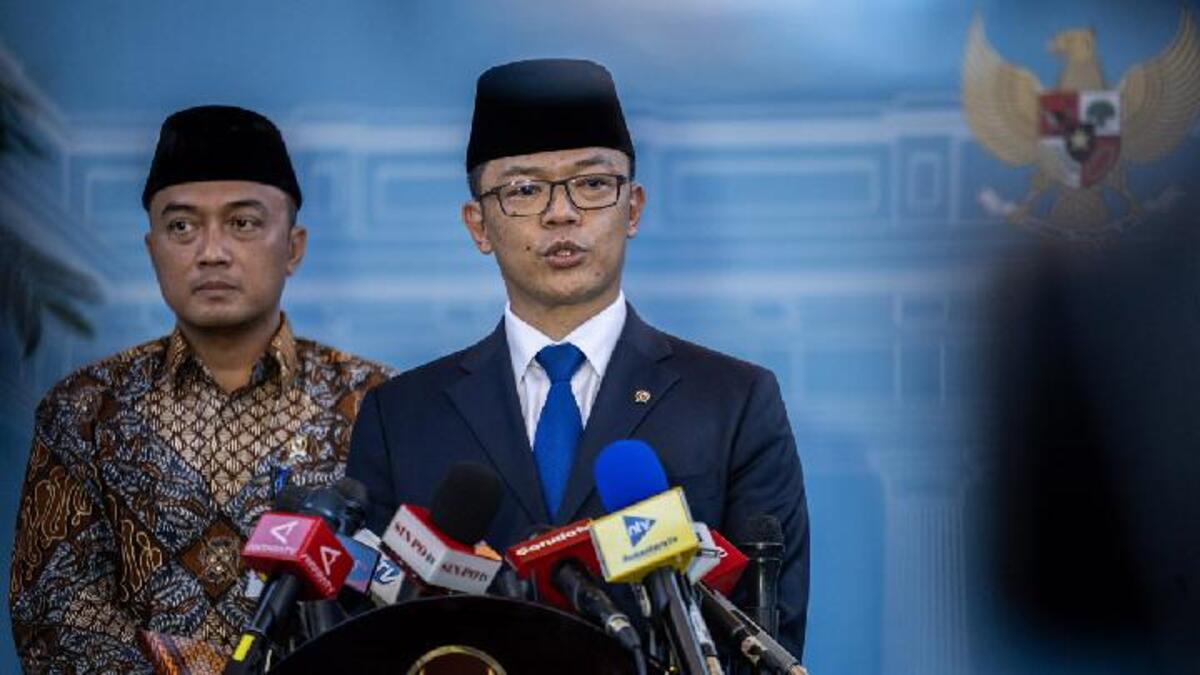
The National Disaster Management Agency (BNPB) stated that the floods and landslides have not met the threshold for a national disaster.
BNPB Chief Suharyanto noted that only COVID-19 and the 2004 tsunami were designated national disasters.
He said that despite significant casualties—442 deaths and 402 missing—current conditions still allow provincial management with full central support.
He explained that national disaster status requires absolute infrastructural collapse, breakdowns in regional governance, or total loss of public service control. He said current conditions in Sumatra have not met these criteria.
BNPB guidelines issued in 2016 outline that governors must first declare their inability to manage a crisis.
A rapid assessment by BNPB then follows before national-level recommendations are submitted. Suharyanto stated that assessments so far have not justified elevating the status.
The government has emphasised ongoing central support for provincial operations.
Despite this, civil society groups maintain that the conditions on the ground require stronger national coordination and resource mobilisation.