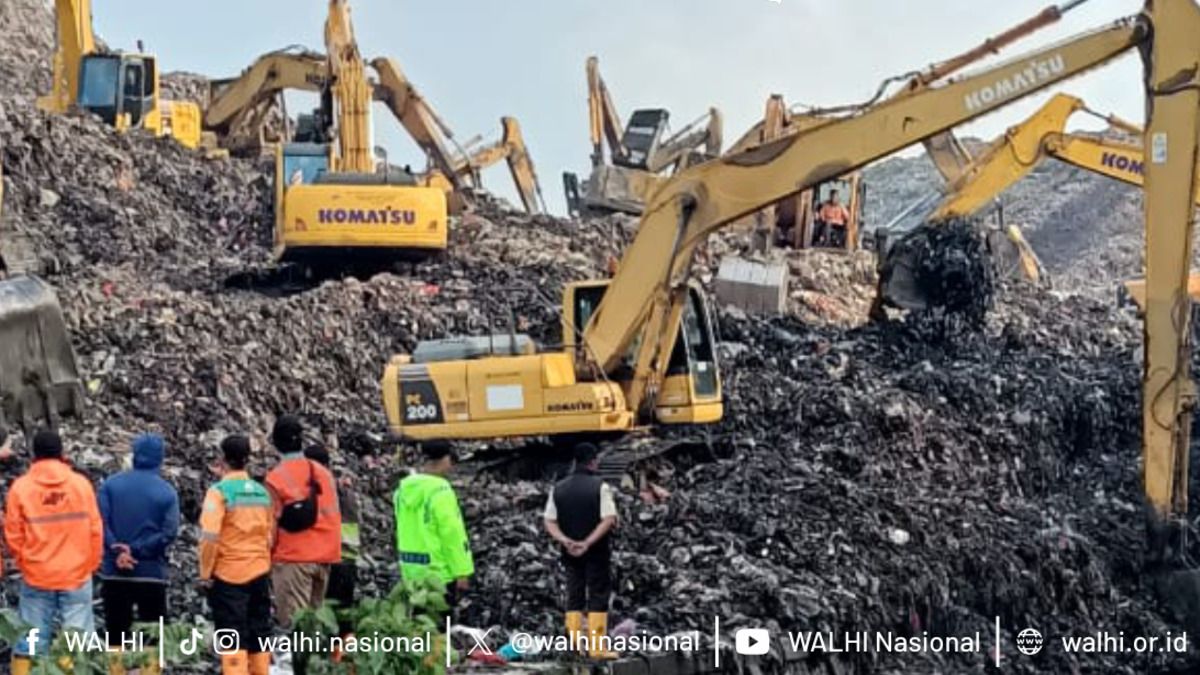
Indonesia declares extreme weather alert as South Kalimantan floods inundate tens of thousands
Severe flooding triggered by days of intense rainfall has inundated large parts of South Kalimantan, affecting tens of thousands of residents and prompting emergency and extreme weather alerts across multiple regencies.
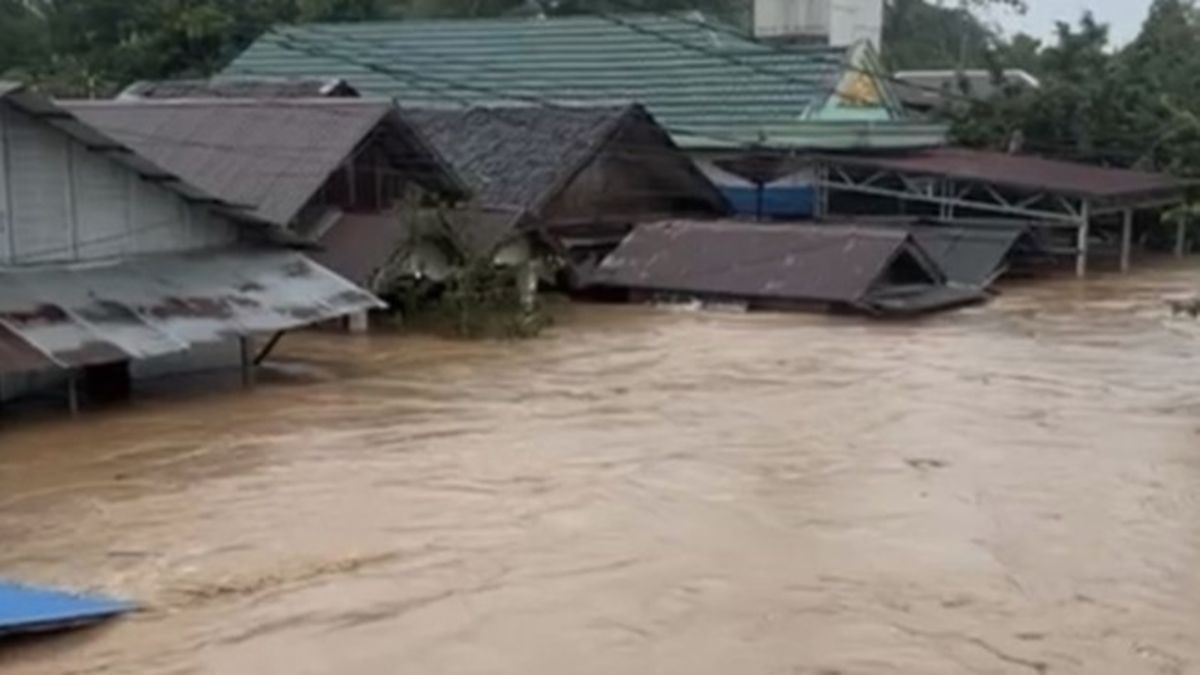
- Heavy rainfall triggered widespread flooding across South Kalimantan, affecting tens of thousands of residents and damaging homes and infrastructure.
- Balangan Regency was the worst hit, prompting an emergency response declaration as river levels overflowed across multiple sub-districts.
- Authorities issued extreme weather alerts, warning that continued rainfall and environmental degradation could worsen flood risks.
INDONESIA: Flooding has swept across large parts of South Kalimantan in Indonesia, inundating homes, damaging infrastructure and affecting tens of thousands of residents, as days of intense rainfall caused rivers to overflow across the province.
Authorities have declared emergency and extreme weather alerts in several areas, warning that further rainfall could worsen conditions.
According to the National Disaster Management Agency (BNPB), flooding struck at least four regencies and cities almost simultaneously from Friday, 26 December.
The earliest major incident was recorded in Balangan Regency, where persistent heavy rain caused river levels to rise rapidly and spill into surrounding residential areas.
Balangan: epicentre of the flooding
In Balangan, floodwaters reached depths of up to one metre, affecting Tebing Tinggi Sub-district, eight villages in Awayan Sub-district and three villages in Halong Sub-district. Initial BNPB figures showed 102 households, or 264 people, directly affected, with two inter-village roads submerged and cut off.
Subsequent local assessments revealed a far larger impact. The Balangan Regional Disaster Management Agency (BPBD) reported that flooding and flash floods eventually affected 10,949 people and inundated 3,511 houses across 27 villages in seven sub-districts.
The Balangan regency government declared an emergency response status for flood disaster management until 3 January 2026.
Balangan Regent Abdul Hadi said Tebing Tinggi and Halong sub-districts were among the worst hit.
“I am deeply concerned about the disaster that has affected residents in Tebing Tinggi, Halong and other areas,” he said, adding that authorities were prioritising the clearance of mud and debris so homes and public facilities could be used again.
Police inspections found moderate to severe damage in several villages, including Juuh, Sungsum and Gunung Batu, where floodwaters reportedly reached up to two metres. Hundreds of homes were damaged, though final figures are still being compiled.
Widespread impact in Hulu Sungai Selatan
Flooding also hit Hulu Sungai Selatan Regency on Saturday afternoon, 27 December, affecting Kandangan town and surrounding sub-districts.
According to BPBD Hulu Sungai Selatan head Kusairi, preliminary data show that 4,180 residents were affected and at least 38 houses damaged between Saturday and Monday.
Almost the entire Kandangan urban area was inundated, including Kandangan Barat, Kandangan Utara, Kandangan Kota, Jambu Hilir and Amawang Kiri Muka villages, accounting for more than 4,100 affected residents.
Flooding and extreme weather also struck Loksado and Padang Batung sub-districts.
In Loksado, the damage was severe in several villages. In Tumingki Village, one house was swept away, 24 homes were flooded and buried in mud, and a connecting bridge was damaged.
Public facilities, including schools and kindergartens, were inundated in Lumpangi Village, with textbooks and electronic equipment submerged. Landslides were also reported, temporarily blocking roads in parts of Loksado.
Despite the scale of the disaster, Kusairi said no residents had been displaced and water levels had begun to recede by Sunday.
Damage and loss assessments are ongoing as BPBD teams and volunteers continue field monitoring.
Riverbank communities inundated elsewhere
Further flooding was reported in Hulu Sungai Tengah Regency on Friday evening, triggered by rising river levels after high-intensity rainfall.
Residential areas along riverbanks were submerged under one to two metres of water, affecting at least 283 households, or 785 people, across eight villages in four sub-districts. By Saturday, water levels in several villages had started to fall.
In the city of Banjarbaru, river overflows flooded Sungai Tiung Urban Village in Cempaka Sub-district, affecting 96 households, or 131 residents. Local BPBD teams were deployed alongside fire and rescue units, social volunteers and staff from the local community health centre to assist affected residents.
Tens of thousands affected in Banjar Regency
The impact was even broader in Banjar Regency, where BPBD recorded 6,593 affected households, comprising 18,348 residents, across 89 villages in 14 sub-districts.
As of Sunday morning, 302 people had been displaced, including vulnerable groups such as toddlers, the elderly, pregnant women and people with disabilities.
More than 5,200 houses were affected, with around 1,700 still inundated at the time of reporting. Flooding persisted across wide areas, particularly along the Martapura River basin, disrupting daily life and access to schools, markets and health services.
Extreme weather alert and rising rivers
As flooding spread across at least six regencies, the South Kalimantan provincial government declared an Extreme Weather Alert on Saturday, 27 December.
The decision followed nowcasting data from the Meteorology Climatology and Geophysics Agency (BMKG), which warned of moderate to heavy rainfall across almost the entire province.
Authorities identified Balangan, Hulu Sungai Tengah, Hulu Sungai Selatan, Banjar and Tanah Laut as high-risk areas. Several major rivers exceeded alert thresholds, including the Riam Kanan River at 7.70 metres and the Martapura River at 9.6 metres, heightening the risk of further overflows.
Fatality in Tanah Laut
In Tanah Laut Regency, BPBD confirmed one fatality linked to the flooding.
A 73-year-old man, Sudarto, died after falling into deep water when a bridge connecting two hamlets in Martadah Baru Village collapsed, undermined by floodwaters.
Local officials said the bridge was a vital access route for residents and have urged the public to avoid the area until repairs can be made.
Beyond rainfall: environmental pressures
Officials stressed that flooding in Balangan was not caused by sudden debris-laden flash floods, but by runoff from mountainous areas and rivers unable to contain prolonged rainfall.
However, environmental factors have also come under scrutiny.
Data from Global Forest Watch show that Balangan Regency has lost around 44,000 hectares of forest between 2001 and 2024—about 44 per cent of its original forest cover—largely due to mining and oil palm expansion.
Today, only around one-fifth of the regency remains forested, raising concerns that deforestation has reduced the landscape’s ability to absorb heavy rainfall.
Calls for vigilance
BNPB has urged residents to monitor official weather warnings, keep drainage systems clear and prepare emergency supplies.
Local governments have been instructed to strengthen early warning systems, ensure flood control infrastructure is ready and improve coordination with communities.
“Public education, preparedness simulations and rapid emergency response are crucial to reducing disaster risks,” said Abdul Muhari, head of BNPB’s Disaster Data, Information and Communication Centre.