Greenpeace camp in Papua links Indigenous struggles as pressure grows on Indonesia’s rainforests
Greenpeace’s Forest Defender Camp in Papua brought Indigenous youth together to share knowledge and resist mounting political and commercial pressure on Indonesia’s last great rainforest frontier.
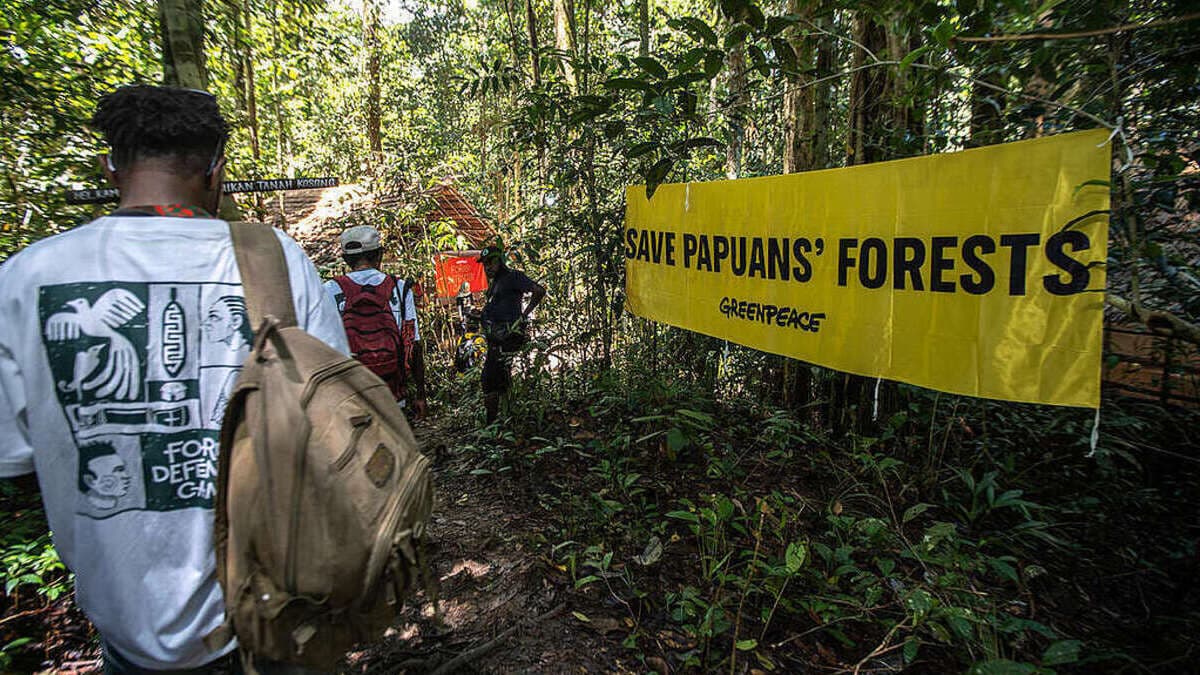
- Greenpeace’s Forest Defender Camp in Papua united Indigenous youth to strengthen forest protection and solidarity.
- Participants shared knowledge on customary stewardship amid growing pressure from extractive industries.
- The gathering took place as political calls to expand plantations in Papua raise deforestation concerns.
By returning to the forests of Papua in September 2025, Greenpeace sought to do more than document environmental destruction.
Through its second Forest Defender Camp (FDC), Greenpeace sought to stand alongside Indigenous communities whose lives are inseparable from Indonesia’s last major rainforest frontier, at a moment when those forests face intensifying political, commercial and legal pressure.
Held from 23 to 26 September in Kampung Manggroholo and Kampung Sira, South Sorong, the Forest Defender Camp 2025 brought together Indigenous youth from Papua with peers from the Congo Basin, the Amazon and Borneo.
Despite vast geographical distances, participants shared a common experience: forests are being lost not only to chainsaws and excavators, but also to policies and legal systems that marginalise the people who have protected them for generations.
“This is about all of us,” said Aditya Darmadi, a Greenpeace organiser responsible for FDC 2025.
“Greenpeace does not merely come to teach Indigenous Peoples, but also to learn from them.”
Papua’s last rainforest stronghold
Papua occupies a unique position in Indonesia’s environmental landscape.
It is home to the country’s largest remaining intact rainforests and more than 271 Indigenous groups.
These forests provide food, medicine, cultural identity and spiritual meaning, while also serving as a critical carbon sink in the global fight against climate change.
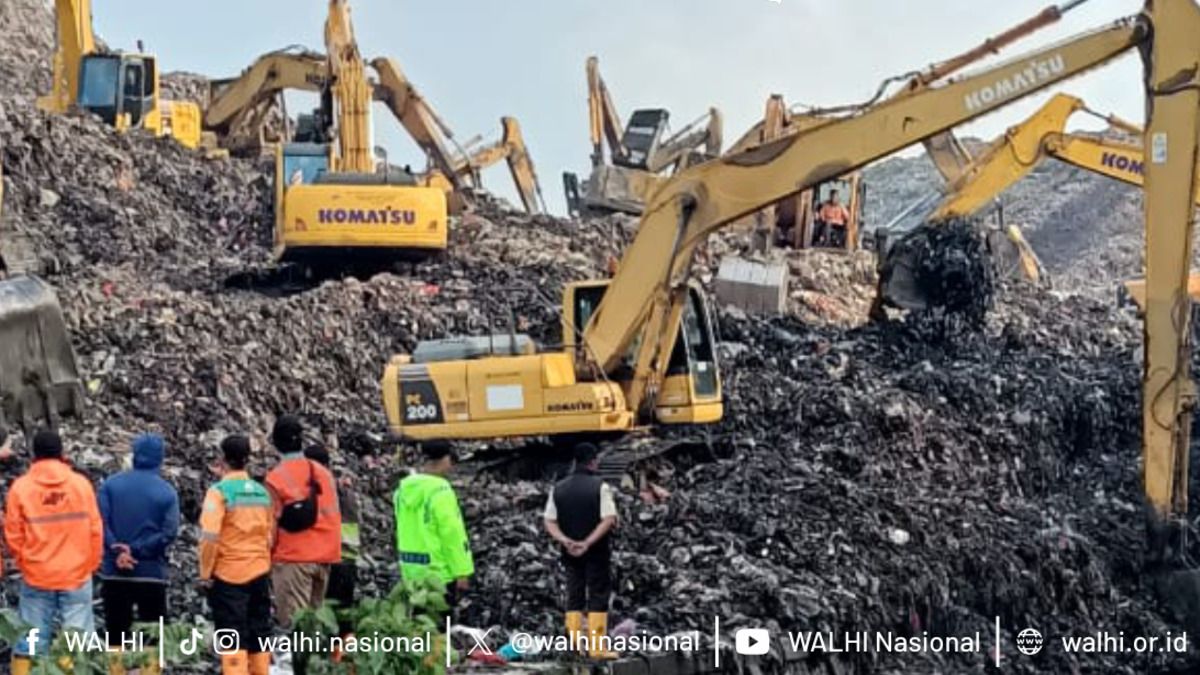
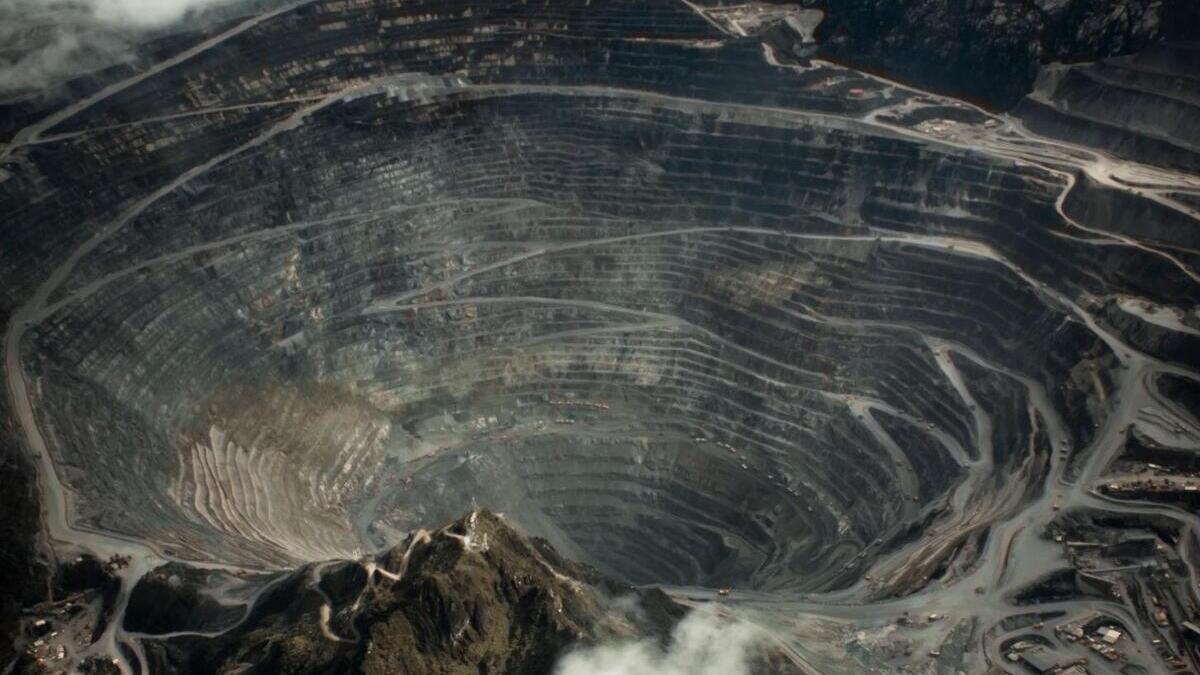
Yet Papua has increasingly become a target for plantations, mining and large-scale infrastructure projects.
Environmental organisations warn that this development model threatens not only biodiversity, but also Indigenous survival, as customary territories are often treated as idle land rather than living landscapes governed by customary law.
Kampung Sira and Manggroholo were chosen as the Forest Defender Camp site for both symbolic and practical reasons.
They are among the first villages in Papua to receive Village Forest Management Rights (HPHD), while the Knasaimos Indigenous community has secured formal recognition of 97,441 hectares of customary territory from the Regent of South Sorong.
For Greenpeace, these achievements demonstrate that Indigenous stewardship and legal recognition can coexist—when political will exists.
A journey into lived reality
Reaching the camp required a journey that underscored Papua’s remoteness from Indonesia’s political centre.
Around 40 Greenpeace staff from Jakarta and approximately 200 participants from Papua and overseas travelled overnight to Sorong, before continuing by road to Teminabuan and then on foot into the forest.
Darmadi recalled being struck by the sunrise over Raja Ampat during the journey. “It was incredibly beautiful,” he said.
“But it also reminded me of how much is now under threat.”
The campsite lay deep within dense rainforest, marked by humid air, damp soil and thick vegetation during the rainy season.
Participants slept in wooden huts, shared communal spaces and relied on nearby rivers for water.
Organisers said these conditions were central to understanding the realities of communities who defend forests not as an abstract environmental cause, but as a way of life.
Learning from forest guardians
Over four days, Indigenous elders and youth led discussions on customary law, forest ecology and cultural survival.
One session led by Arkilaus Kladit of the Knasaimos Indigenous Alliance Council focused on endemic plants and their medicinal and nutritional uses, illustrating how forest protection is inseparable from survival.
Local women from the Knasaimos community prepared papeda and other traditional foods for participants, reinforcing the deep connection between land, forest and culture.
Indigenous youth from Papua and abroad shared accounts of deforestation and land dispossession in their own regions, turning the camp into a forum for global solidarity.
“These are not isolated struggles,” Darmadi said.
“What we heard in Papua echoed stories from the Amazon and the Congo Basin.”
Listening as advocacy
Much of the most significant exchange took place outside formal sessions.
During breaks, participants spoke about conditions in their villages: forest clearance, broken promises, intimidation and the absence of meaningful consultation. Greenpeace documented these testimonies, treating them as information to be verified and followed up.
“This camp was extremely intensive and held in an environment unfamiliar to us,” Darmadi said. “But the enthusiasm was high. Indigenous youth actively sought us out to share their concerns, and we see that as a responsibility.”
It was within this context that discussions increasingly turned to a shared concern beyond deforestation itself: the criminalisation of Indigenous people who resist it.
Criminalisation of Indigenous forest defenders
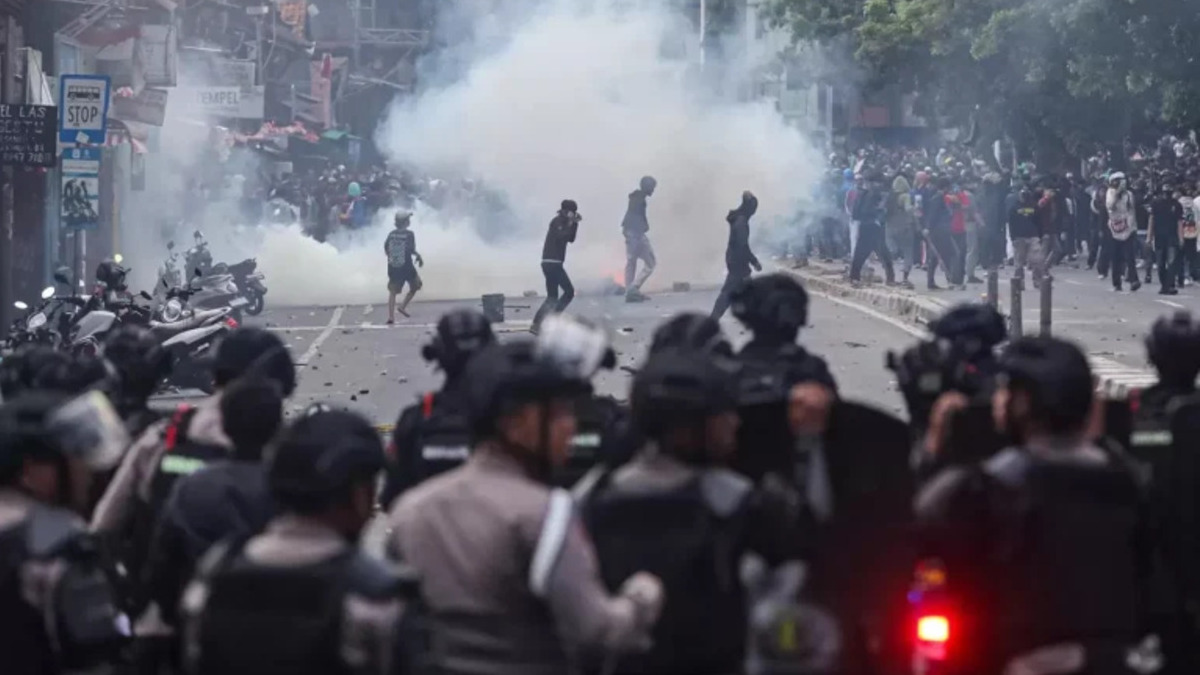
The calls emerging from the Forest Defender Camp are sharpened by a growing pattern of criminalisation faced by Indigenous communities across Indonesia when they attempt to defend customary land and forests from extractive projects. Environmental and Indigenous rights groups say criminal law is increasingly used as a tool of intimidation, even when communities act within their ancestral territories.
In North Sumatra, one such case unfolded in June 2025. On 21 June, employees and security personnel from PT Toba Pulp Lestari entered the customary territory of the Dolok Parmonangan Indigenous community in Simalungun Regency, forcibly planting eucalyptus trees and destroying crops that residents depend on for their livelihoods.
The incident occurred just one week after the Supreme Court acquitted Sorbatua Siallagan, a customary leader previously charged with obstructing company activities.
“This is not merely the destruction of our crops; it is an insult to the Supreme Court’s decision,” Sorbatua said at the time, warning that legal victories offer little protection when corporate interests continue to operate unchecked on the ground.
Further east, in North Maluku, criminalisation has taken a more overt legal form. On 16 October 2025, the Soasio District Court in Tidore Islands sentenced 11 members of the Maba Sangaji Indigenous community to five months and eight days’ imprisonment under Article 162 of the Mining Law. The defendants had opposed nickel mining by PT Position on land they say has been managed by their ancestors for centuries. Legal experts criticised the ruling as contradicting Constitutional Court decisions that affirm protection for environmental defenders, describing it as a strategic lawsuit against public participation (SLAPP).
Environmental organisations say such cases reveal a systemic failure to translate constitutional recognition of Indigenous rights into effective protection. Across Papua, Kalimantan and Sumatra, communities report being charged with trespassing or obstruction when they oppose plantations, logging or mining concessions.
Against this backdrop, Greenpeace says the Forest Defender Camp is not simply a cultural exchange, but a response to a structural problem—one in which forest defenders are treated as obstacles rather than rights holders.
From Sira to global forums
The camp concluded with the Sira Declaration, a collective call by Indigenous youth urging world leaders to safeguard forests as a frontline response to the climate crisis. The declaration positions Indigenous stewardship as central to climate justice.
One outcome of the gathering is the prospect of Indigenous representatives from Indonesia bringing their voices to the UN Climate Change Conference (COP30), ensuring that those who have protected forests with both knowledge and labour are represented in global decision-making forums.
A tense political backdrop
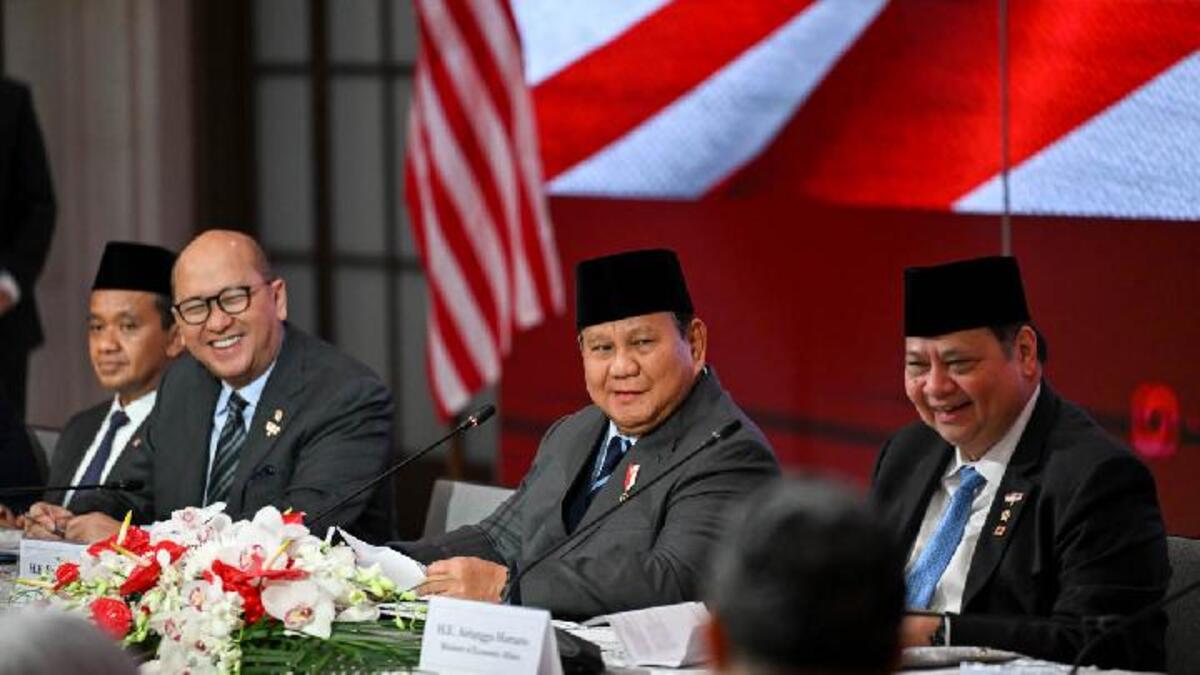
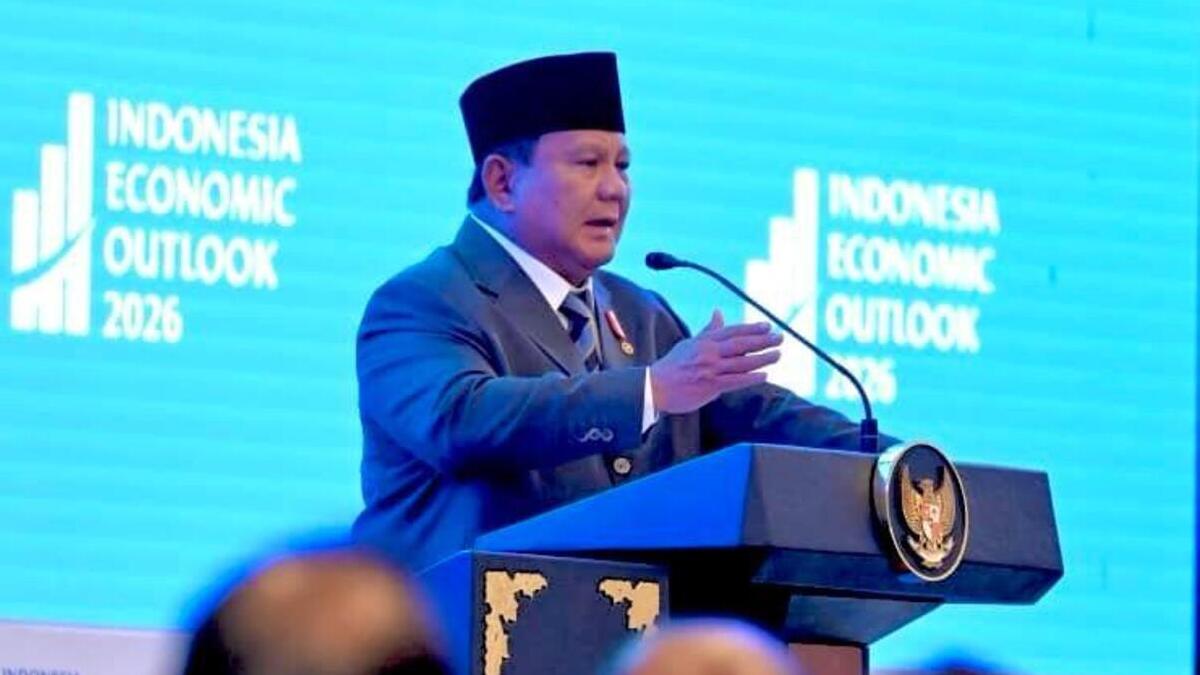
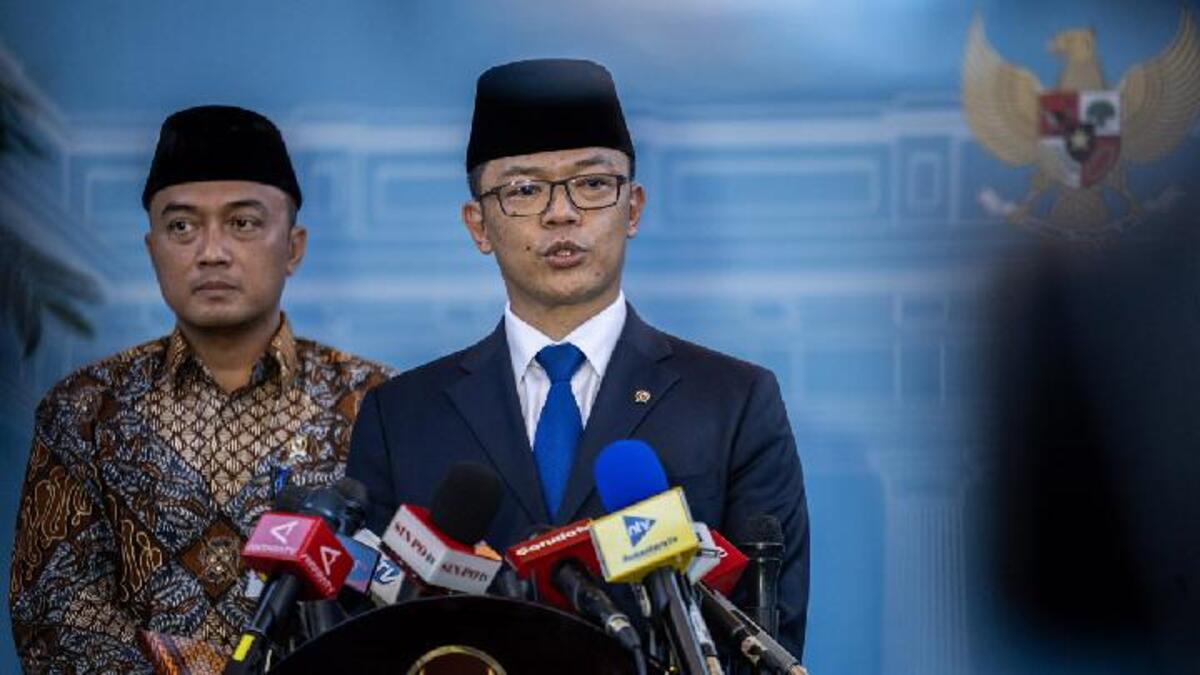
The urgency of these demands is heightened by national policy debates. In December 2025, Prabowo Subianto called for the expansion of oil palm cultivation in Papua to support biofuel production and national energy self-sufficiency. Environmental groups, including WALHI, warn that further plantation expansion could accelerate deforestation and deepen social inequality.
Civil society studies show that palm oil concessions already cover more than 1.5 million hectares in Papua, contributing to agrarian conflict and food insecurity. Critics argue that development framed as energy independence risks repeating patterns of land dispossession if Indigenous rights are not central to policy design.
“Governments should recognise and appreciate Indigenous Peoples as the front line of forest protection,” Aditya said. “They have safeguarded these ecosystems for generations, yet their voices are still sidelined.”