Indonesia clarifies limited use of flood-borne timber for rebuilding after Sumatra disasters
Indonesia’s Forestry Ministry says timber carried by floods may be used in a limited, non-commercial way for recovery, as debate grows over how disaster debris should be handled in Sumatra.
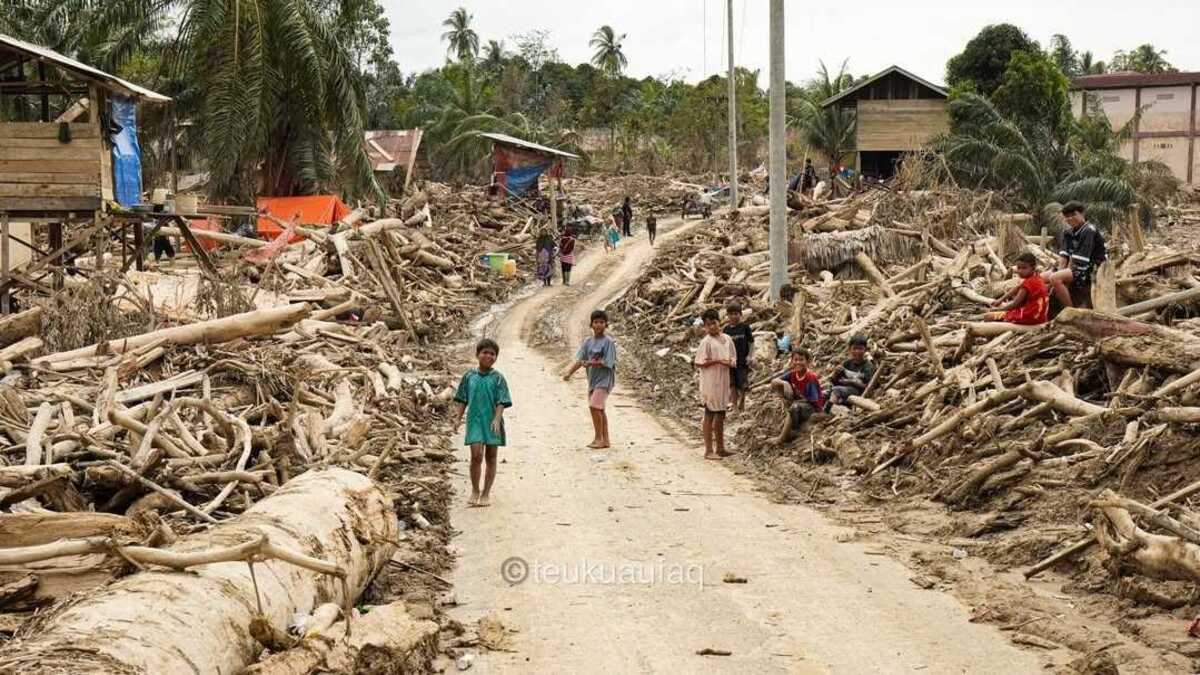
- The Ministry of Forestry says timber swept away by floods is classified as disaster-related waste requiring special handling.
- Communities may use driftwood on a limited, non-commercial basis for recovery, under coordination with local authorities.
- Conflicting statements from officials have fuelled confusion over whether survivors may use debris logs to rebuild.
Indonesia’s Ministry of Forestry has provided further clarification on the handling of timber swept away by floods and landslides in Aceh, North Sumatra and West Sumatra, amid growing public scrutiny of disaster response policies and disagreements over whether the material may be used by survivors to rebuild.
In a press statement issued on 22 December, the ministry said timber carried by floodwaters is categorised as “specific disaster-related waste” under Government Regulation No. 27 of 2020 and therefore requires special handling to protect public safety, health and the environment.
Limited humanitarian use allowed under strict conditions
Within a humanitarian framework, however, the ministry said communities may use such driftwood on a limited basis to support emergency response, rehabilitation and post-disaster reconstruction.
Krisdianto, head of the ministry’s Bureau of Public Relations and International Cooperation, said formal guidance had been sent to affected regional governments on 8 December through a letter from the Director General of Sustainable Forest Management.
The guidance stresses that any utilisation of flood-borne timber must be non-commercial, temporary and strictly linked to recovery needs.
“Driftwood carried by floods is regarded as specific disaster-related waste. Under certain conditions, this timber may be utilised in a limited manner by communities to rebuild homes, public facilities and basic infrastructure in disaster-affected areas,” Krisdianto said.
He explained that such timber may be treated as “found timber”, meaning its use must be reported to village authorities and coordinated with local governments to ensure transparency and accountability.
Concerns over illegal logging and misuse of timber
The ministry also cited Law No. 18 of 2013 on the Prevention and Eradication of Forest Destruction, emphasising that the policy should not be interpreted as permission to exploit forest resources or launder illegally sourced timber.
“This is not about opening opportunities for exploitation,” Krisdianto said. “It is a measured humanitarian response so that recovery can proceed while forest governance and legal certainty are maintained.”
The clarification comes as disaster response efforts across Sumatra remain under intense public scrutiny.
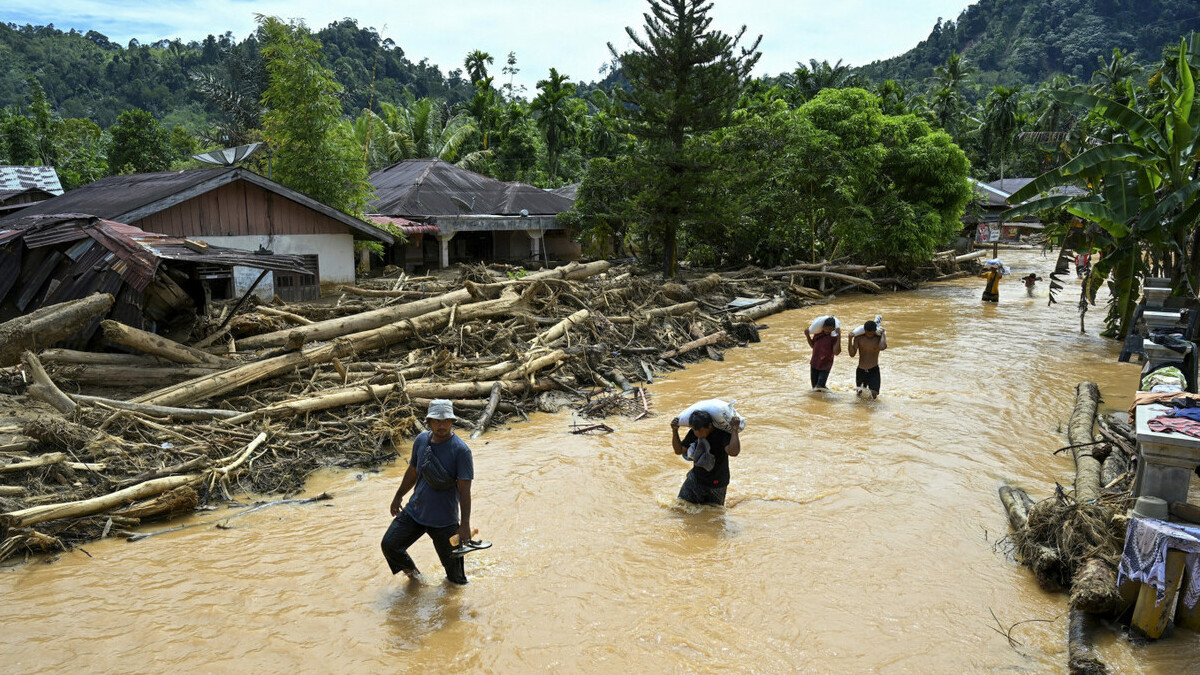
In addition to concerns over uneven aid distribution, statements by officials have sparked controversy, particularly regarding the clean-up and use of the vast volume of logs left behind by floods and landslides since late November.
One such statement came from Alex Indra Lukman, a member of the House of Representatives and deputy chair of Commission IV, who urged residents not to use flood debris logs to build houses.
His remarks, made to journalists on 17 December, drew criticism on social media from disaster survivors and activists who said communities were being discouraged from using the only materials available to them.
Alex argued that the utilisation of timber must not be carried out arbitrarily, even under emergency conditions. Referring to Law No. 18 of 2008 on Waste Management, he warned that residents were beginning to treat logs of various sizes and types as items of economic value, such as planks and other processed materials.
“This cannot be allowed to continue, because its handling must refer to Law No. 18 of 2008 on Waste Management,” he said, adding that debris management must remain under government supervision.
Confusion on the ground amid large-scale destruction
The differing positions have highlighted confusion on the ground over how disaster debris should be handled.
While some stakeholders have called for unrestricted use of felled timber given the scale of destruction and the urgency of rebuilding, others have insisted on strict ownership rules or formal coordination with authorities to prevent misuse.
The Forestry Ministry said its policy was intended to bridge those positions by allowing limited humanitarian use while maintaining oversight under existing forestry and waste regulations.
Officials said coordination with village administrations and local governments was key to ensuring that recovery efforts did not create new legal or environmental problems.
The debate is unfolding against the backdrop of one of Indonesia’s deadliest recent disaster sequences.
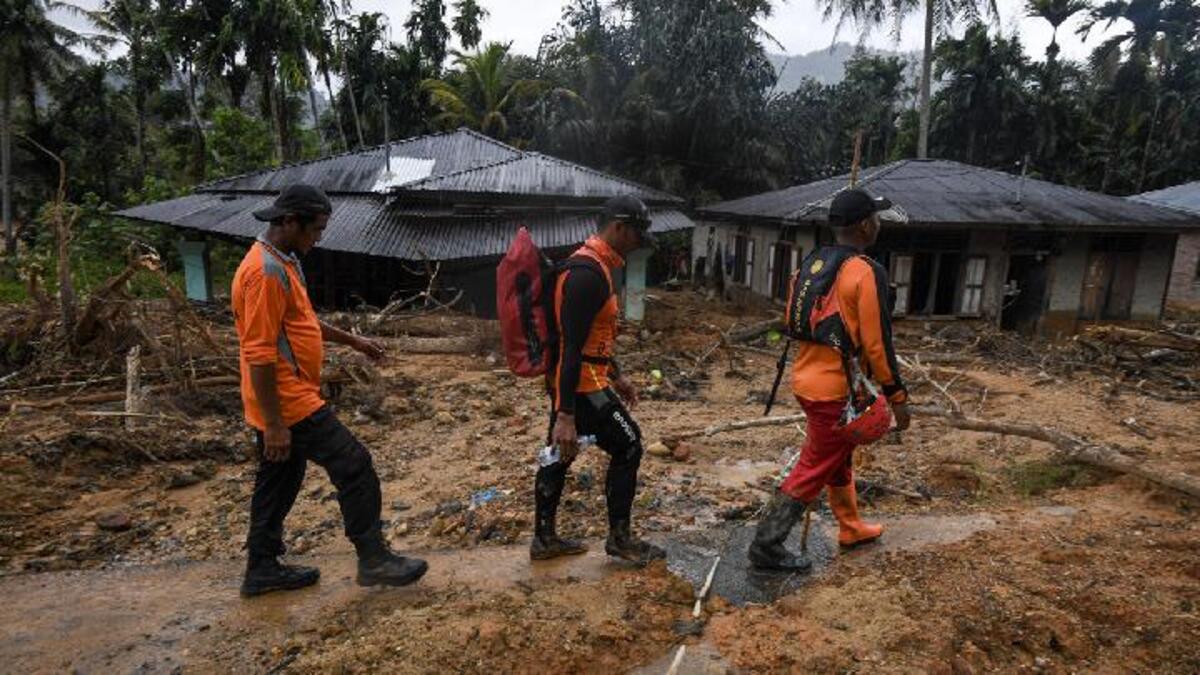
According to the National Disaster Management Agency, floods and landslides across Aceh, North Sumatra and West Sumatra have killed at least 1,112 people, with more than 300,000 displaced and extensive damage to homes, bridges and public facilities.