Indonesia floods death toll hits 1,112 as disease outbreaks spread among displaced people
Indonesia’s floods and landslides have killed more than 1,100 people across three provinces, displaced hundreds of thousands and triggered disease outbreaks, prompting civil society to call for a national disaster declaration.
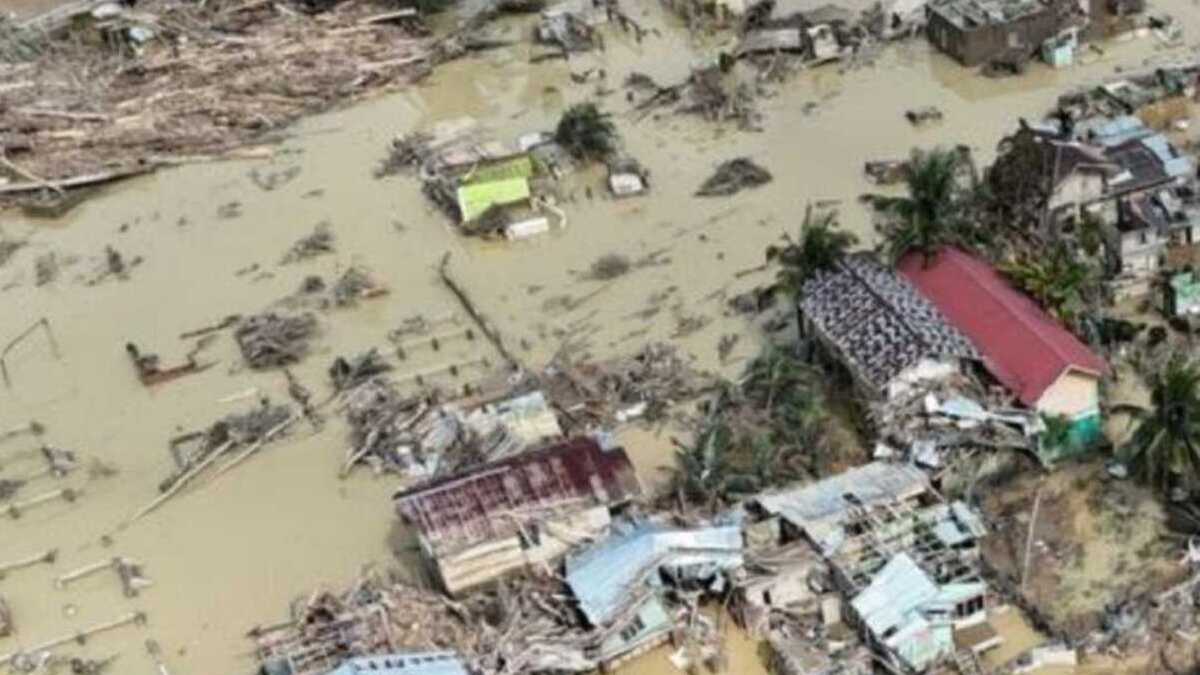
- Floods and landslides in Aceh, North Sumatra and West Sumatra have killed at least 1,112 people, with 176 still missing.
- More than 300,000 residents remain displaced, while disease outbreaks are spreading in evacuation centres.
- Civil society groups are urging the government to declare a national disaster, a call so far rejected by authorities.
The death toll from floods and landslides that have struck Aceh, North Sumatra and West Sumatra has climbed to 1,112 people, with at least 176 others still reported missing, according to the latest data from the National Disaster Management Agency (BNPB).
BNPB’s emergency response dashboard, released on Tuesday, also recorded around 7,000 injured victims across the three provinces.
More than 300,000 people remain displaced as authorities continue emergency response and recovery efforts following weeks of extreme weather.
The agency said the disasters damaged or destroyed 158,096 houses and affected 52 districts and cities.
Damage was also reported to 1,900 public facilities, including 200 health facilities, 875 schools and other educational buildings, 806 places of worship, 291 government offices and 734 bridges.
BNPB warned that casualty figures could still change as search, rescue and data verification continue in affected areas.
Government teams are currently working to reopen damaged roads, restore essential public facilities and construct temporary shelters for displaced residents. Debris clearance from flash floods and landslides is also ongoing in several districts.
Refugees hit by disease outbreaks
Meanwhile, the Ministry of Health of Indonesia reported that tens of thousands of displaced people are suffering from disease outbreaks in evacuation centres.
As of Tuesday, 35,957 refugees across the three provinces were affected by acute respiratory tract infections (ISPA).
Health ministry data showed 12,095 ISPA cases in Aceh, 15,682 in North Sumatra and 8,198 in West Sumatra. Ministry spokesperson Widyawati said her office had intensified monitoring and coordination with local health authorities.
“We are conducting investigations and providing a rapid response within 24 hours of detecting the signal,” she said.
In addition to respiratory infections, refugees are also experiencing skin diseases, influenza and diarrhoea.
Aceh recorded 10,022 cases of skin disease and 1,669 cases of influenza, while North Sumatra reported 12,693 skin disease cases and 2,424 cases of diarrhoea. In West Sumatra, authorities recorded 2,872 cases of skin disease and 445 cases of diarrhoea.
Widyawati said the ministry has distributed vitamin A to children affected by measles and ensured that evacuation centres are equipped with hygiene facilities.
Support has also been provided for clean water supply, waste management, disinfectants and protective equipment for health workers.
Provincial breakdown
According to BNPB data, Aceh has recorded the highest number of fatalities, with 483 people confirmed dead, 32 missing and around 4,300 injured across 18 districts and cities.
In North Sumatra, 369 people have died, 72 remain missing and about 2,300 have been injured, with 18 districts and cities affected.
West Sumatra has reported 260 deaths, 72 missing persons and 382 injured victims across 16 districts and cities.
Civil society urges national disaster declaration as casualties rise and local authorities struggle to cope
A petition launched by disaster information platform Infomitigasi.id is urging the Indonesian government to declare the floods and landslides in Aceh, North Sumatra and West Sumatra a national disaster, citing soaring casualties and overwhelmed local authorities.
Started on 5 December, the Change.org petition had gathered more than 3,400 signatures by 24 December, describing the crisis as one of the worst ecological disasters in decades and blaming long-term environmental degradation alongside extreme rainfall.
The petition calls for national disaster status to shift emergency command to the central government, enabling faster mobilisation of resources, access to state funds and the possibility of international assistance.
The demand is echoed by a coalition of 113 civil society groups, which argue that the scale of deaths, displacement and infrastructure damage meets legal and humanitarian thresholds.
The government has so far rejected the call, saying regional emergency status is sufficient, the disaster is limited to three provinces and a national declaration could carry economic and administrative risks.
Civil society groups, including WALHI and YLBHI, dispute this, warning of dire conditions in evacuation centres and widening vulnerabilities. For affected communities, marked by protests such as white flags raised along highways in Aceh, the issue is no longer procedural but urgent, with organisers stressing that delays are costing lives.