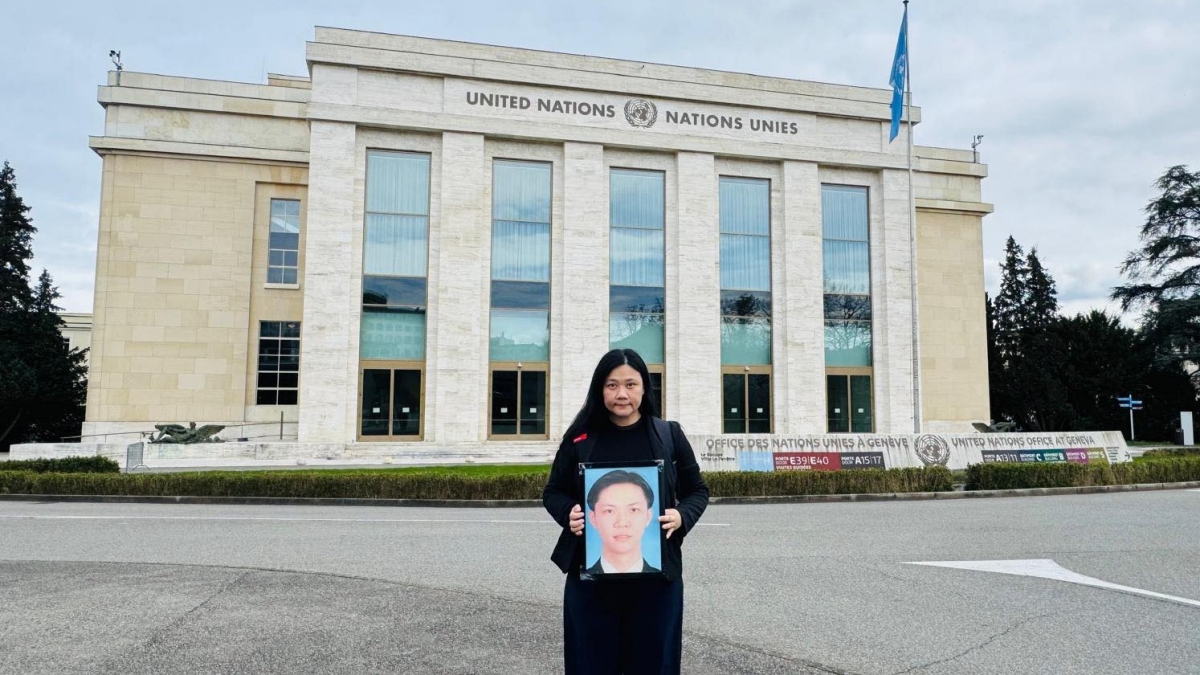
Indonesia lawyers blame forest permits for worsening floods and landslides in Sumatra
Environmental lawyers in Indonesia say government-issued forest permits have enabled large-scale deforestation that intensified deadly floods and landslides in Sumatra, calling for a moratorium on licences and greater accountability for officials.
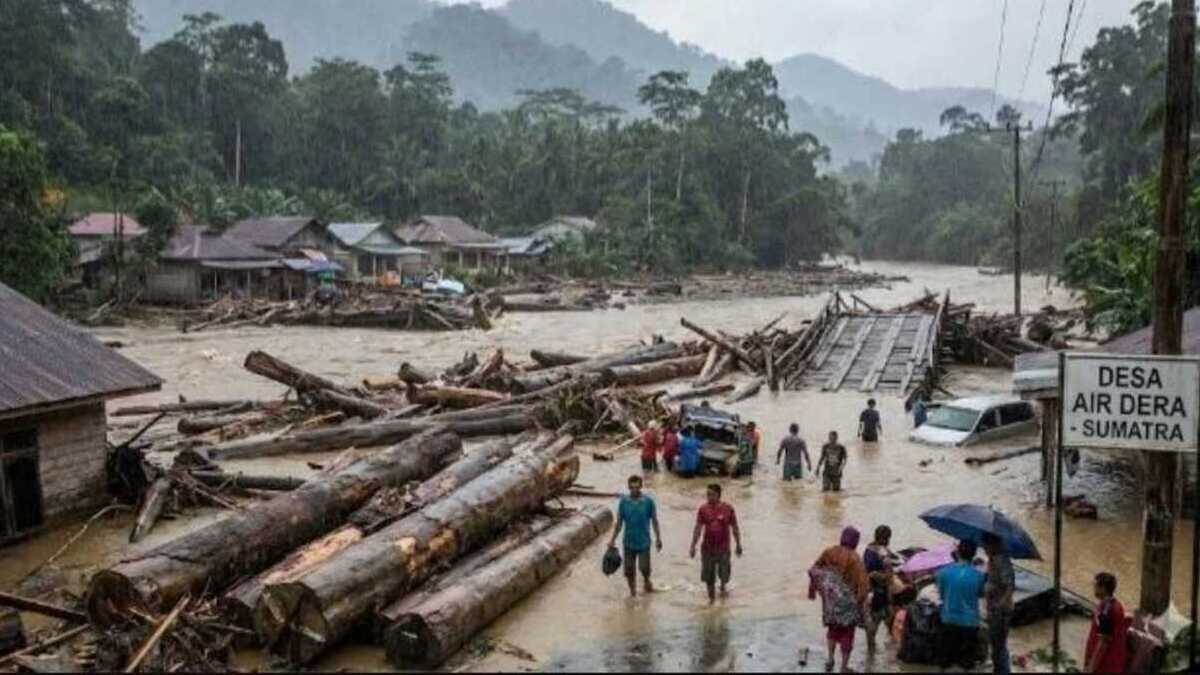
- Environmental lawyers say licensed deforestation, not only illegal logging, worsened deadly floods and landslides in Sumatra.
- PHLI accuses authorities of issuing forest permits despite weak oversight, increasing disaster risks for local communities.
- The group urges a moratorium on permits, licence reviews, and accountability for officials involved.
Environmental lawyers in Indonesia have accused the government of enabling large-scale forest destruction through state-issued permits, arguing that recent floods and landslides on the island of Sumatra were intensified not only by illegal logging but also by licensed deforestation.
The Indonesian Environmental Law Association (PHLI) said hydrometeorological disasters that struck the provinces of Aceh, North Sumatra and West Sumatra since late November cannot be separated from decades of forest exploitation.
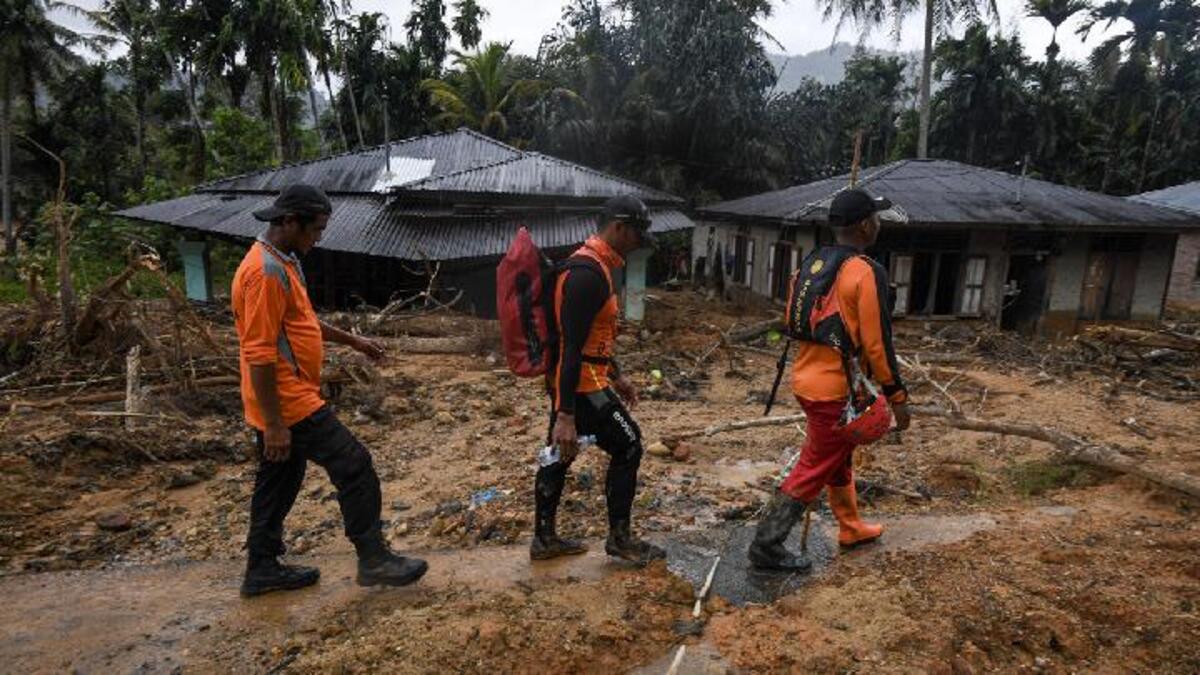
The disasters killed hundreds of people and displaced large numbers of residents, according to government data.
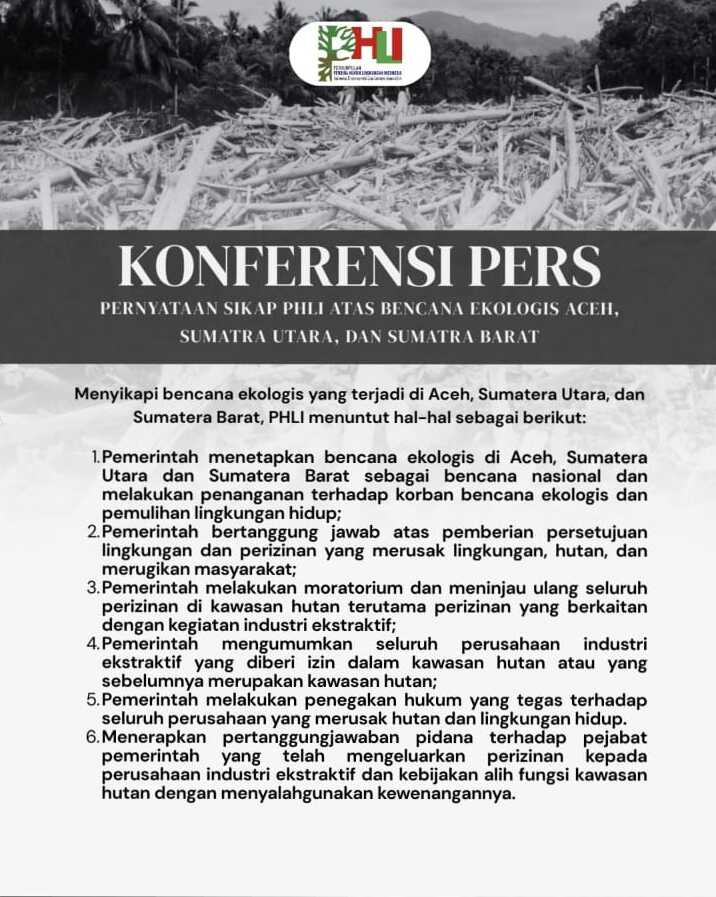
“The deforestation that triggered flash floods and landslides in Sumatra was not only caused by illegal logging, but also by legal logging based on permits,” PHLI representative Edra Satmaidi said during an online press conference on Monday, 22 December 2025.
Indonesia, home to the world’s third-largest tropical rainforest, has long struggled to balance economic development with environmental protection.
Successive governments have promoted extractive industries such as logging, mining and plantations as drivers of growth, particularly in forest-rich regions like Sumatra.
PHLI said both central and regional authorities continue to issue forest utilisation permits despite weak monitoring and enforcement, allowing extensive land clearance that increases the risk of flooding and landslides.
According to Edra, communities living near forest areas often bear the brunt of the damage, while their rights are frequently overlooked. “The sale of these permits disregards environmental conservation and sustainability,” said Edra, a lecturer at the University of Bengkulu’s Faculty of Law.
In a formal statement, PHLI urged the government to declare the ecological disasters in Sumatra a national disaster, impose a moratorium on forest permits, and review all licences linked to extractive industries.
The group also called for the public disclosure of companies operating in forest areas, tougher enforcement against environmental violations, and criminal accountability for officials who misuse their authority in granting permits.
The criticism comes as the government plans to revoke at least 22 problematic Forest Product Processing Business Permits nationwide, covering an estimated 1.01 million hectares. More than 10 per cent of the affected land is located in Sumatra.
PHLI welcomed the move but warned that revoking permits alone would not address the underlying policy failures.
“Law enforcement does not erase the government’s responsibility for deforestation that has already occurred,” Edra said.
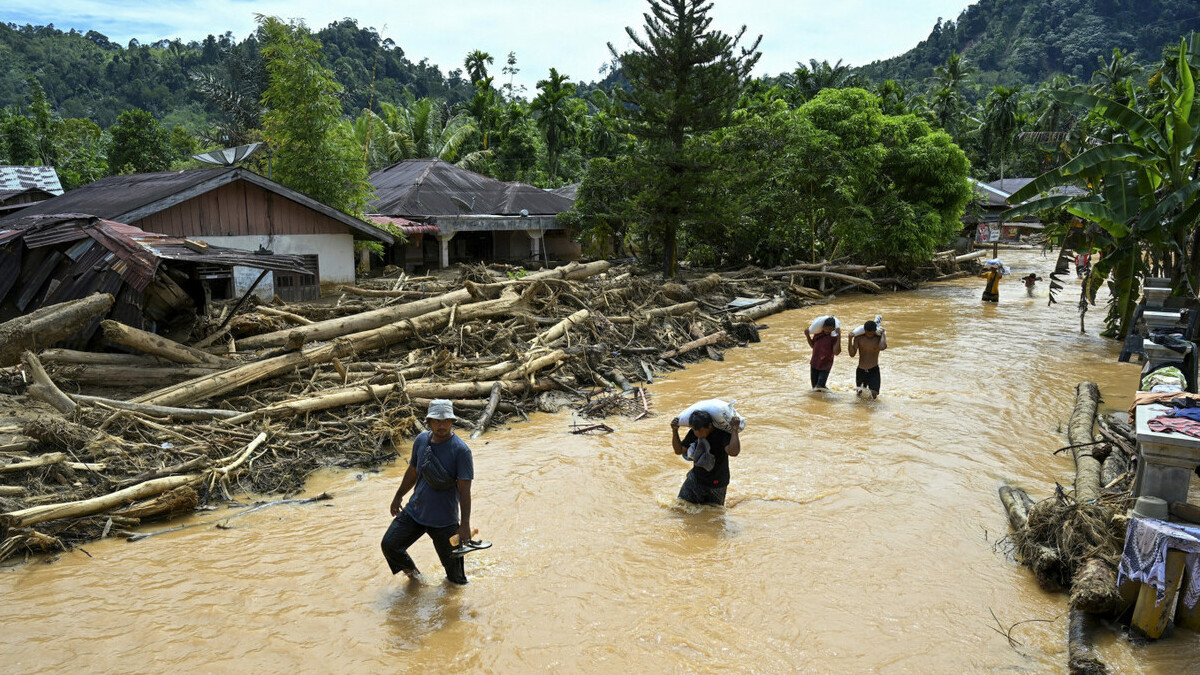
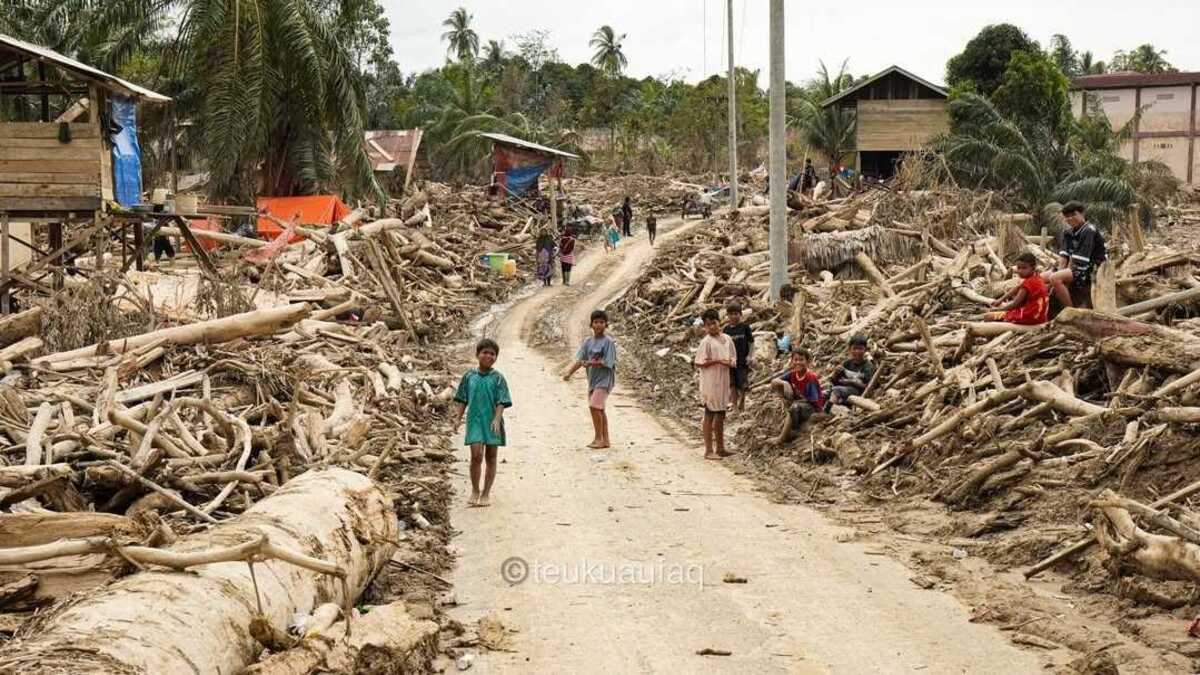
Floods and landslides have hit wide areas of Sumatra since late November 2025.
While the disasters were triggered by Tropical Cyclone Senyar, environmental groups say forest degradation amplified the storm’s impact by reducing the land’s ability to absorb heavy rainfall.
Local investigations have strengthened these concerns. In Aceh, activists from Apel Green Aceh reported finding piles of freshly cut logs near protected forest areas shortly before flash floods struck Beutong Ateuh on 26 November.
The location connects two globally significant forest landscapes: the Leuser Ecosystem and Ulu Masen, both known for their rich biodiversity.
Data from the local environmental group Hutan Alam dan Lingkungan Aceh (HAkA) shows the district lost more than 5,100 hectares of forest cover between 2018 and 2024, with the sharpest decline recorded last year.
Forest Watch Indonesia said the disaster reflects long-term environmental degradation across Sumatra.
“The government continues to blame past damage instead of improving current environmental conditions,” its executive director, Mufti Barri, said in a statement earlier this month.
According to the organisation, Aceh alone has lost around 177,000 hectares of forest over the past seven years.
Indonesia is among the countries most vulnerable to climate-related disasters, with scientists warning that deforestation, combined with intensifying extreme weather linked to climate change, is increasing the frequency and severity of floods and landslides across Southeast Asia.