Papuan rights groups accuse Prabowo of risking gross human rights violations over palm oil plan
Papuan human rights groups have accused President Prabowo Subianto of pursuing plantation policies that could trigger gross human rights violations, following his directive to expand oil palm cultivation across Papua.

- Papuan legal aid and human rights groups accuse President Prabowo Subianto’s plantation expansion plan of risking gross human rights violations.
- The coalition argues oil palm development in Papua violates constitutional protections for Indigenous peoples and customary land rights.
- It urges a halt to expansion plans and calls on Komnas HAM to investigate potential violations, including alleged elements of genocide.
INDONESIA: A coalition of Papuan legal aid groups and human rights organisations has accused Indonesian President Prabowo Subianto of pursuing policies that could lead to gross human rights violations, including alleged acts of genocide, following his directive to expand oil palm cultivation across Papua.
In a press release issued on 19 December 2025, the Papua Coalition for Law Enforcement and Human Rights said the president’s call for large-scale oil palm, sugarcane and cassava plantations violated the constitutional and human rights of Indigenous Papuan peoples, particularly their customary land rights.
The coalition was responding to statements made by Prabowo during a Papua Development Acceleration Meeting at the State Palace in Jakarta on 16 December, attended by Papuan governors, regents and cabinet ministers.
Prabowo links plantation expansion to energy self-sufficiency goals
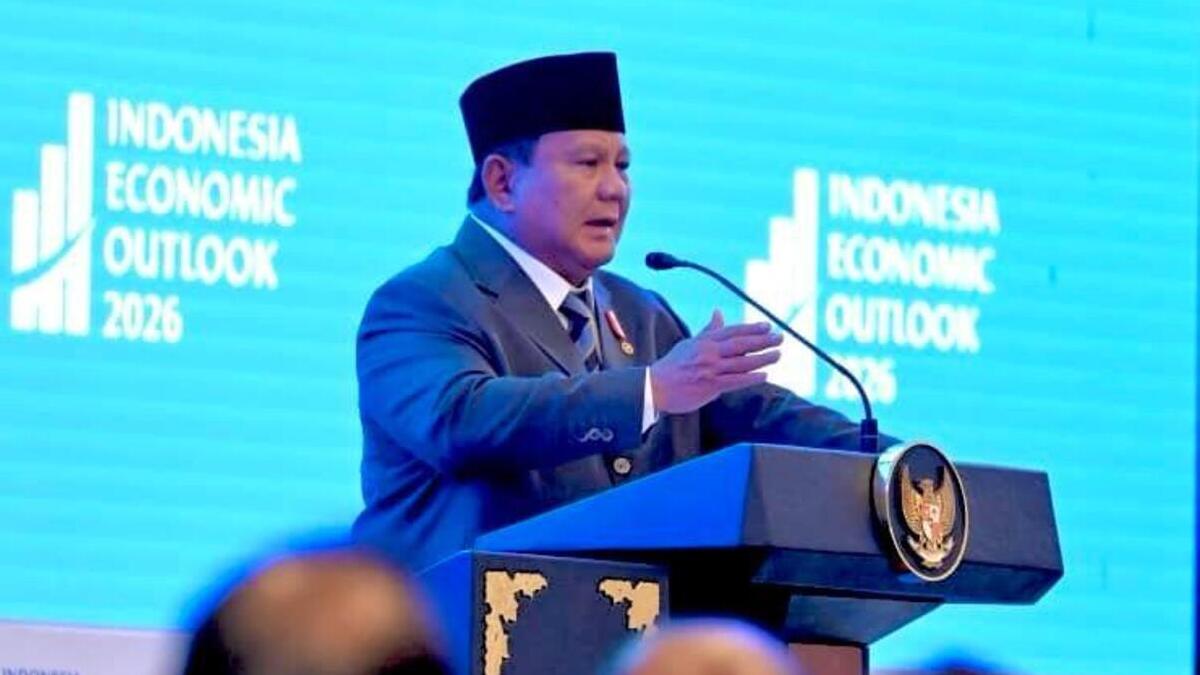
At the meeting, Prabowo said Papua should be planted with oil palm to support Indonesia’s push for energy self-sufficiency through biofuels, alongside ethanol production from sugarcane and cassava.
“Going forward, we hope that oil palms will be planted in Papua so that it can produce fuel from palm oil,” Prabowo said at the time, adding that the use of solar and hydropower should also be optimised so regions could become energy independent without relying on fuel shipped from elsewhere.
However, the coalition argued that the directive disregarded Indonesia’s status as a state governed by the rule of law and ignored constitutional protections afforded to Indigenous communities.
Legal protections cited for Indigenous Papuan communities
It cited Article 18B(2) of the 1945 Constitution, which recognises and respects customary law communities and their traditional rights, as well as Article 28I(3), which guarantees the protection of cultural identity and Indigenous rights.
The coalition also pointed to Law No. 39 of 1999 on Human Rights and Papua’s Special Autonomy framework, particularly Law No. 2 of 2021, which obliges governors, regents and mayors to recognise, protect and empower Indigenous peoples, including safeguarding customary land (hak ulayat).
According to the coalition, regional leaders who implement the president’s directive without securing the free, prior and informed consent of Indigenous communities would be acting in violation of the law.
It warned that plantation expansion could strip Indigenous Papuans of a wide range of rights, including rights to customary forests, natural resources, cultural and spiritual practices, a healthy environment and traditional governance systems, as set out in Papua Provincial Regulation No. 5 of 2022.
“If Papua is converted into ‘state land’ while Indigenous Papuan peoples and their descendants are left without their ancestral rights, the elements of a gross human rights violation in the form of genocide are fulfilled,” the coalition said.
Warning of potential gross human rights violations
It referred to Law No. 26 of 2000 on Human Rights Courts, which defines genocide as acts committed with intent to destroy, in whole or in part, a national, racial or ethnic group by creating conditions of life calculated to bring about its physical destruction.
On this basis, the coalition urged Prabowo and his cabinet to immediately halt plans for oil palm expansion in Papua and called on Komnas HAM to monitor and investigate what it described as the risk of gross human rights violations.
It also appealed to Papuan regional leaders to disregard presidential directives that contradict the constitution and human rights law.
Broader environmental and social concerns in Papua
The warning comes amid broader concerns from environmental and Indigenous rights groups about the social and ecological costs of plantation expansion in Papua.
Studies have shown that palm oil development has already driven deforestation, agrarian conflict and food insecurity in the region, where dozens of companies hold licences covering more than 1.5 million hectares.
The coalition said further expansion would deepen these impacts, threatening the survival, culture and livelihoods of Indigenous Papuan peoples under the banner of national energy policy.