Indonesia faces renewed energy transition test ahead of 2026, says IEEFA
Indonesia’s heavy reliance on coal and delayed renewable reforms risk undermining energy affordability and competitiveness, according to an IEEFA commentary assessing the country’s energy transition outlook ahead of 2026.
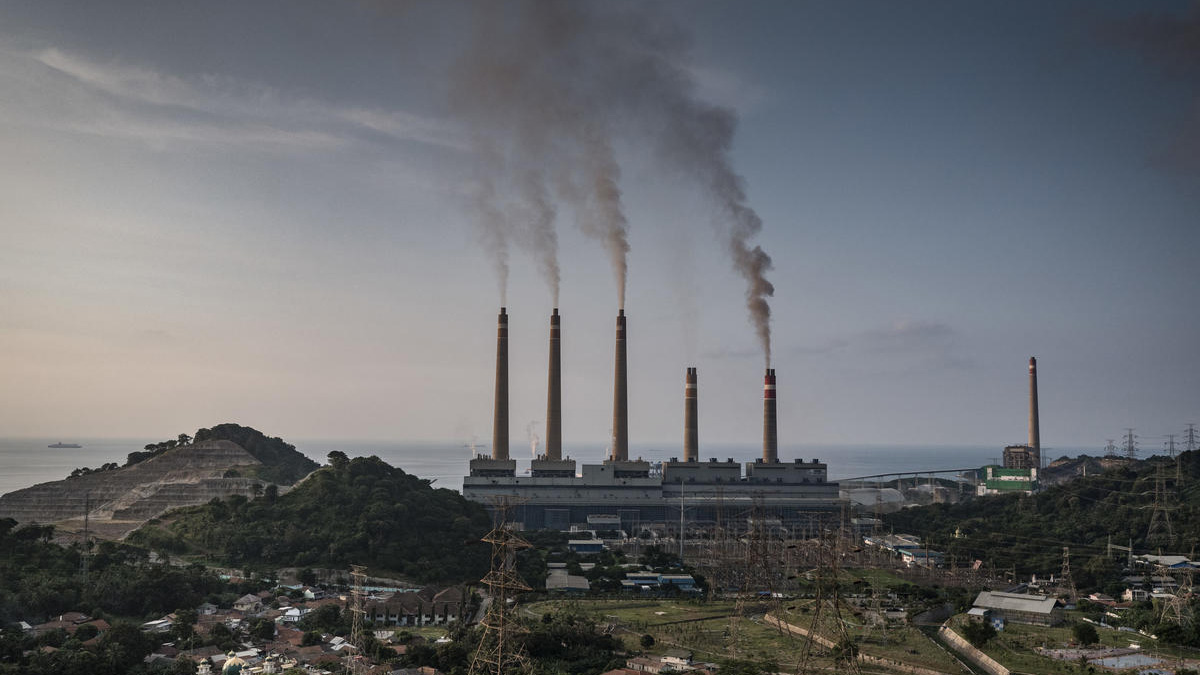
- Indonesia remains heavily dependent on coal, supplying about 68% of electricity, creating fiscal and market risks.
- Renewable energy targets have slipped, with structural barriers slowing investment and grid integration.
- IEEFA says reforms in procurement, grid access, and planning are critical before 2026.
Indonesia remains at a critical juncture in its energy transition, with long-standing dependence on coal increasingly exposing the economy to fiscal strain and volatile global markets, according to a new commentary by the Institute for Energy Economics and Financial Analysis (IEEFA).
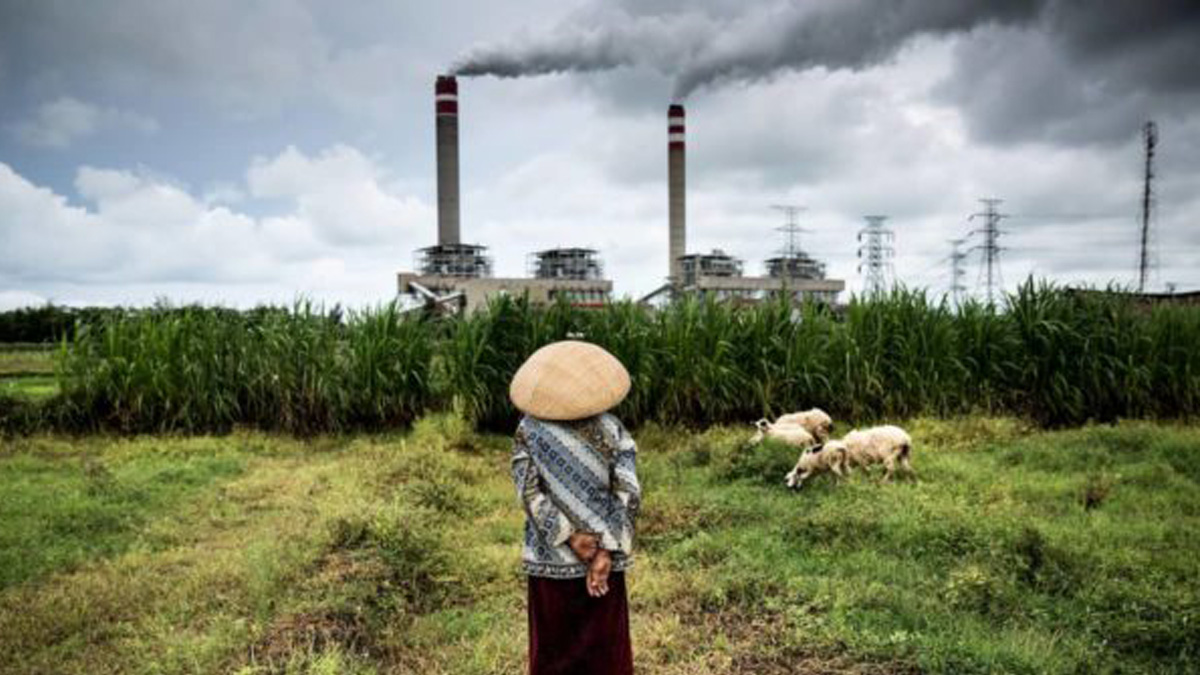
The analysis, written by Mutya Yustika and Randi Bachtiar, describes an energy system still shaped by coal, which supplies around 68% of electricity nationwide. This dominance has historically supported industrial growth and power affordability.
However, the authors argue that the same reliance now presents mounting risks. Exposure to fluctuating fuel prices, unstable coal markets, and rising subsidy costs is placing pressure on public finances and long-term planning.
Indonesia had set an ambitious goal of achieving a 23% renewable energy share in its power mix by 2025. By the first half of the year, renewables accounted for only 16%, prompting the government to shift the target to 2030.
According to IEEFA, the delay highlights deep-rooted challenges in project planning, procurement frameworks, and system integration. These structural issues, the authors say, cannot be solved without targeted and coordinated reform.
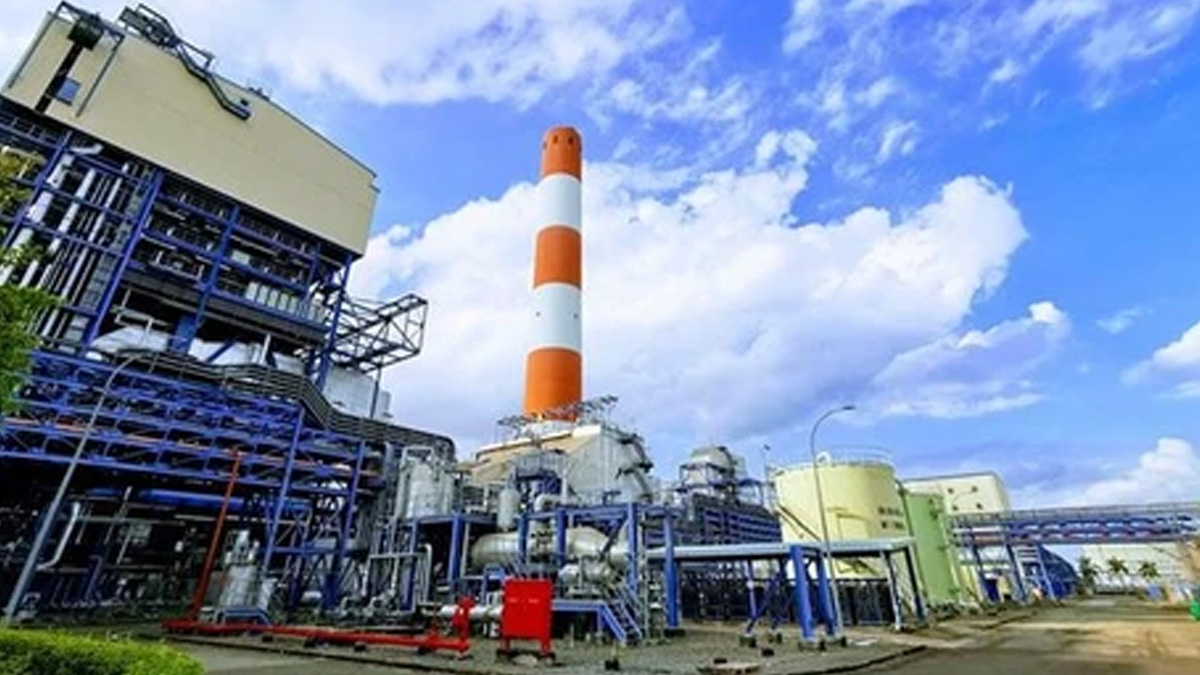
The commentary points to the recent cancellation of the early retirement of the Cirebon-1 coal-fired power plant as a clear example of misalignment between near-term energy security concerns and longer-term climate and economic goals.
While delaying coal retirements may preserve short-term capacity, IEEFA warns it risks locking Indonesia into an increasingly expensive and outdated generation model as global energy systems move in a different direction.
System-wide financial pressures are already emerging. The Java–Bali grid is oversupplied, forcing coal plants to operate at lower capacity factors while long-term contractual obligations remain unchanged.
Fixed payments under power purchase agreements continue to weigh on PT Perusahaan Listrik Negara (PLN). As demand growth moderates, these take-or-pay commitments risk inflating system costs.
IEEFA cautions that such pressures could translate into higher electricity tariffs or greater reliance on government subsidies, undermining affordability and fiscal sustainability over time.
Globally, the commentary notes, policy and investment signals are shifting rapidly in favour of clean energy. Volatile fossil fuel prices have reinforced the appeal of renewables as a source of long-term price stability.
Clean energy equity markets reflected this trend in 2025, with strong gains in companies across the United States, China, and Europe. The authors argue these movements reflect structural demand, not short-term speculation.
Longer-term demand dynamics are also changing. Electricity consumption from data centres, driven increasingly by artificial intelligence workloads, is expected to grow sharply through 2026 and beyond.
S&P Global Energy Horizons estimates global data centre electricity demand could rise by about 17% by 2026 and continue expanding through the end of the decade, exceeding 2,200 terawatt-hours.
These trends matter directly for Indonesia. Domestic data centre capacity is projected to more than double by 2030, significantly increasing demand for clean, reliable, and cost-predictable power supplies.
For multinational firms, access to renewable electricity is increasingly linked to climate risk management, financing conditions, and corporate decarbonisation commitments.
IEEFA warns that without scalable and bankable renewable procurement pathways, Indonesia risks losing high-value industrial and digital investment to regional competitors.
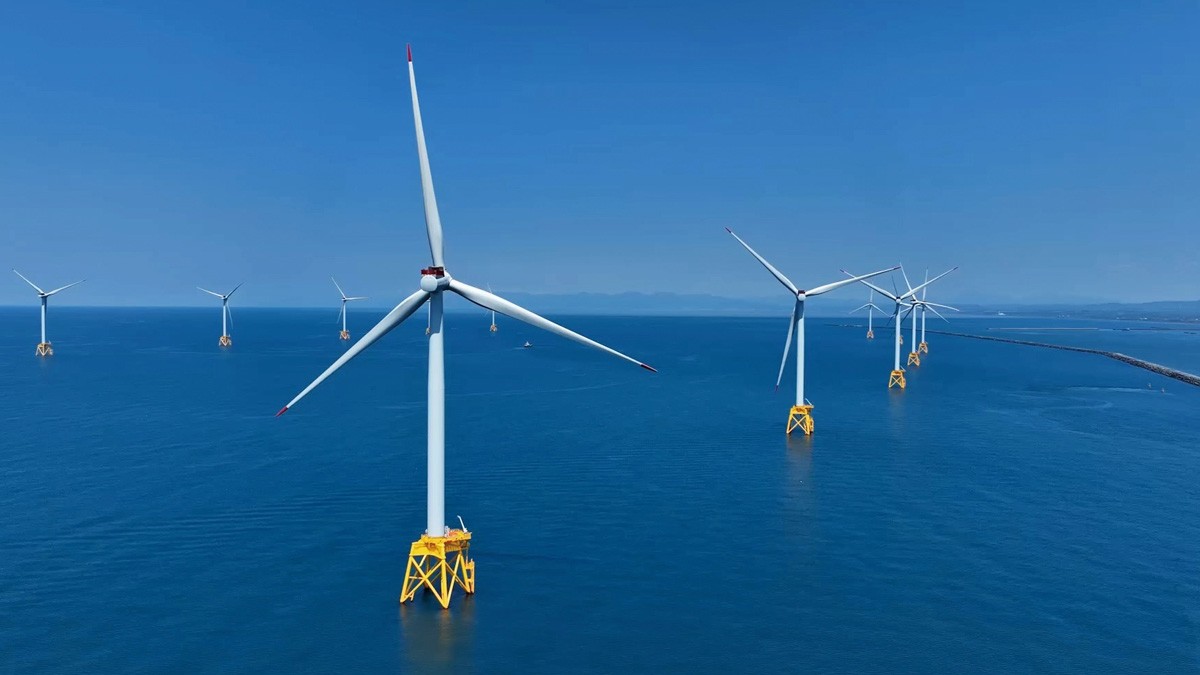
The country, however, has significant untapped renewable resources. Solar potential is widespread across the archipelago, geothermal reserves are among the world’s largest, and wind corridors remain underdeveloped.
A rapid expansion of renewables is seen as essential to meeting electricity planning targets and achieving the 2060 net-zero goal, in line with the long-term development vision of President Prabowo Subianto.
Renewables are increasingly cheaper than new fossil fuel generation, offering opportunities to reduce system costs while supporting green manufacturing and job creation.
The commentary cites research from the World Resources Institute showing that every US$1 billion invested in renewables could generate US$1.41 billion in total economic output.
Despite this potential, barriers remain entrenched. Slow progress in private-sector renewable procurement, grid constraints, and geographic mismatches between resources and demand centres continue to deter investors.
IEEFA identifies joint transmission network utilisation, or power wheeling, as a critical reform to unlock renewable investment. This mechanism would allow multiple users to access transmission infrastructure.
Neighbouring countries have already advanced similar frameworks. Vietnam and Malaysia have introduced direct power purchase schemes, while Thailand is progressing toward open-access transmission models.
Although power wheeling has been referenced in Indonesian regulations since 2015, the commentary notes that implementation has yet to materialise, creating uncertainty for investors.
Looking ahead, IEEFA argues that 2026 will be pivotal. Improving renewable bankability, accelerating procurement, reforming grid access, and aligning power planning with industrial demand are identified as priority actions.
Decisions taken over the next year will determine whether Indonesia can reduce long-term system costs, attract private capital, and strengthen its regional competitiveness in an increasingly clean-energy-driven economy.