Indonesia journalists warn calls to soften disaster coverage threaten press freedom amid deadly Sumatra floods
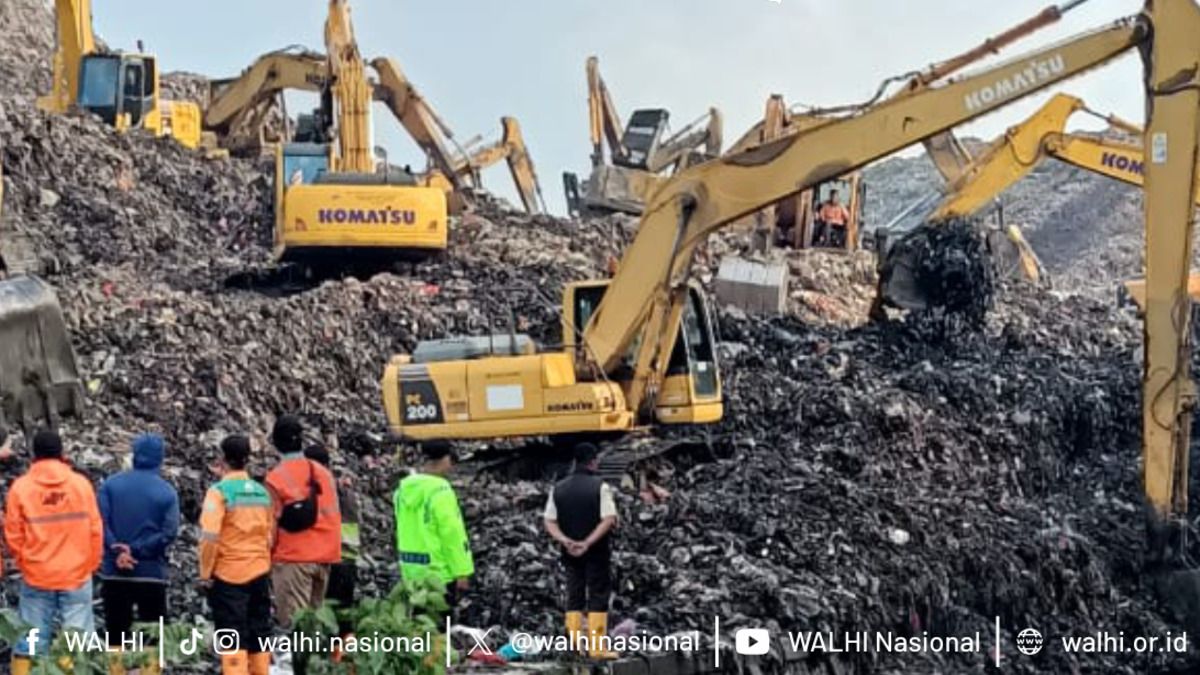
Indonesia’s journalists’ association has warned that calls for “positive” disaster coverage risk undermining press freedom and public safety amid the deadly Sumatra floods and landslides.
- The Alliance of Independent Journalists has warned of growing pressure on media to avoid critical reporting during Sumatra’s flood and landslide crisis.
- Senior military and government officials have urged journalists to focus on positive narratives and not expose state shortcomings.
- Press freedom groups say such rhetoric risks censorship, self-censorship and public harm during emergencies.
Indonesia’s leading journalists’ association has raised alarm over what it describes as growing pressure on the media to soften or avoid critical reporting during the deadly floods and landslides that have devastated parts of Sumatra, warning that such rhetoric threatens press freedom and public safety.
In a press release issued on 22 December 2025, the Alliance of Independent Journalists (AJI) criticised recent statements by senior military and government figures that urged journalists to refrain from highlighting shortcomings in the state’s disaster response in Aceh, North Sumatra and West Sumatra.
The concern centres on remarks made on 19 December by Army Chief of Staff General Maruli Simanjuntak, who asked the media not to expose weaknesses in government handling of the disaster.
"If there are shortcomings, there are bound to be many shortcomings. Please inform us of these shortcomings, do not expose them through the media," said General Maruli at Halim Perdanakusuma Air Base, East Jakarta, Friday, 19 December 2025, as quoted by Tempo.
Military and government remarks spark criticism
On the same day, Cabinet Secretary Teddy Indra Wijaya urged journalists to focus on “positive” narratives and avoid giving the impression that officials were failing to act.
His remarks were broadcast on the YouTube channel of the National Disaster Management Agency (BNPB), which is coordinating the emergency response.
Calls for “positive” coverage seen as limiting scrutiny
AJI said the statements, while framed as calls for unity and stability, effectively place pressure on journalists to limit scrutiny at a time when independent information is most needed.
“In disaster situations, the media’s watchdog role becomes even more critical,” the organisation said, stressing that reporting government efforts does not preclude exposing failures, delays or policy gaps.
According to AJI, attempts to control narratives in disaster zones often begin with appeals to prevent panic or protect victims, but can quickly slide into censorship.
Restrictions on access, intimidation of reporters or labelling critical coverage as “negative news”, it warned, risk obscuring realities such as slow aid delivery, unequal distribution of assistance and unaddressed mitigation failures.
The journalists’ group also highlighted the danger of self-censorship, saying such official remarks can have a chilling effect in newsrooms.
Risk of censorship and self-censorship in newsrooms
AJI noted that an ongoing internal study has found rising levels of self-censorship in Indonesian media, with journalists increasingly reluctant to publish critical reports involving security forces or senior officials.
“This kind of indirect pressure does not always take the form of outright bans,” AJI said.
“It works by creating fear and uncertainty, leading journalists and editors to silence themselves.” If allowed to continue, the group warned, this trend could push Indonesia back towards practices reminiscent of its authoritarian past.
AJI emphasised that Indonesia’s 1999 Press Law guarantees press freedom and explicitly protects journalists from censorship, bans and intimidation.
The law assigns the media a role not only in informing the public, but also in exercising social control and educating society — functions that remain essential during emergencies.
Journalists, AJI said, operate through verification, confirmation and repeated checks in the field.
Far from worsening crises, accurate and critical reporting helps combat disinformation, mobilise public support and ensure aid reaches those most in need.
AJI urges apologies and stronger protections for reporters
In its statement, AJI urged General Simanjuntak and Cabinet Secretary Wijaya to retract their remarks and issue public apologies.
It also called on the government to guarantee full access and security for journalists covering disaster areas in Sumatra, and asked the Press Council to actively defend media workers from threats or intimidation.
Media owners and editors-in-chief were urged to protect editorial independence and side with the public interest.
The warning comes amid broader concern from press freedom advocates.
The Journalists Safety Committee (KKJ), a coalition of media and civil society groups, has previously accused authorities of imposing emergency-style restrictions on disaster reporting, citing incidents of intimidation, content removal and alleged interference with live broadcasts that showed ongoing suffering among flood survivors.
“Disasters do not end when coverage fades,” AJI said.
“When reporting that reflects the voices and hardships of victims is restricted, it is not only press freedom that is harmed, but the right of the public — and survivors themselves — to be heard.”