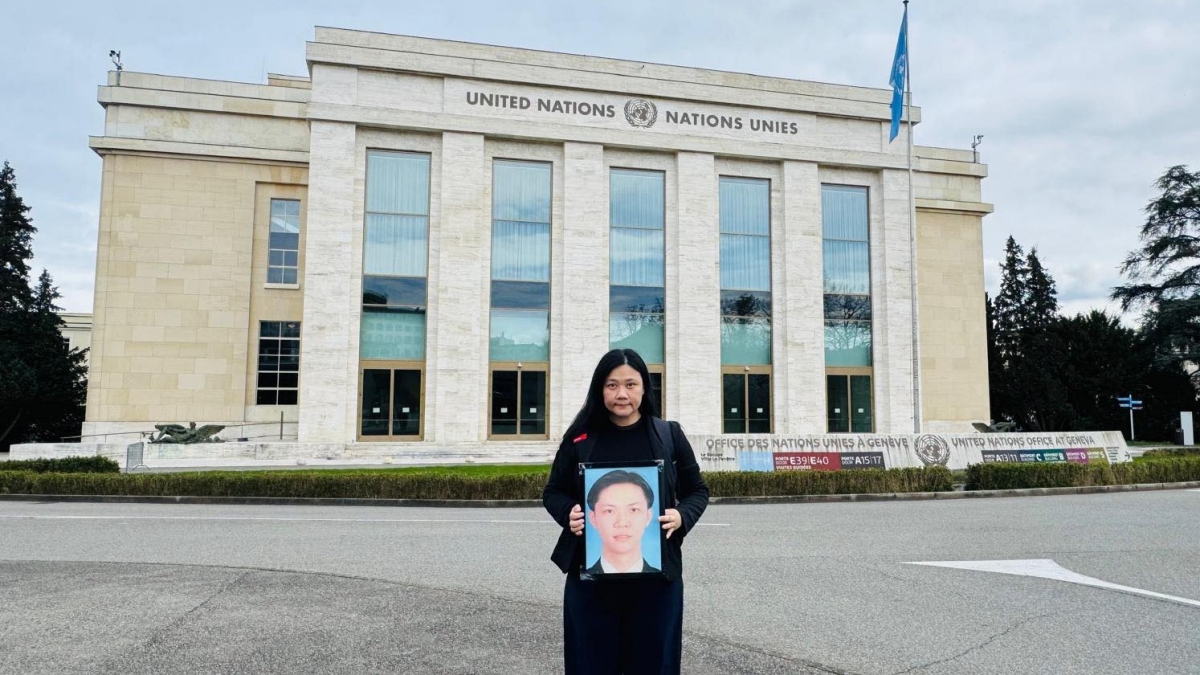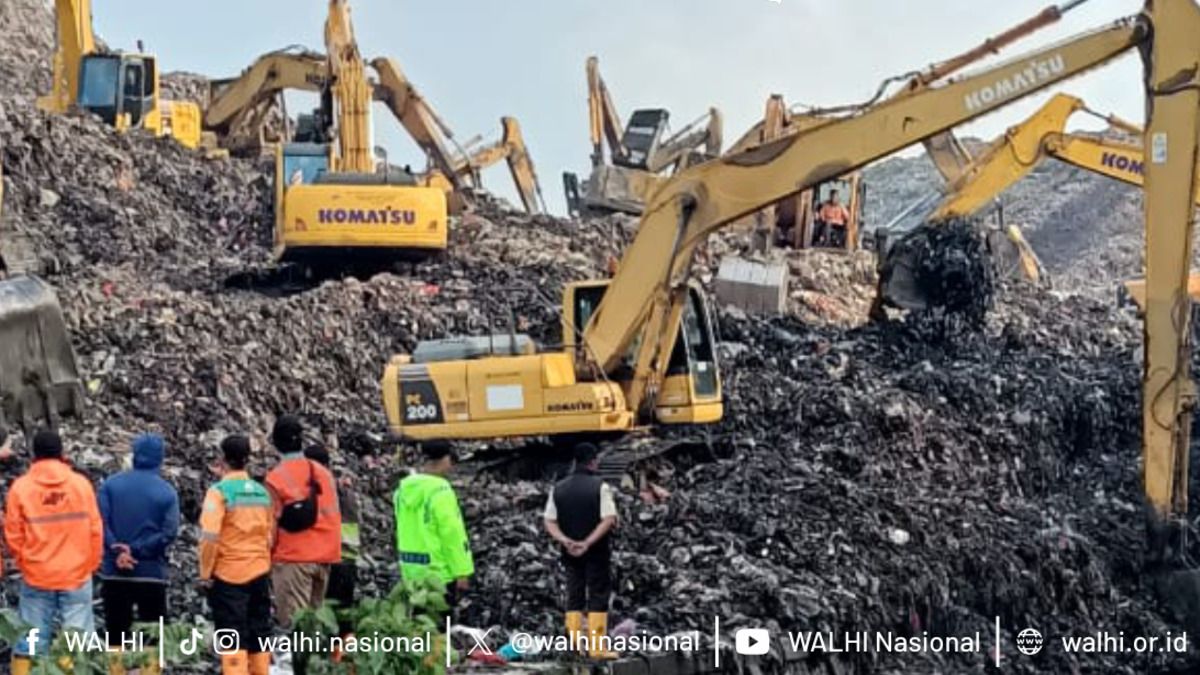

Indonesia faces backlash over arrest of two environmental defenders amid worsening ecological crises
Two Indonesian environmental activists, Dera and Munif, were arrested without prior summons after assisting villagers in reporting mining-related harms. Their detention adds to growing concerns over criminalisation of environmental defenders amid worsening ecological crises.

- Environmental activists Dera and Munif were arrested on 27 November 2025 without prior police summons after supporting villagers reporting mining impacts.
- Police cite alleged ITE Law violations linked to August protests, part of mass detentions of 3,195 demonstrators.
- Their case reflects a wider pattern of criminalising environmental defenders, despite protections under Indonesia’s Environmental Protection Law.
As Indonesia confronts a deepening ecological crisis marked by deforestation, mining expansion, and climate-related disasters, the arrest of two environmental activists has intensified national and international concern over shrinking civic space.
Adistya Pramandira—known as Dera—of WALHI, and Abdul Munif of Kamisan Semarang, were detained by police on 27 November 2025 after accompanying affected villagers in filing complaints against a mining company.
Their arrest, carried out by 24 armed officers, occurred shortly after the activists returned from Jakarta with farmers from Sumberrejo, Jepara to report environmental threats from a mining company to Indonesia’s National Human Rights Commission (Komnas HAM) and National Commission on Violence Against Women (Komnas Perempuan).
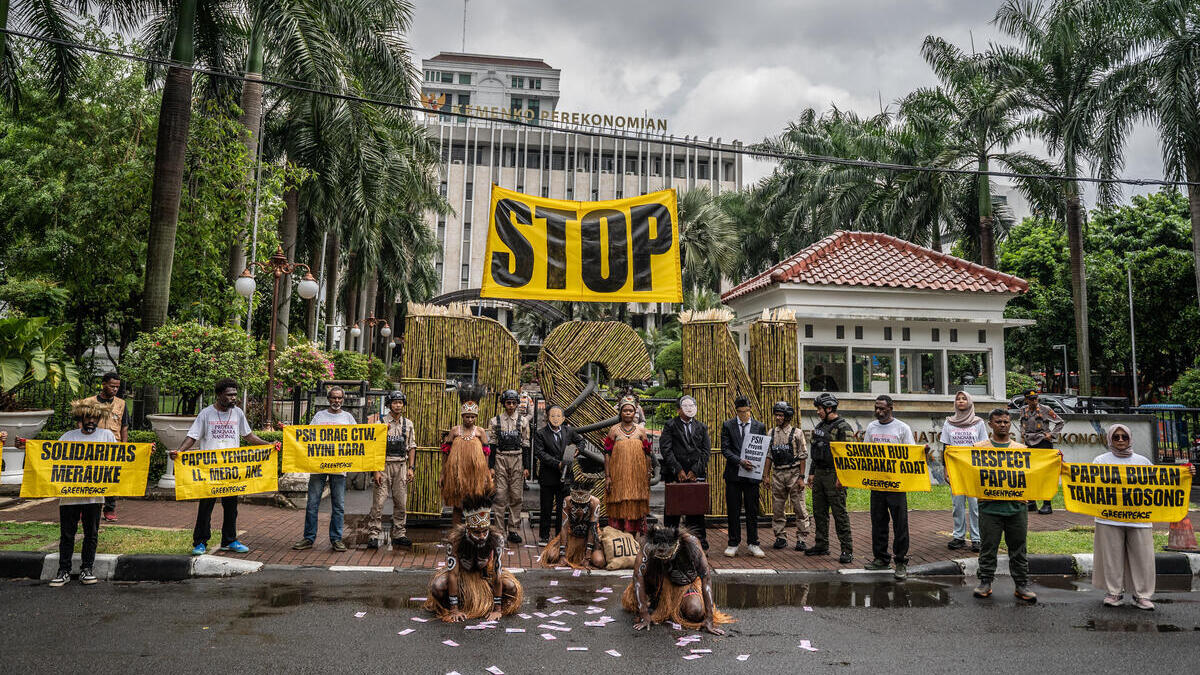
In an Instagram post, Greenpeace Indonesia condemned the operation as an act of criminalisation aimed at silencing environmental defenders.
View this post on Instagram
Detained Without Prior Summons
Notably, neither Dera nor Munif had ever been summoned for questioning prior to their arrest. Despite the serious charges later leveled against them, the police did not follow normal procedures of issuing a call for interrogation before resorting to detention.
Currently, Munif is held at the Semarang Metropolitan Police (Polrestabes Semarang), while Dera is detained at the Central Java Police Headquarters (Polda Jateng)—a separation that advocates say further isolates the couple and complicates legal assistance.
Cited from detik.com, legal representatives from the Suara Aksi team have raised concerns about the lack of transparency surrounding Dera’s transfer to the Central Java Police Headquarters.
According to lawyer Nasrul Saftiar Dongoran, investigators have not explained why she was moved or why the detention requires separation from her partner, Munif.
He noted that the legal team has repeatedly requested clarification but has not been offered any discussion or official reasoning.
The lawyers argued that the detention itself appears arbitrary, especially as police claim to possess evidence related to the case, which they have already seized.
The defence team has submitted a request for suspension of detention, supported by academics, civil society figures and the Rais Syuriah of PWNU Jateng, Ubaidillah, who have agreed to act as guarantors.
They argued that the activists could be placed under city arrest, house arrest, or released pending trial while still complying with legal proceedings.
The legal team, consisting of around 20 lawyers, also plans to file a pretrial motion challenging the arrest and detention.
They emphasised that Dera and Munif were never summoned for questioning before being named suspects on 14 November 2025, nor before their arrest on 27 November 2025, which they say reflects a broader weakness in the new criminal procedure code.
Both activists are currently held under an initial 20-day detention period, which investigators may extend by an additional 40 days.
According to the legal team, police have yet to specify which online posts constitute incitement. The allegation appears linked to content on the Instagram account @maring_institut, which the activists were tagged in during the 29–30 August demonstrations.
Lawyers argue that the content was merely a repost intended to provide information on the situation on the ground, including a fire at the Semarang traffic police post. They also note that Dera has not managed the account for more than a year, raising further questions about the basis for the accusation.
Charges Under the ITE Law
Police justified the arrest by alleging that the two activists violated Indonesia’s controversial Electronic Information and Transactions (ITE) Law during protests in late August 2025. Those demonstrations, which occurred nationwide, resulted in the mass detention of 3,195 people between 25–31 August—detentions that observers say were carried out arbitrarily and excessively.
Critics argued that invoking the ITE Law against environmental defenders follows a broader pattern in which authorities use vague online-speech provisions to suppress dissent.
Advocacy groups insist that Dera and Munif were simply performing their legitimate role: assisting communities threatened by environmentally destructive projects.
Letters From Detention
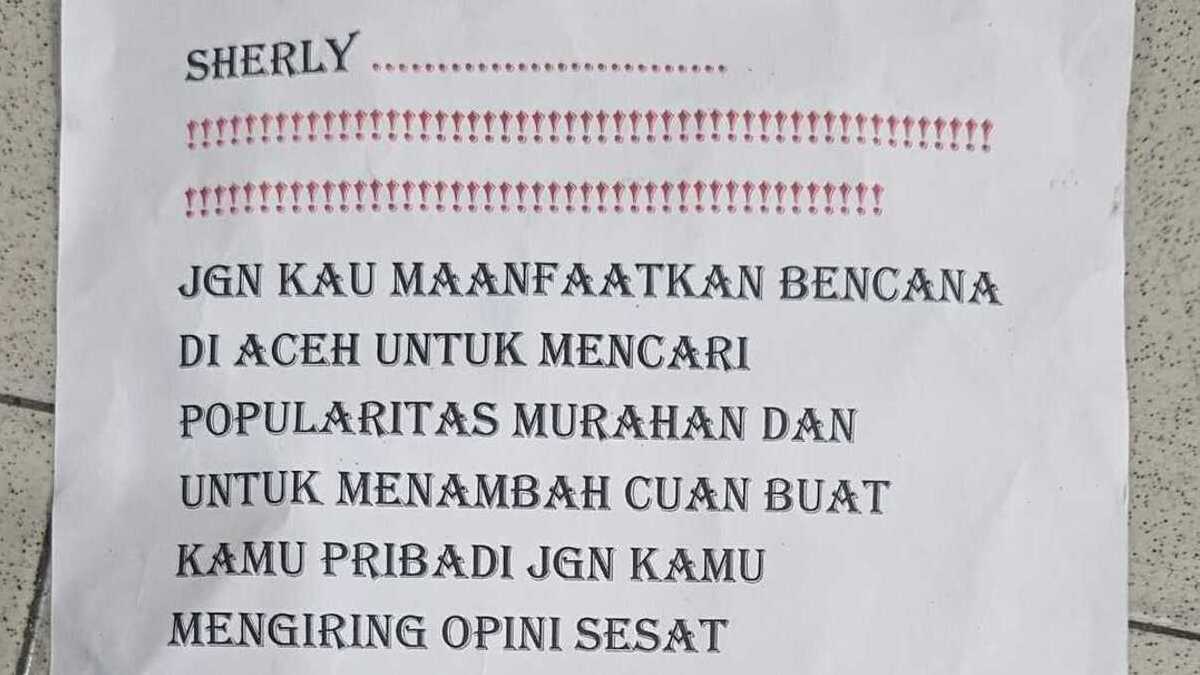
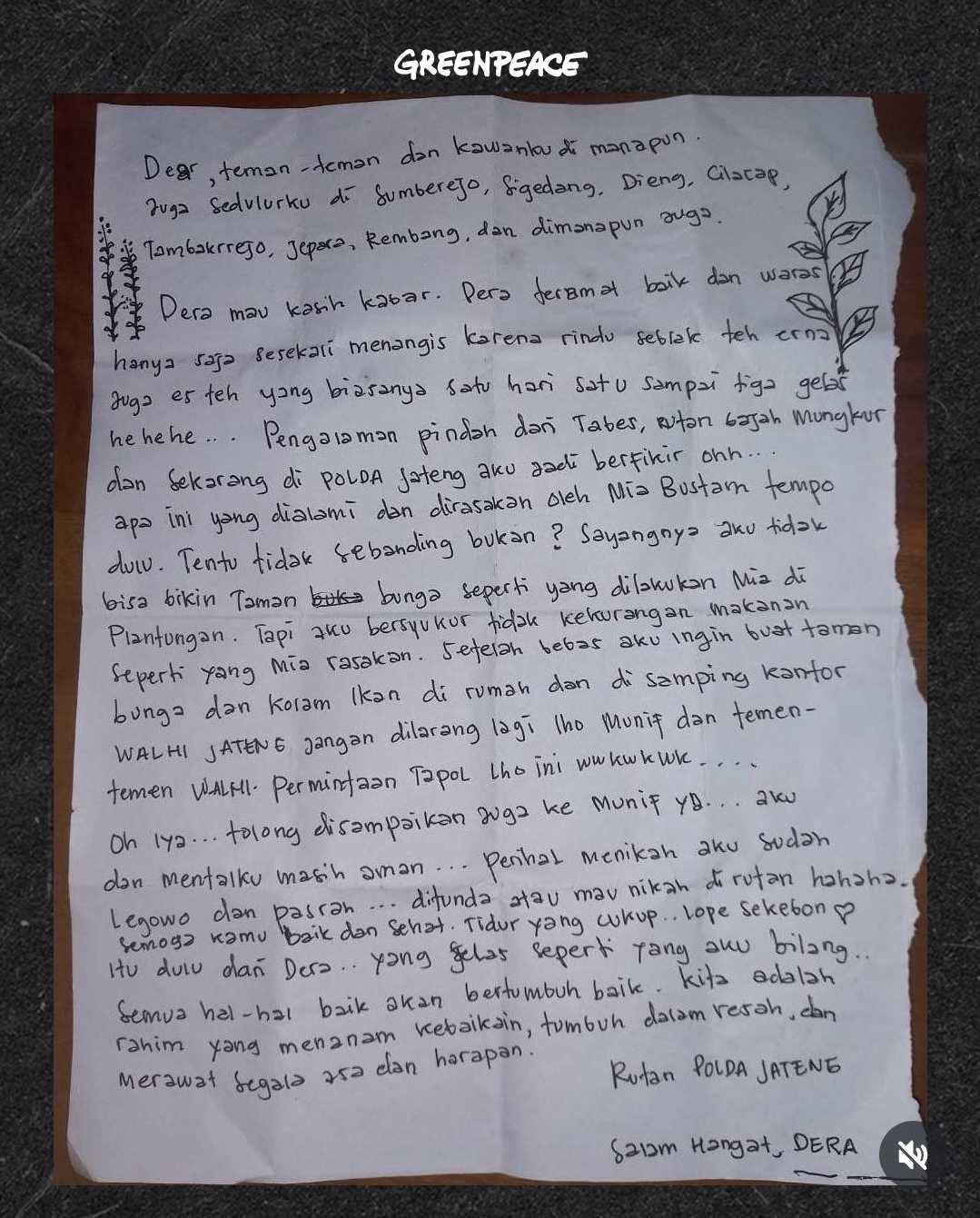
A handwritten letter from environmental activist Adistya Pramandira, known as Dera, has revealed the personal strain she faces in detention.
Shared on 1 December 2025, Dera describes being moved between several detention sites since her arrest on 27 November 2025, and expresses concern over the couple’s planned wedding on 11 December 2025.
She reassures supporters that her mental state remains stable, though she admits to moments of sadness and longing.
In the letter, she tells Munif she is prepared to accept a postponement—or even the possibility of marrying while in detention—before concluding with a message of hope that good intentions will continue to grow despite uncertainty.
A Pattern of Criminalizing Environmental Protection
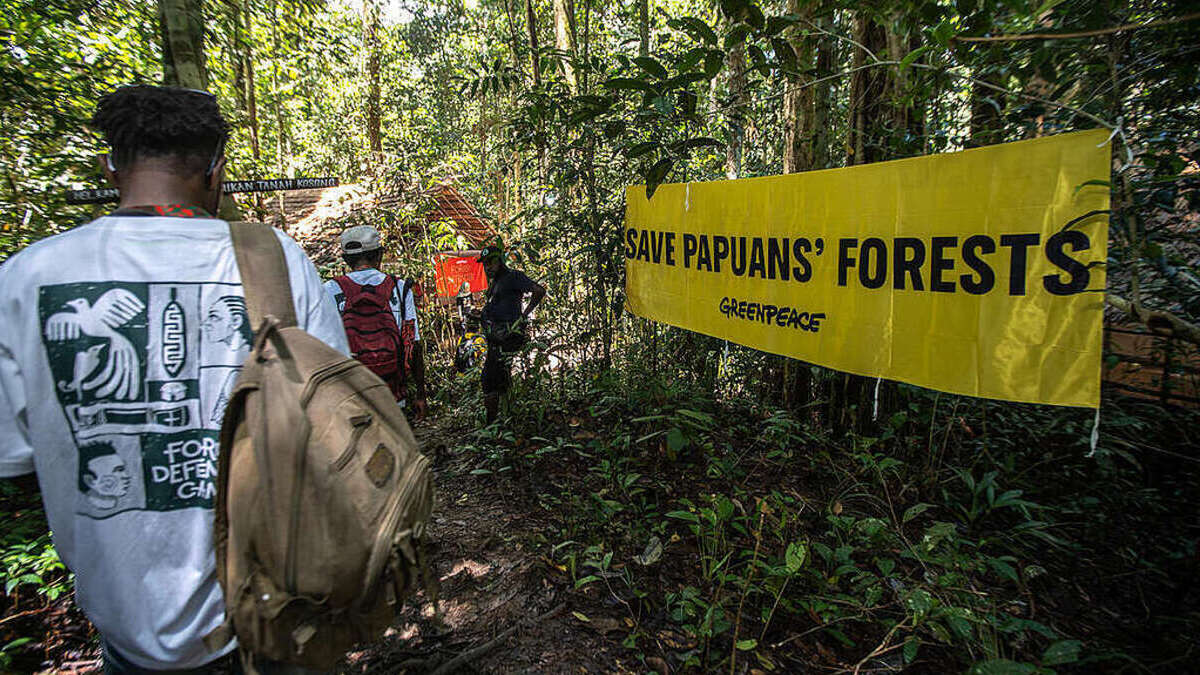
The arrest of Dera and Munif is not an isolated case. Indonesia has seen a growing number of prosecutions against individuals defending land, forests, and indigenous rights.
One widely cited example is Sorbatua Siallagan, an elderly resident of North Sumatra who was sentenced to two years in prison and fined one billion rupiah for allegedly occupying concession land belonging to Toba Pulp Lestari.
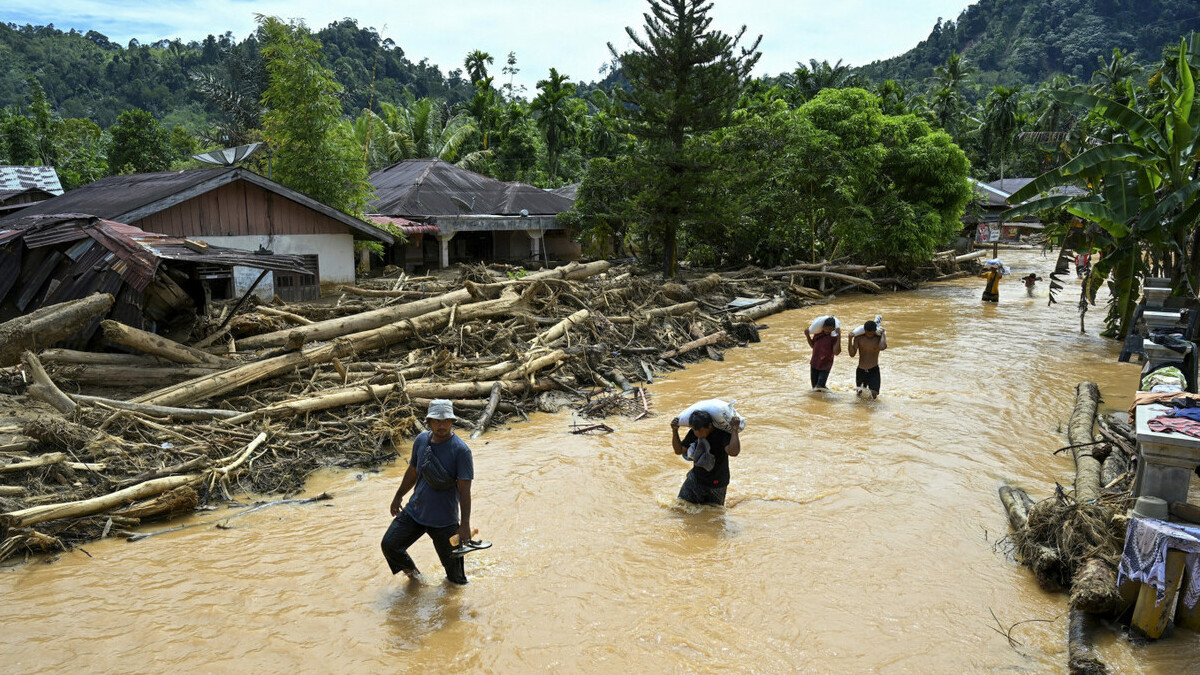
Activists point out the irony that the same region later suffered a severe flash flood, which they attribute to environmental degradation tied to large-scale land clearing.
In North Maluku, eleven members of the Indigenous Maba Sangaji community received five-month-eight-day prison sentences for opposing a nickel mining project by PT Positio. For many observers, the verdict reflects a dangerous trend: treating environmental protection and the defense of ancestral land as criminal acts.
Legal Protections Ignored
Environmental groups emphasize that Indonesia’s Environmental Protection and Management Law (Law No. 32/2009) explicitly shields environmental defenders from criminal and civil prosecution when they advocate for ecological safety. Advocates argue that police actions contradict these protections and undermine the rule of law.
“Instead of arresting activists, authorities should be listening to them,” said Greenpeace Indonesia, which condemned the detentions as a threat to environmental justice and democratic rights.
Personal Cost to Defenders
The arrests have also taken a deeply personal toll.
Dera and Munif were scheduled to marry on 11 December 2025, but now remain behind bars.
Still, the couple has communicated from detention that they are safe, resolute, and committed to continuing their fight for communities facing environmental harm.
Growing Calls for Release
Civil society groups, environmental organizations, and human rights advocates have demanded the immediate release of Dera and Munif, as well as others detained during the August demonstrations.
Their message is clear: criminalising environmental defenders not only violates fundamental rights but also undermines efforts to prevent the ecological disasters that continue to threaten Indonesian communities.
As Greenpeace Indonesia stated, “In a time of worsening disasters, Indonesia needs its environmental defenders—not behind bars, but at the forefront of protecting people, forests, and the future.”