Greenpeace Indonesia condemns chicken carcass threat as intimidation against Sumatra disaster critics
Greenpeace Indonesia has condemned what it calls an act of intimidation after a chicken carcass bearing a written threat was delivered to the home of one of its senior campaigners, amid growing pressure on critics of the Sumatra disaster response.
- Greenpeace Indonesia says a chicken carcass bearing a written threat was delivered to the home of one of its senior campaigners.
- The organisation links the incident to wider intimidation against critics of the government’s handling of the Sumatra disaster.
- Civil society figures warn that threats against activists risk narrowing democratic space during a humanitarian crisis.
Indonesia: Greenpeace Indonesia has condemned what it describes as a deliberate act of intimidation after a chicken carcass bearing a written threat was delivered to the home of its Climate and Energy Campaign Manager, Iqbal Damanik, early on Tuesday morning.
The incident adds to a growing series of threats and acts of vandalism targeting activists, journalists and social media commentators who have criticised the government’s response to the recent ecological disaster in Sumatra.
According to a press statement issued by Greenpeace Indonesia, the carcass was discovered on the front terrace of Iqbal Damanik’s residence at around 5.30 am local time.
Threat delivered to Greenpeace campaign manager’s home
The chicken had been left unwrapped, with a plastic pouch tied to its leg containing a handwritten note that read: “WATCH YOUR WORDS IF YOU WANT TO KEEP YOUR FAMILY SAFE, YOUR MOUTH IS YOUR TIGER.”
Iqbal reported hearing a loud thud on the terrace in the early hours of the morning but only realised what had happened when a family member found the carcass several hours later. He subsequently documented the scene.
The Head of Greenpeace Indonesia, Leonard Simanjuntak, said the organisation strongly suspects the delivery was intended as a threat linked to Iqbal’s work as an environmental campaigner. “It is difficult not to see this as part of a broader attempt to silence people who have been outspoken,” Leonard said, pointing to a pattern of similar intimidation faced by other civil society figures in recent weeks.
View this post on Instagram
Pattern of intimidation against critics emerges
Among those reporting comparable incidents is Aceh-based DJ Donny (commonly known as DJ Donny), who said via social media that he too had received a delivery of a chicken carcass accompanied by threatening language.
View this post on Instagram
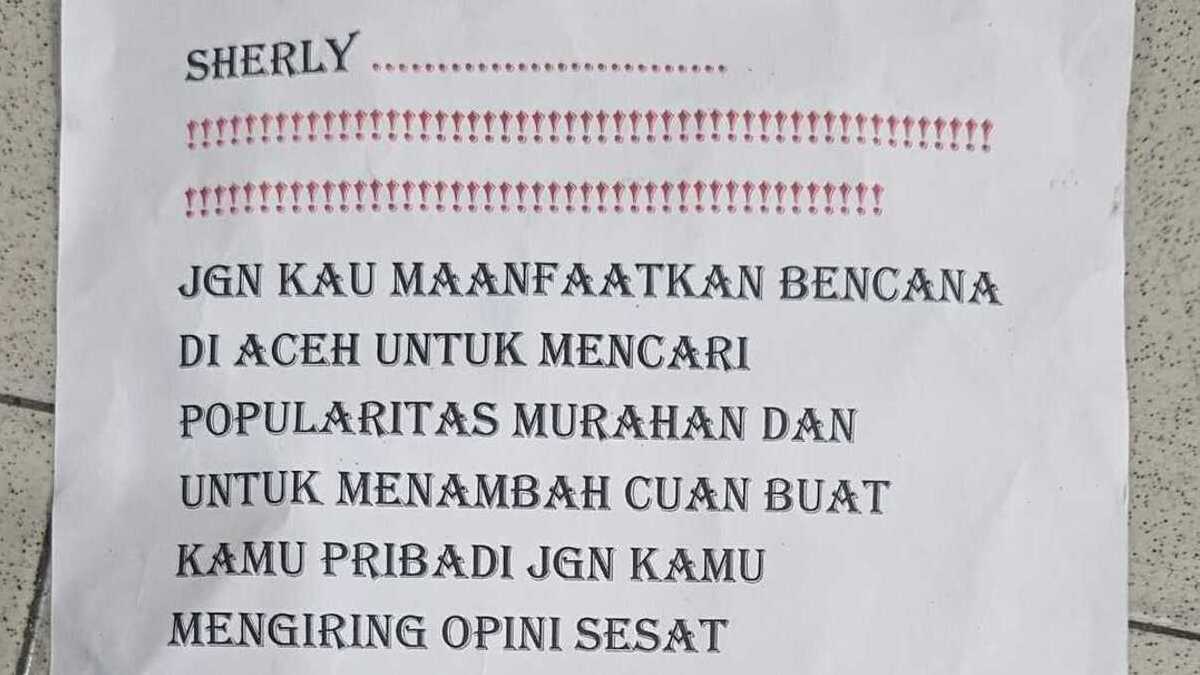
Another case involves Aceh-based influencer and content creator Sherly Annavita, who has publicly described a series of escalating threats.
In an Instagram post, Sherly said she had received threatening messages to her personal phone number and social media accounts over several days.
The intimidation escalated on the night of 29 December, when her personal vehicle was vandalised with graffiti and her residence was targeted with a bag of rotten eggs.
Like Iqbal, she also received a written message containing explicit threats.
“It is very difficult to say that this was not orchestrated or that no one ordered it,” Sherly said.
Other activists and influencers report similar threats
She noted that the threats intensified after she spoke publicly—both on television programmes and online—about the conditions faced by communities in Aceh following the Sumatra disaster.
Sherly also drew parallels with intimidation she experienced in 2019 after criticising the government’s plan to relocate Indonesia’s capital during the administration of former president Joko Widodo.
View this post on Instagram
Leonard Simanjuntak said Greenpeace has observed “clear similarities in the method and messaging” used in these incidents, leading the organisation to believe they constitute a systematic campaign of terror.
He linked the threats to criticism of the government’s handling of the floods and landslides that struck northern Sumatra in late November.
Over the past month, Iqbal Damanik has frequently posted on his personal social media accounts about the disaster and what he sees as shortcomings in the state response.
Greenpeace links intimidation to criticism over Sumatra disaster
Other Greenpeace campaigners have also voiced concerns through media interviews and online platforms, drawing on field findings and the organisation’s research into environmental degradation.
In recent days, however, Iqbal has been subjected to waves of hostile comments and direct threats via Instagram.
“Public criticism, including that expressed by our campaigners, comes from concern and solidarity with disaster victims,” Leonard said.
He added that Greenpeace believes the floods are inseparable from long-standing environmental issues, including deforestation and land-use change facilitated by state licensing.
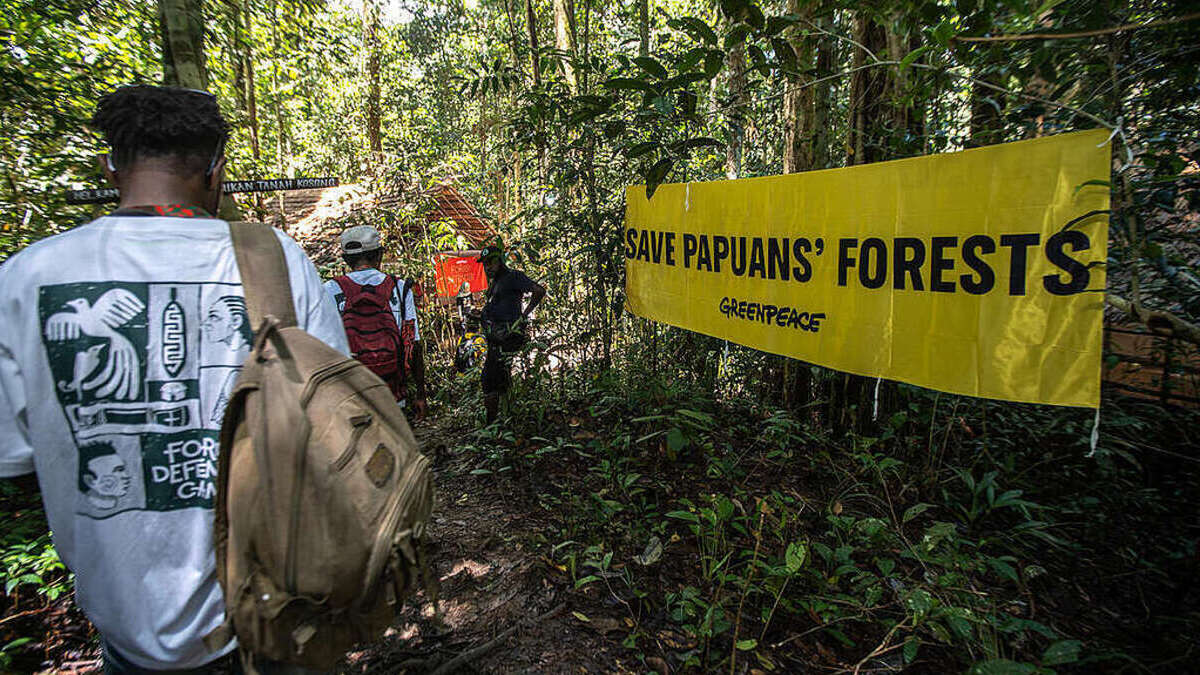
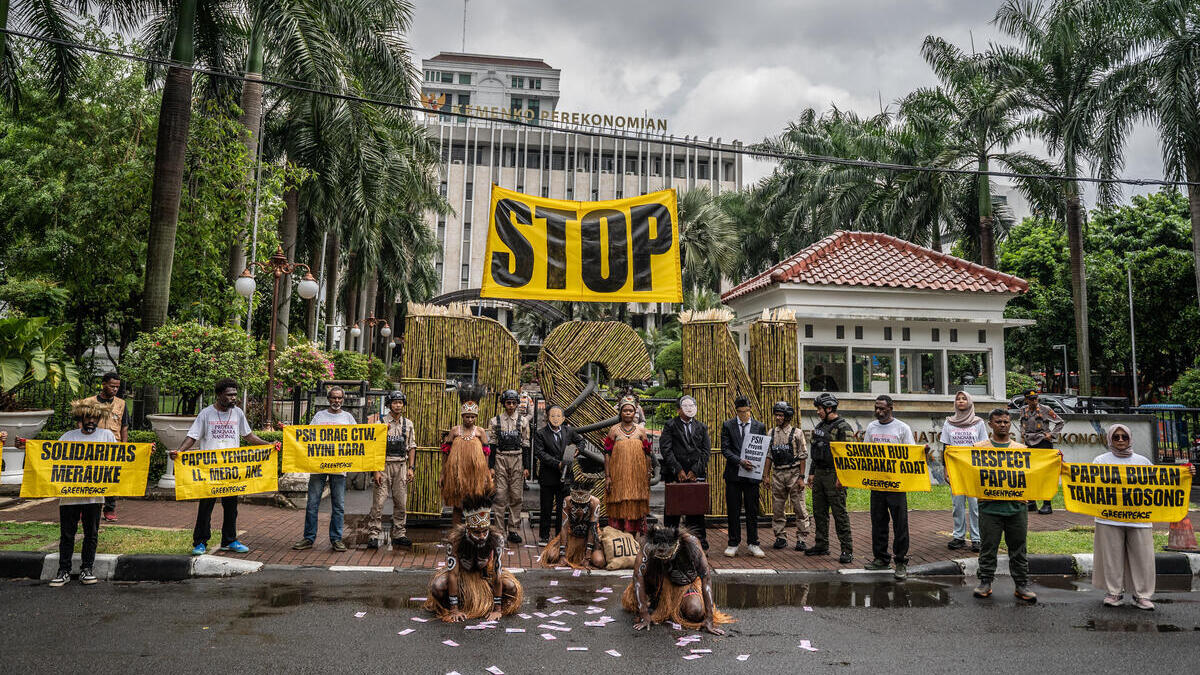
Leonard also criticised plans by the Prabowo administration to open millions of hectares of land in Papua, warning that such policies could further harm Indigenous communities and intensify the climate crisis.
Deadly floods and landslides deepen scrutiny of state response
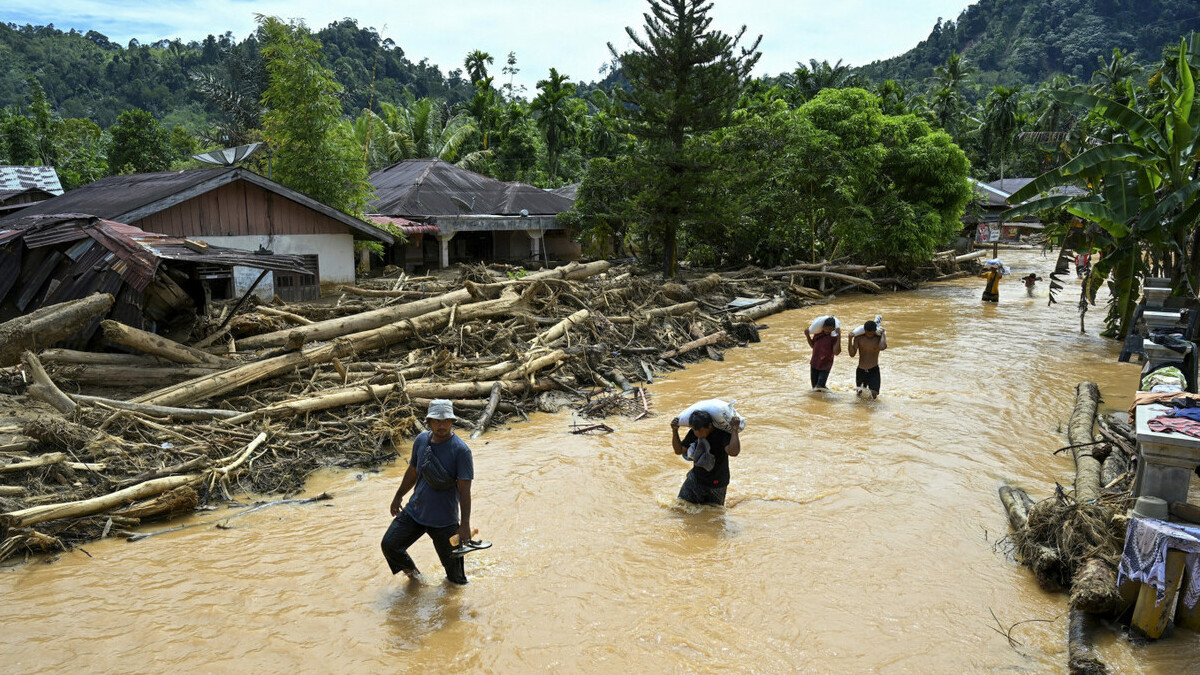
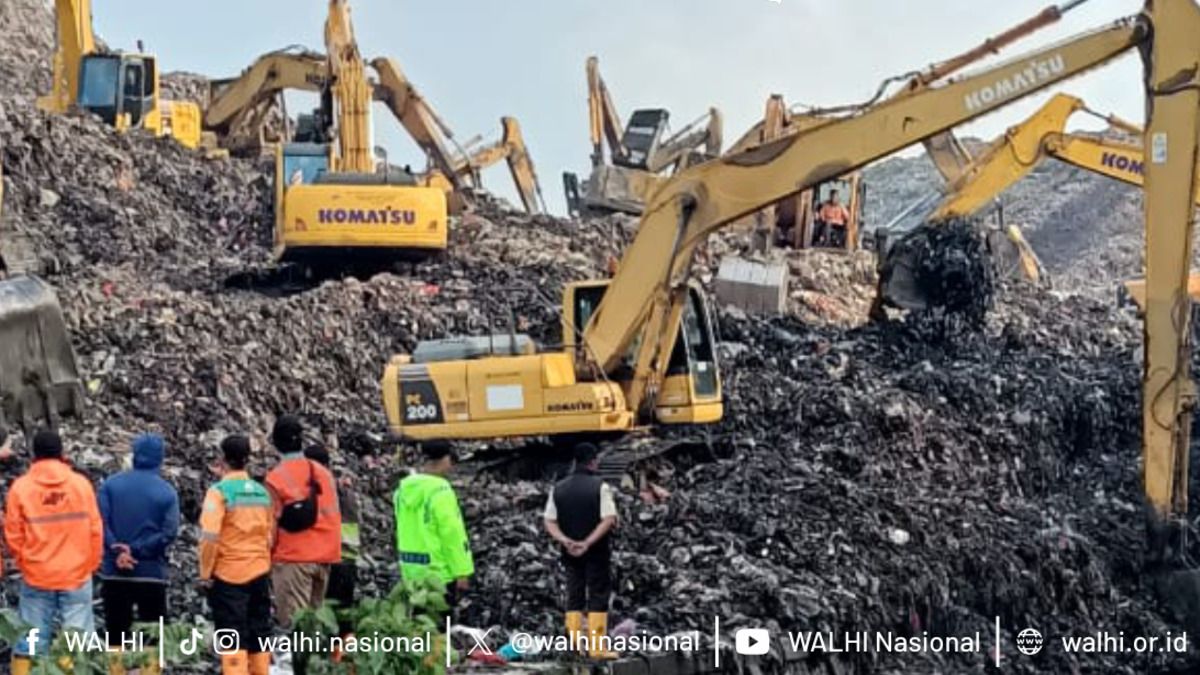
The intimidation has unfolded against the backdrop of one of the deadliest ecological disasters in Sumatra in decades. Flash floods and landslides that began in late November affected 52 regencies and cities across Aceh, North Sumatra and West Sumatra.
According to data from the National Disaster Mitigation Agency as of 30 December, the disaster has claimed around 1,141 lives, with 163 people still missing.
More than 399,000 residents have been displaced, and over 166,000 homes have been damaged, along with thousands of public facilities, schools, health centres and bridges.
Rights groups warn of shrinking democratic space
Greenpeace Indonesia said it views the recent threats not only as attacks on individuals, but as a challenge to democratic space in the country.
“Criticism should not be treated as a threat,” Leonard said. “It is an essential part of democracy and a reminder for those in power to remain accountable.”
Despite the intimidation, Greenpeace stressed it would not be silenced. “Acts of terror will not intimidate us,” Leonard concluded.
“We will continue to speak out for climate justice, human rights and democracy.”