Indonesia revokes dozens of Sumatra permits, but watchdog warns action risks failure without restoration
Indonesia’s largest environmental organisation has welcomed the revocation of dozens of business permits across Sumatra but warned the move will be meaningless without environmental restoration, corporate accountability and protection of Indigenous land rights.
- WALHI has welcomed Indonesia’s revocation of 28 business permits across Sumatra but warned it must be followed by restoration and accountability.
- The environmental group cautioned against revoked land being reallocated to new corporations without resolving past damage and conflicts.
- The decision follows deadly floods and landslides, with regulators linking extractive activities to environmental degradation.
Indonesia’s leading environmental watchdog has welcomed the government’s decision to revoke dozens of business permits across Sumatra, but cautioned that the move will be hollow unless it is followed by environmental restoration, accountability for corporate harm, and the protection of Indigenous land rights.
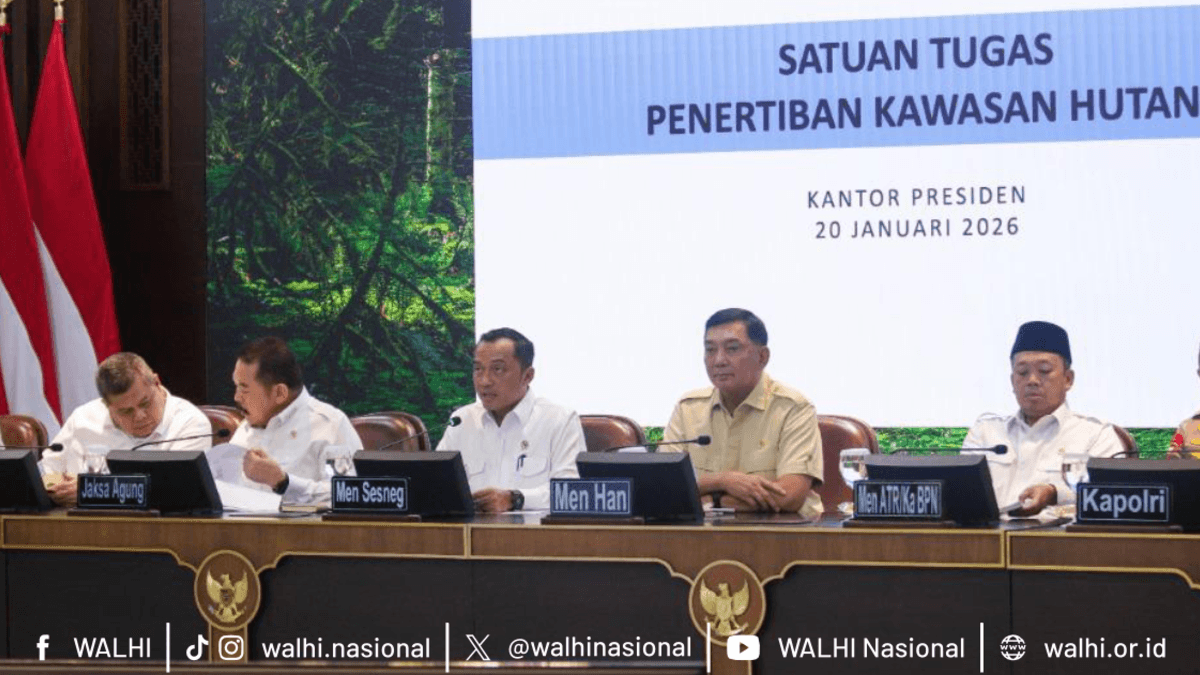
In a press release issued on 20 January, Wahana Lingkungan Hidup Indonesia (WALHI) said the revocation of 28 licences in Aceh, North Sumatra and West Sumatra should be treated only as a first step in addressing decades of ecological degradation driven by extractive industries.
“The accumulation of capital-driven activities—by companies in forestry, oil palm plantations, mining and other sectors—has pushed Sumatra beyond its environmental carrying capacity,” WALHI said. “Licence revocation must be followed by a comprehensive evaluation of all remaining permits, concrete restoration measures, and the protection of critical ecosystems.”
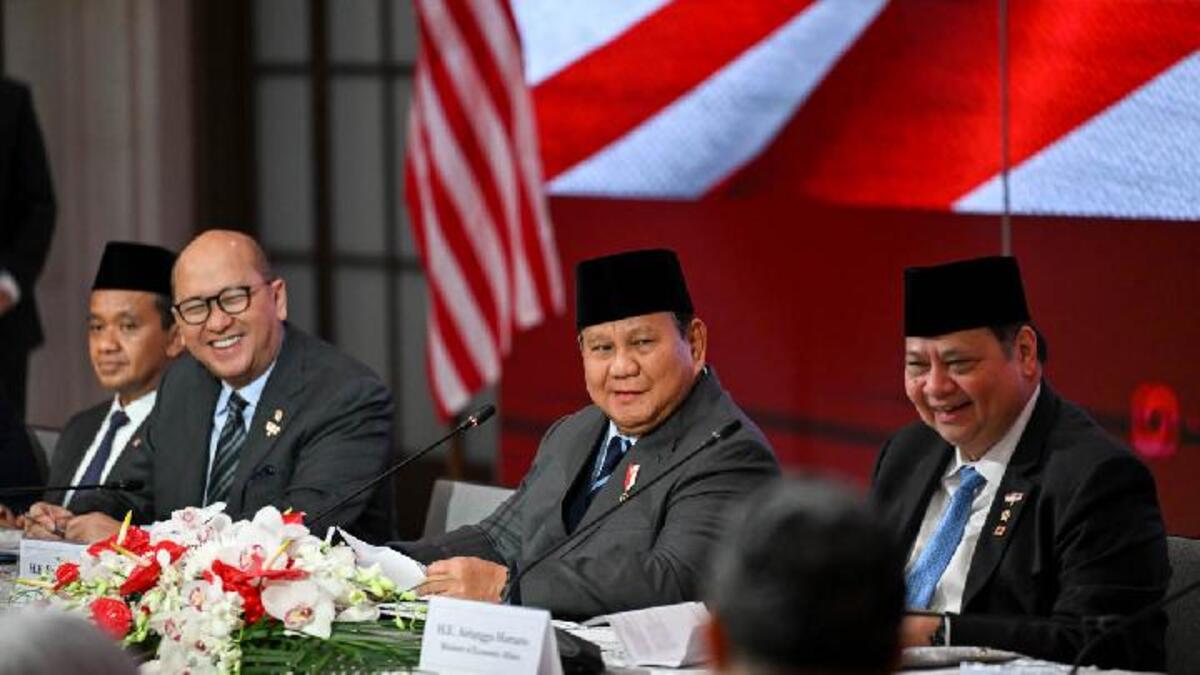
The statement comes days after President Prabowo Subianto ordered the cancellation of business permits held by companies operating across more than one million hectares of forest land. The decision was taken after an investigation by the government’s Task Force for the Orderly Management of Forest Areas linked regulatory violations to recent floods and landslides that have devastated parts of Sumatra.
Government action under scrutiny
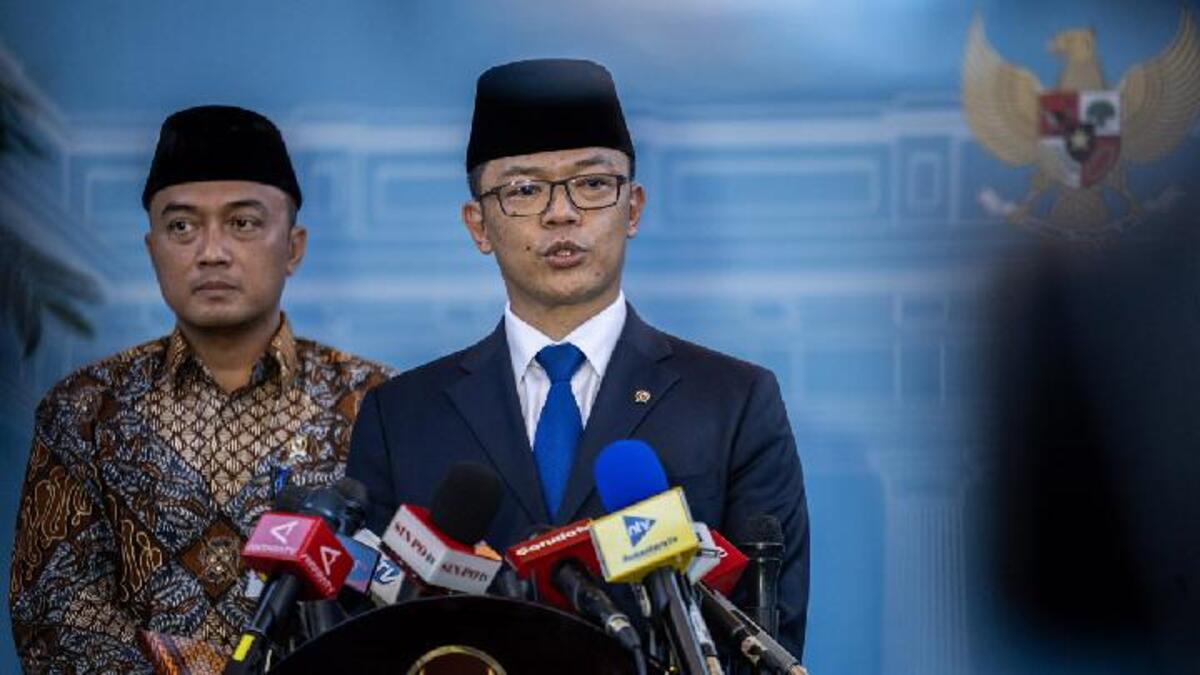
According to the Ministry of State Secretary, the revoked permits include forest utilisation licences, mining permits and plantation concessions. Investigators found companies operating outside approved boundaries, encroaching into protected forests and failing to meet financial obligations to the state.
While WALHI acknowledged the scale of the intervention, its national executive director, Boy Jerry Even Sembiring, warned against allowing former concession areas to be quietly reallocated to other corporations.
“The state must ensure these revoked areas are not simply handed over to new companies, whether state-owned or private,” he said. “Companies that have profited for years from forest destruction must be compelled to restore environmental damage and compensate affected communities.”
A long and contentious history in North Sumatra
One of the most politically sensitive revocations concerns PT Toba Pulp Lestari, formerly known as PT Indo Rayon. WALHI has opposed the company since the late 1980s, when its pulp operations triggered widespread protests and legal challenges.
In 1988, WALHI filed a landmark lawsuit against Indo Rayon that helped establish the legal standing of environmental organisations in Indonesia. The company’s operations were halted in 1999, only to resume in 2002 under its new name.
WALHI North Sumatra executive director Rianda Purba said the current revocation must not repeat that precedent. He called for the redistribution of former concession lands to Indigenous communities who have been in conflict with the company for decades, and for full environmental restoration by the company and its holding group, Royal Golden Eagle.
“Licence revocation will be meaningless without a restoration plan,” he said. “This time, the state must ensure there is no return under a different corporate identity.”
West Sumatra: permits revoked, illegal mining untouched
In West Sumatra, the government has revoked forestry licences held by three companies operating in and around the Mentawai Islands, an area long affected by disputes between concession holders and local communities.
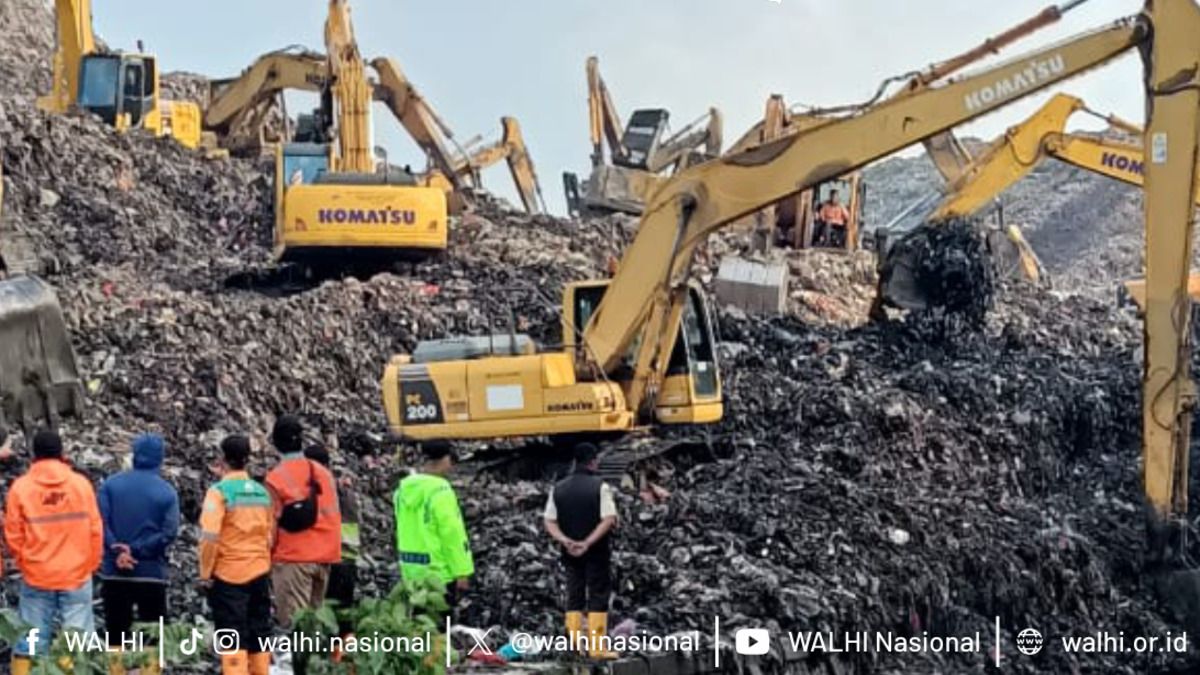
WALHI said the cancellations should be used as a pathway to resolve these conflicts and restore Indigenous rights. However, it criticised the authorities for failing to tackle illegal gold mining, known locally as Pertambangan Emas Tanpa Izin (PETI), which has been blamed for severe river pollution and recurrent flooding.
“We have yet to see swift and effective action from law enforcement,” said Wengky Purwanto, WALHI’s executive director in West Sumatra. “If illegal mining continues unchecked, the same disasters will keep recurring without any deterrent effect.”
Questions over Aceh’s revocation process
WALHI also raised concerns about irregularities in Aceh, noting that two companies whose licences were already revoked in 2022 appeared again on the latest revocation list. Another firm had merely been placed under evaluation in the earlier review.
Ahmad Solihin, executive director of WALHI Aceh, argued that the government should instead prioritise revoking licences of companies suspected of contributing directly to flooding in key watersheds, including the Jambo Aye and Tamiang river systems.
Disasters sharpen the stakes
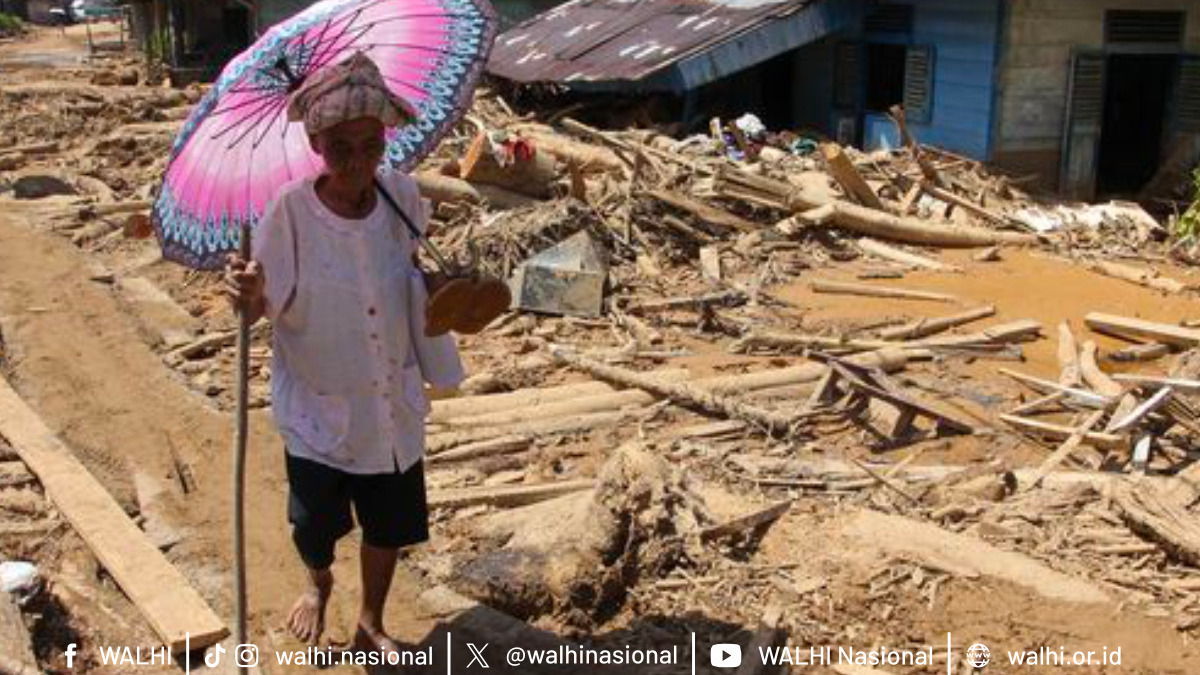
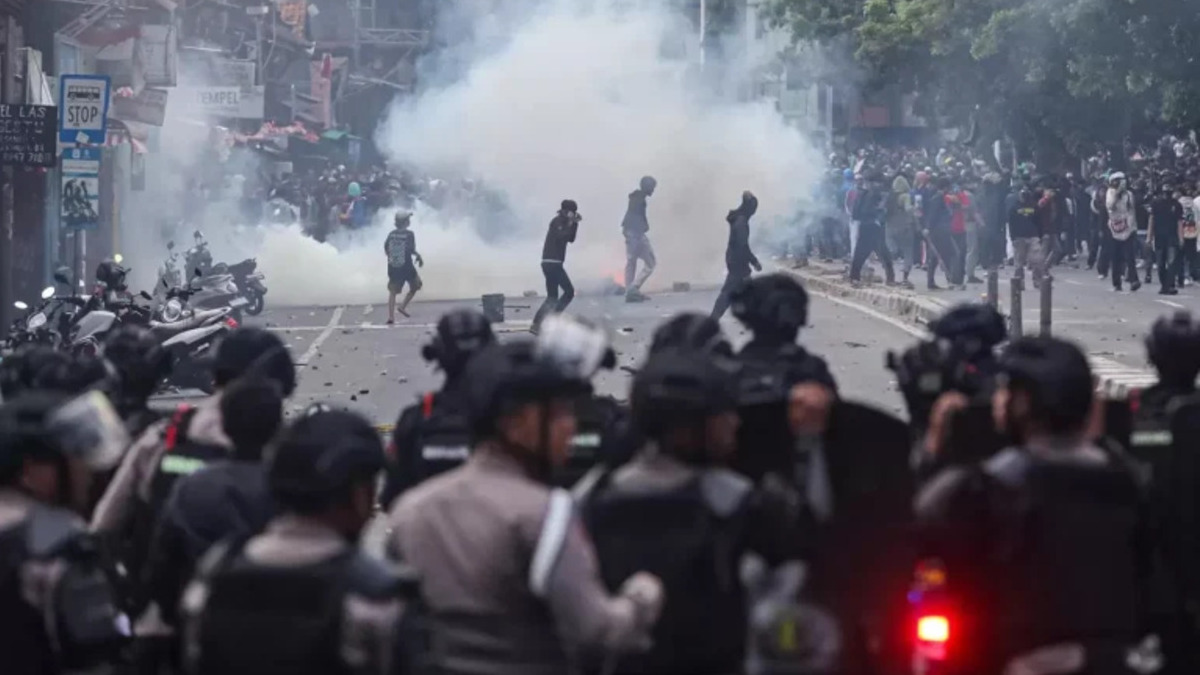
The licence cancellations follow weeks of deadly floods and landslides across Sumatra, which have killed more than a thousand people and displaced over 100,000, according to Indonesia’s disaster authorities. Environmental groups have long warned that deforestation, mining and plantation expansion have stripped the island of its natural flood buffers.
For WALHI, the current moment represents a rare opportunity to reset Sumatra’s development trajectory. The organisation urged the government to halt the issuance of new extractive licences in revoked areas, conduct participatory evaluations of existing permits, and urgently revise Sumatra’s spatial planning based on ecological limits.
“This round of administrative law enforcement must set a positive precedent,” WALHI said. “Recovery of Sumatra cannot stop at revoking licences—it must restore ecosystems, uphold Indigenous rights, and prevent the capital-driven disasters that have become tragically routine.”