Indonesia’s President urges oil palm expansion in Papua for biofuel push amid environmental concerns
President Prabowo Subianto has urged the expansion of oil palm cultivation in Papua to boost biofuel production and energy self-sufficiency, prompting renewed criticism over environmental damage and indigenous land rights.
- President Prabowo Subianto has called for expanded oil palm cultivation in Papua to support biofuel production and energy self-sufficiency.
- The plan is part of a broader strategy to cut fuel imports, reduce subsidies and prioritise regional energy independence within five years.
- Environmental groups and indigenous rights advocates warn that oil palm expansion in Papua carries high ecological and social costs that outweigh economic gains.
INDONESIA: President Prabowo Subianto has called for the expansion of oil palm cultivation in Papua to support Indonesia’s push for alternative fuels and energy self-sufficiency, a proposal that has renewed debate over the environmental and social costs of large-scale plantations in the country’s easternmost region.
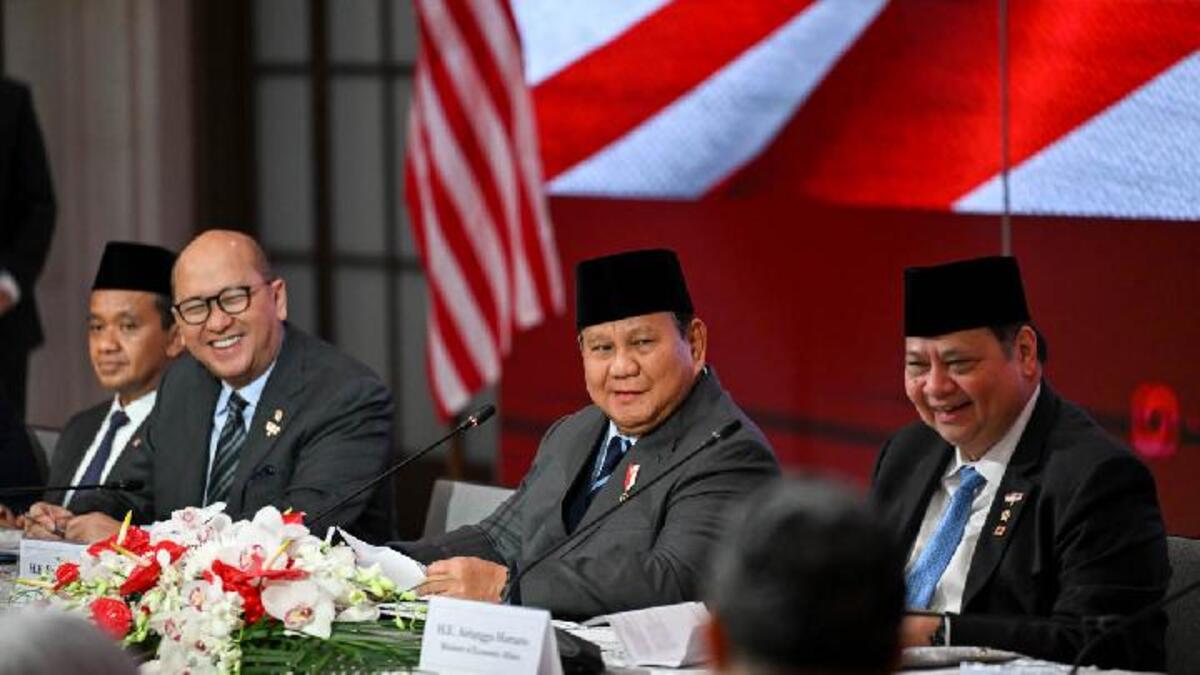
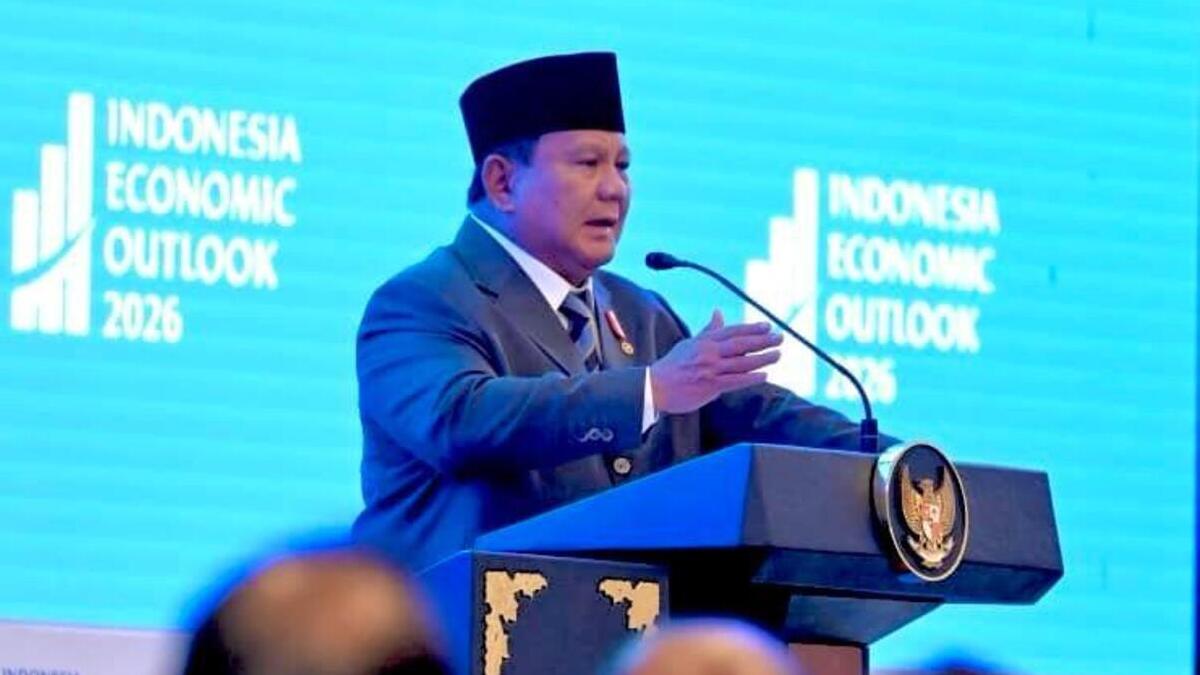
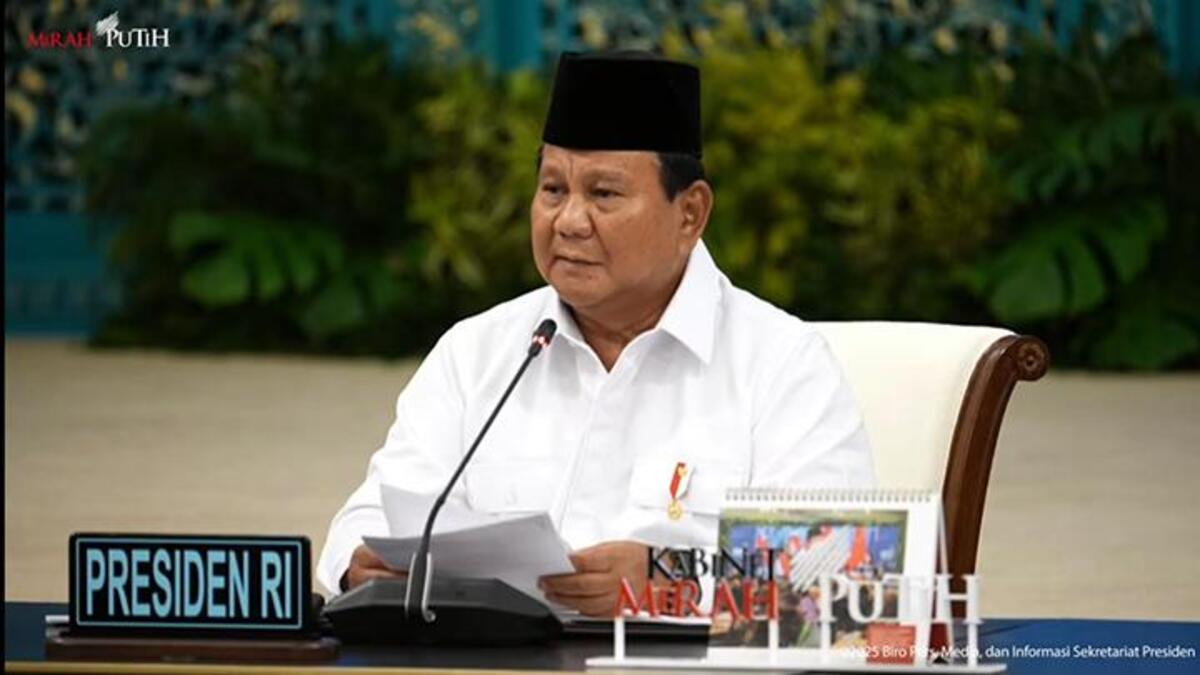
Prabowo delivered the directive during a briefing at the State Palace in Jakarta on 16 December 2025, attended by six Papuan governors, 42 regents, members of the Red-and-White Cabinet and the Executive Committee for the Acceleration of Special Autonomy Development in Papua.
He said Papua had strong potential to produce biofuel from palm oil, alongside ethanol derived from sugarcane and cassava, as part of efforts to reduce dependence on hydrocarbon-based energy.
Government pushes biofuels to cut imports and subsidies
“Going forward, we hope that oil palms will be planted in Papua to produce fuel from oil palms,” Prabowo said.
He added that sugarcane and cassava should also be developed to support ethanol production, with the aim of making regions energy self-sufficient within five years.
The president said the initiative was central to Indonesia’s strategy to achieve food and energy self-sufficiency, cut fuel imports and ease the burden of subsidies.
Papua targeted as centre of Indonesia’s energy self-sufficiency drive
He noted that Indonesia currently spends hundreds of trillions of rupiah each year on fuel imports, estimating potential annual savings of around Rp 520 trillion (US$31.2 million) if biofuels and renewable energy sources such as solar and hydropower were fully utilised.
“If savings can reach Rp 500 trillion (US$30 million), each regency could receive an allocation of Rp 1 trillion (US$60,000) from these efficiencies,” Prabowo said.
He also instructed Energy and Mineral Resources Minister Bahlil Lahadalia to halt diesel imports starting next year and set a target to end gasoline imports within four years.
Prabowo stressed that Papua should be prioritised for energy independence by optimising resources managed by local communities, including the use of solar power and mini-hydropower plants in remote areas to reduce reliance on fuel shipped from outside the region.
Environmental groups warn of high ecological and social costs
However, the proposal has drawn criticism from environmental groups and indigenous rights advocates, who warn that further oil palm expansion could deepen ecological damage and social inequality in Papua.
A study released in August 2024 by the Pusaka Bentala Rakyat Foundation found that the environmental and social costs of palm oil investment in Papua far outweighed its economic benefits.
Using a cost-benefit ratio method, the report calculated a ratio of 5.48—indicating that economic costs exceeded benefits. While palm oil investments generated an estimated Rp 17.64 trillion (US$1.6 million) in economic benefits and tax revenues, the study estimated environmental damage costs at Rp 96.63 trillion (US$5.8 million), nearly six times higher.
The losses were greatest in South Papua, followed by Southwest Papua, West Papua, Papua and Central Papua.
Studies highlight risks to indigenous livelihoods and food security
The report also highlighted the impact on indigenous communities, many of whom have lost customary forests to plantation concessions.
Researchers noted that 58 palm oil companies currently hold licenses covering about 1.57 million hectares across Papua, contributing to agrarian conflicts, the erosion of traditional livelihoods and rising food insecurity.
“Thirty of the 42 districts in Papua are experiencing food insecurity, and this is happening in areas where there are oil palm plantations,” said Wiko Saputra, an economist and lead author of the report.
He warned that continued deforestation could further undermine local food systems and community resilience.
Sri Palupi, a researcher at the Ecosoc Institute, said the losses from palm oil expansion were likely underestimated, citing uncalculated costs such as the loss of traditional livelihoods, cultural erosion and rising health problems.
“Women suffer the most, and there are health impacts that are never accounted for,” she said.