Indonesia sets two-week deadline for disaster data as Sumatra recovery continues
Indonesia has given regional authorities two weeks to submit verified data on residents affected by floods and landslides in Sumatra, warning that delays could cost survivors access to permanent housing assistance.
- Regional governments have been given two weeks to submit verified data on residents affected by floods and landslides in Sumatra.
- Failure to meet the deadline could result in survivors losing access to permanent housing assistance.
- Recovery efforts continue across Aceh, North Sumatra, and West Sumatra, with infrastructure repairs expected to run until 2028.
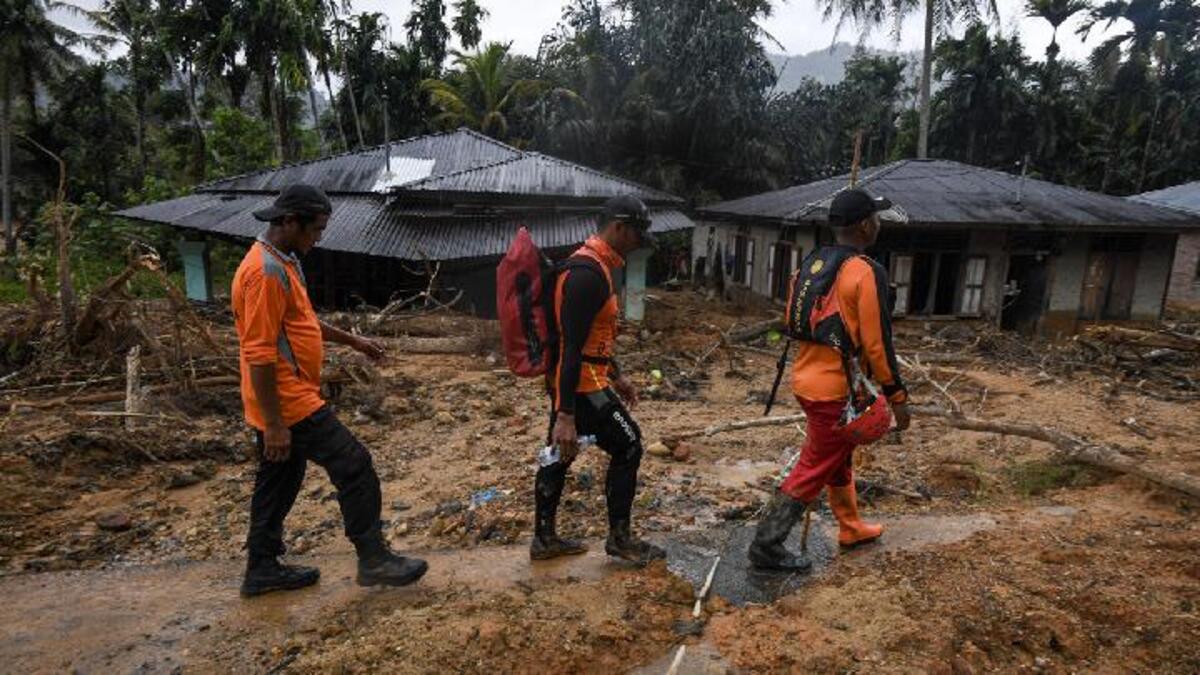
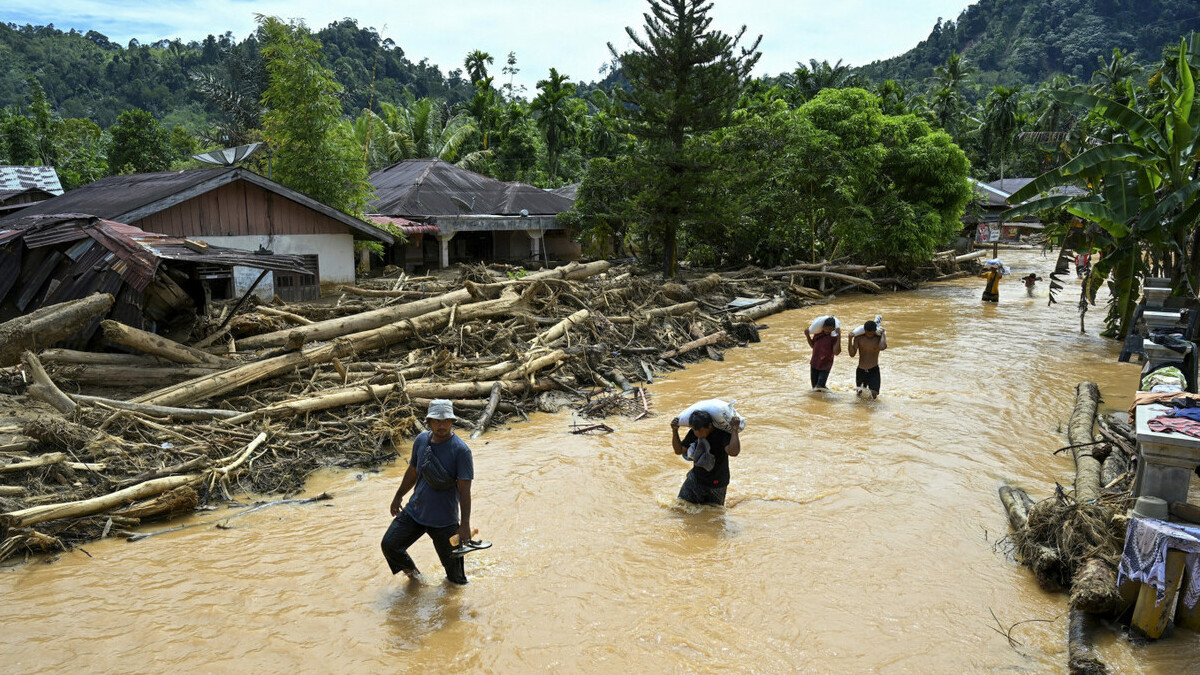
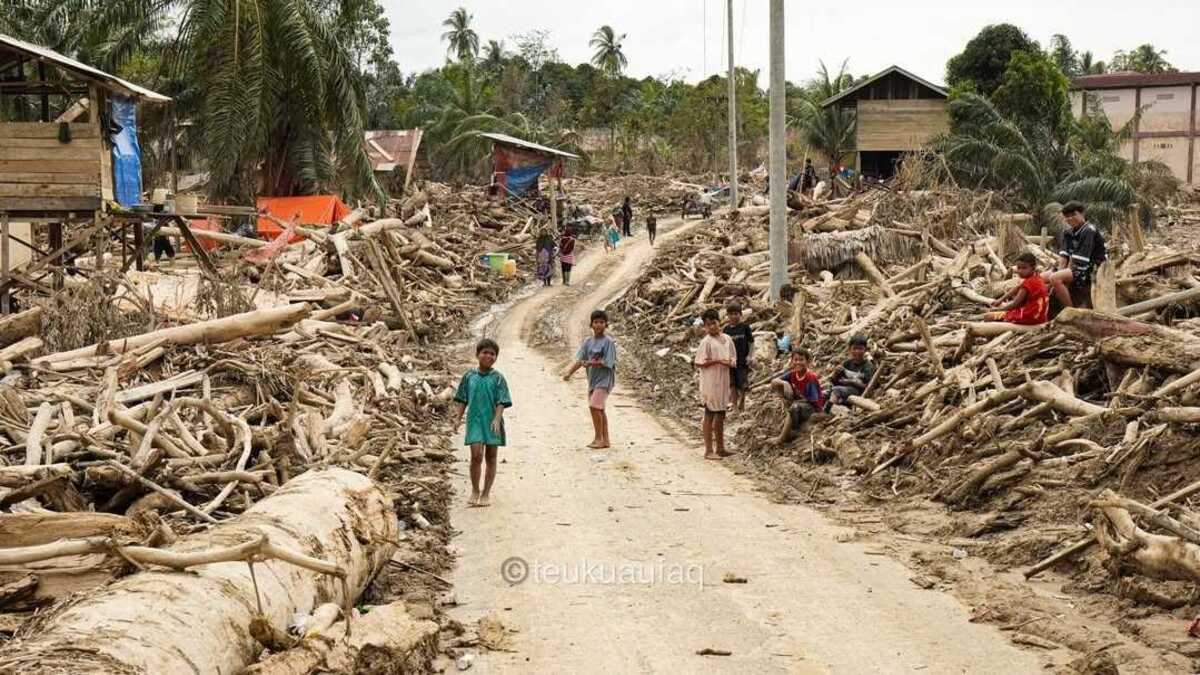
Indonesia’s government has imposed a two-week deadline on regional administrations to finalise data on residents whose homes were destroyed or who remain missing following devastating floods and landslides in Sumatra, as recovery operations continue across three provinces with more than a thousand lives lost.
Home Affairs Minister Tito Karnavian, who also chairs the Task Force for the Acceleration of Post-Disaster Rehabilitation and Reconstruction (PRR) in Sumatra, warned that delays in submitting verified data could prevent affected communities from receiving permanent housing assistance.
“If within two weeks the data is not provided, I will leave. The residents will not receive help because the regents and mayors did not provide the data. I will announce this to the public,” Tito said during the inauguration of temporary housing units broadcast via the National Disaster Mitigation Agency (BNPB) channel on Thursday, 5 February.
The warning reflects frustration within the central government over slow reporting by local administrations, which has complicated planning for permanent housing construction.
Flood Disaster Death Toll Passes 1,200
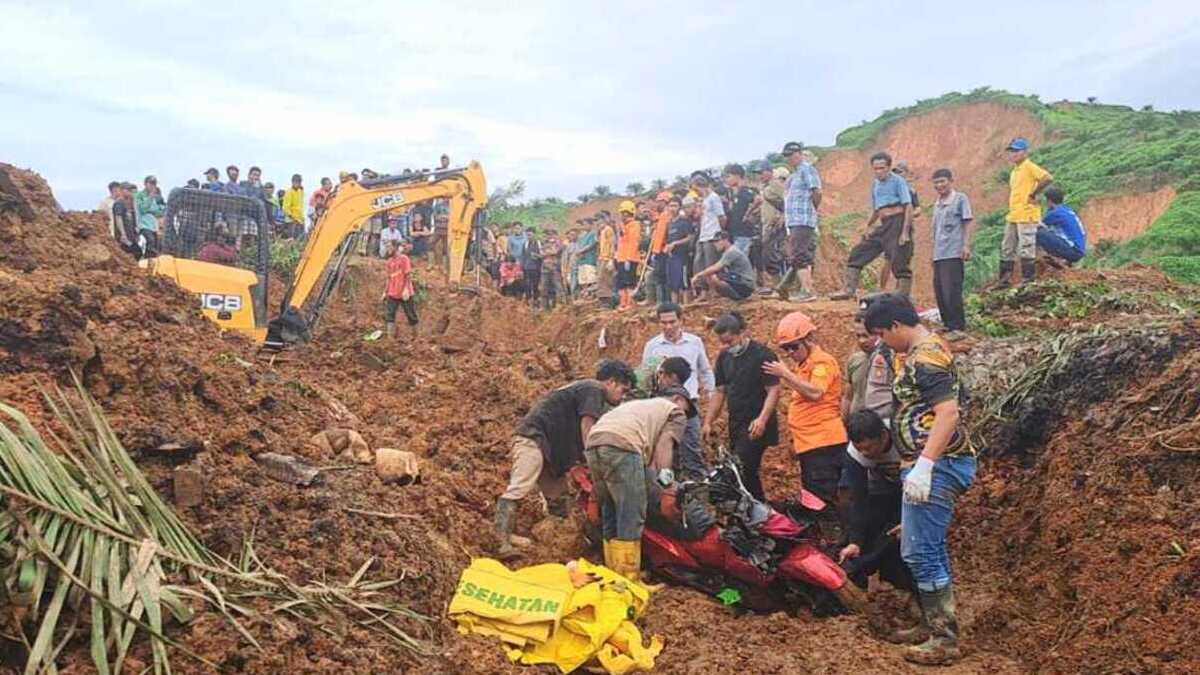
Indonesia’s National Disaster Mitigation Agency (BNPB) reported that the death toll from floods and landslides across Sumatra has reached 1,204 people, making it one of the deadliest disasters in the region in recent decades.
“The total number of fatalities has reached 1,204, while 140 people remain missing,” BNPB Head of Disaster Data, Information and Communication Centre Abdul Muhari said in a statement on 3 February.
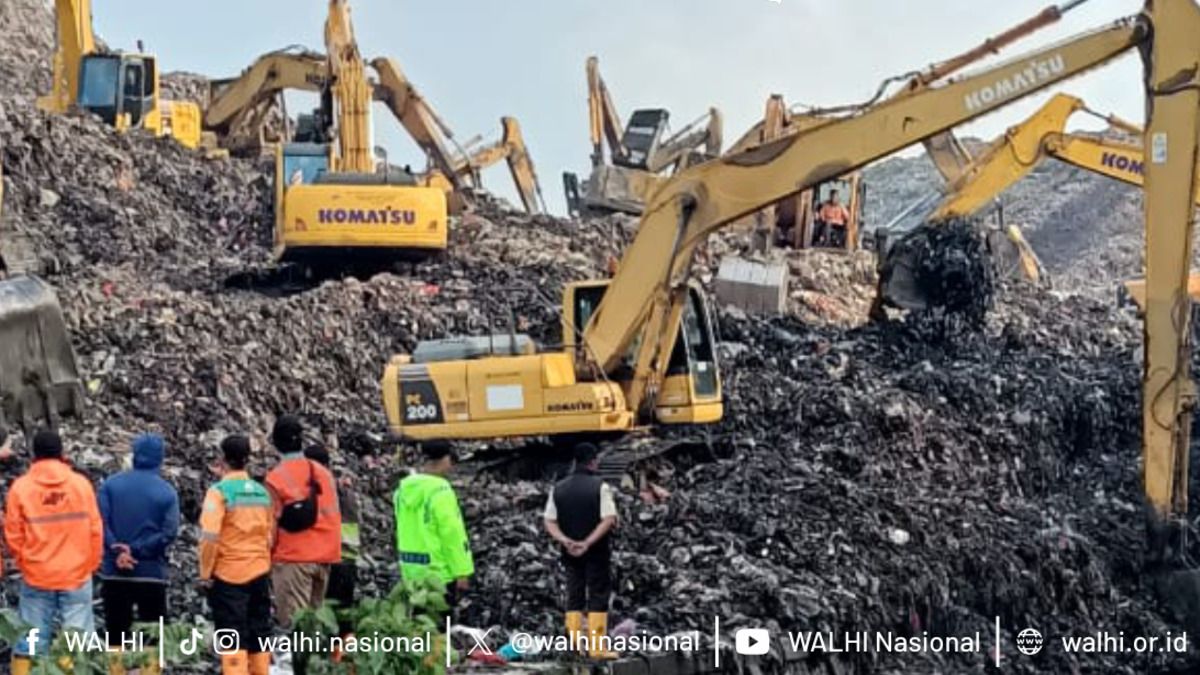
Search operations for missing victims are continuing in several affected areas, although difficult terrain and weather conditions have complicated rescue efforts.
More than 105,000 people remain displaced as recovery efforts continue.
“Recovery of residential areas continues to be intensified so that affected regions can gradually become safe for residents to return,” Abdul said.
BNPB also reported that between 29 November 2025 and 27 January 2026, authorities distributed 1,767 tonnes of relief supplies to disaster-hit communities. Aid deliveries were conducted using multiple transport modes, including 56 charter flight sorties, 68 Hercules military transport aircraft sorties, 55 truck deliveries via land routes, and seven shipments by sea.
Tens of Thousands of Homes Damaged
Government assessments show housing damage across Aceh, North Sumatra and West Sumatra remains extensive, with 35,208 houses suffering light damage, 17,350 moderately damaged, and 24,443 severely damaged.
Authorities also recorded 1,750 houses completely lost or swept away, while 5,832 houses remain under verification. In total, 88,930 homes were affected by the disasters that struck large parts of Sumatra in late November 2025.
Government assistance is distributed according to damage severity, with residents receiving Rp15 million (about US$890) for lightly damaged homes, Rp30 million (around US$1,780) for moderately damaged houses, and up to Rp60 million (about US$3,570) for severely damaged homes.
Families awaiting permanent housing reconstruction are eligible for temporary housing assistance of Rp600,000 per month (around US$36), paid upfront for three months, totalling Rp1.8 million (about US$107).
Temporary Housing Rolled Out Across Provinces
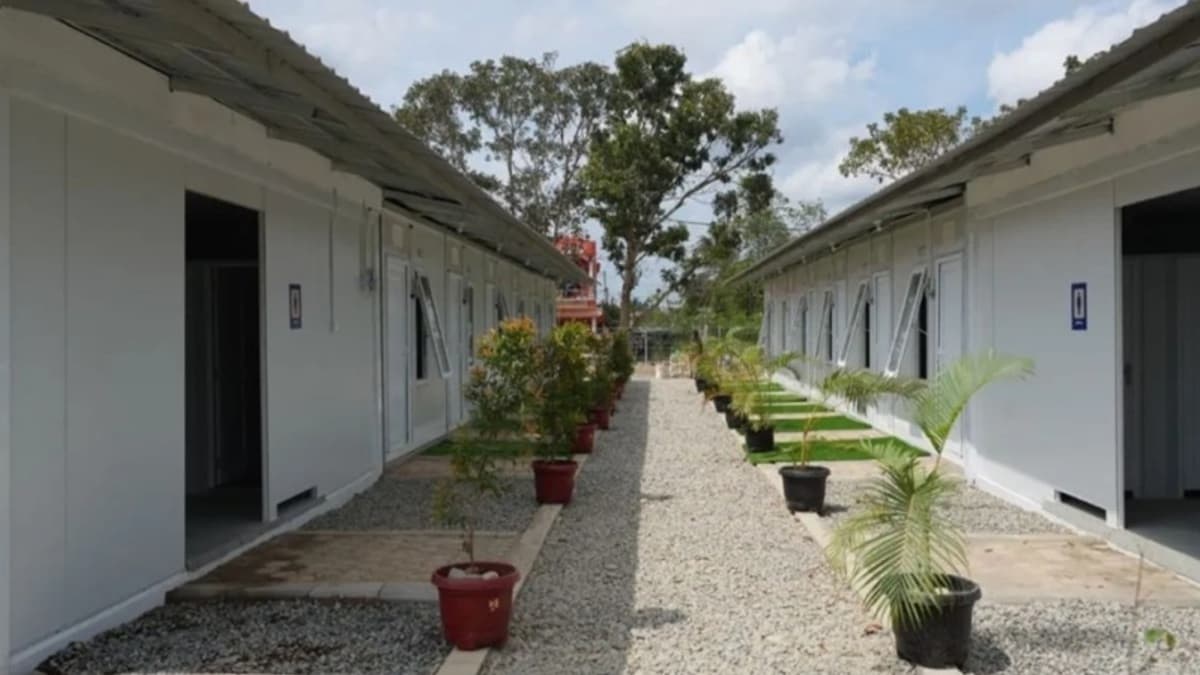
On Thursday, Tito inaugurated 1,300 temporary housing units across eight disaster-affected regencies and cities, aimed at moving survivors from emergency shelters into safer accommodation.
“I represent President Prabowo Subianto in inaugurating temporary settlements in eight disaster-affected regions,” Tito said.
The largest number of temporary housing units was constructed in North Sumatra, including 250 units in South Tapanuli, 112 units in Central Tapanuli and 40 units in North Tapanuli. Additional units were built in Aceh and West Sumatra, including 410 units in Pidie Jaya, 308 units in East Aceh, 84 units in North Aceh, 58 units in Aceh Tamiang, and 38 units in Tanah Datar.
In Simarpinggan village in South Tapanuli, BNPB and state-owned investment company Danantara built 200 temporary houses complete with communal kitchens, toilets, prayer facilities, playgrounds and sports areas to improve living conditions for displaced families.
Tito stressed that temporary housing is crucial to prevent prolonged stays in evacuation tents.
“The government does not want evacuees to remain in tents for too long,” he said.
Two Housing Options for Survivors
Residents whose homes were destroyed can choose between rebuilding in their original locations if deemed safe, or relocating to areas considered less prone to disasters. Permanent housing construction is coordinated by the Ministry of Public Housing and Settlement Areas.
However, Tito criticised slow data submission by some regional governments and urged local administrations to establish dedicated teams to accelerate verification.
Recovery Progress Uneven Across Regions
The disasters affected 52 regencies and cities across Sumatra — 18 in Aceh, 18 in North Sumatra and 16 in West Sumatra.
Authorities report that 27 regions have returned to normal conditions after two months of recovery work, while 15 regions are approaching recovery. However, 10 regions still require special attention due to the severity of damage.
In Aceh, priority areas include Pidie Jaya, Aceh Tamiang, North Aceh, Central Aceh, East Aceh and Bireuen. In North Sumatra, North Tapanuli and Central Tapanuli still face major recovery challenges. In West Sumatra, Padang Pariaman and Agam regencies remain under focused recovery programmes.
Infrastructure Repairs Continue Until 2028
Public Works Minister Dody Hanggodo said infrastructure restoration remains a long-term effort, with full recovery targeted by 2028.
Floods and landslides damaged 99 national roads and 33 national bridges, all of which were restored to functional condition by late December to maintain logistics and fuel supply routes.
At the provincial level, 2,066 roads and 799 bridges were damaged. Repairs to roads have reached about 91 percent completion, with full restoration targeted by August 2027. Bridge repairs, however, have progressed more slowly, reaching only 43 percent completion due largely to remote access challenges, with completion expected by October 2028.
Irrigation infrastructure was also heavily affected, with repairs reaching only around 23 percent completion so far. Authorities are prioritising irrigation networks supporting active agricultural areas.
Authorities also plan sediment-control infrastructure, including sabo dams and check dams across rivers in North Sumatra and Aceh, to reduce risks of future flooding.
“There is still potential for future floods,” Dody warned.
Pressure Mounts for Faster Action
With over 105,000 people still displaced and reconstruction ongoing, the government is pressing regional authorities to accelerate data verification so permanent housing construction can proceed without further delay.
Tito warned that administrative delays could deprive disaster victims of assistance.
“This shows how crucial coordination between central and regional governments is,” he said.