Sumatra floods and landslides kill over 1,190, leaving hundreds missing months later
Deadly floods and landslides in Sumatra have claimed more than 1,100 lives, exposing deep environmental vulnerabilities and raising questions over accountability nearly two months after the disaster.
- Floods and landslides in Sumatra have killed at least 1,190 people, with 141 still missing as of mid-January 2026.
- Aceh, North Sumatra and West Sumatra suffered extensive displacement and infrastructure damage.
- Environmental groups link the scale of the disaster to deforestation and weak watershed protection.
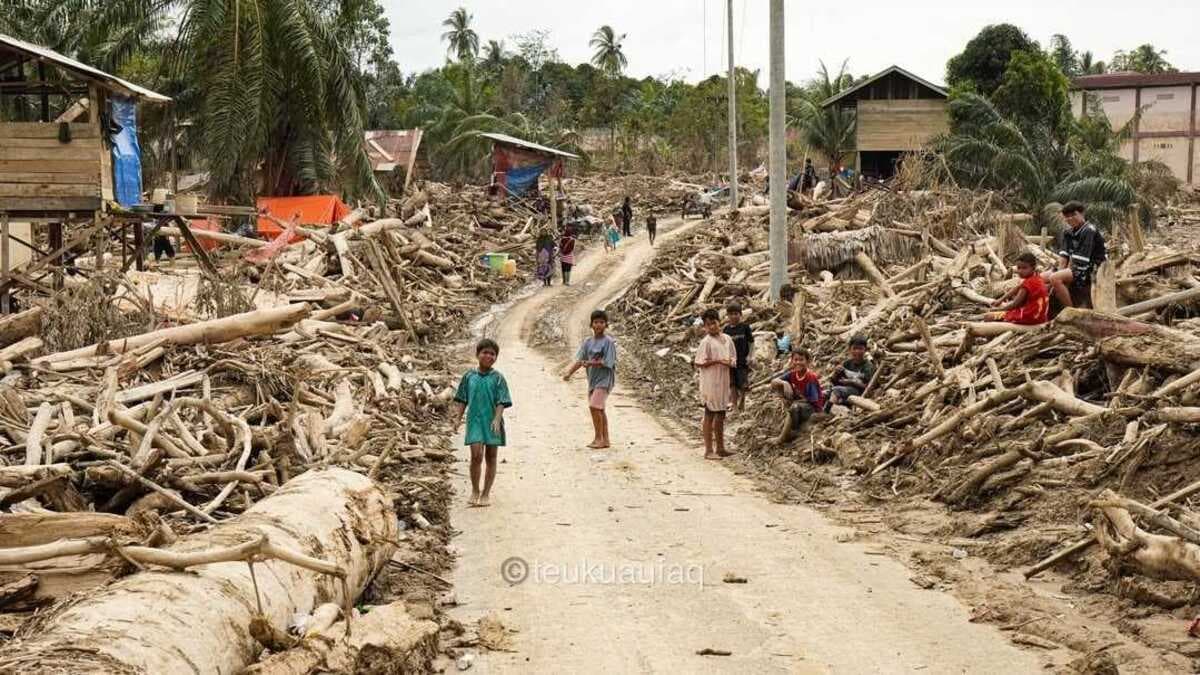
Floods and landslides that struck three provinces on the island of Sumatra at the end of November 2025 have left one of Indonesia’s deadliest disaster legacies in recent decades, with more than a thousand lives lost and hundreds still unaccounted for nearly two months later.
According to the latest consolidated data released by the National Disaster Management Agency (BNPB), the disaster had claimed 1,190 lives, with 141 people officially listed as missing.
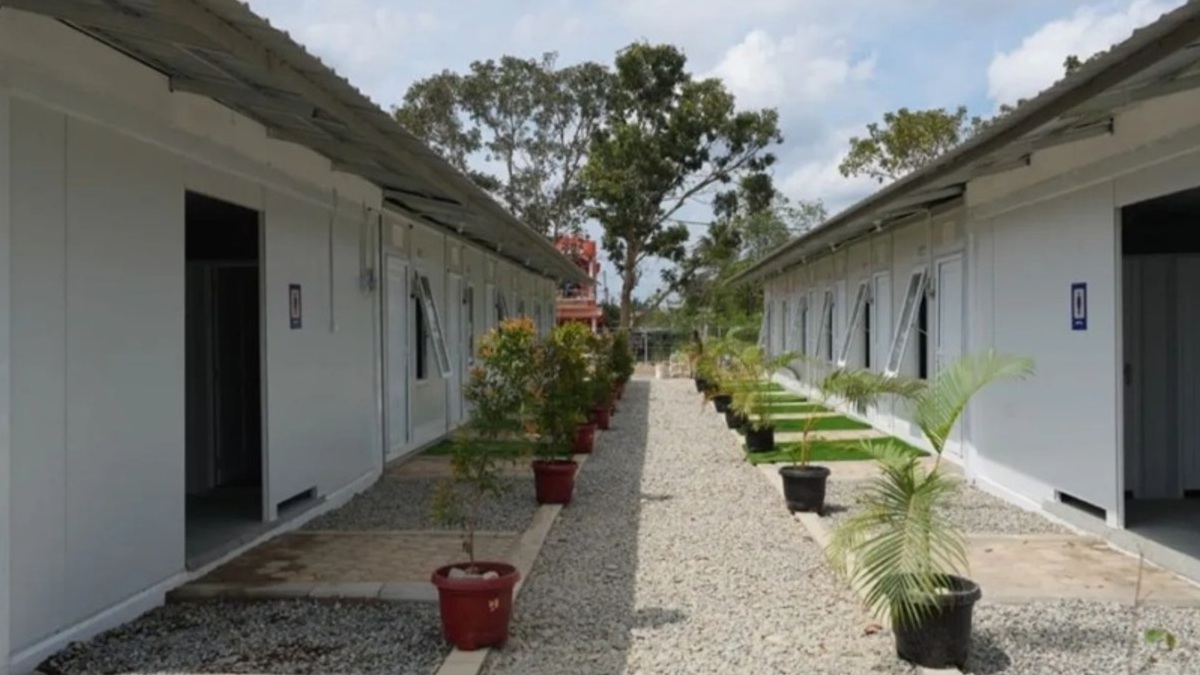
A further approximately 131,500 people remain displaced across affected districts in Aceh, North Sumatra and West Sumatra.
The figures highlight not only the ferocity of the floods and landslides, but also the prolonged and uneven nature of rescue, recovery and verification efforts in remote and heavily damaged areas.
Province-by-province death toll
The human cost has been most severe in Aceh, where mountainous terrain, forest degradation and prolonged inundation complicated evacuation and search operations.
-
Aceh recorded 551 deaths, with 28 people still missing.
-
North Sumatra reported 375 fatalities and 41 missing persons.
-
West Sumatra recorded 264 deaths, while 72 people remain unaccounted for, the highest number of missing among the three provinces.
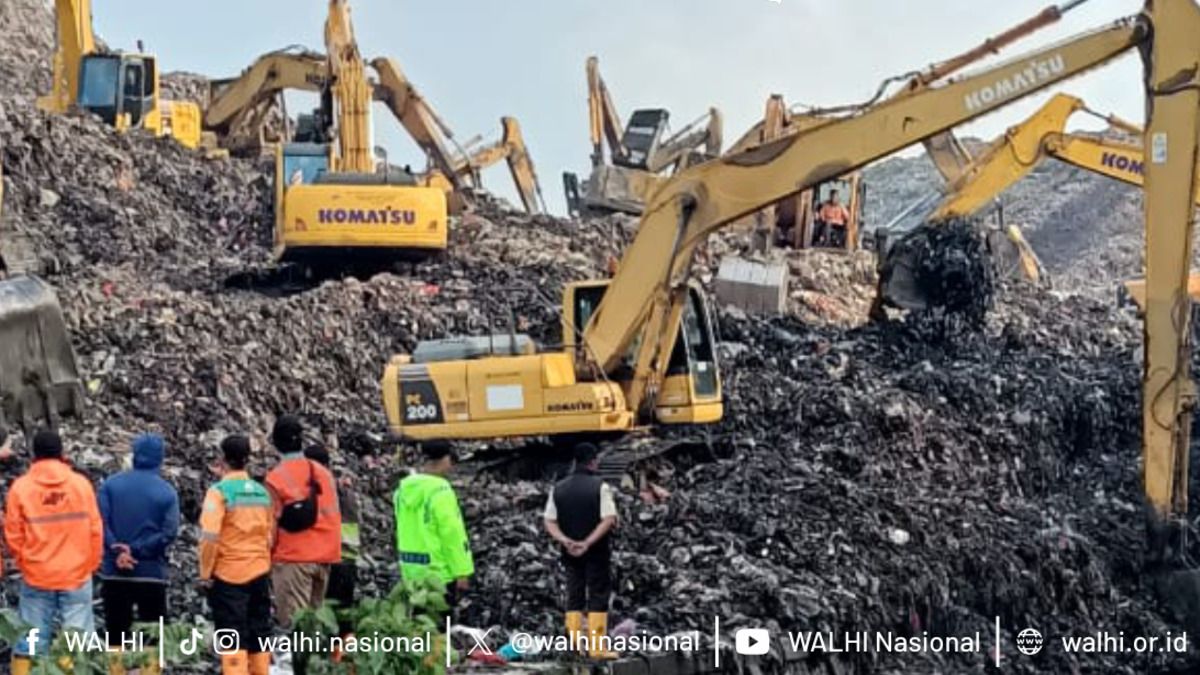
Emergency officials said the number of missing people may still change as search teams continue to recover bodies from landslide zones and flood debris, particularly in upstream and forest-edge communities that were cut off for days or weeks.
Displacement and infrastructure damage
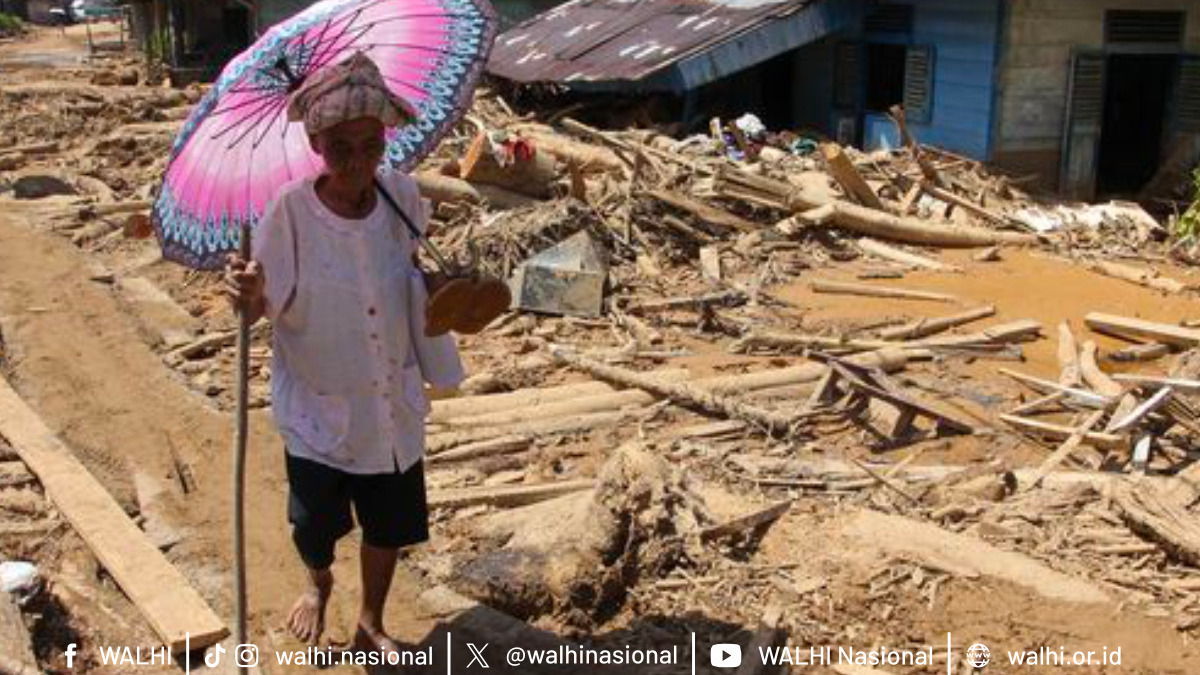
Beyond the death toll, the disaster has displaced entire communities. BNPB estimates that more than 131,500 residents are still living in temporary shelters, relatives’ homes or makeshift accommodation, with many unable to return because villages, farmland and access roads remain buried or unstable.
The scale of physical destruction is extensive. Across the three provinces, authorities have recorded damage to 175,050 houses, alongside the destruction or impairment of key public infrastructure:
-
3,188 educational facilities, disrupting schooling for tens of thousands of children;
-
803 places of worship, often used as emergency shelters in rural areas;
-
215 health facilities, limiting access to medical care;
-
776 bridges and 2,056 roads, fracturing transport networks and slowing aid delivery.
Disaster experts warn that damaged infrastructure has compounded the death toll indirectly, particularly among vulnerable groups such as the elderly, children and those with chronic illnesses.
From extreme weather to mass casualties
The floods and landslides were triggered by days of intense rainfall between 25 and 27 November 2025, following warnings from the national meteorology agency about a developing low-pressure system over western Indonesia.
What began as heavy rain rapidly escalated into catastrophic flooding and slope failures across multiple river basins.
Early assessments by BNPB recorded hundreds of deaths within the first week.
As access improved and data from district authorities were consolidated, the toll rose steadily, eventually surpassing 1,000 fatalities nationwide, with Sumatra accounting for the vast majority.
Environmental groups argue that the scale of loss reflects not only extreme weather, but deep-seated ecological vulnerability.
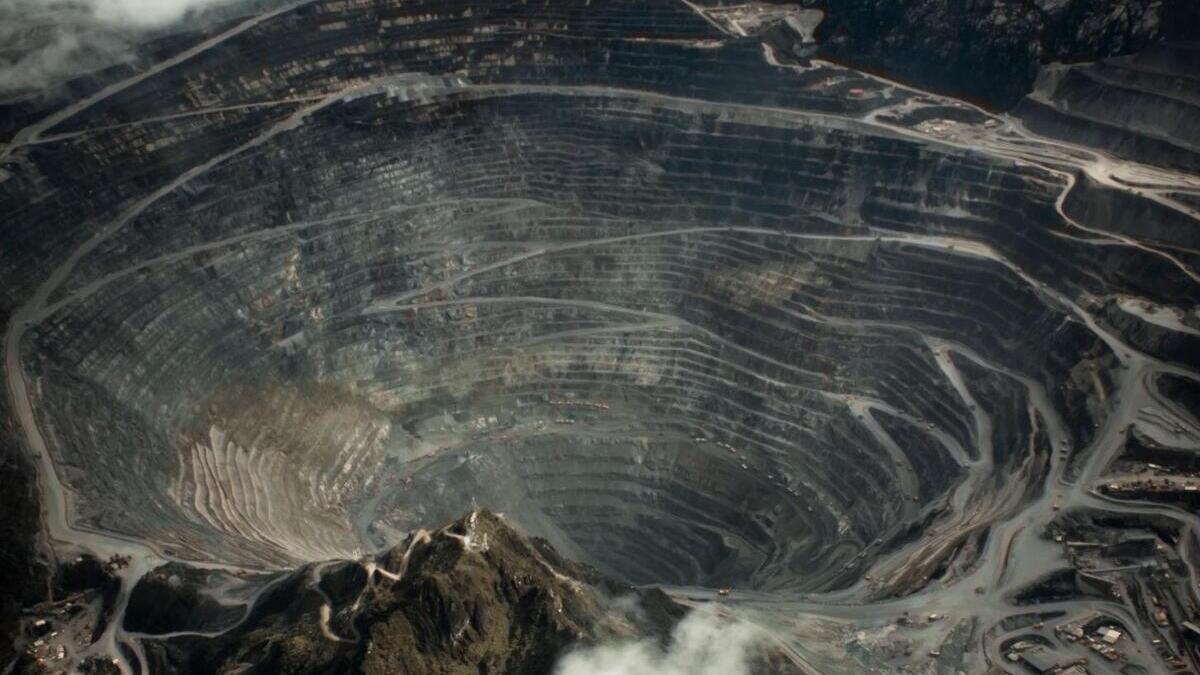
The Indonesian Forum for the Environment, WALHI, has repeatedly described the disaster as a “man-made tragedy”, pointing to decades of deforestation, mining and plantation expansion in upstream watershed areas.
Victims beyond the numbers
Behind the statistics lie stories of prolonged suffering.
In parts of Aceh and North Sumatra, floodwaters lingered for weeks, isolating villages and forcing residents to survive with limited food, clean water and electricity.
Local media reported residents raising white flags along sections of the Trans-Sumatra highway as a distress signal, echoing imagery associated with past national disasters.
Humanitarian organisations warn that the long displacement period increases the risk of secondary deaths from disease, malnutrition and mental health crises, particularly among children who have lost access to schools and routine healthcare.
“The longer people remain displaced, the higher the hidden death toll becomes,” one disaster response coordinator said, noting that official fatality figures rarely capture indirect mortality.
Accountability and unanswered questions
As the victim count continues to dominate public attention, pressure is growing on the government to explain why the impact was so severe.
WALHI has accused authorities of failing to act decisively against companies operating in degraded watersheds, despite preliminary findings by investigators linking deforestation to the intensity of flooding.
The group has called for licence revocations, criminal prosecutions and compensation for affected communities, arguing that administrative sanctions alone cannot address what it describes as structural environmental crimes.
Government agencies have yet to announce criminal charges against any company, a delay that critics say prolongs the suffering of victims’ families and undermines confidence in post-disaster accountability.