West Sumatra residents file Citizen Lawsuit alleging state negligence in ecological disasters
Residents of West Sumatra have filed a Citizen Lawsuit accusing state authorities of negligence in preventing and responding to recent ecological disasters. Civil society groups across Sumatra also call for national disaster status as casualties and damage continue to rise.
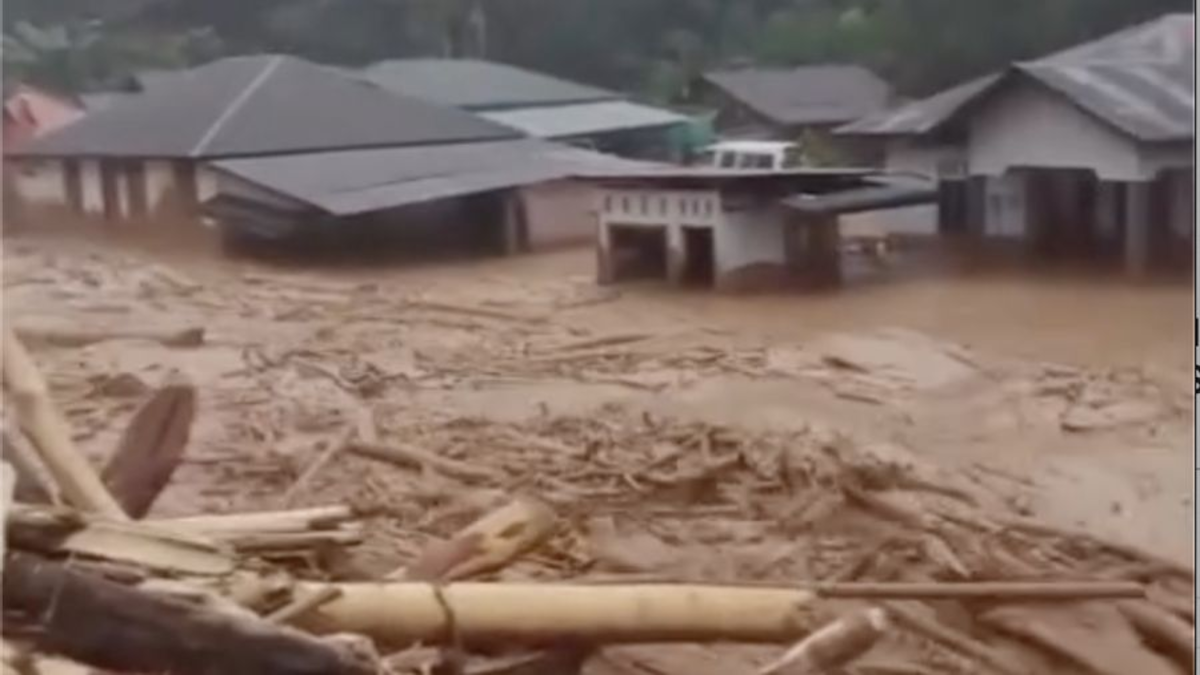
- Residents of West Sumatra have submitted a Citizen Lawsuit alleging state negligence in recent ecological disasters.
- Civil society groups across Sumatra also urge a national disaster declaration due to severe casualties and damage.
- Government officials maintain that existing regional emergency mechanisms remain sufficient.
On International Human Rights Day, residents of West Sumatra submitted a formal notification of a Citizen Lawsuit (CLS), alleging state negligence in preventing and mitigating the ecological disasters that have struck the province since late November.
The Ecological Justice Advocacy Team is representing affected communities from Padang City, Agam Regency, Tanah Datar Regency and Solok Regency.
The filing followed ten days of public appeals—issued through YLBHI–LBH networks across Sumatra—urging the government to declare a national disaster. Those calls have so far gone unanswered.
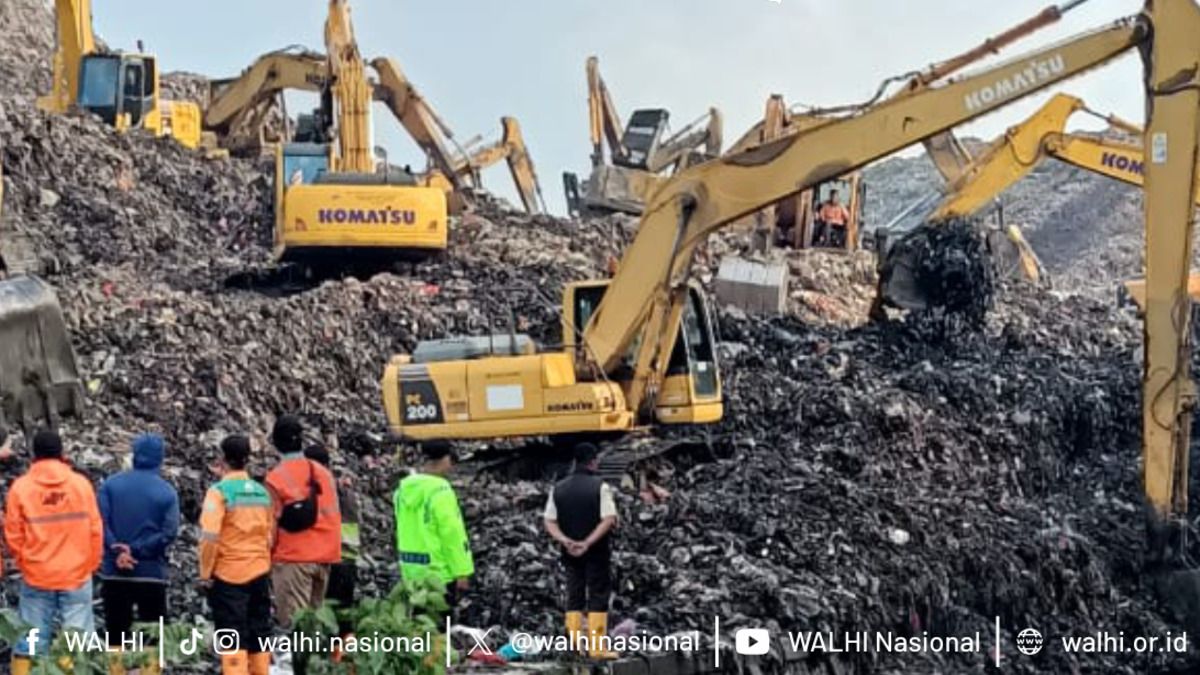
According to the latest BPBD data, West Sumatra alone has recorded substantial losses: 238 deaths, 93 missing persons, 113 injured; damage to 8,300 houses, 486 public facilities, 216 schools, 65 health centres, 205 places of worship, 29 buildings and 64 bridges (BNPB, 10 December 2025).
The chain of disasters began on 26 November in Agam Regency after continuous heavy rain from 20 November, influenced by a tropical-cyclone system. BMKG recorded rainfall reaching 154 mm per day.
The Ecological Justice Advocacy Team argues the devastation cannot be attributed solely to extreme weather, but reflects long-standing “systematic negligence” — including illegal logging and mining, weak permit governance, deforestation and the degradation of watershed (DAS) areas.
Geographic Information System (GIS) mapping by LBH Padang shows many impacted sites sit in altered land-use zones, converted hazard areas or watershed regions opened to settlement or permitted activities.
Weak enforcement has allowed illegal operations to persist, including gold mining in Nagari Simanau (Solok), mining in Sulik Aie (Solok), logging in Padang’s upper watershed, activities in the Megamendung Nature Tourism Park and forest clearing in the 3,043-hectare Maninjau Nature Reserve.
West Sumatra’s Forestry Service recorded more than 28,000 hectares of deforestation in 2025 and 48,174 hectares of forest loss between 2020 and 2024, significantly increasing hydrological risk.
Residents argue these conditions breach constitutional obligations and violate the Environmental Protection and Management Act (UU PPLH), spatial-planning regulations, the Disaster Management Act and international human-rights instruments such as the ICESCR and the Paris Agreement.
Through the CLS, they demand immediate review of permitting systems, an end to spatial-planning violations and a just and lawful recovery process.
The lawsuit names officials responsible for spatial oversight, disaster mitigation, development planning and law enforcement, including: the President; the Minister of Forestry; the Minister of National Development Planning/Head of Bappenas; the Minister of Agrarian Affairs and Spatial Planning; the Minister of Home Affairs; the BNPB Chief; the National Police Chief and the West Sumatra Regional Police Chief; the Governor of West Sumatra; and the mayors and regents of affected areas.
Residents allege these officials allowed malpractice, issued improper permits and failed to enforce existing laws — conditions that directly amplified the scale of the disaster.
The CLS notification was delivered by post and in person by the Ecological Justice Advocacy Team. If no concrete action is taken within 60 working days, the lawsuit will proceed to the Padang Administrative Court (PTUN Padang).
Adrizal, representing the advocacy team, said the disasters across the three affected provinces “cannot be viewed as seasonal natural events, but as planned disasters — the result of unchecked exploitation of forest areas despite years of warnings and rising deforestation.”
He said systemic failures in permitting and enforcement have led to hundreds of deaths and widespread destruction, while survivors continue to face inadequate emergency support and incomplete data collection.
He also cited past incidents illustrating weak enforcement, including a police-linked shooting associated with illegal mining in South Solok; an illegal mine in Lubuak Matuang that reopened two weeks after closure; and illegal mining in Sungai Abu, Solok, repeatedly reported since 2017/2018 but never properly addressed, resulting in fatal landslides.
Adrizal added that disputes between central and regional authorities had delayed action and placed residents at greater risk.
Civil-Society Coalition Presses for National Disaster Status
On 10 December, a coalition of 113 civil society organisations issued a legal notice urging President Prabowo Subianto to declare the severe floods and landslides in Aceh, North Sumatra and West Sumatra a national disaster.
In a statement carried by YLBHI, the coalition cited the scale of casualties, infrastructure collapse and severe socio-economic disruption.
BNPB data as of 11 December reports 990 deaths and 222 missing across the three provinces. Tens of thousands remain displaced, with numbers expected to rise as search operations continue.
YLBHI Chair Muhammad Isnur highlighted significant risks for vulnerable groups in shelters with limited water, sanitation, medical services and reproductive healthcare.
He warned that slow evacuation and aid distribution threaten to increase casualties. The coalition said disrupted roads and communications continue to hamper logistics, isolating several districts.
It also noted widespread economic losses due to damaged farms, homes and businesses. The coalition argued that local governments cannot manage the crisis alone and called for national funding, technical assistance and integrated reconstruction planning.
Isnur stressed that victims have constitutional rights to demand accountability not only from the State but also from private companies whose activities contributed to environmental degradation, potentially amounting to ecocide.
The coalition said national-disaster status would enable cross-regional investigations into structural causes, ensure oversight and enforce responsibility.
WALHI Executive Director Boy Jerry Even Sembiring said the situation meets all indicators for national-disaster status and emphasised the need for gender-sensitive emergency management and robust governance through the recovery phase. He urged the President to take decisive action.
Government Response and Ongoing Operations
The central government maintains its current approach is adequate. Coordinating Minister for Human Development and Culture, Pratikno, said national resources have already been mobilised under existing mechanisms, involving ministries, agencies, the armed forces and police.
President Prabowo Subianto reiterated on 1 December that regional emergency status is sufficient and that authorities are closely monitoring developments.
BNPB has identified Agam, Aceh Utara, Tapanuli Tengah and Tapanuli Selatan as among the worst-affected regions, with Bener Meriah and Aceh Tengah also severely impacted.
Search, evacuation and relief operations are ongoing, though difficult terrain and shifting weather continue to hinder progress.
Provisional government estimates the total recovery needs across Aceh, North Sumatra and West Sumatra at more than Rp51.82 trillion (S$4 billion).
BNPB Chief Suharyanto said Aceh alone requires Rp25.41 trillion, with figures likely to change as data collection continues. Several districts remain isolated, while communication and electricity restoration is gradually advancing across affected areas.