Greenpeace Indonesia warns of escalating ecological and human-rights crises in 2025
Greenpeace warn that Indonesia’s 2025 ecological disasters reflect deeper governance failures, as rights organisations document a rise in violence, intimidation and restricted civic space across the country.

- Greenpeace says Sumatra’s deadly floods are human-made, driven by deforestation, mining and state negligence.
- The group links the ecological crisis to rising repression, including attacks on journalists and mass arrests.
- It urges the government to declare a national disaster and halt harmful extractive projects.
Environmental group Greenpeace Indonesia has issued a sharply worded letter to the Indonesian government, warning that the country is facing a “perfect storm” of ecological disaster and democratic decline as the nation marks International Human Rights Day on 10 December.
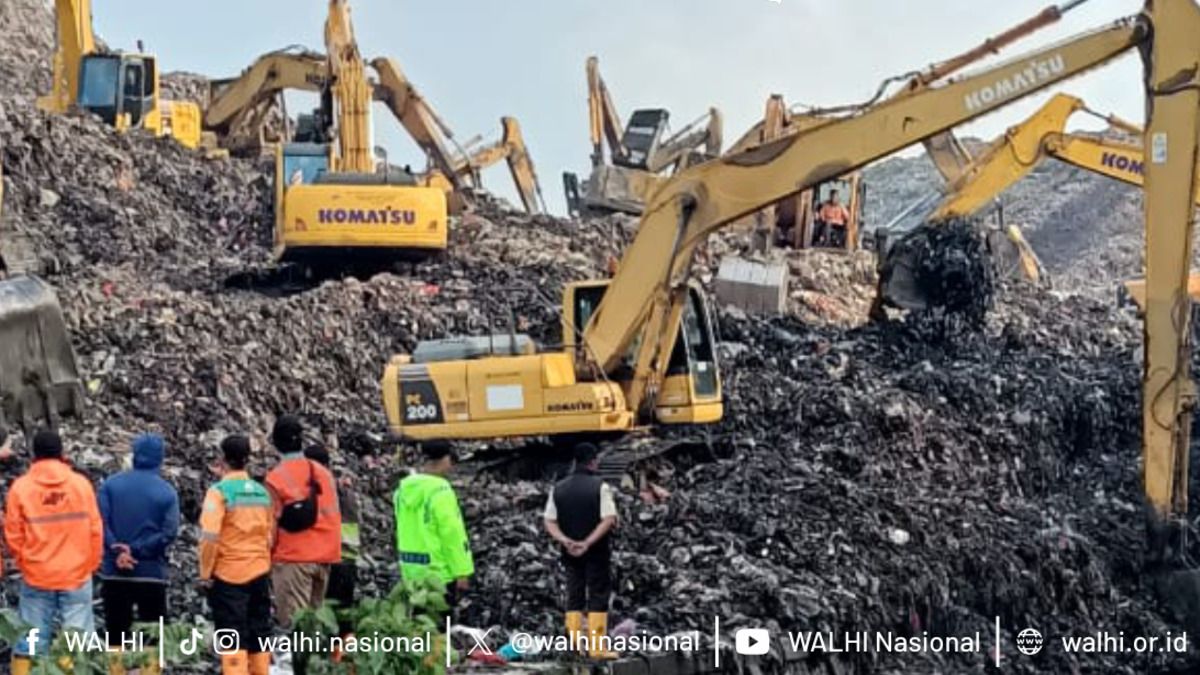
In the letter, Greenpeace urged President Prabowo Subianto to immediately declare a National Disaster Status for the ongoing humanitarian crisis in Sumatra, where floods and landslides in Aceh, North Sumatra and West Sumatra have killed hundreds and displaced hundreds of thousands.
The group said the situation is no longer a natural disaster alone, but a human-made crisis stemming from environmental destruction, regulatory failures and weak disaster-risk governance.
Environmental Damage and Conflict Intensifying Crises
Greenpeace Oceans Campaigner for Legal and Human Rights, Fildza Nabila, said the scale of devastation in Sumatra reflects years of unchecked deforestation, mining expansion and land-use changes. She noted that communities have been left with limited capacity to respond as infrastructure collapses and entire villages are cut off from aid.
The organisation also linked the ecological crisis to a series of conflicts between corporations and Indigenous peoples. In September, clashes in the Toba Pulp Lestari concession area in North Sumatra highlighted concerns about the shrinking of customary land and the role of security forces in backing corporate operations.
Greenpeace cited similar patterns in earlier disasters, including floods in North Morowali in January and Central Halmahera in July, which followed mining expansion in both regions.
Letter Condemns “Escalating Repression” Across Indonesia
Beyond environmental concerns, the Greenpeace letter warns that civic space in Indonesia is “rapidly shrinking”.
Citing data from Amnesty International, the organisation highlighted at least 104 attacks on human-rights defenders in the first half of 2025 alone, with police identified as the state institution most frequently implicated.
The letter also references high-profile incidents, including the terror attack on Tempo magazine’s office in March and the killing of journalist Rico Sempurna Pasaribu in an arson attack in Kabanjahe after reporting on alleged criminal activity involving security personnel.
Mass arrests of protesters have also drawn scrutiny. Between 25 August and 1 September, police detained 4,194 demonstrators nationwide — 959 of whom were charged. Greenpeace noted that 295 minors were among those arrested, along with 12 activists charged with “incitement”.
The letter further cites cases of police violence recorded toward the end of the year, including the shooting of five farmers in Bengkulu and a drone strike in Yahukimo, Papua.
Greenpeace Highlights Broader Rights Concerns
Greenpeace warns that repression is affecting multiple regions. In Aceh, the establishment of four new military battalions has heightened fears of renewed militarisation. In parts of Central Java’s northern coast, fishing communities struggling with erosion and poverty have become vulnerable to trafficking networks.
Meanwhile, reclamation and mining-zone designation in North Sulawesi continue to displace coastal communities without consultation.
“These cases are not isolated,” the letter states. “Human-rights violations, environmental destruction and repression stem from a development model that prioritises extraction over the wellbeing of its citizens.”
Calls for National Disaster Declaration and Police Reform
The letter outlines three key demands:
-
Declare a National Disaster Status for the humanitarian emergency in Sumatra.
-
Suspend extractive and high-risk projects that exacerbate environmental damage.
-
Undertake comprehensive police reform to address impunity, excessive force and the criminalisation of civilians.
Greenpeace argues that without decisive action from the central government, the ongoing crises risk deepening — both in terms of ecological damage and democratic backsliding.
“Protecting civic space is the minimum requirement for safeguarding democracy,” Fildza said. “When people are silenced, harmful policies go unchallenged and human-rights abuses continue.”
As the humanitarian situation in Sumatra worsens and reports of rights violations accumulate nationwide, Greenpeace says Indonesia’s 2025 Human Rights Day should serve as a “wake-up call” for policymakers, not a ceremonial commemoration.