Civil society groups issue legal notice urging national disaster status for Sumatra floods
A coalition of 113 civil society organisations in Indonesia has formally issued a legal notice urging President Prabowo Subianto to declare the floods and landslides in Aceh, North Sumatra and West Sumatra a national disaster, citing loss of life, widespread damage and slow aid mobilisation.
- A coalition of 113 civil society organisations has issued a legal notice demanding that President Prabowo Subianto declare the Sumatra floods and landslides a national disaster.
- The coalition argues that the scale of fatalities, missing persons, displacement, and infrastructure damage meets all indicators requiring national status.
- The central government maintains that existing regional emergency status is sufficient and that national resources have already been deployed.
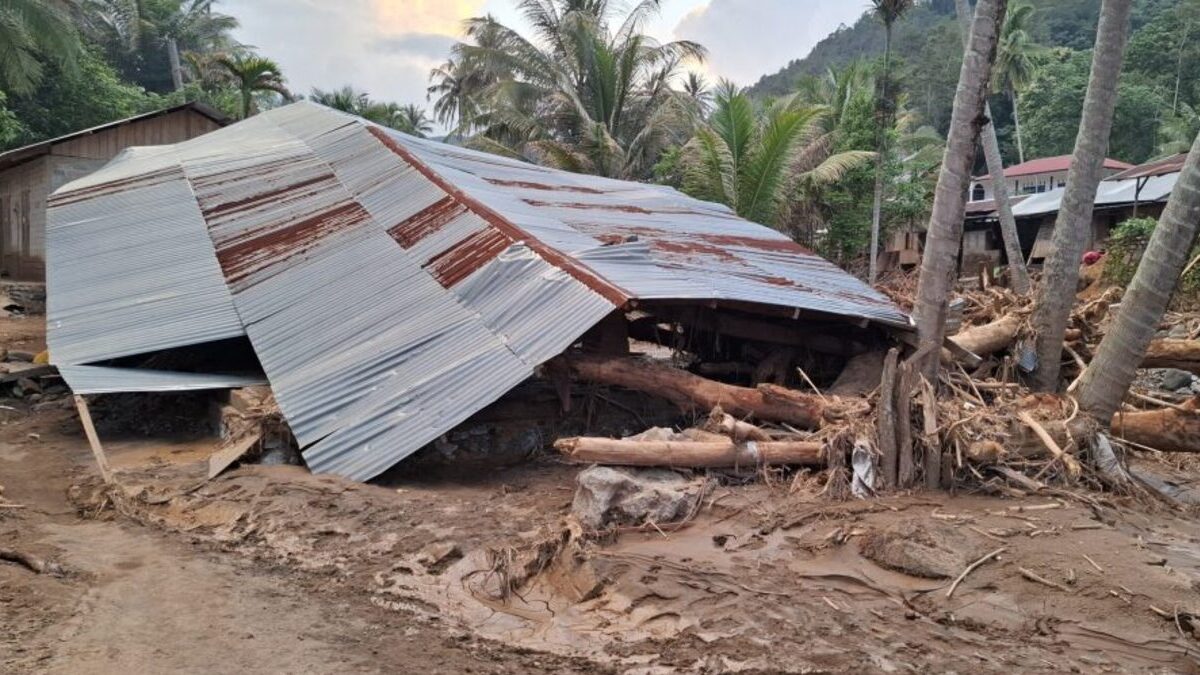
INDONESIA — A coalition of 113 civil society organisations has issued a legal notice urging President Prabowo Subianto to declare the severe floods and landslides in Aceh, North Sumatra and West Sumatra a national disaster.
According to a written statement published by the Indonesian Legal Aid Foundation (YLBHI), the coalition cited the scale of human casualties, extensive infrastructure damage and significant socio-economic losses.
BNPB data recorded as of 10 December 2025 shows 969 fatalities and 262 missing people. Tens of thousands of residents have been displaced, with authorities warning that figures may rise as search operations continue.
Muhammad Isnur, Chair of YLBHI, stated that conditions on the ground remain highly vulnerable. He highlighted risks faced by women, children, older persons and persons with disabilities in shelters with limited services.
Isnur noted that inadequate aid has widened disparities in access to clean water, safe sanitation, sanitary products and reproductive healthcare. He warned that limited evacuation access and slow aid mobilisation could lead to rising casualties.
The coalition added that infrastructure collapse, including road closures and disrupted communications, has hampered evacuations, medical response and logistics. Several districts remain isolated, leaving communities without adequate supplies.
According to the statement, the scale of socio-economic losses continues to burden affected residents. Thousands of homes, farms and businesses have been damaged or destroyed, halting economic activity.
The coalition argued that local governments cannot manage recovery alone. It called for full central government intervention, including national funding, technical assistance and integrated reconstruction planning.
Isnur emphasised that victims have constitutional rights to demand accountability not only from the state but also from private companies. He argued that environmental exploitation by private entities contributed to the scale of the disaster and may constitute ecocide.
The coalition stated that declaring a national disaster would enable cross-regional investigations into structural causes. It stressed the need for legal processes to address environmental damage and governance negligence.
Boy Jerry Even Sembiring, Executive Director of WALHI, said national disaster status is essential for life-saving efforts and gender-sensitive emergency management. He added that the situation across Aceh, North Sumatra and West Sumatra meets all indicators for such status.
Jerry underlined that the follow-up to a national disaster declaration should include good governance principles and multi-party oversight. He urged the president to take decisive action in the interest of public safety and the future of affected communities.
The central government has defended its current approach. Coordinating Minister for Human Development and Culture, Pratikno, said national resources have already been mobilised under existing procedures.
He noted that ministries, agencies, the armed forces and the police had been directed to maximise support in the affected provinces. Pratikno stated that this reflects a comprehensive national response despite the absence of a national disaster declaration.
President Prabowo Subianto said the regional emergency status remains sufficient to manage the floods and landslides. He stated during a visit to Tapanuli Tengah on 1 December 2025 that authorities continue to monitor the situation closely.
The contrasting positions of civil society groups and the government highlight ongoing debate over disaster governance. The coalition maintains that the severity of the humanitarian and environmental crisis demands heightened national intervention.
BNPB has identified Agam, Aceh Utara, Tapanuli Tengah and Tapanuli Selatan as among the worst-affected areas. Suharyanto, the BNPB Chief, noted that Bener Meriah and Aceh Tengah also remain severely impacted.
Search, evacuation and relief operations continue across the three provinces. Authorities warn that evolving weather conditions and difficult terrain may prolong recovery efforts.
Provisional government assessments indicate that more than Rp51.82 trillion (S$4 billion) will be needed to restore conditions in Aceh, Sumatra Utara and Sumatra Barat.
The estimate covers rehabilitation and reconstruction across housing, infrastructure and essential public services damaged by the floods and landslides.
BNPB Chief Suharyanto said the figures remain provisional as data collection continues, noting that Aceh alone requires Rp25.41 trillion. He added that several districts remain isolated, while restoration of communication and electricity networks is progressing across the affected provinces, though terrain and weather challenges persist.