Global Sumud Flotilla plans expanded spring mission to Gaza, citing unmet humanitarian needs
The Global Sumud Flotilla plans a renewed Gaza mission in spring, citing failures to implement ceasefire aid commitments. Organisers say humanitarian access remains severely limited, with most residents facing acute hunger despite increased aid deliveries and improved access since October.
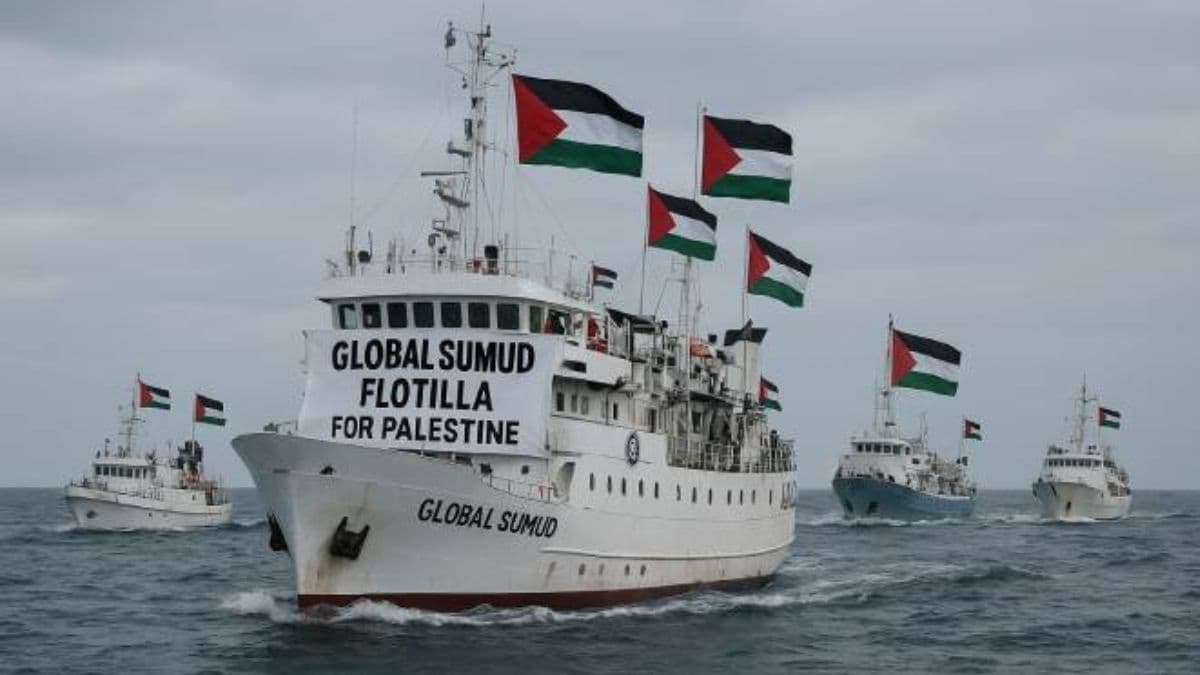
- The Global Sumud Flotilla plans a new Gaza mission in spring, citing unmet ceasefire aid commitments.
- Organisers say only 40–50 trucks enter daily, while most residents still face severe hunger.
- The flotilla is expected to expand internationally despite past Israeli interceptions.
The Global Sumud Flotilla plans to set sail again for war-torn Gaza in the spring, with broader international participation, as organisers argue that ceasefire commitments are not being implemented and humanitarian needs in the enclave remain unmet.
Speaking to Anadolu Agency, the mission’s Türkiye coordinator, Huseyin Durmaz, said that although the October ceasefire framework promised the entry of hundreds of aid trucks daily, only about 40 to 50 trucks are currently entering Gaza each day.
He added that many of the vehicles allowed through are commercial shipments rather than humanitarian aid, despite residents lacking the purchasing power to buy goods following widespread devastation.
“We are talking about a city that has been completely destroyed because of genocide,” Durmaz said, arguing that a larger and more coordinated mission is necessary to address the scale of the crisis.
Durmaz said preparations are under way for a significantly expanded flotilla involving more countries than previous missions, with organisers launching new initiatives to strengthen and renew their coalition.
Organisers call for larger, stronger actions for Gaza
“We see that in the coming spring months, many more new initiatives and major coalitions will form to deliver aid to Gaza,” he said, adding that the push has been driven by what he described as the failure to fully implement the ceasefire and meet basic humanitarian needs.
He also expressed concern that Israel could be pursuing policies that would ultimately force Gaza’s residents out of the territory, a fear he said was motivating wider international mobilisation.
“This is something that encourages us to organise, plan and carry out much larger and stronger actions again,” he said.
Durmaz said flotilla organisers believe international public pressure has previously influenced developments around Gaza, contributing to what he described as the awakening of a “global conscience”.
“What mattered most to us was embedding in people’s minds the idea that a great deal can be done for Gaza,” he said, adding that the movement aimed to demonstrate that coordinated global action is possible and can yield tangible results.
He said organisers expect attempts to question the necessity of another flotilla amid existing aid deliveries under the ceasefire, and that this underscores the need for stronger and more determined action.
According to Durmaz, the scale of the crisis has compelled organisers to seek “new ways and methods” to amplify the voices of Gaza’s residents and pursue bolder initiatives to bring an end to their suffering.
Previous flotilla attacks and allegations of abuse
Israel has previously attacked Gaza-bound ships, seized their cargo and deported activists on board.
In October, Israeli naval forces intercepted and seized more than 40 boats that were part of the Gaza-bound Global Sumud humanitarian flotilla, detaining more than 450 activists.
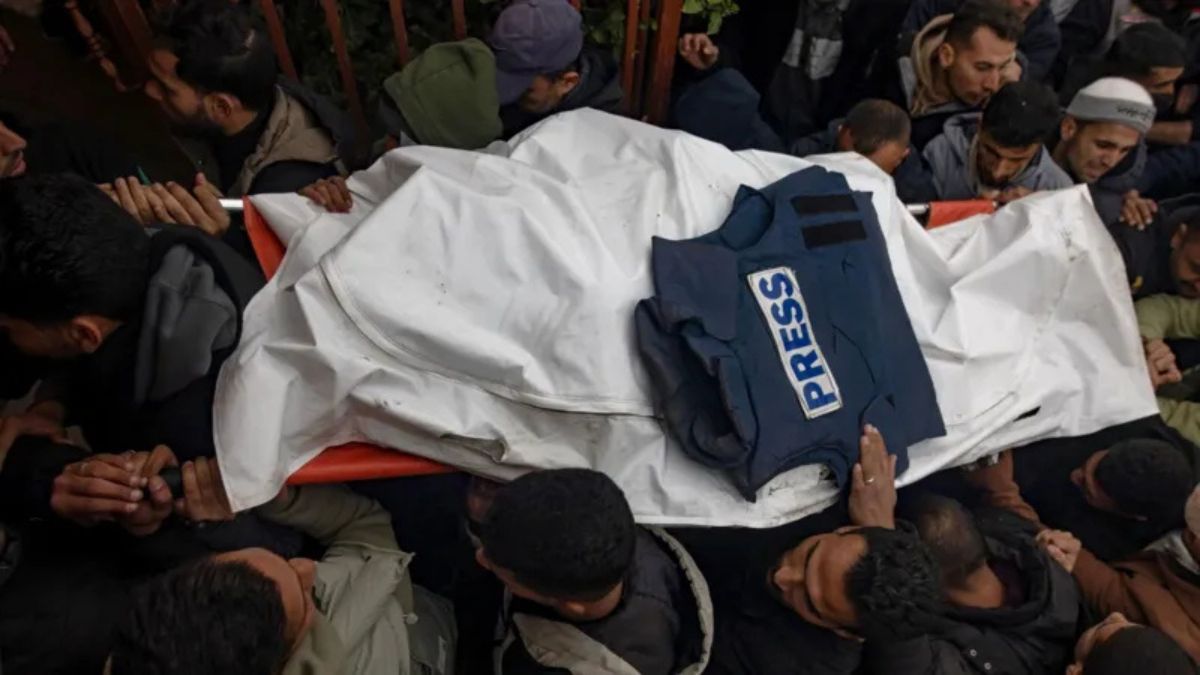
Several detainees later described alleged mistreatment while in Israeli custody.
One activist, a 25-year-old German journalist affiliated with the Freedom Flotilla Coalition, has alleged that she was raped while detained by Israeli authorities.
Anna Liedtke said the alleged assault occurred during a prison transfer after five days in custody.
Humanitarian conditions remain critical
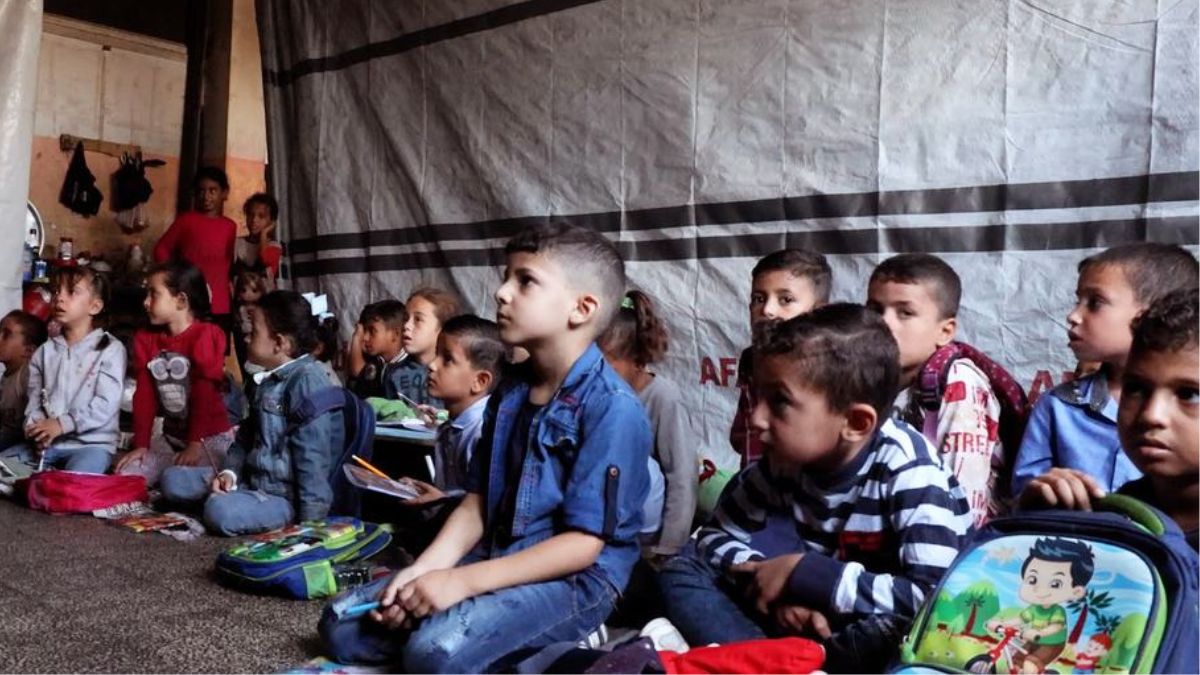
Israel has maintained a blockade on Gaza, home to nearly 2.4 million people, for almost 18 years, tightening restrictions in March when border crossings were closed and food and medical supplies were blocked, pushing the enclave into famine conditions.
In December 2025, the United Nations-backed Integrated Food Security Phase Classification (IPC) said food security in Gaza had improved following the October ceasefire, easing famine conditions.
However, it warned that the situation remained critical, with more than three-quarters of the population still facing acute hunger and malnutrition.
According to the latest IPC report, no areas of Gaza are currently classified as being in famine (IPC Phase 5), following improved humanitarian and commercial access after the 10 October ceasefire. Nevertheless, nearly the entire Gaza Strip remains in emergency (IPC Phase 4).
Between mid-October and the end of November, around 1.6 million people — about 77 per cent of the population analysed — faced crisis-level hunger or worse.
This included more than 500,000 people in emergency conditions and more than 100,000 people in catastrophe, the report said.
While food aid has increased, the IPC said assistance largely meets only basic survival needs, with health services, water and sanitation systems, housing and livelihoods still severely damaged, leaving families highly vulnerable.
Since 7 October 2023, Israeli attacks have killed more than 70,300 Palestinians in Gaza, including at least 20,179 children, according to Gaza’s health authorities.