Thai air strikes launched after ceasefire collapse in Cambodia border conflict
Thailand has launched air strikes along its border with Cambodia following renewed clashes and the breakdown of a ceasefire agreement. At least one Thai soldier has been killed, with more than 385,000 civilians evacuated amid rising regional tensions.
- Thai military confirms air strikes after renewed border clashes with Cambodia
- Ceasefire agreement brokered by Malaysia and the US has collapsed following mutual accusations
- Over 385,000 civilians evacuated from Thai border provinces as Cambodian rocket fire escalates
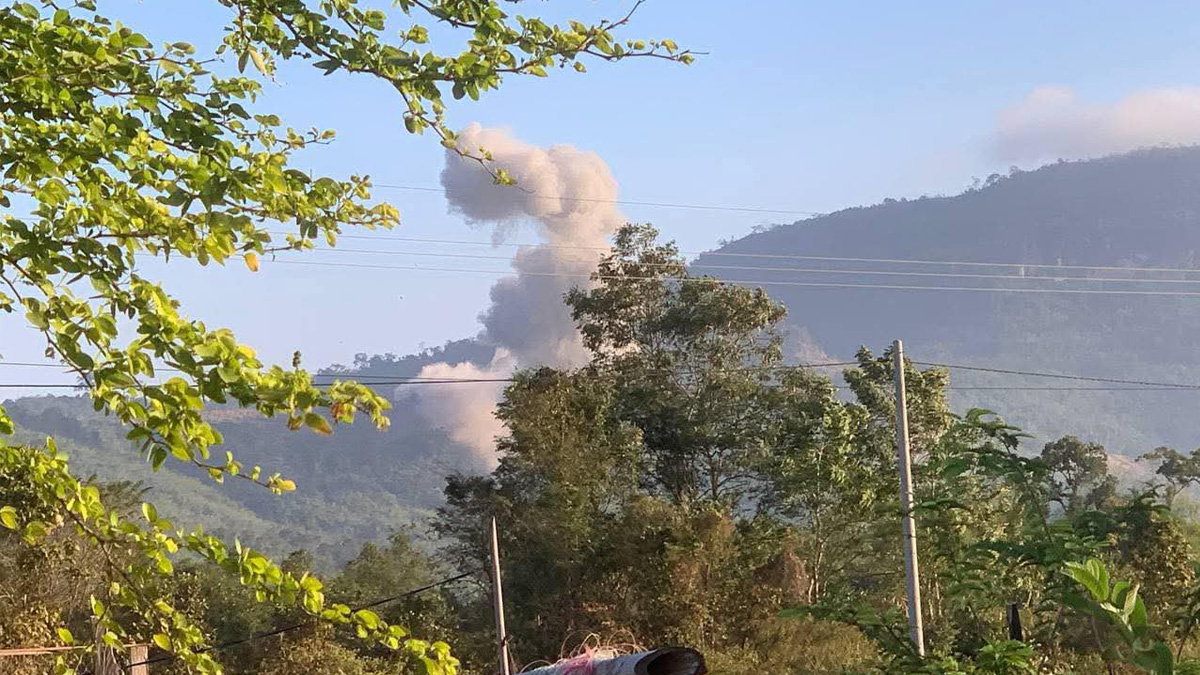
Thailand's military has confirmed that it launched targeted air strikes on Cambodian military positions on Monday, 8 December, following a series of attacks on Thai territory and personnel along their disputed eastern border.
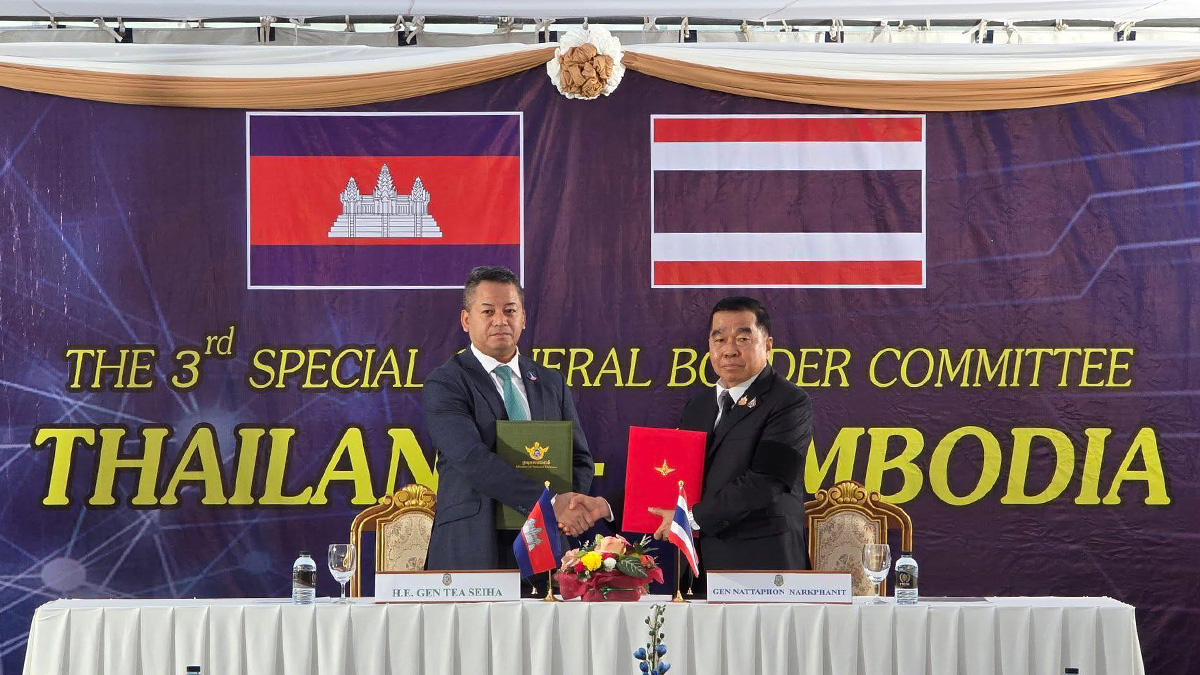
The escalation comes after the breakdown of a ceasefire agreement brokered in October by Malaysian Prime Minister Anwar Ibrahim and former United States President Donald Trump, which followed a deadly five-day conflict in July that left at least 48 people dead and displaced approximately 300,000.
A Thai military statement reported that one soldier was killed and four others injured during attacks by Cambodian forces early Monday in the Nam Yuen district of Ubon Ratchathani province.
The Thai army said the strikes were a direct response to Cambodian rocket attacks on Thai positions and civilian areas, which it claims included BM-21 and Type 90B multiple rocket launchers aimed at strategic and civilian locations deep inside Thai territory.
According to a report by the Bangkok Post, Cambodian shelling began as early as 5.05am in the Chong An Ma area, with attacks continuing in nearby Chong Bok around 7am. Cambodian BM-21 rockets reportedly struck Ban Sai Tho 10 in Buri Ram’s Ban Kruat district at 8.30am.
The Thai air force stated that fighter jets were deployed to halt what it described as a significant and coordinated Cambodian military operation threatening Thai national security. Air Marshal Jackrit Thammavichai emphasised that only military targets were hit, in line with the principles of necessity and proportionality.
Cambodia's defence ministry acknowledged the Thai strikes but claimed they were unprovoked, asserting that Cambodian troops had not retaliated despite what it described as “provocative actions” by Thailand.
In a statement published on Facebook, Cambodia's former Prime Minister Hun Sen, now a senior political figure and father of current leader Hun Manet, labelled Thailand the “aggressor” and urged Cambodian troops to maintain discipline.
“The red line for responding has already been set,” Hun Sen wrote, without giving further details.
Tensions along the 817-kilometre border, which has remained partially undemarcated since French colonial times, have flared periodically over the past century. Previous violent exchanges occurred in 2011, but this latest series of events represents the most significant military confrontation in over a decade.
Thailand’s 2nd Army, which oversees the eastern border, confirmed that Cambodia began deploying tanks near Samrong in Oddar Meanchey province on Sunday night, with residents evacuated from border villages.
By midnight, Cambodian forces had deployed RM-70 and BM-21 launchers in multiple provinces, including Preah Vihear and Oddar Meanchey, and reportedly targeted locations as far as Buri Ram airport and Prasat Hospital in Surin province—sites between 31 and 87 kilometres from the border.
The situation has caused massive civilian displacement. Thai authorities confirmed that over 385,000 people from four border provinces have been evacuated, with more than 35,000 housed in temporary shelters as of Monday afternoon.
The Thai 1st Army has also ordered evacuations in Sa Kaeo province following the Monday morning escalations.
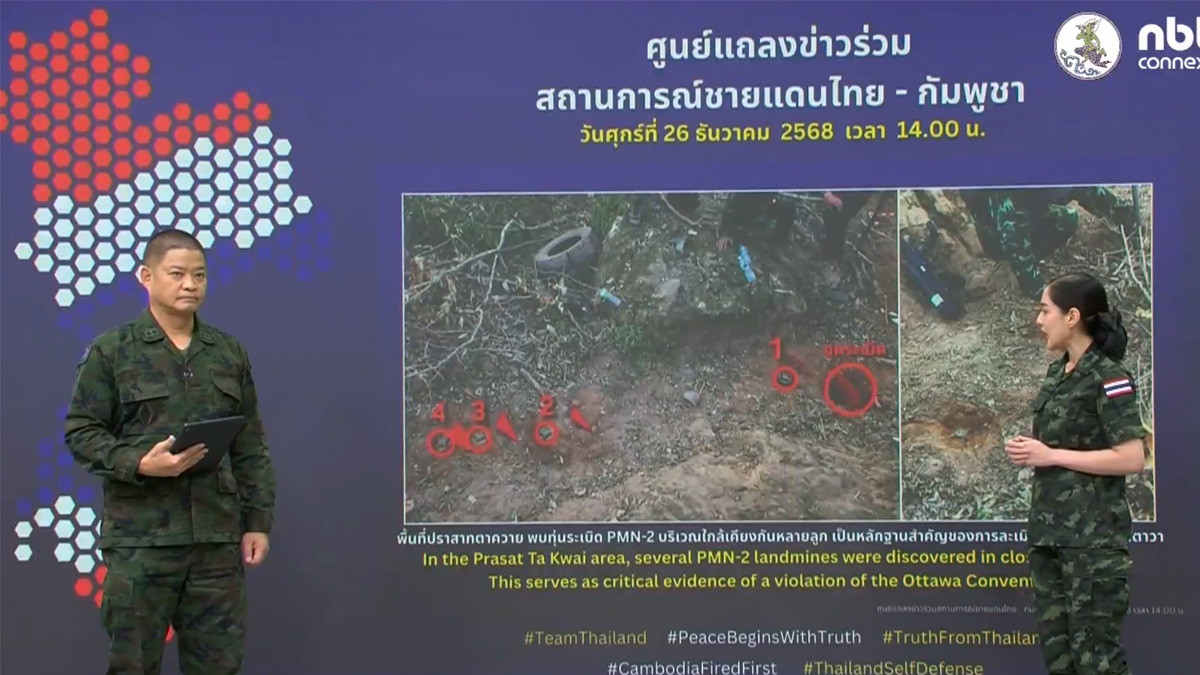
The original July conflict stemmed from long-standing land disputes and rapidly escalated after multiple artillery and rocket exchanges. The ceasefire agreement signed in Kuala Lumpur in October aimed to halt hostilities, but recent landmine incidents and mutual accusations of ceasefire breaches reignited tensions.
Thailand announced last month it would suspend the implementation of the ceasefire after a Thai soldier was maimed by a landmine near the border.
Despite the recent intensification, both sides have not declared full-scale war, though military activity has increased sharply.
The international community, including ASEAN neighbours and the United Nations, has yet to respond formally to the renewed violence.