Thai F-16 destroys alleged Cambodian drone base as border conflict intensifies
A Thai F-16 jet has allegedly destroyed a Cambodian-controlled drone command centre disguised as a casino near the Thai border, with the Royal Thai Army intensifying strikes against rocket bases after fatal attacks. Prime Minister Anutin says negotiations are no longer an option.
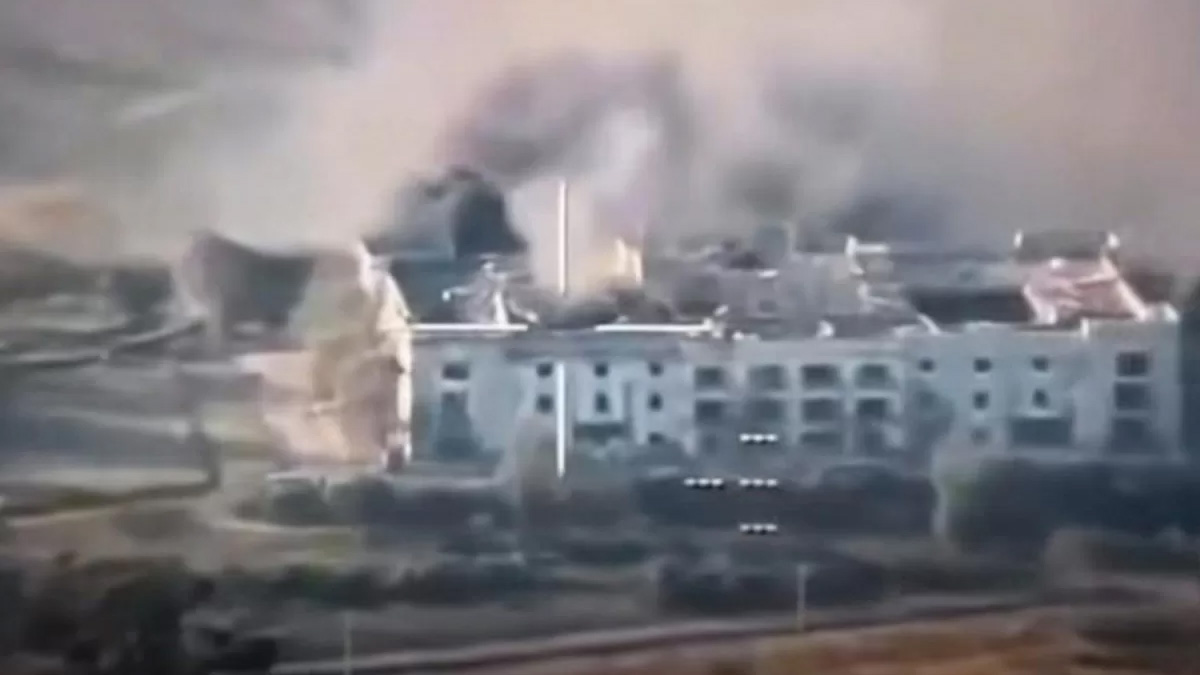
- A Thai F-16 jet has destroyed a Cambodian-operated casino that allegedly served as a drone command centre.
- The Thai military is targeting Cambodian rocket bases after fatal cross-border attacks.
- Prime Minister Anutin has declared negotiations with Cambodia over, citing repeated violations.
A Royal Thai Air Force F-16 fighter jet has destroyed a casino near the Thai-Cambodian border that allegedly served as a command centre for Cambodian drone operations, according to a statement by the Royal Thai Army on 8 December 2025.
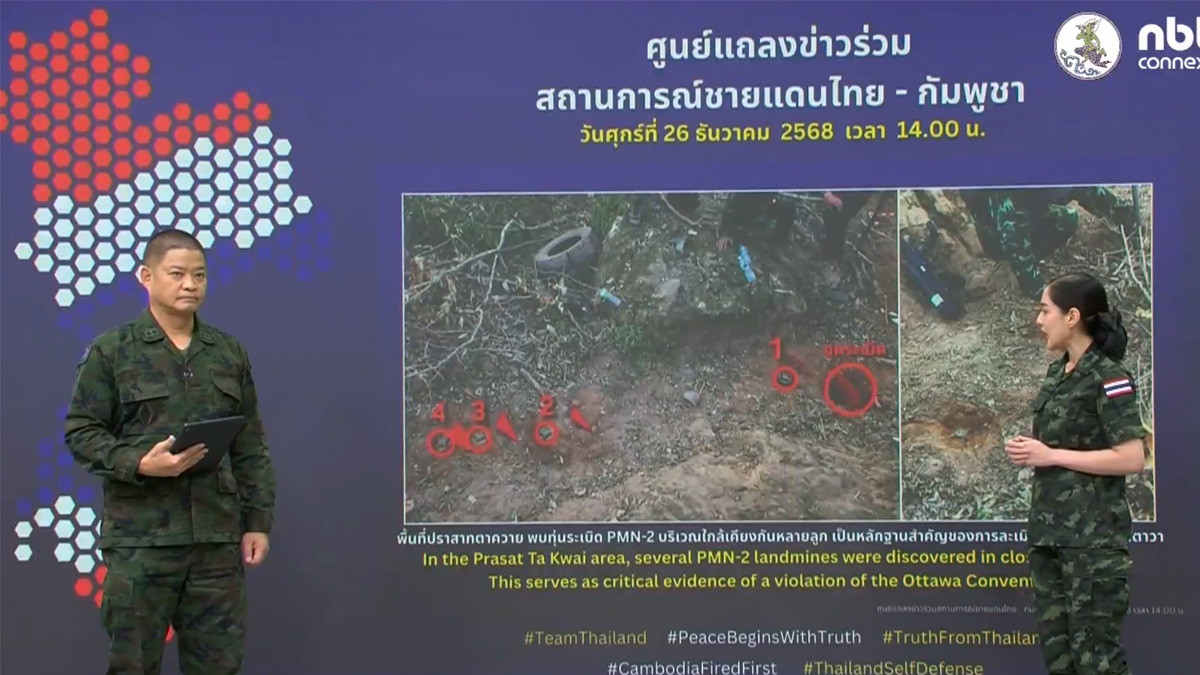
The airstrike was conducted in response to ongoing cross-border hostilities. Royal Thai Army spokesperson Major General Winthai Suvaree stated that the facility was identified as a Cambodian drone command centre operating near Chong An Ma in Nam Yuen district of Ubon Ratchathani.
The claim followed reports of a Thai fighter jet observed dropping bombs on a structure across the border earlier that day. Winthai said the operation was launched after Cambodian forces reportedly launched multiple attacks, including artillery fire and air-dropped munitions.
“These actions show a clear intent to harm Thailand,” he said. “We had no choice but to respond in defence of our territory and people.”
He added that Thailand’s current operations are focused on disabling Cambodian rocket bases, which allegedly pose direct threats to both military and civilian areas.
According to Winthai, one Thai soldier was killed and two others injured at the Anuphong base due to a Cambodian strike on 8 December. He said the objective now is “to destroy as many of Cambodia’s supporting fire systems as possible.”
Thai military intelligence has reportedly observed Cambodian troops increasing their readiness, with signs of potential long-range strikes targeting deeper locations inside Thailand. Areas near Buriram Airport and a hospital in Prasat District, Surin — approximately 30 kilometres from the border — have allegedly been identified as targets.
Winthai emphasised that Thailand's use of air power remains precise and restrained. “The operations are directed strictly at Cambodian military targets, with efforts made to limit collateral damage and avoid civilian harm,” he said.
Air Marshal Chakkrit Thammawichai, spokesperson for the Royal Thai Air Force, stated that the air operation was being conducted in cooperation with the Suranaree Task Force. He described the action as a defensive measure in light of Cambodian activities that threaten Thai sovereignty and border communities.
Prime Minister Anutin Charnvirakul convened an emergency meeting of national security agencies on 9 December at Government House. In a televised address broadcast via TV Pool, he confirmed that armed clashes had occurred at multiple points along the border since 8 December.
“The National Security Council has resolved that the government will act in accordance with its resolutions — specifically, to carry out military operations as needed, based on the situation,” Anutin said.
He stated that Thailand would uphold peace, security and humanitarian principles but would not tolerate any violation of its sovereignty. “Thailand has a duty to defend itself and its people,” he added.
Notably, the Prime Minister declared that no further negotiations would be held with Cambodia. He said that previous talks had failed and that the recent attacks indicated deliberate aggression rather than mere signalling.
“These are not warnings — these are targeted attacks,” he said. “Therefore, further negotiations are no longer necessary.”
He further claimed that recent Cambodian military actions had targeted civilian areas and Thai military installations. While declining to disclose operational specifics, citing security concerns, Anutin made clear that the military response was both measured and justified.
“They did this to us, and we have responded in kind,” he stated.
Anutin also referred to the Kuala Lumpur declaration, which promotes peaceful resolution of disputes between Thailand and Cambodia. However, he said Thailand could not be expected to de-escalate unilaterally in the face of repeated violations.
As military operations continue in strategic zones along the Thai-Cambodian frontier, the Thai government maintains that its actions are in response to direct threats and are being carried out with minimal impact on civilians.