Thailand presses Cambodia on ceasefire conditions amid rising border tensions
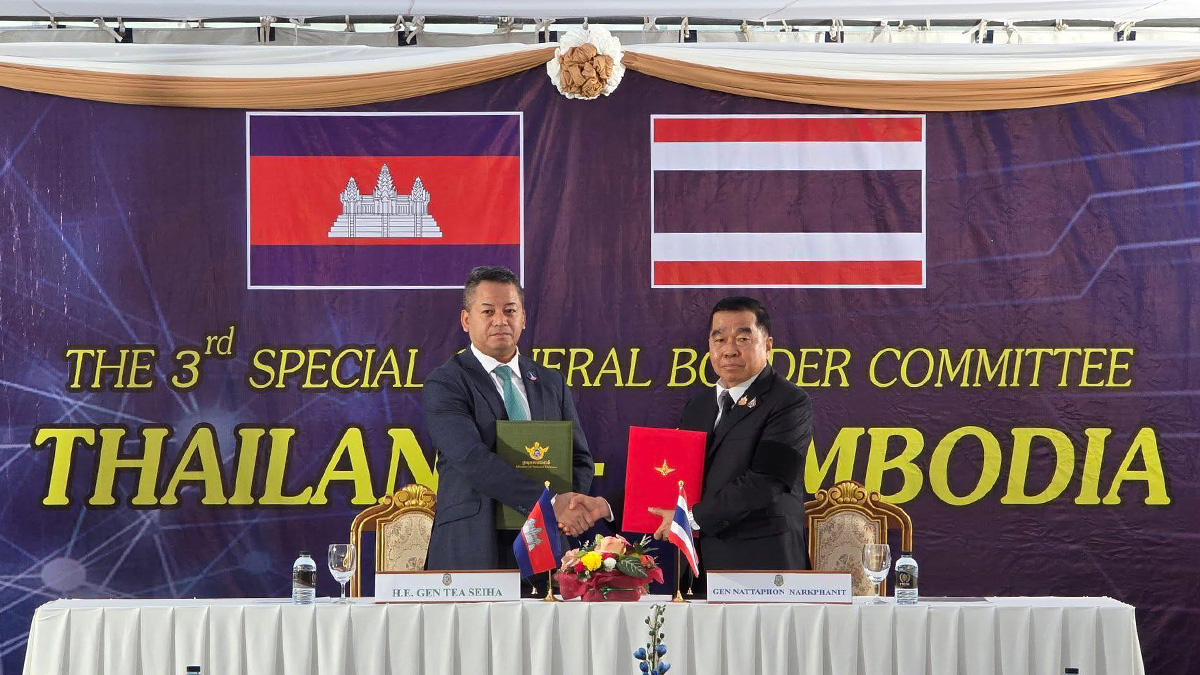
Thailand's Defence Minister has urged Cambodia to take concrete action for a ceasefire, dismissing peace protests as insincere while accusing Cambodian forces of treaty violations, including the use of banned landmines near the Thai border.
- Thailand demands immediate Cambodian troop withdrawal for ceasefire talks.
- Defence Minister Nattapon criticises international silence over Thai casualties and treaty violations.
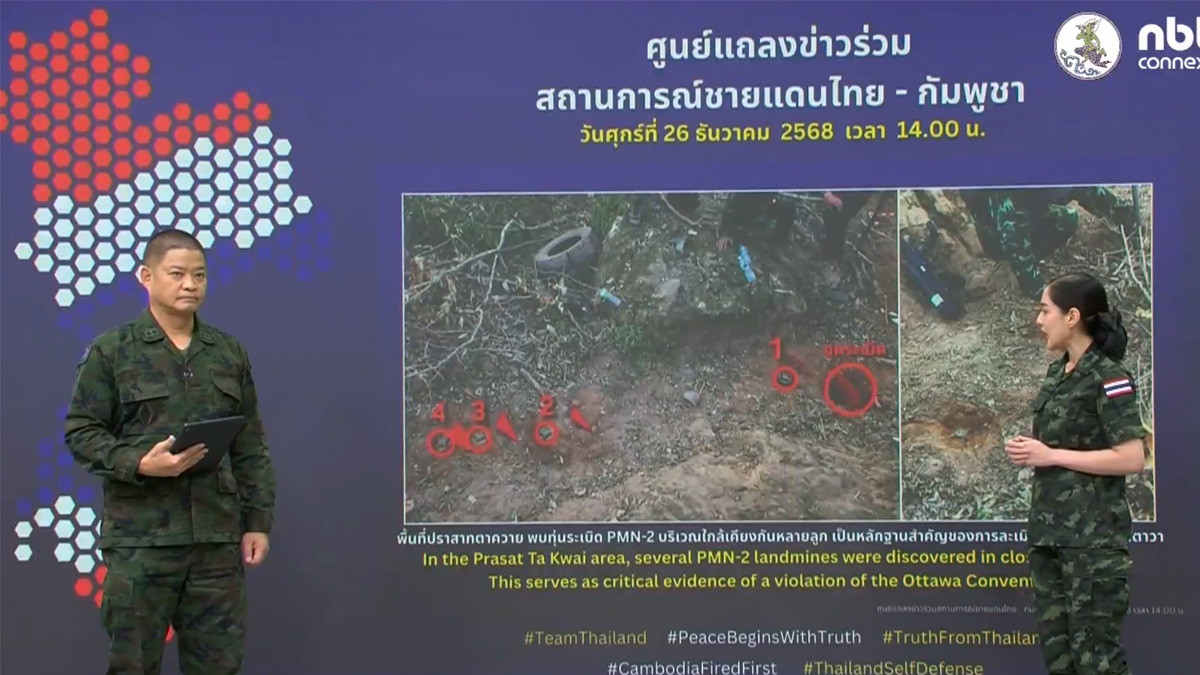
- Thai Navy presents evidence of systematic Cambodian landmine use in breach of international law.
The War Veterans Organisation of Thailand (WVO) convened a morale-boosting event on 19 December 2025 under the theme "Veterans' Power for the Motherland" at the Office of the Permanent Secretary for Defence in Si Saman.
Gen Nattapon Nakpanich, Minister of Defence, presided over the event, which aimed to strengthen national unity amid ongoing military tensions with Cambodia.
Addressing the gathering, Nattapon directly responded to reports of mass peace protests in Cambodia, questioning both their authenticity and intent.
He asserted that peace could be achieved “immediately” if Cambodia were sincere, urging the neighbouring country to withdraw troops from confrontation zones along the shared border.
“If the Cambodian government and the masses, led by members of the Hun family, call for peace while their frontline troops continue provocations and remain in confrontation zones, a ceasefire cannot realistically happen,” Nattapon stated.
He emphasised that further negotiations hinge on three clear ceasefire conditions: the end of all hostility, cessation of continuous hostilities, and transparency in compliance.
The Minister criticised what he termed international double standards, noting that despite clear evidence of Cambodian provocations, global institutions have not condemned the violations.
Nattapon specifically cited the injury of seven Thai soldiers by landmines, which he described as clear breaches of the 1997 Ottawa Convention.
These injuries, he said, stem from deliberate and illegal deployment of anti-personnel mines by Cambodian forces.
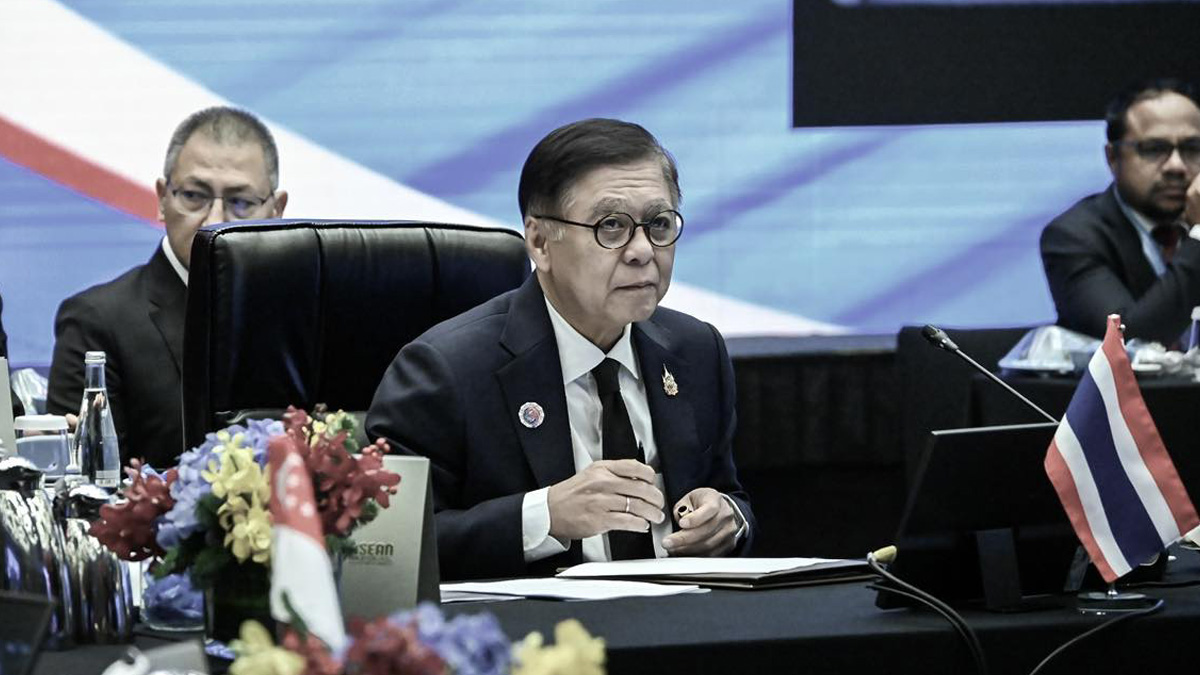
Turning to diplomatic developments, Nattapon said Thailand would reaffirm its peaceful intentions at the ASEAN Foreign Ministers’ meeting in Malaysia on 22 December.
Gen Nattapong Praokaew, Deputy Chief of the Joint Staff, has been appointed to represent the Royal Thai Armed Forces at the summit.
Thailand has submitted detailed intelligence to the Ministry of Foreign Affairs, including satellite data that allegedly confirms Cambodian initiation of recent military movements.
While expressing gratitude for international goodwill, Nattapon underscored the need for actions over rhetoric, adding that the conflict is a bilateral matter and should not be subject to interference by third parties such as China or the United States.
Regarding aerial operations in the Poipet region, he explained that the Royal Thai Air Force uses advanced targeting systems to avoid civilian harm.
In contrast, he accused Cambodian forces of engaging in indiscriminate attacks, leading to civilian casualties on Thai soil.
Thai Navy presents landmine evidence
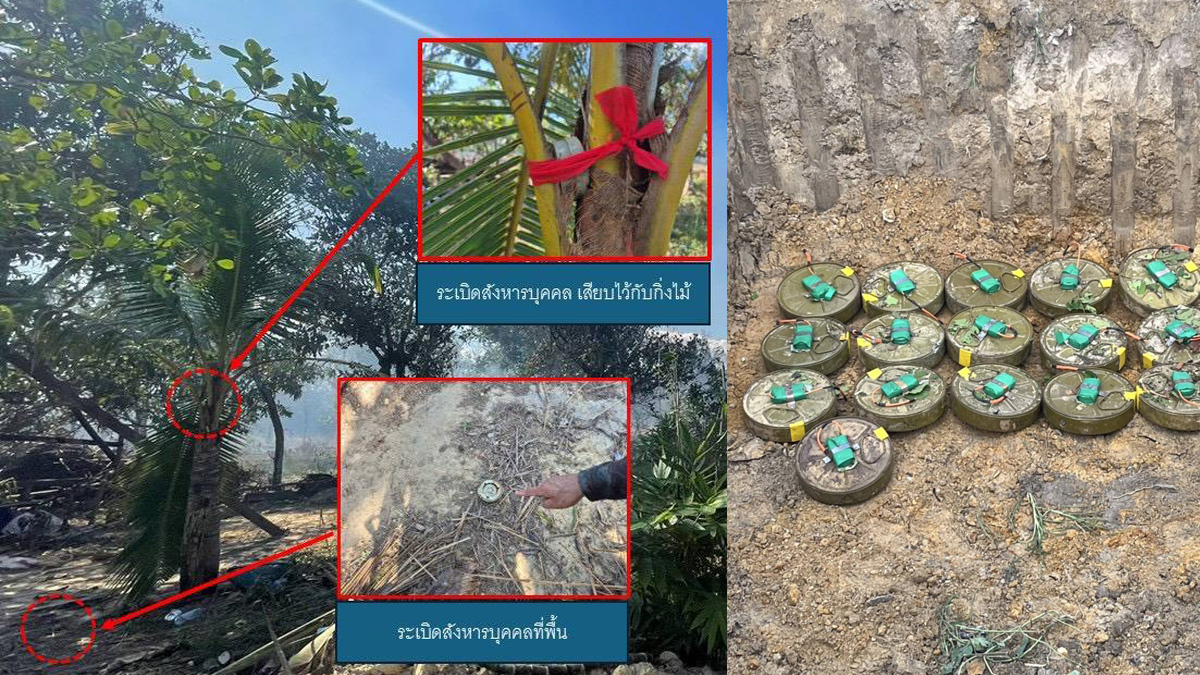
In a related development, the Royal Thai Navy announced the discovery of landmines and Cambodian military training materials near the border, reinforcing claims of treaty violations.
Rear Admiral Paraj Ratanajaipan, spokesperson for the Navy, reported that the Chanthaburi-Trat Border Defence Command (CTBDC) had recently regained control of a former Cambodian military site at Ban Nong Ree.
During clearance operations, Thai forces uncovered 16 improvised anti-personnel mines modified from anti-tank devices, positioned in immediate operational readiness.
“This discovery indicates a clear intent to cause harm,” Rear Admiral Paraj stated, “and represents a severe threat to both Thai personnel and civilians.”
Further evidence was found at the Phlu Kdramrey Base—referred to locally as the ‘three houses area’—where Cambodian military documents were seized.
The documents reportedly include training materials dated 7 October 2024, outlining the operational use and handling of PMN-2 anti-personnel mines.
Rear Admiral Paraj labelled the documents as “smoking gun” evidence of Cambodia’s systemic and continued engagement in banned landmine activities.
“This is not an incidental occurrence; it reflects a clear intent to employ anti-personnel landmine warfare against Thailand,” he said.
The Thai Navy emphasised that these actions constitute serious breaches of two key international legal frameworks: the 1997 Ottawa Convention and Additional Protocol I to the Geneva Conventions.
The former prohibits the use, stockpiling, and production of anti-personnel mines, while the latter mandates the protection of civilians during armed conflict.
Despite these alleged violations and Thai casualties, Nattapon lamented the continued silence of the international community.
“There has been no condemnation of Cambodia for these landmine attacks, despite clear evidence,” he concluded.
According to images and statements released via the Army Military Force Facebook page, Thai forces recovered Chinese-made weaponry and anti-personnel mines, with photographs confirming the presence of PF-89 launchers, RPG rounds, and FPV drones armed with explosives.
The post reiterated claims of systematic training by Cambodian forces in deploying PMN-2 landmines.