Amnesty warns Jakarta court ruling threatens freedom of expression and democratic dissent
Amnesty International Indonesia has criticised a Central Jakarta court decision allowing the prosecution of four pro-democracy activists to proceed, warning it weakens protections for free expression and risks criminalising peaceful dissent.
- Amnesty International Indonesia says a court ruling allowing the trial of four activists to proceed weakens freedom of expression protections.
- The court rejected defence objections and upheld continued detention, drawing criticism over due process and proportionality.
- Amnesty warns the case sets a dangerous precedent for criminalising peaceful political dissent
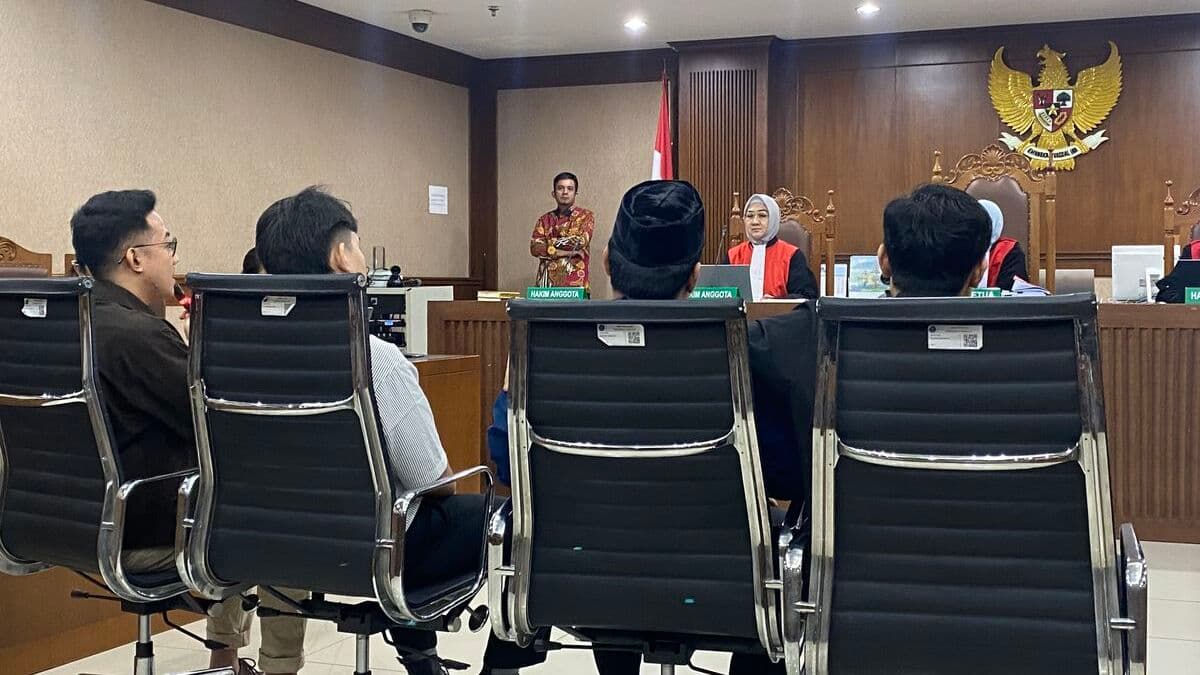
Amnesty International Indonesia has criticised a ruling by the Central Jakarta District Court that allows the prosecution of four pro-democracy activists to proceed, warning that the decision weakens protections for freedom of expression and sets a dangerous precedent for the criminalisation of peaceful political dissent.
In a press release issued on 8 January 2026, Amnesty responded to the court’s rejection of preliminary objections filed by Delpedro Marhaen, Muzaffar Salim, Syahdan Husein, and Khariq Anhar.
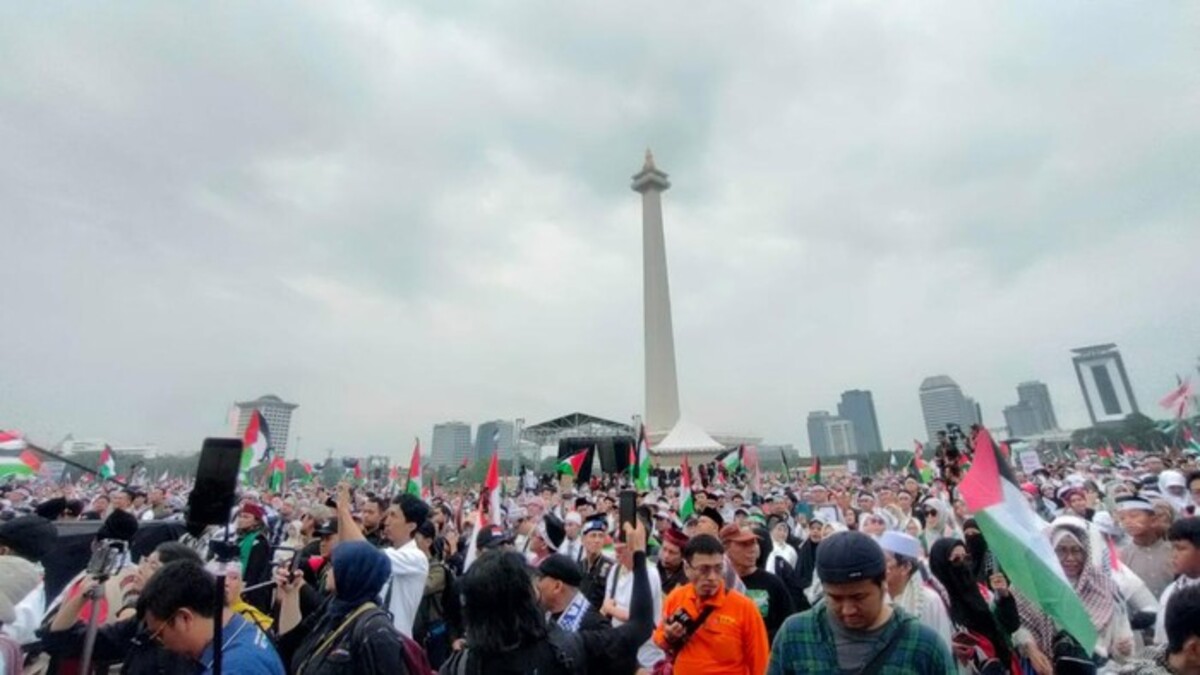
The four are standing trial over an alleged incitement case linked to demonstrations that took place in August 2025.
Following an interlocutory hearing, the panel of judges ruled that the objections raised by the defence concerned the substance of the case rather than procedural flaws, and ordered that the trial proceed to the evidentiary stage.
‘Ignoring fundamental rights’
Amnesty International Indonesia’s Executive Director, Usman Hamid, said the decision showed a failure by the judiciary to uphold human rights principles.
“The judges’ decision to proceed with the case ignores the fact that the prosecutions against Delpedro Marhaen and others have been riddled with irregularities since the investigation stage,” Usman said.
“It is deeply regrettable that the panel of judges at the Central Jakarta District Court chose not to uphold human rights in today’s ruling.”
According to Amnesty, continuing the trial amounts to disregarding constitutional protections for freedom of expression and peaceful assembly.
The organisation stressed that the actions attributed to the defendants do not constitute a criminal offence and should never have been brought before the court.
Objections dismissed
At a hearing on 23 December 2025, the Advocacy Team for Democracy (TAUD), acting as legal counsel for the defendants, raised a series of objections.
These included claims that the indictment was vague (obscuur libel), that the locus and tempus delicti were unclear, and that prosecutors had failed to fulfil the legal elements of the alleged offences.
TAUD also warned of non-legal motives shaping the case from the outset, suggesting an attempt to criminalise political expression.
Amnesty said the court should have examined these objections “carefully and objectively” before allowing the proceedings to continue.
Detention dispute
The judges also rejected a request to suspend the detention of the four defendants, citing the need to maintain a punctual court schedule.
This reasoning drew sharp criticism from Amnesty.
Usman Hamid said the decision was unjust, noting that delays to the hearing were caused by prosecutors rather than the defendants.
According to the defence, Delpedro and the others had been ready at the detention centre since 8 a.m. for a hearing scheduled at 10 a.m., but were only escorted to court by prosecutors two hours later. The hearing itself began at 11 a.m.
“It is unacceptable for the mistakes of law enforcement officials to be borne by the defendants,” Usman said.
Multiple charges criticised
Amnesty also condemned the prosecutors’ decision to bring multiple overlapping charges against the four defendants, including provisions under the Electronic Information and Transactions (ITE) Law, the Criminal Code (KUHP), and the Child Protection Law.
At the first hearing on 16 December 2025, prosecutors filed four alternative indictments, ranging from alleged online incitement to violations involving children. Amnesty described the use of cumulative and alternative charges as excessive and disproportionate.
“The defendants are neither instigators nor criminals,” Usman said. “This kind of prosecution only deepens the chilling effect on civic space.”
Although the judges dismissed the first charge related to ethnicity, religion, race and inter-group relations (SARA) for failing to meet formal requirements, they ruled that the remaining charges could proceed.
Wider implications
For Amnesty, the case is emblematic of a broader pattern of repression against activists and human rights defenders in Indonesia, particularly following large-scale protests critical of government policies.
“Allowing this case to continue will only create a bad precedent and weaken the state’s commitment to respecting human rights,” Usman said, adding that the court should have halted the proceedings and ordered the defendants’ release.
Amnesty called on independent oversight bodies, including the Judicial Commission, to closely monitor the trial if it continues, in order to safeguard the defendants’ right to a fair hearing.
The organisation also urged parliament and the government to urgently enact specific legislation to protect human rights defenders from criminalisation, intimidation and violence.
“Such legislation is crucial to guarantee freedom of expression and peaceful assembly in line with international human rights standards,” Usman said.
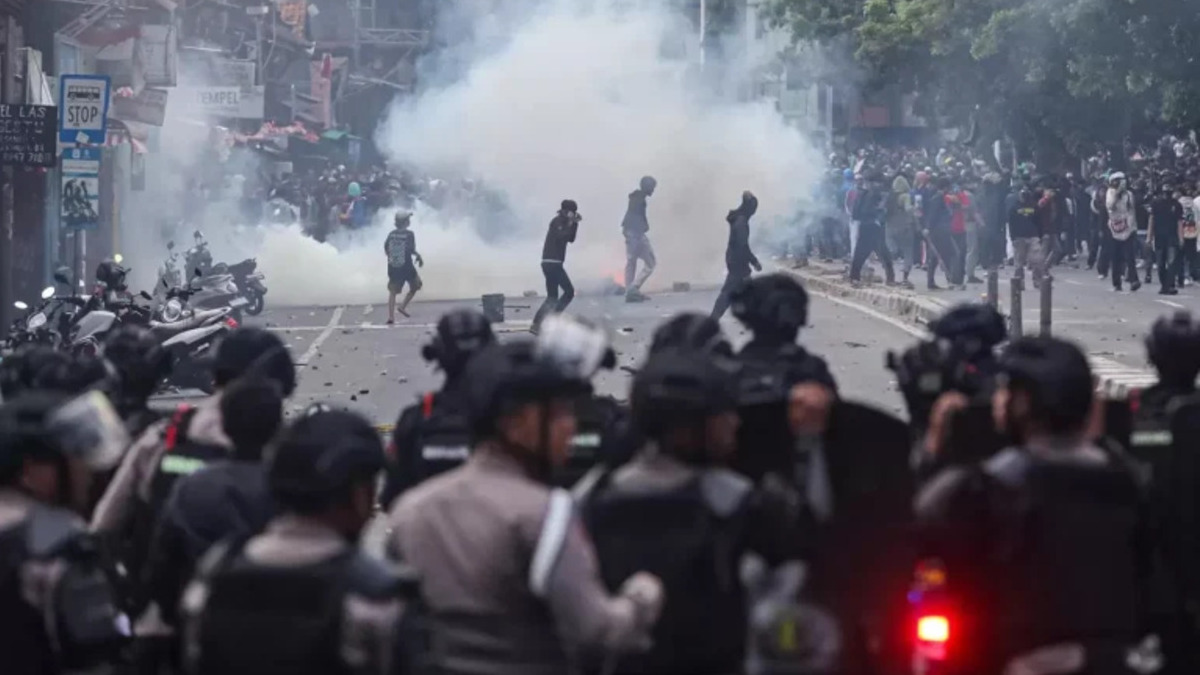
The four defendants were arrested and named suspects following demonstrations in August 2025 that ended in unrest.
Their prosecution follows earlier setbacks, including the rejection of pretrial motions by the South Jakarta District Court in October 2025, rulings that were also criticised by civil society groups as a warning sign for Indonesia’s democratic freedoms.