Environment group warns Indonesia’s self-sufficiency drive could damage Papua’s forests and indigenous rights
WALHI Papua has warned that Indonesia’s push for food and energy self-sufficiency could deepen environmental damage and undermine indigenous land rights in Papua, as large-scale plantations expand under national development policies.
- WALHI Papua has warned that food and energy self-sufficiency policies risk worsening ecological damage in Papua.
- The group says large-scale plantations threaten indigenous land rights, biodiversity and local food systems.
- Independent research indicates environmental losses from palm oil expansion far exceed its economic benefits.
The Indonesian Forum for the Environment (WALHI) Papua has issued a strong warning that government policies promoting food and energy self-sufficiency risk deepening ecological damage and violating the rights of indigenous peoples in Papua.
WALHI (Wahana Lingkungan Hidup Indonesia) is Indonesia’s largest and oldest environmental movement, operating as an independent network of hundreds of non-governmental organisations, nature lover groups and civil society bodies that advocate for ecological justice, human rights and the protection of a healthy and sustainable environment through collective action, advocacy and policy reform.
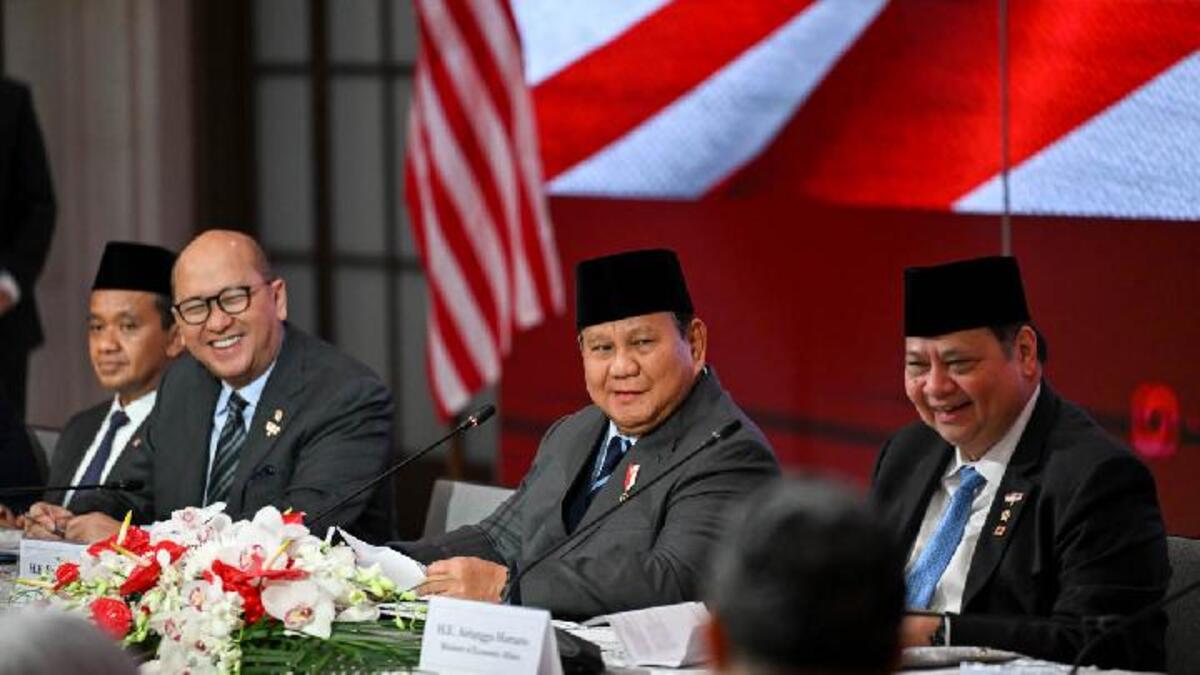
In a press release dated 17 December, WALHI Papua said policies advanced by the central and regional governments—including those under President Prabowo Subianto—tend to prioritise large-scale corporate interests rather than the needs, knowledge and food systems of indigenous Papuans.
Monoculture expansion threatens biodiversity and traditional food systems
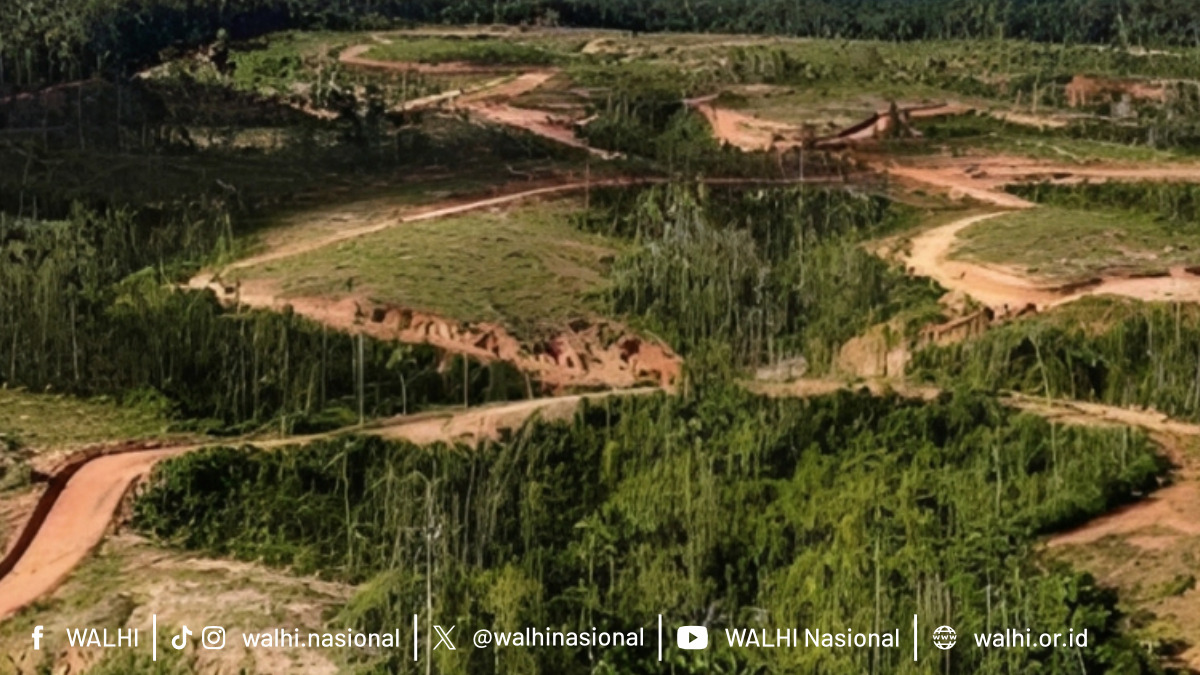
The organisation warned that the expansion of monoculture plantations such as oil palm and sugarcane poses a direct threat to biodiversity, forest ecosystems and traditional food sources that have sustained Papuan communities for generations.
WALHI Papua stressed that Papua is not “empty land” available for development.
Instead, it is a living landscape governed by customary law, with indigenous peoples holding inherent rights over their ancestral lands and forests.
The group accused both the central government and Papuan regional administrations of failing to recognise, respect or protect these customary rights when designing large-scale agricultural and energy projects.
WALHI Papua rejects deforestation and denial of indigenous land rights
“The central government and the Papua regional government have not valued, respected, or recognised indigenous peoples as the owners of the land and forests of Papua,” said Maikel Peuki, executive director of WALHI Papua.
“We reject all forms of large-scale deforestation and clearing of indigenous forests in Papua. Indigenous peoples do not want to face an ecological disaster. Papua is not empty land. Papua rejects deforestation and rejects national strategic projects that destroy customary forests.”
According to WALHI Papua, policies framed as food and energy self-sufficiency are being used to justify the conversion of vast forest areas into plantations, undermining local food systems based on sago, forest products and diverse subsistence crops.
The organisation warned that replacing these systems with monocultures would increase dependency on external food supplies and further weaken food sovereignty in Papua.
Government pushes biofuel-driven plantation expansion in Papua
The statement was issued amid renewed debate over President Prabowo’s call to expand oil palm cultivation in Papua to support biofuel production and reduce Indonesia’s reliance on imported fossil fuels.
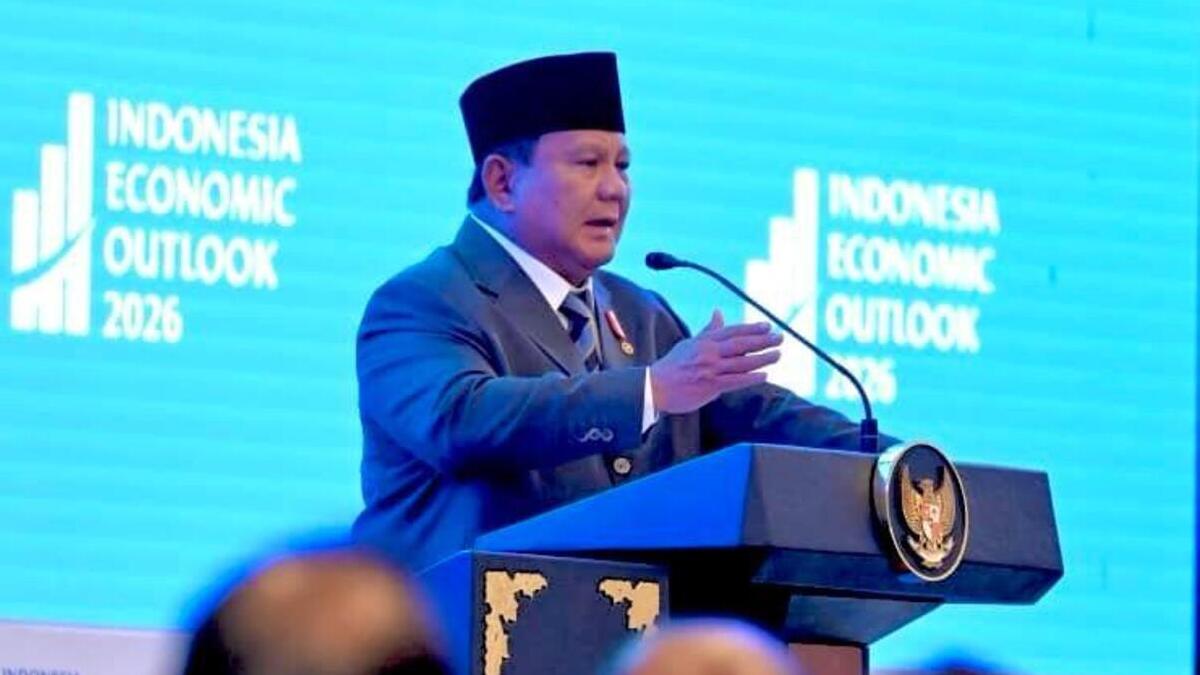
Speaking at the State Palace in Jakarta on 16 December, Prabowo said Papua had strong potential to produce biofuel from palm oil, alongside ethanol derived from sugarcane and cassava, as part of a broader push for national energy independence.
Prabowo said the initiative was central to Indonesia’s strategy to cut fuel imports and subsidies, estimating potential annual savings of up to Rp 520 trillion (US$31.2 million) if renewable energy sources were fully utilised.
He also instructed the energy minister to halt diesel imports starting next year and set a target to end gasoline imports within four years, while prioritising Papua as a centre of energy self-sufficiency.
NGO raises concerns over autonomy violations and lack of community consent
However, WALHI Papua said such plans ignore Papua’s special autonomy framework, which grants the region specific authority to protect indigenous rights and manage natural resources in line with local priorities.
The organisation also criticised the lack of free, prior and informed consent (FPIC), stating that indigenous communities have not been meaningfully involved in decisions affecting their lands and forests.
Environmental and social concerns raised by WALHI Papua are supported by independent research.
Independent studies highlight high environmental and social costs of palm oil
A study released in August 2024 by the Pusaka Bentala Rakyat Foundation found that the environmental and social costs of palm oil investment in Papua far outweighed its economic benefits.
Using a cost-benefit ratio method, the study calculated a ratio of 5.48, indicating that losses were significantly higher than gains.
The report estimated that palm oil investments generated economic benefits and tax revenues of around Rp 17.64 trillion (US$1.6 million), while environmental damage—including deforestation, ecosystem degradation and loss of carbon stocks—amounted to Rp 96.63 trillion (US$5.8 million).
The greatest losses were recorded in South Papua, followed by Southwest Papua, West Papua, Papua and Central Papua.
The study also highlighted the growing scale of palm oil concessions in the region.
Researchers found that 58 palm oil companies currently hold licences covering approximately 1.57 million hectares across Papua. This expansion has been linked to agrarian conflicts, the erosion of traditional livelihoods and rising food insecurity.
According to the report’s lead author, economist Wiko Saputra, 30 of Papua’s 42 districts are experiencing food insecurity, including areas where oil palm plantations operate.
“Food insecurity is occurring in places that are supposed to be centres of agricultural investment,” he said, warning that continued forest conversion would further undermine local food systems.
Other researchers noted that many impacts remain uncounted in official assessments, including the loss of cultural identity, declining health outcomes and the disproportionate burden placed on women.
Sri Palupi, a researcher at the Ecosoc Institute, said these social costs are rarely factored into policy decisions.
“Women suffer the most, and there are health impacts that are never accounted for,” she said.
WALHI Papua warned that continued plantation expansion could intensify land conflicts, accelerate forest degradation and dismantle local food systems that have sustained Papuan communities for generations.
The organisation urged the government to halt plans for large-scale plantation expansion, respect indigenous land rights and prioritise development approaches that strengthen local food security, protect forests and uphold environmental sustainability.