Floods in Aceh reignite scrutiny of Prabowo-linked land concessions and environmental risks
Severe floods in Aceh have renewed scrutiny of large concession areas linked to President Prabowo Subianto, while environmental groups reject his recent claim that oil-palm plantations should not be considered deforestation.
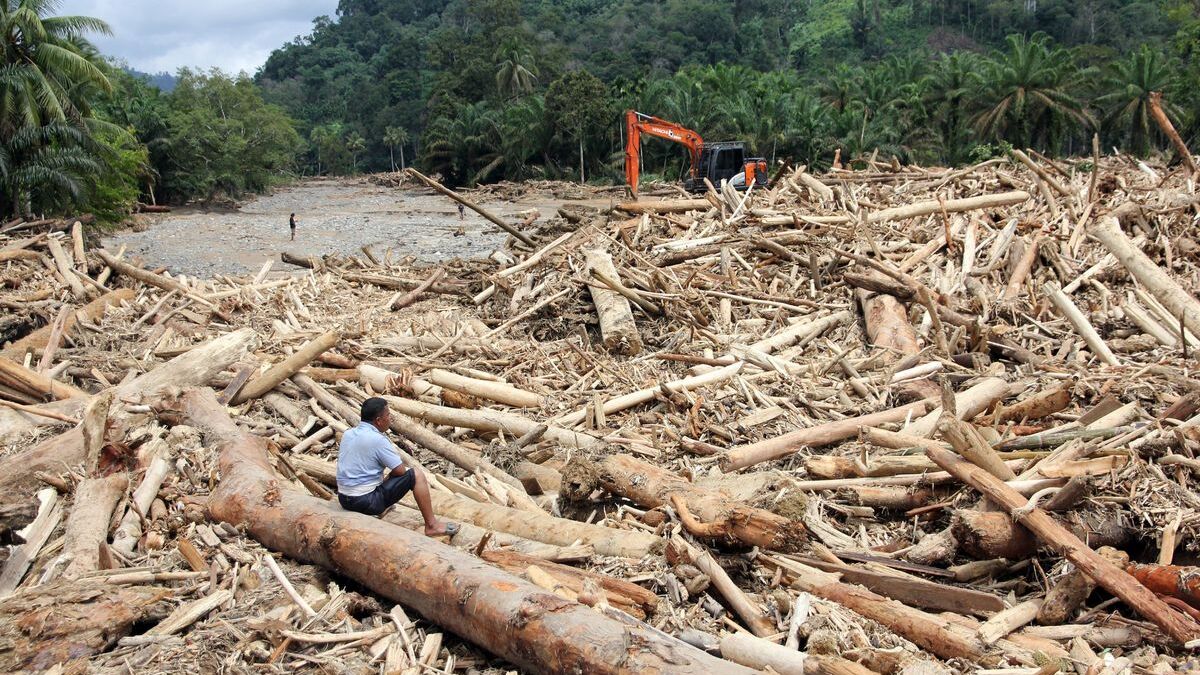
- Environmental groups link severe flooding in Aceh to overlapping concessions, including PT Tusam Hutani Lestari, a company previously associated with Prabowo Subianto.
- Prabowo has consistently stated that his landholdings are held under state-issued HGU rather than private ownership.
- During Musrenbangnas on 30 December, Prabowo argued that oil-palm plantations should not be viewed as deforestation, prompting strong pushback from environmental organisations.
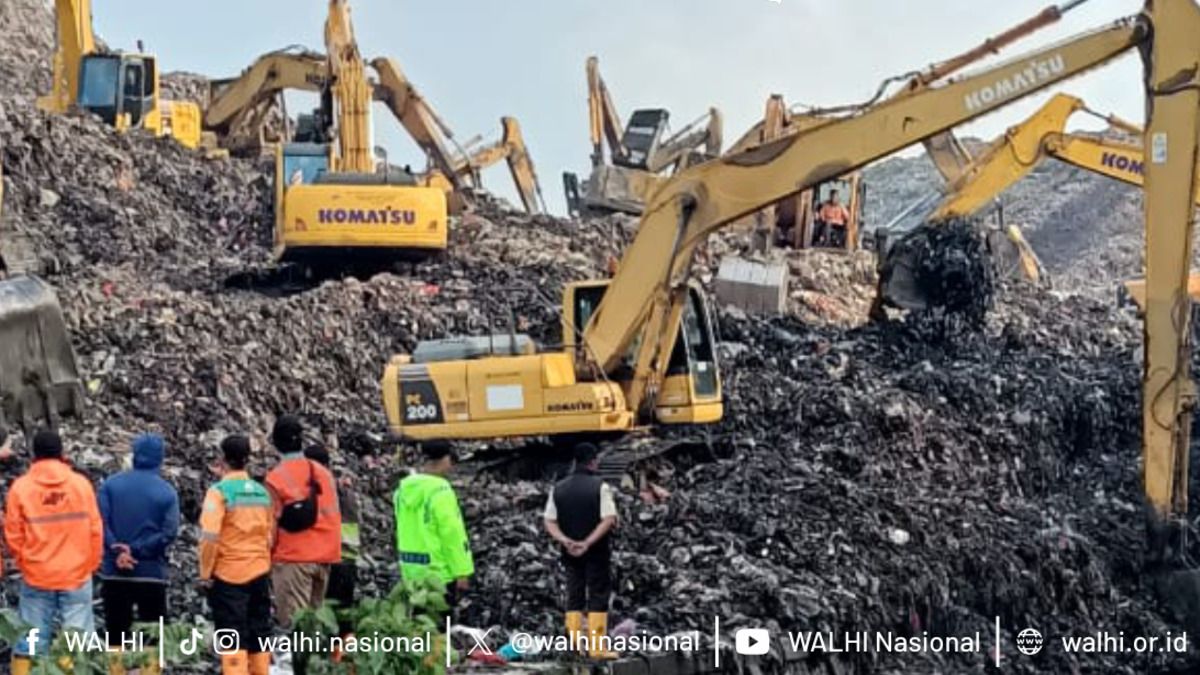
INDONESIA: Analysts and environmental groups are examining the role of extensive land concessions linked to Indonesian President Prabowo Subianto after severe flooding paralysed several districts in Aceh in recent days.
According to the Mining Advocacy Network National (Jatam), extreme rainfall alone does not explain the scale of the disaster.
Jatam stated that upstream forest degradation has reduced the landscape’s ability to regulate water.
The group’s concession-mapping analysis points to activity around industrial forest plantations, mining areas, and large-scale estates that overlap across mountainous catchments.
One of the largest concessions in the region is PT Tusam Hutani Lestari (THL).
According to reports by TribunNews and Serambinews.com, THL holds a long-term industrial forest plantation permit (IUPHHK-HTI) covering roughly 93,000–97,000 hectares across Aceh Tengah, Bener Meriah, Bireuen, and Aceh Utara.
Serambinews.com reported that Aceh’s forestry office previously confirmed that Prabowo became linked to the concession through the acquisition of shares originally held by the late businessman Bob Hasan.
The permit, issued under SK.556/Kpts-II/1997, is valid until 14 May 2035.
During the 2019 presidential debate, Joko Widodo publicly stated that Prabowo held rights to extensive land in Aceh and Kalimantan.
Prabowo acknowledged the holdings but stressed they were state lands under Right to Use (HGU), rather than private ownership.
According to Kompas.com’s coverage of the debate, he said he would return the concessions to the state if requested.
Further public discussion resurfaced during the 2024 election period.
Environmental concerns extend beyond ownership structures
DetikProperti reported statements by Anies Baswedan referencing a total of 340,000 hectares associated with Prabowo, prompting Prabowo to reiterate that the lands were HGU and, according to his remarks cited by detikSumut, had been offered back to the state for national use.
Aceh Green Conservation (AGC) reported that 20,000 hectares once allocated by Prabowo for elephant conservation have partly shifted to oil-palm cultivation, especially in Bireuen and Aceh Utara.
According to AGC Chair Suhaimi Hamid, much of the land no longer functions as intended conservation space.
Prabowo’s past comments on oil-palm expansion resurfaced
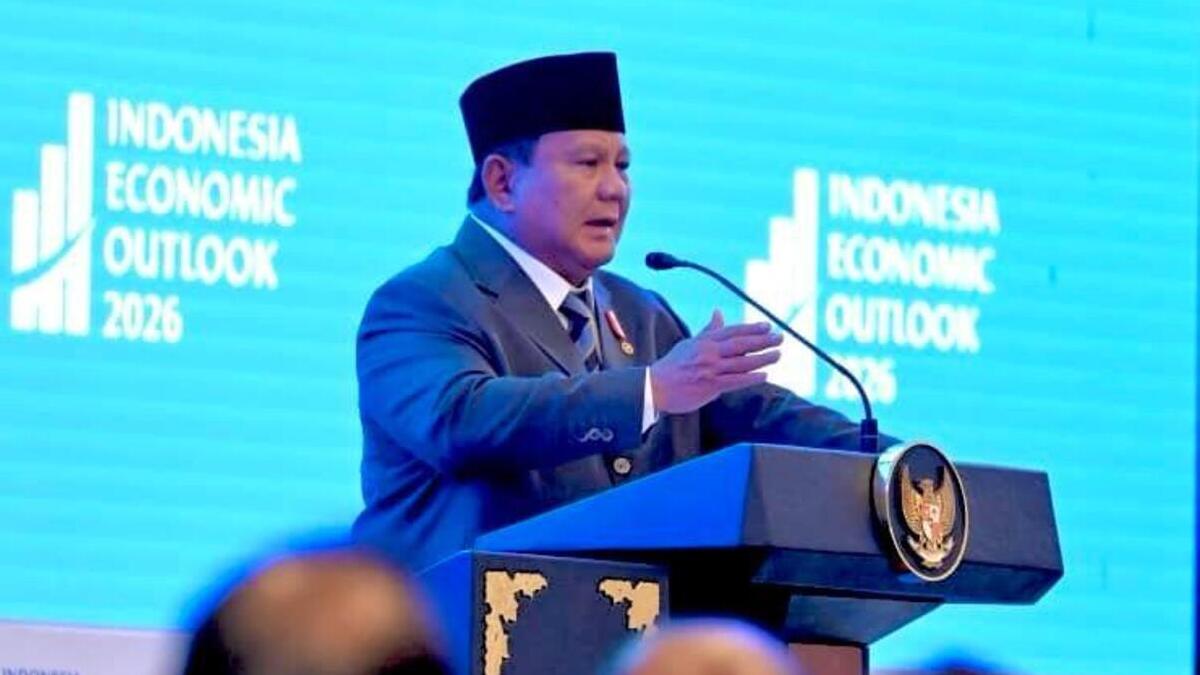
According to BBC News Indonesia, Prabowo stated during his guidance at the National Development Planning Deliberation (Musrenbangnas) in Jakarta on 30 December 2024 that Indonesia “should not be afraid” of accusations of deforestation when planting oil palm.
He argued that oil-palm trees absorb carbon dioxide and should not be portrayed as destructive.
Environmental groups strongly rejected the claim
Walhi campaigner Uli Arta Siagian told BBC News Indonesia that monoculture plantations cannot replace rainforest functions, particularly in biodiversity, water regulation, and soil stability.
Sawit Watch Director Achmad Surambo added that accepting plantations as forest cover risks justifying further clearance.
He cited existing research showing that expanding oil-palm estates by converting natural forests worsens ecological vulnerability.
Civil society organisations argue that national palm-oil policy should prioritise governance rather than expansion.
The Consortium for Agrarian Reform (KPA) highlighted long-standing agrarian disputes linked to HGU allocations and plasma schemes, urging the government to address unresolved conflicts before considering new plantation growth.
Experts also warn that policy signals encouraging rapid expansion could affect global market access.