Dozens of farmers’ huts burned in Southeast Sulawesi as palm oil land dispute escalates
Dozens of farm huts were burned during clashes between villagers and a palm oil company in Southeast Sulawesi, intensifying scrutiny of Indonesia’s long-running agrarian conflicts.
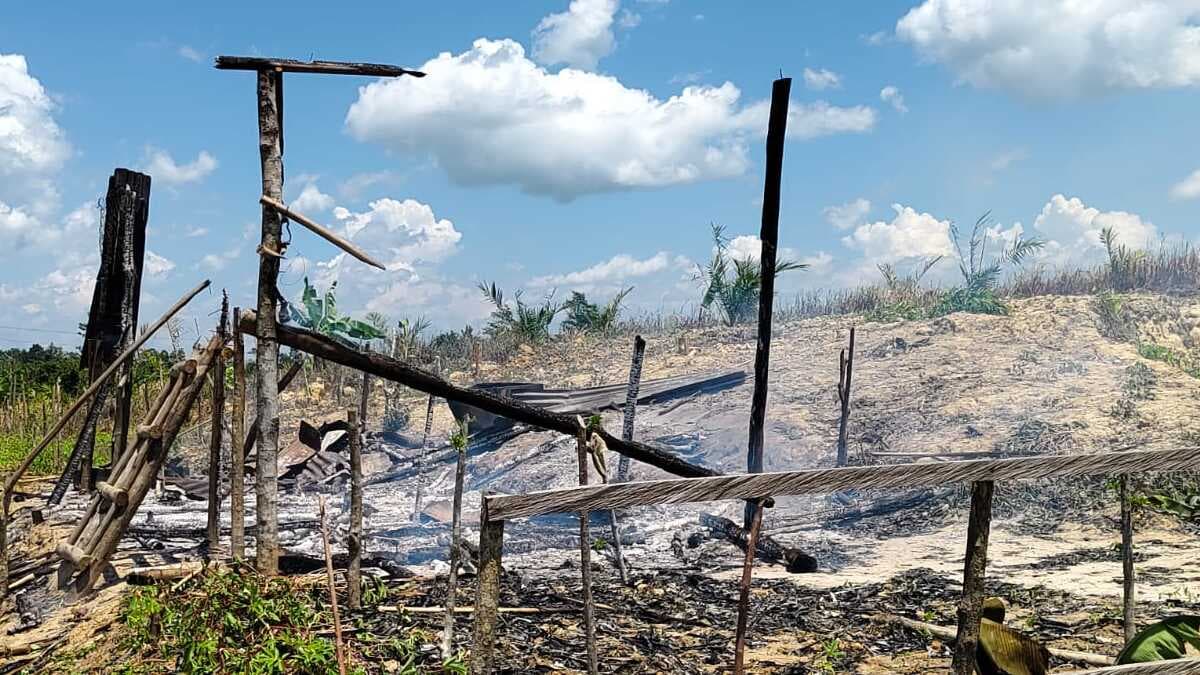
- Around 50 farm huts were reportedly burned during clashes linked to a land dispute in South Konawe.
- Residents accuse a palm oil company’s workers of arson, vandalism and looting, while the company claims retaliation after an employee was assaulted.
- Environmental groups criticise government handling, alleging bias and unresolved permit issues.
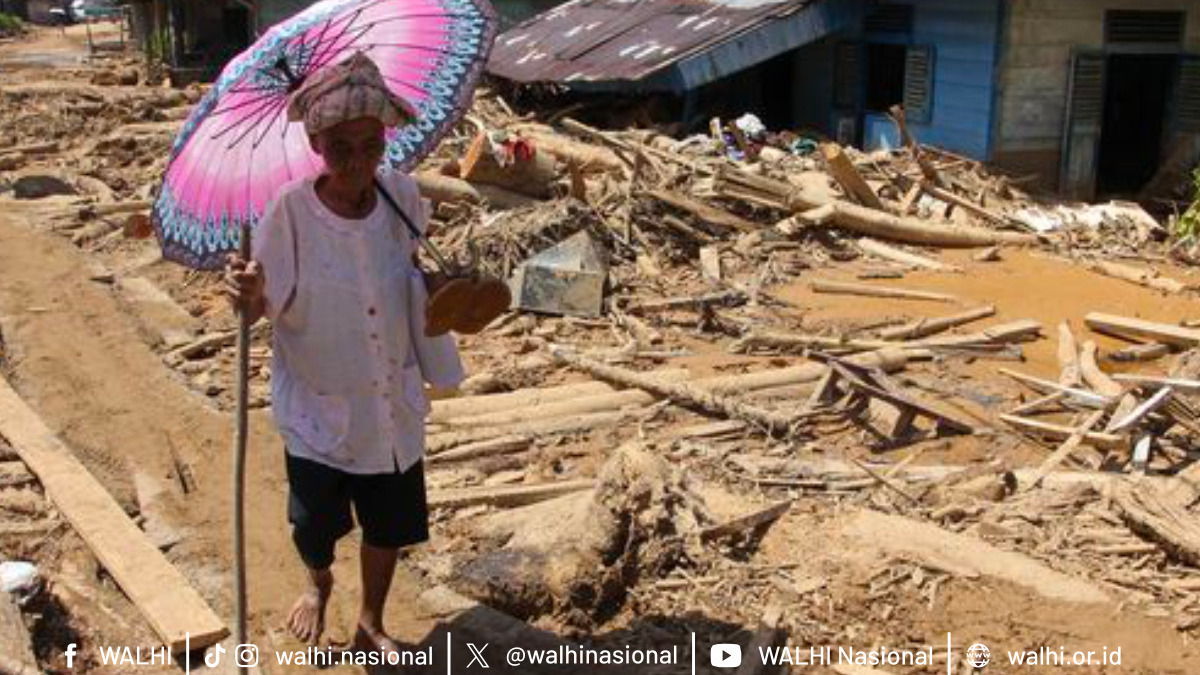
Tensions between rural communities and a palm oil company in Indonesia’s Southeast Sulawesi Province have escalated after around 50 farm huts belonging to local residents were allegedly burned during clashes linked to a long-running land dispute.
The incident took place over two days, on 29 and 30 January 2026, in Puao and Sanggula villages in Angata District, South Konawe Regency.
The destruction has intensified scrutiny of agrarian conflicts across Indonesia, where disputes between plantation companies and local farmers remain widespread.
Residents have reported the case to provincial police, accusing individuals believed to be employees of PT Marketindo Selaras, a palm oil company operating in the area, of carrying out the attacks.
Huts Burned, Property Destroyed
Andre Darmawan, legal counsel representing affected residents, said approximately 50 huts used by farmers to stay overnight while tending crops were damaged or destroyed.
“Approximately 50 farmers’ huts were damaged and burned,” Andre told local media on 31 January.
He added that residents also alleged acts of vandalism and looting alongside the arson.
“We reported three offences to the Southeast Sulawesi Police: vandalism, looting and arson,” he said.
According to residents, attempts to resist the destruction failed as they were significantly outnumbered.
“They tried to resist, but the company side had far greater numbers. As a result, they were free to destroy, loot and burn,” Andre explained.
Police confirmed officers have inspected the site but said investigations are ongoing.
South Konawe Police criminal investigation chief AKP Laode M. Jefri Hamzah said authorities were still verifying the exact number of structures damaged.
“The handling of this case is being carried out seriously to ensure the situation remains conducive and does not spread wider within the community,” he said.
Security personnel remain deployed in the area to prevent further confrontation, with police stating that the situation is currently under control.
Company Claims Retaliation After Employee Assault
PT Marketindo Selaras acknowledged that huts were burned but claimed the incident occurred after tensions flared when one of its employees was allegedly assaulted.
Company legal officer Purnomo said the arson was a spontaneous reaction from workers angered by the attack.
“The burning happened spontaneously after members of that group injured one of our employees,” he said.
The injured worker is reportedly still receiving medical treatment. The company also accused residents of burning five employees’ motorcycles and damaging approximately 4,000 oil palm trees.
Dispute Centres on 1,300 Hectares of Land
At the heart of the conflict lies a disputed area of roughly 1,300 hectares claimed by both residents and the company.
Purnomo said the company was conducting routine maintenance activities under a directive issued by South Konawe Regent Irham Kalenggo in July 2025, intended to manage the dispute while legal resolution proceeds.
Under the directive, the company is prohibited from expanding plantations or planting new crops but is allowed to conduct maintenance. Meanwhile, farmer groups were urged not to undertake activities within the disputed zone.
“According to the regent’s letter, their group is not allowed to conduct any activities there, but they built huts,” Purnomo claimed.
Environmental Group Criticises Government Handling
However, the Indonesian Forum for the Environment (WALHI) in Southeast Sulawesi criticised the directive, arguing it effectively favours the company and worsens inequality in land ownership.
WALHI Southeast Sulawesi executive director Andi Rahman said the government’s approach had failed to protect local residents and prevent violence.
“The circular clearly shows the regional government siding with the company,” Andi said on 1 February.
He also raised allegations that PT Marketindo Selaras does not hold valid land-use rights permits, known in Indonesia as HGU permits, which grant companies the legal right to cultivate plantation land.
“If the company indeed lacks HGU permits, then it has no legal basis to control land or carry out forced evictions,” Andi said, adding that state institutions appear to allow operations to continue despite these concerns.
Allegations of Violence and Intimidation
In a separate press statement, WALHI alleged that company labourers and hired individuals used intimidation and violence, claiming some were armed with sharp weapons.
The group also accused authorities of failing to intervene promptly, allowing the destruction to occur openly.
WALHI further alleged that homes, crops and residents’ vehicles were damaged or taken, forcing villagers to retreat for safety.
The organisation described the incident as forced eviction and a violation of residents’ rights to housing and livelihood, calling for immediate suspension of company operations and legal action against both field actors and corporate decision-makers.
The group also demanded administrative action against regional police leadership over the handling of the incident.
Local Government Calls for Restraint
South Konawe’s communications office head, Anas Mas’ud, said the regent’s directive was intended as a mediation tool and urged both parties to avoid further confrontation.
“I believe point one of the regent’s letter is clear, so both the company and the community can restrain themselves,” he said.
He added that authorities have attempted persuasive mediation, though legal channels remain available if negotiations fail.