Aceh extends flood and landslide emergency again as Indonesia’s disaster toll mounts across Sumatra
Aceh Governor Muzakir Manaf has announced a fourth extension of the province’s emergency response status for floods and landslides, citing unfinished rescue operations, damaged infrastructure, and the continued isolation of affected communities.
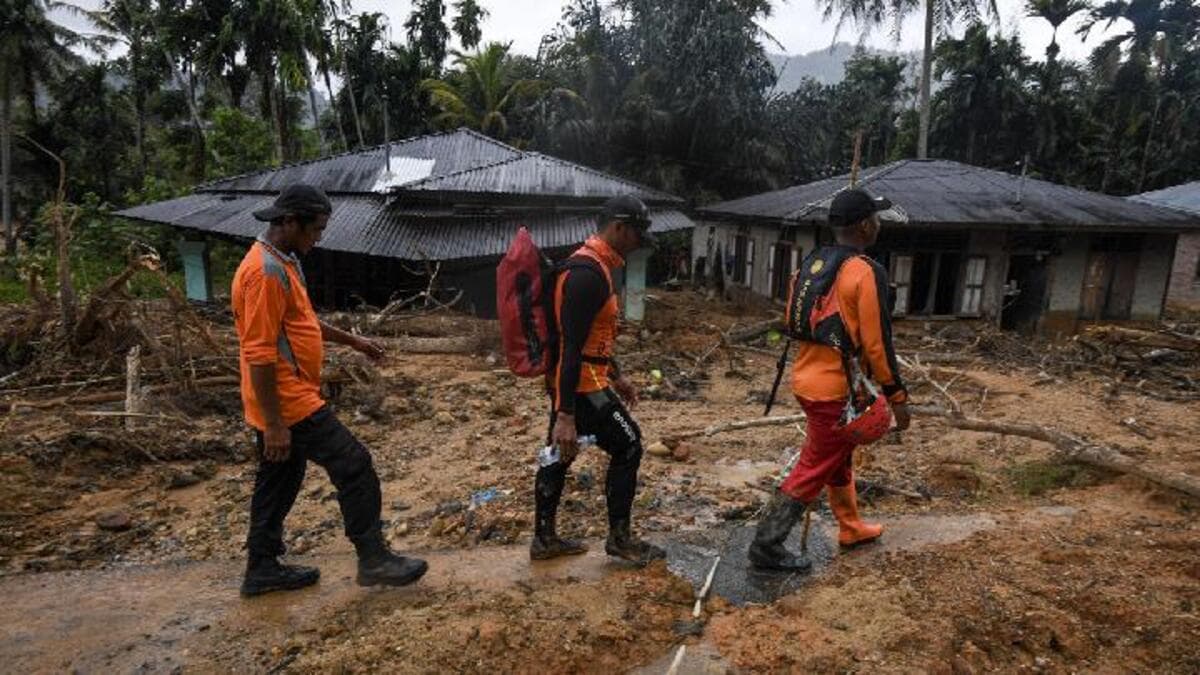
- Aceh has extended its emergency response status for floods and landslides for a fourth time, from 23 to 29 January 2026.
- Authorities say rescue, logistics, and access restoration remain incomplete, especially in isolated areas.
- The disaster has intensified scrutiny of environmental governance and licence revocations across Sumatra.
The Governor of Aceh, Muzakir Manaf, has announced a fourth extension of the province’s emergency response status for floods and landslides, underscoring the scale and persistence of one of Indonesia’s deadliest disaster episodes in recent years.
The extension will run for a further seven days, from 23 to 29 January 2026, and was declared following a virtual coordination meeting held late on Thursday at the Emergency Response Post in the Aceh Governor’s Office.
Governor Muzakir Manaf, widely known as Mualem, said the decision was taken after consultations with the central government and in response to a formal request from the Ministry of Home Affairs dated 21 January.
Emergency response still incomplete
According to Mualem, field reports from district heads in Aceh Tamiang, North Aceh, and Pidie Jaya indicate that emergency response operations remain unfinished, particularly in hard-to-reach areas.
“Based on conditions in the field and the distribution of affected victims, emergency disaster management has not yet been completed,” he said. “Therefore, as Governor of Aceh, I hereby declare the fourth extension of the emergency response status for hydro-meteorological disasters for seven days.”
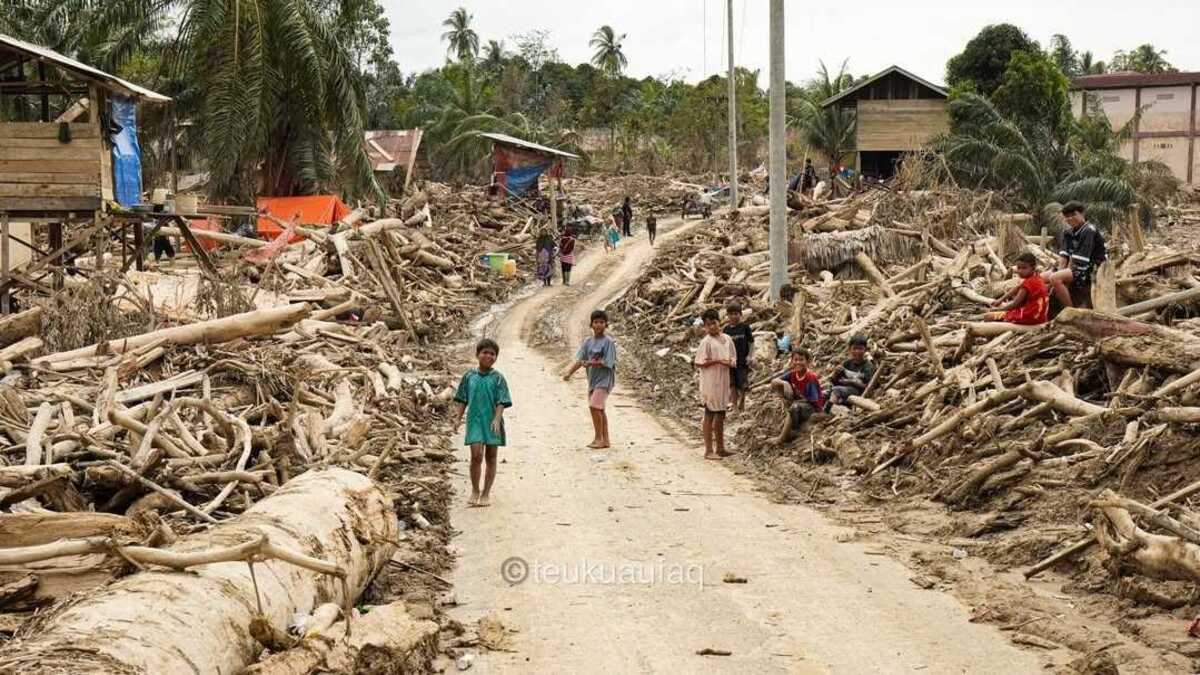
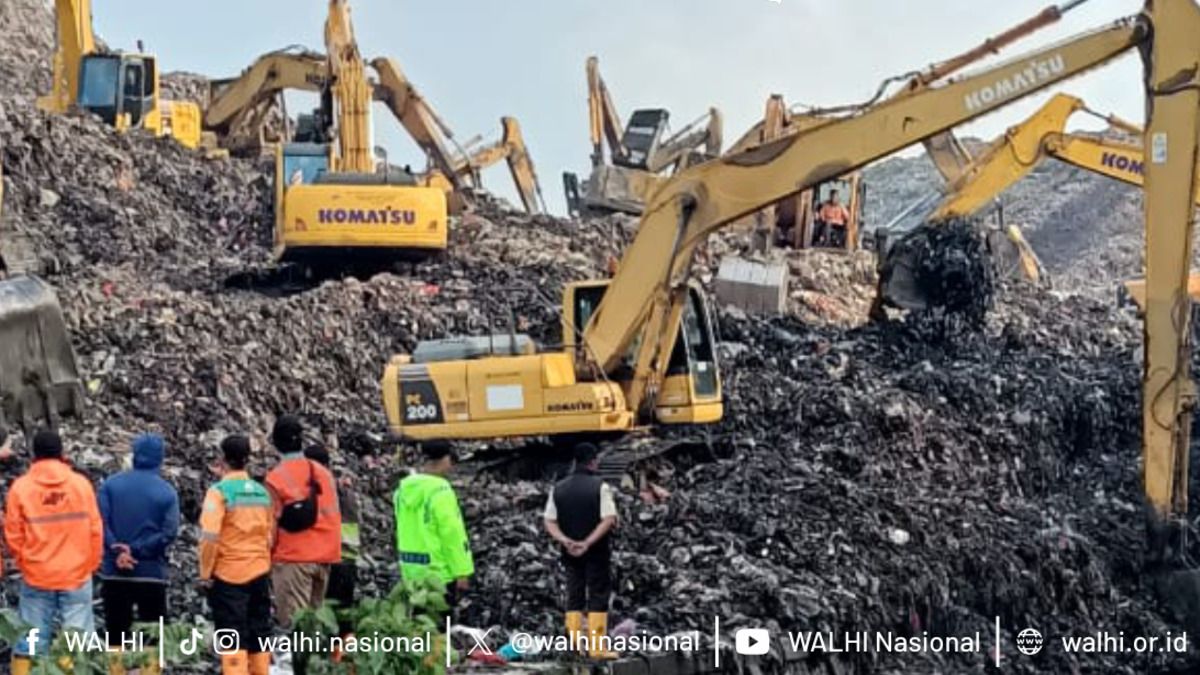
The extension is intended to ensure that debris clearance, logistics distribution, health services, and access restoration can be carried out in a coordinated and accelerated manner, including in isolated hamlets that remain cut off by damaged infrastructure.
Urgent infrastructure needs
One of the governor’s most pressing concerns is the Sawang subdistrict in North Aceh, where floods and landslides have destroyed basic transport links. Mualem said at least eight emergency bridges are urgently required.
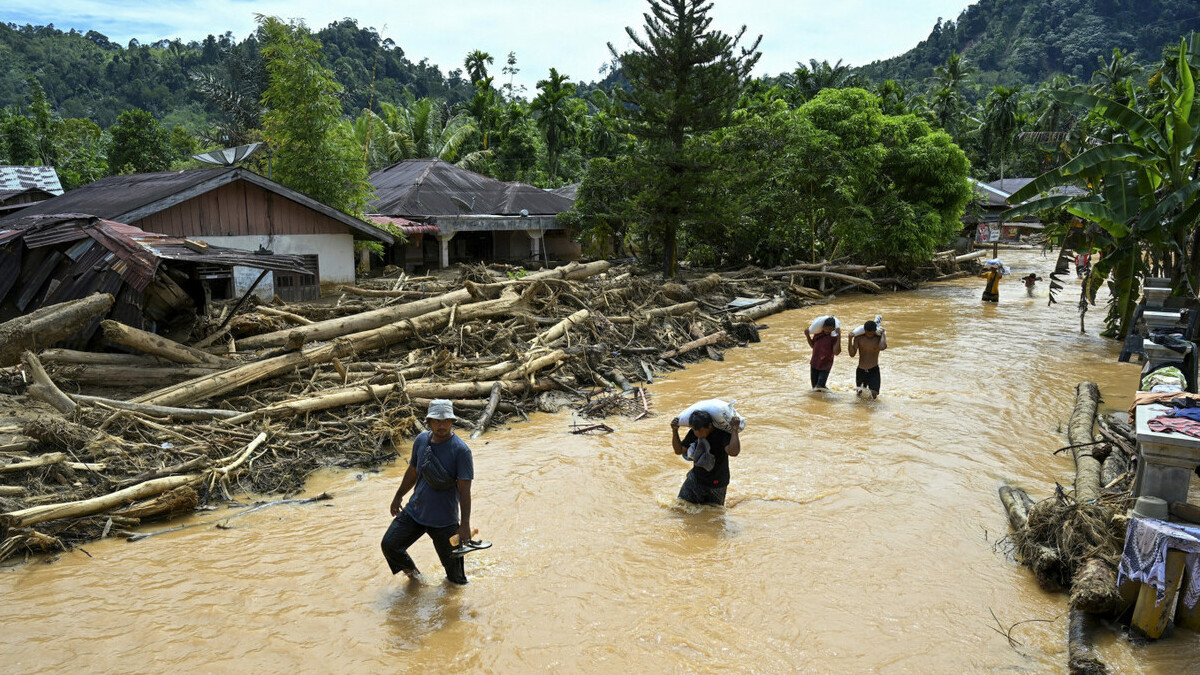
“At present, residents are forced to cross the river manually,” he explained. “When water levels are low it may still be possible, but when the current is strong, access is completely cut off.”
He has instructed all Aceh Government Work Units (SKPA), local administrations, the Indonesian armed forces and police, volunteers, businesses, and community groups to continue working together to speed up recovery, with the aim of restoring schools, housing, public facilities, and economic activity.
A disaster of national масштаbе
The Aceh extension comes amid a wider humanitarian crisis across Sumatra. According to Indonesia’s National Disaster Management Agency (BNPB), floods and landslides triggered by extreme rainfall have claimed at least 1,200 lives across Aceh, North Sumatra, and West Sumatra.
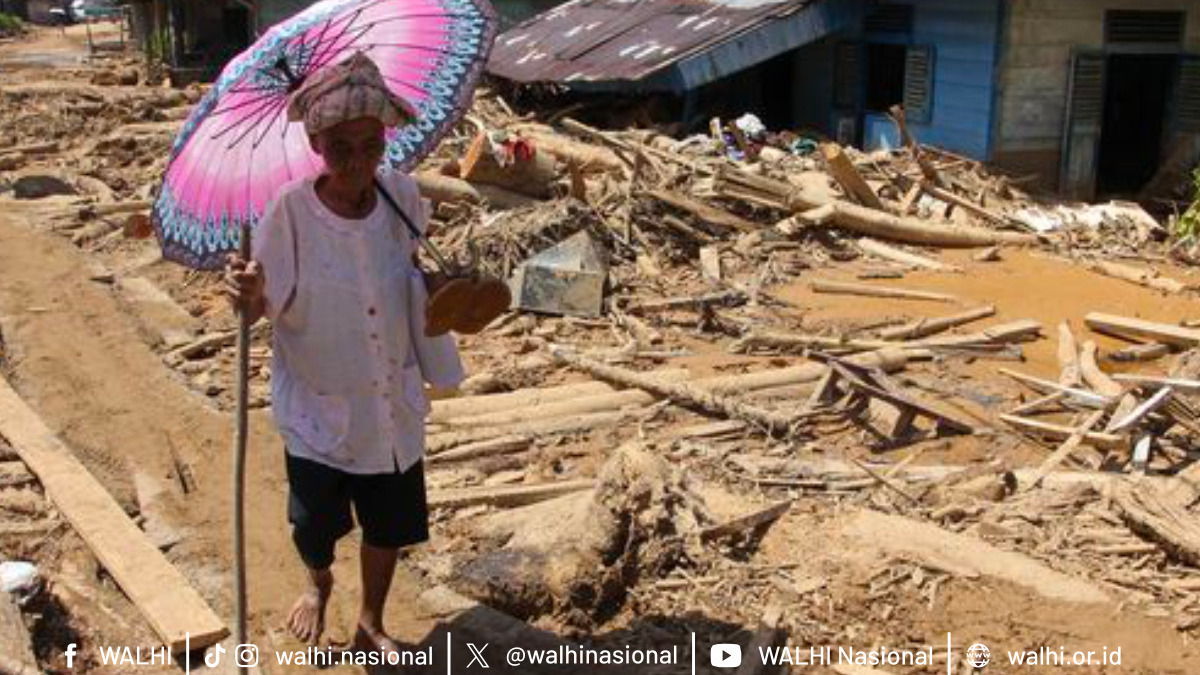
A further 143 people remain missing, while more than 113,900 residents are still living in evacuation shelters. Entire villages have been inundated or buried by landslides, with homes, schools, roads, and bridges either destroyed or rendered unusable.
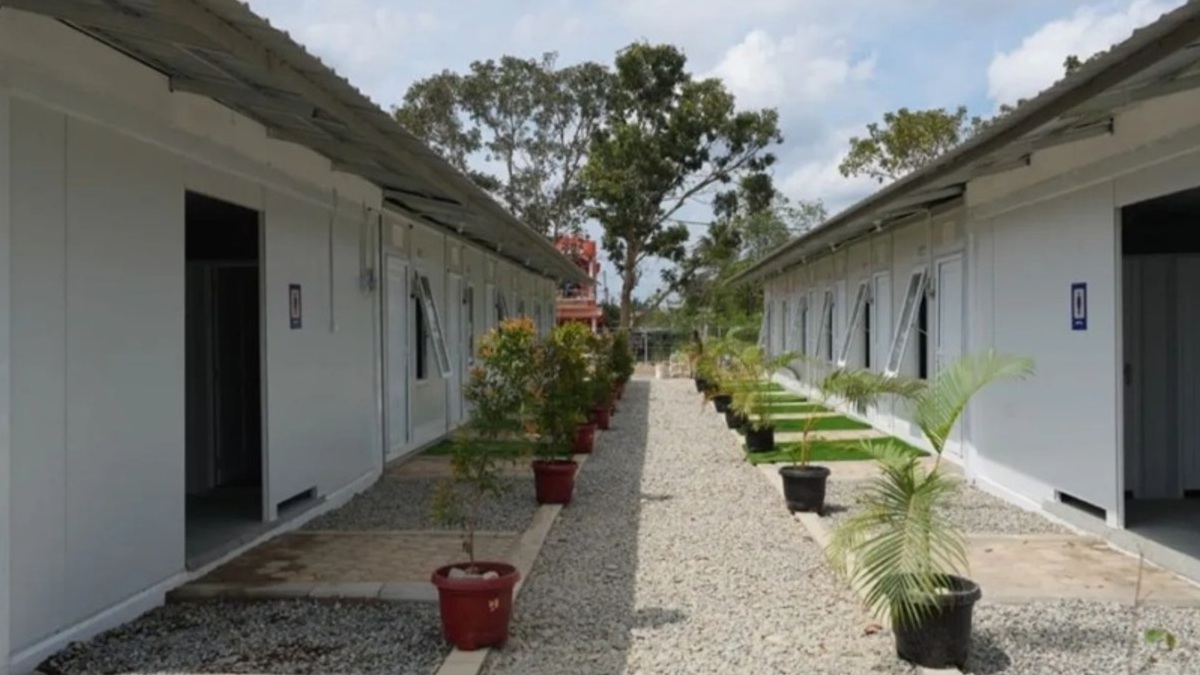
BNPB says nearly all available emergency supplies — around 1,757 tonnes — have now been distributed using a combination of air, land, and sea transport, including military aircraft and vessels. Temporary shelters are being constructed as authorities race to reopen damaged transport routes.
Environmental pressure under scrutiny
While the immediate focus remains on rescue and relief, the scale of the disaster has intensified scrutiny of environmental management in Sumatra’s river basins and upland areas. The island’s mountainous terrain and extensive deforestation have long made it vulnerable to floods and landslides, risks that are now being amplified by more extreme rainfall linked to climate change.
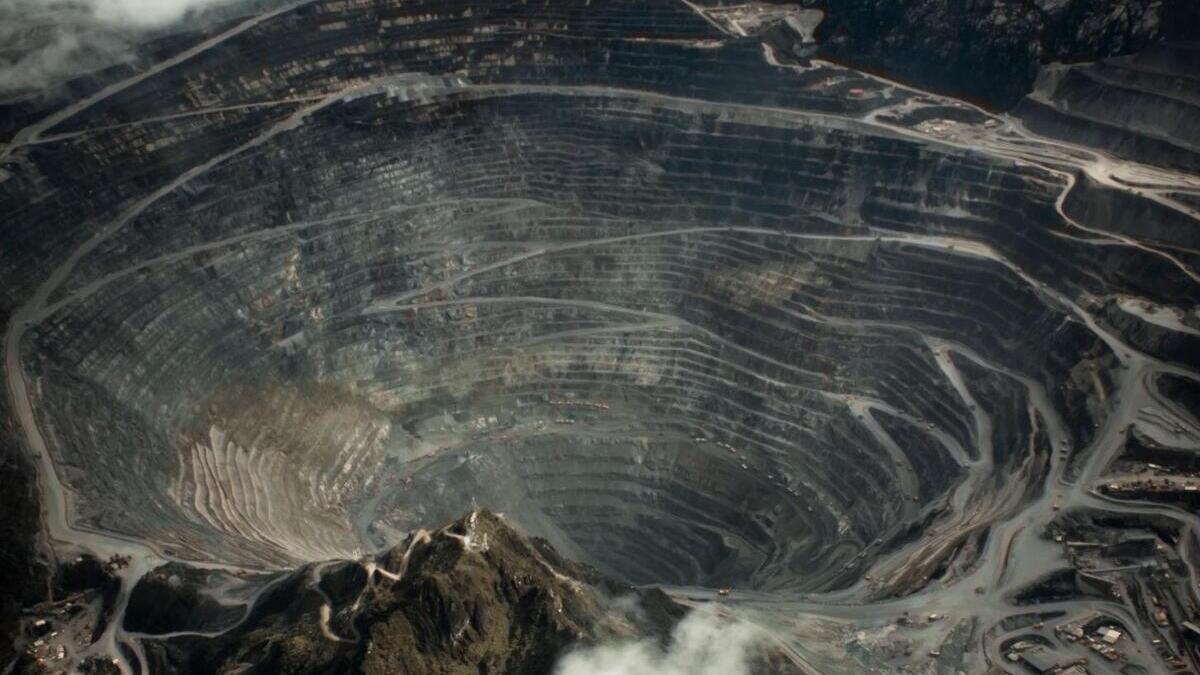
These concerns have taken on a political dimension following a decision by President Prabowo Subianto to revoke the business licences of 28 companies operating in forestry, mining, and plantation sectors across the three worst-affected provinces.
The revoked permits cover more than one million hectares and include companies accused of operating outside concession boundaries, encroaching on protected forests, and failing to meet financial obligations to the state.
Civil society criticism
However, civil society organisations argue that the licence revocations, announced amid the disaster response, highlight deeper governance failures rather than decisive reform.
Indonesia’s legal aid network LBH–YLBHI has warned that several of the licences cited had already been revoked years earlier, accusing the government of overstating its actions. The group argues that the disasters reflect decades of weak oversight and reckless permitting.
“This is not environmental reform; it is an attempt to wash hands of responsibility,” the organisation said in a recent press statement, calling for legally binding decrees rather than political announcements.
Environmental group Greenpeace Indonesia has echoed calls for transparency, urging the government to disclose how licence audits were conducted and how damaged forests and river basins will be rehabilitated. Greenpeace has also stressed the need to protect Indigenous land rights in affected areas.
Recovery planning under pressure
In Aceh, Governor Muzakir Manaf has instructed agencies to prioritise clearing residential areas, schools, places of worship, and agricultural land, while accelerating the search for missing victims. He has also set a deadline of 2 February 2026 for the completion of post-disaster rehabilitation and reconstruction (R3P) planning documents.
“Ensure logistics reach isolated hamlets and complete the cleaning of public facilities and residents’ land,” he said. “We must also finalise rehabilitation and reconstruction planning before early February.”