Indonesia invites public oversight of school meals as rights concerns emerge in Lampung case
Indonesia’s Free Nutritious Meals programme is under scrutiny after officials encouraged public monitoring via social media, even as a Lampung case revealed no sanctions for a unit accused of denying meals to children whose parents criticised food quality.
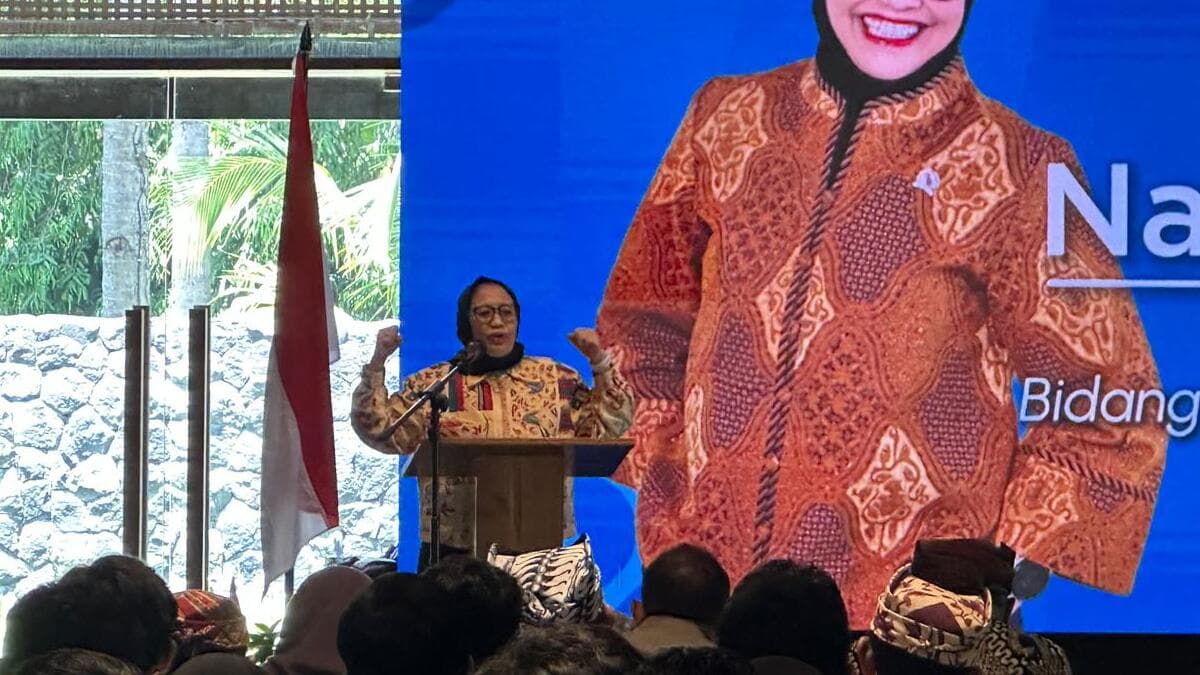
- A senior nutrition official encouraged parents and teachers to share photos of free school meals online.
- The call followed a Lampung case where children were allegedly denied meals after parental criticism.
- No sanctions were imposed on the local service unit, raising concerns over accountability.
Indonesia’s flagship Free Nutritious Meals programme (Makan Bergizi Gratis, MBG) has come under renewed public scrutiny after a senior official encouraged parents and teachers to openly share photos and videos of school meals on social media, even as a controversial case in Lampung revealed that a local service unit faced no sanctions after allegedly denying food to children whose parents criticised the programme.
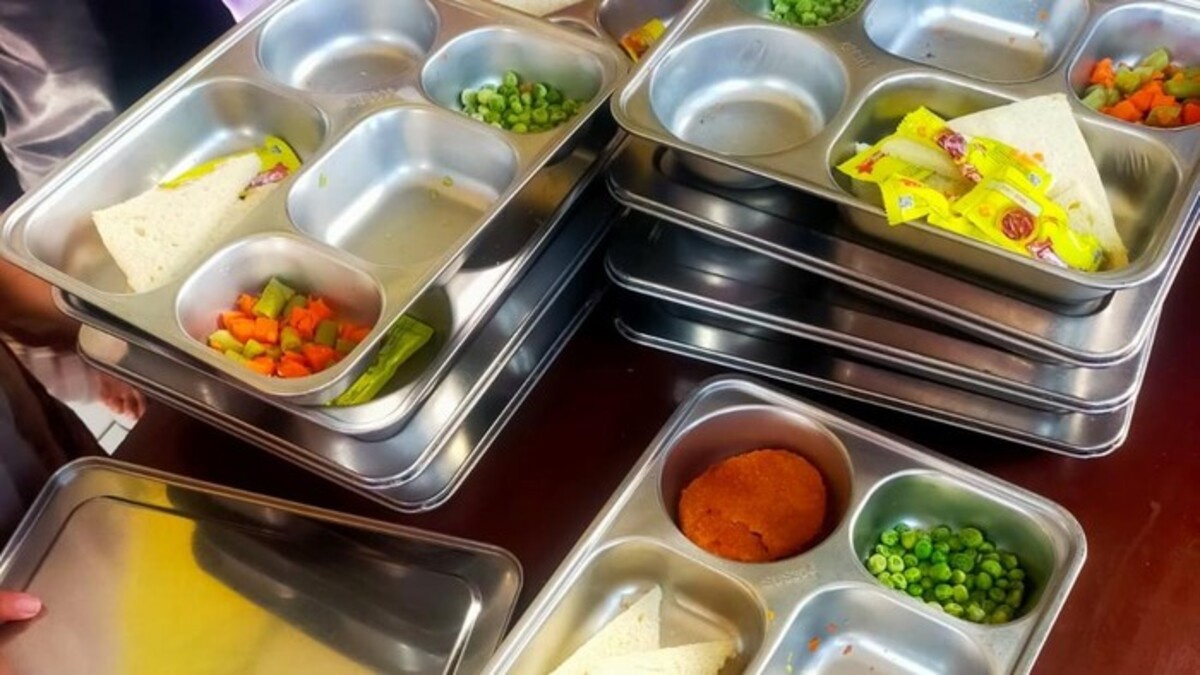
At a coordination and evaluation meeting in East Java on Monday, 26 January, National Nutrition Agency (Badan Gizi Nasional, BGN) Deputy Head Nanik Sudaryati Deyang said the public should feel free to upload images of MBG menus—whether well-prepared or problematic—consumed by their children.
“I have never prohibited parents, teachers, or anyone else from uploading MBG menus,” Nanik said during the meeting in Bondowoso, which was attended by regional leaders, implementing partners, and heads of Nutrition Fulfilment Service Units (SPPG) from Bondowoso and Situbondo regencies.
She added that uploads should ideally include details such as the date, the beneficiary school, and the name and address of the SPPG responsible for distributing the meals.
The MBG programme allocates a ceiling of Rp10,000 per meal—equivalent to roughly US$0.65—to provide free, nutritious food to schoolchildren nationwide.
Transparency and public oversight
Nanik stressed that the request for detailed information was not intended to intimidate the public. Instead, she said, it would allow BGN and other government bodies to trace complaints quickly, verify facts, and prevent further problems.
As the daily chair of a coordinating team involving 17 ministries and state institutions overseeing MBG implementation, she acknowledged that official monitoring capacity remains limited. BGN currently has only around 70 staff assigned to supervise thousands of SPPG units across the country.
“That number is clearly insufficient,” Nanik said. “This is why we are genuinely grateful for feedback and monitoring from parents, teachers, and the wider community.”
She described public uploads as a form of participatory oversight and transparency, essential to improving what President Prabowo Subianto has branded a flagship social programme.
Lampung controversy highlights risks
Nanik’s remarks followed a widely publicised incident in Lampung, where two siblings—Alfan, a Year 6 pupil at MI Al-Fatah Islamic primary school, and Arsya, a kindergarten student at RA MA Arif 1—were reportedly denied MBG meals for several days after their parents criticised food quality on social media.
The case occurred in Trimulyo Village, Tegineneng Subdistrict, Pesawaran Regency, and triggered strong condemnation from members of the local legislature. Commission IV of the Pesawaran Regional House of Representatives (DPRD), accompanied by the council’s First Deputy Chair M. Nasir, conducted an unannounced inspection of the schools and the SPPG kitchen.
Legislators said they found food that was unfit for consumption, including fruit that had begun to rot. “One of the findings that shocked us was the serving of rotten salak fruit to students,” Nasir said, calling it a serious breach of food safety standards.
Beyond the quality issue, the DPRD concluded that the siblings had been subjected to discriminatory treatment. While their classmates continued to receive meals, the two children did not—an action lawmakers said had caused psychological distress.
“This is cruel,” Nasir said. “If the kitchen felt aggrieved by criticism, it should have pursued legal channels, not sacrificed children.”
Calls for sanctions—but none imposed
The DPRD demanded the immediate closure of the Trimulyo SPPG kitchen, operated by the Garanta Foundation, and urged authorities to escalate the matter to higher levels of government, including BGN and the President. Lawmakers also warned of potential legal violations involving intimidation and bullying of families.
However, despite the public backlash, it emerged that the SPPG unit responsible for the alleged meal denial faced no formal consequences. Distribution of meals to the two children later resumed, but no sanctions were imposed on the operator.
Dewi Ratih, the person in charge of the Trimulyo SPPG kitchen, denied wrongdoing. She claimed the children had continued to receive food and said the only action taken was the temporary suspension of a funding request for one budget cycle. While apologising for the controversy, she insisted her organisation would defend itself against what it considered defamation.