The death of a 10-year-old in East Nusa Tenggara: A stark mirror of Indonesia’s rural poverty
The death of a ten-year-old pupil in Ngada Regency has shocked Indonesia, highlighting how extreme poverty and gaps in education assistance can leave children vulnerable despite large national budgets for welfare and education.

- A Year 4 pupil in East Nusa Tenggara died by suicide after failing to obtain money for basic school supplies.
- The case has exposed persistent poverty, limited access to education support, and weaknesses in child protection systems.
- The tragedy has fuelled debate over government spending priorities and whether major social.
Content Warning: The following article contains sensitive material regarding suicide among minors. It discusses distressing themes that may be triggering for some readers.
The death of a ten-year-old primary school pupil in Ngada Regency, East Nusa Tenggara (NTT), has shaken Indonesia and reignited debate about poverty, education access, and government spending priorities in the world’s fourth most populous country.
The boy, identified by the initials YBR, a Year 4 pupil in Jerebuu District, was found dead after hanging himself from a clove tree near the hut where he lived with his grandmother. Police officers discovered a handwritten farewell letter addressed to his mother during the evacuation.
Written in the local Bajawa language, the letter contained both gratitude and pain. One line expressed disappointment towards his mother, while the rest urged her not to cry or look for him if he died.
Parts of the letter, later translated and circulated in local media, read:
“Mama is very stingy.”
“Mama, you have been good. If I die, please do not cry.”
“Mama, if I die, do not cry and do not look for me.”
“Goodbye, Mama.”
Ngada Police public relations officer Second Inspector Benediktus R. Pissort confirmed the note was authentic and written by the child.
Authorities later revealed that the child had allegedly become distressed after his mother was unable to provide money to buy school exercise books and pens. Naruwolo Village Head Dion Roa explained that the boy had asked his mother for money the night before the incident, but the family did not have the funds.
The mother, who has struggled to support five children since separating from her husband about a decade ago, survives on irregular farm work. To ease the household burden, the boy usually lived with his elderly grandmother in a nearby hut.
He had stayed overnight with his mother in hopes of obtaining money for school supplies, but returned disappointed. The following day, he was discovered hanging in his grandmother’s garden by a villager tending livestock.
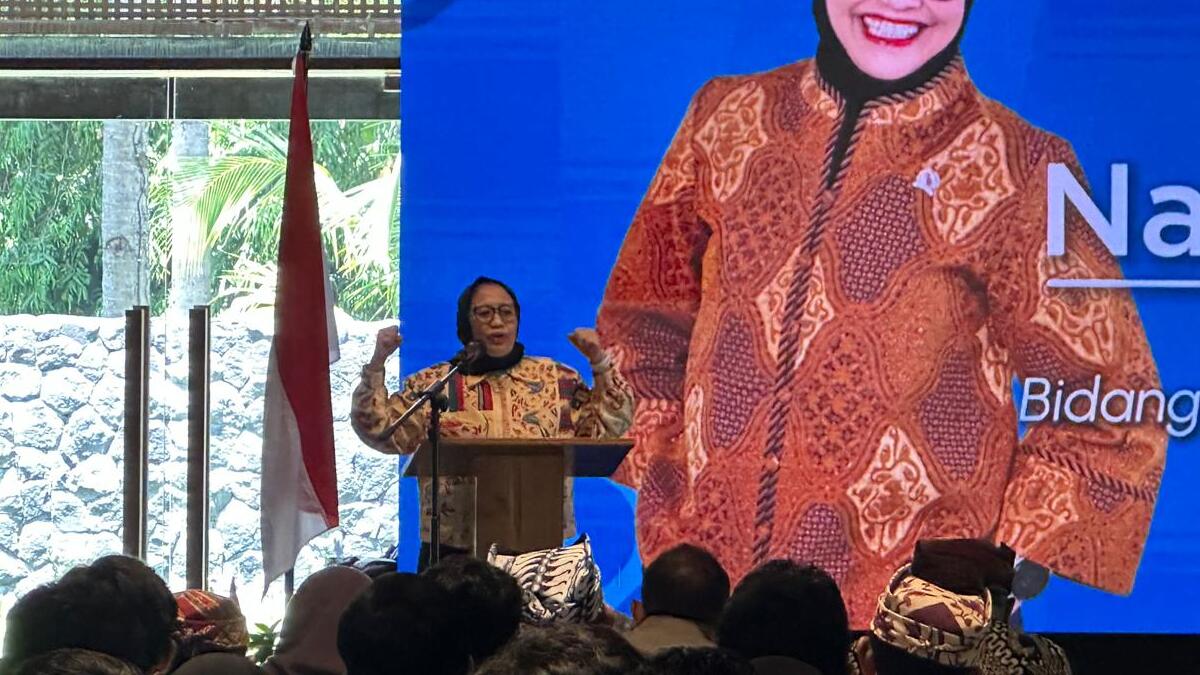
Speaking at the Presidential Palace complex in Jakarta, Social Affairs Minister Saifullah Yusuf expressed condolences and described the tragedy as a matter of shared national concern.
“We are deeply saddened. This must become our collective concern,” he said, adding that better data collection and stronger coordination with local governments were needed so that vulnerable families could receive assistance before reaching crisis point.
Witnesses and local officials described the child’s family situation as extremely difficult, a condition familiar to many Indonesians living in remote rural areas. Despite Indonesia’s steady economic growth over the past two decades, millions continue to struggle to afford food, healthcare and basic educational needs.
In provinces such as East Nusa Tenggara, Papua and parts of eastern Indonesia, poverty rates remain significantly higher than the national average, with rural communities often facing limited access to government services.
Human rights groups argue that the death reflects deeper structural issues. Amnesty International Indonesia executive director Usman Hamid described the incident as a humanitarian tragedy rooted in structural poverty and a failure to protect children’s rights.
He noted that the child had required less than Rp10,000 (around US$0.60) to buy school supplies, yet the amount proved unattainable for his family. Amnesty stressed that the constitutional right to education must include access to essential learning materials, not merely the existence of schools.
The case has also drawn political attention. Habib Syarief, a member of Commission X of Indonesia’s House of Representatives, said the incident highlighted persistent gaps in fulfilling children’s basic educational rights despite large national allocations for education and social assistance.
He urged authorities to investigate whether education assistance programmes had failed to reach students in need and called for teachers to play a stronger role in monitoring students’ psychological well-being.
The tragedy has also intensified debate about government spending priorities, particularly regarding Indonesia’s ambitious Free Nutritious Meals programme, known locally as Makan Bergizi Gratis (MBG).
Under the 2026 State Budget, the MBG programme has been allocated around Rp335 trillion (approximately US$21 billion), making it one of the largest social spending initiatives in the country’s history. Officials argue the programme will improve child nutrition while stimulating local economies.
However, critics say the programme’s implementation has been poorly targeted. Reports from several regions indicate that beneficiaries include many students from relatively affluent private and urban schools, while remote rural communities — where children often face genuine nutritional and economic hardship — have yet to see meaningful benefits.
In many villages, including parts of eastern Indonesia, families’ immediate concerns are not simply nutritional intake but survival itself. Parents struggle to secure exercise books, pens and uniforms, and children sometimes travel long distances to school without adequate food or learning materials.
Observers note that delivering effective assistance across an archipelago of more than 17,000 islands remains a persistent governance challenge, with programmes often failing to reach those most in need.
Government officials have promised improvements. Minister Saifullah Yusuf said his ministry would strengthen coordination with regional authorities to better identify vulnerable households and prevent similar tragedies.
Education Minister Abdul Mu’ti said his ministry would investigate the case further.