Indonesia police confirm 699 citizens trafficked into Cambodia scam operations in 2025
Indonesia says at least 699 citizens were trafficked into Cambodia’s online scam industry in 2025, as police and diplomats grapple with decentralised crime networks and a surge of victims seeking repatriation.
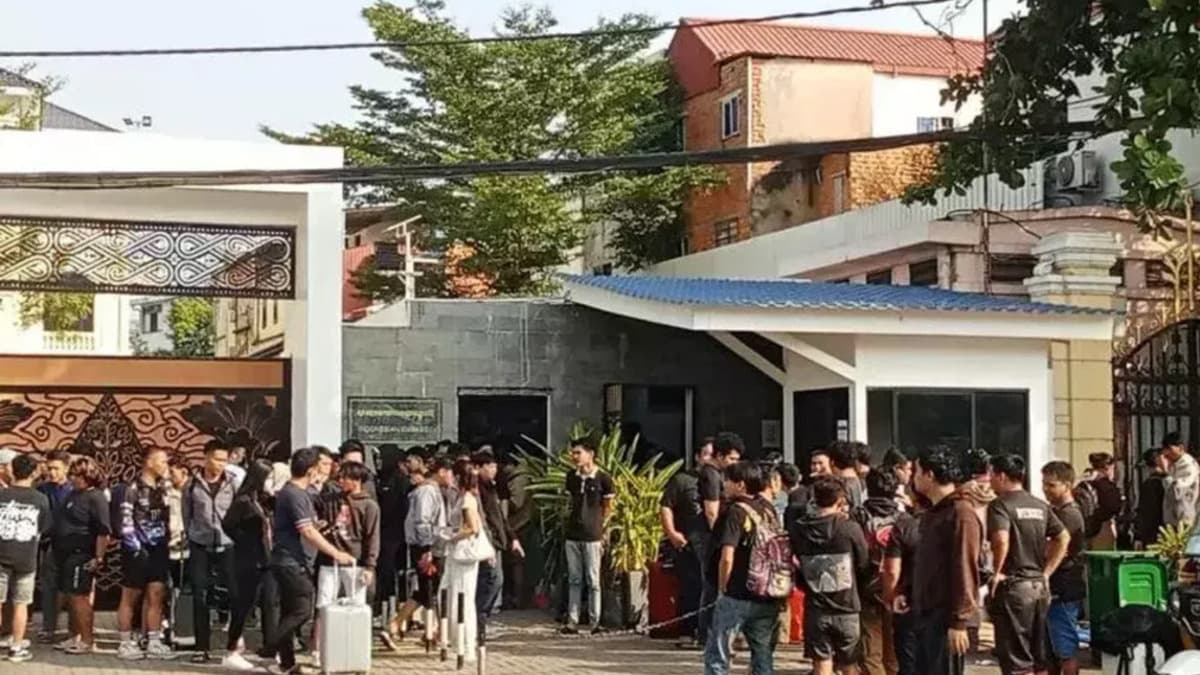
- Indonesian police recorded at least 699 Indonesians trafficked into Cambodia’s online scam industry during 2025.
- More than 1,440 Indonesians have sought help from the Indonesian Embassy in Phnom Penh as of January 2026.
- Decentralised criminal networks and cross-border legal barriers complicate enforcement and repatriation efforts.
Indonesian authorities have revealed the scale of a transnational human trafficking operation that has ensnared hundreds of Indonesian citizens in Cambodia’s online scam industry, highlighting both the sophistication of the criminal networks involved and the growing diplomatic challenge of bringing victims home.
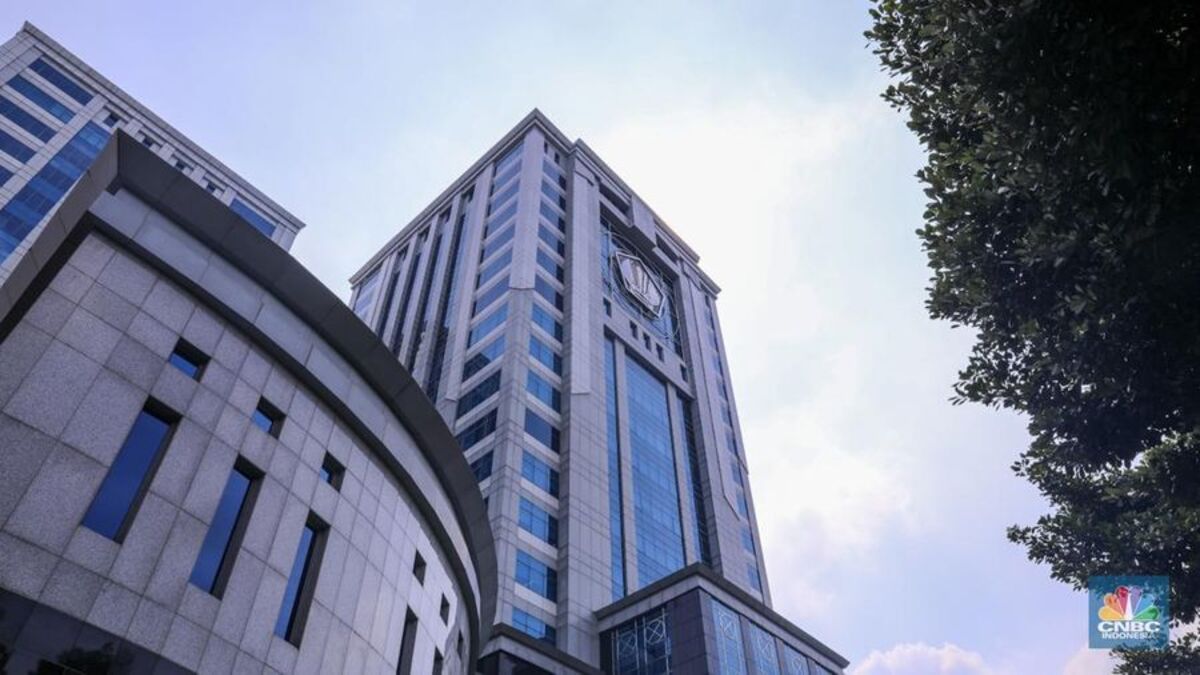
The Directorate of Women, Children, and Human Trafficking (PPA–PPO) of the Criminal Investigation Agency (Bareskrim) at the Indonesian National Police (Polri) confirmed that at least 699 Indonesians were recorded as victims of human trafficking linked to online scam operations in Cambodia during 2025 alone.
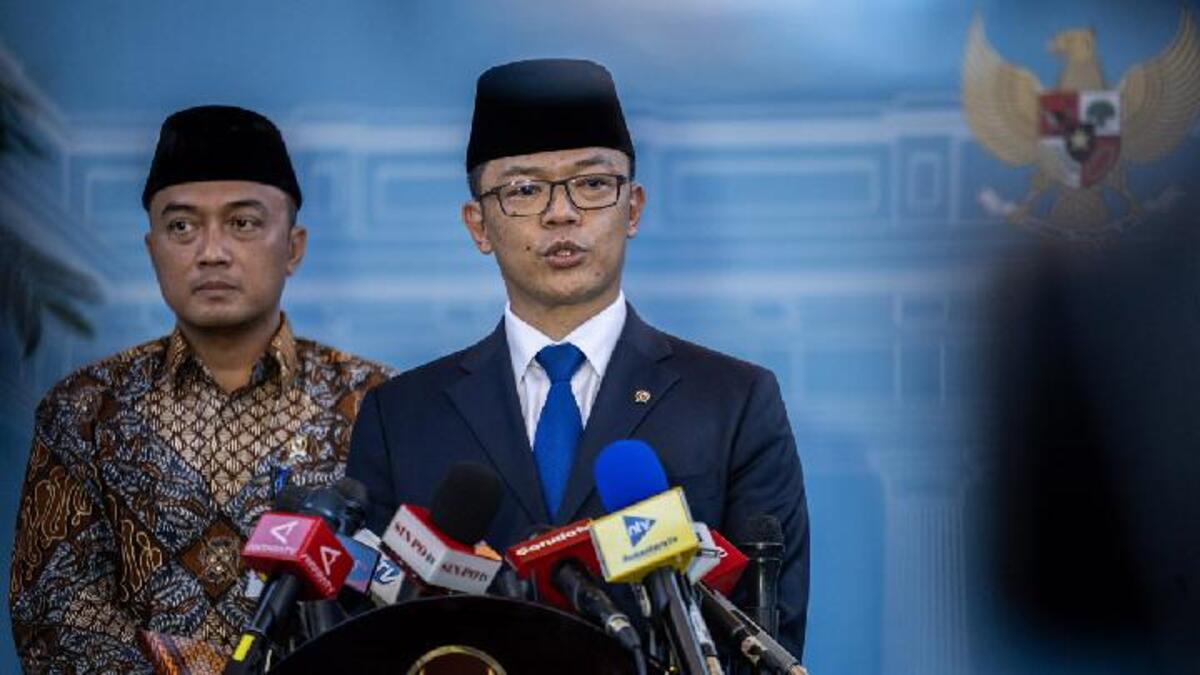
Speaking at a public discussion at the Bareskrim headquarters on 21 January 2026, Nurul Azizah, Director of PPA–PPO at Bareskrim, said the figure illustrates the “significant scale” of the crime.
“The victims were lured by promises of well-paid jobs,” Nurul said. According to police findings, recruiters offered monthly salaries of between approximately IDR15 million (US$890) and IDR20 million (US$1,180), along with free accommodation. Many were told they would be employed as customer service staff, telemarketers, or crypto-related operators.
Fragmented networks and cross-border barriers
Nurul explained that dismantling the syndicates behind these operations has proven difficult because of their decentralised structure. Rather than operating under a single, identifiable leadership, the networks are spread across multiple layers and locations.
“Decentralised networks make it difficult to apprehend the core perpetrators,” she said, adding that investigators frequently encounter jurisdictional barriers when cases span multiple countries.
Another major concern is the risk of victims being treated as offenders. Many Indonesians forced to work in scam centres are coerced into participating in online fraud, blurring the line between victim and suspect. Nurul stressed that Indonesian police would avoid criminalising victims who committed offences under duress.
Embassy overwhelmed as victims seek help
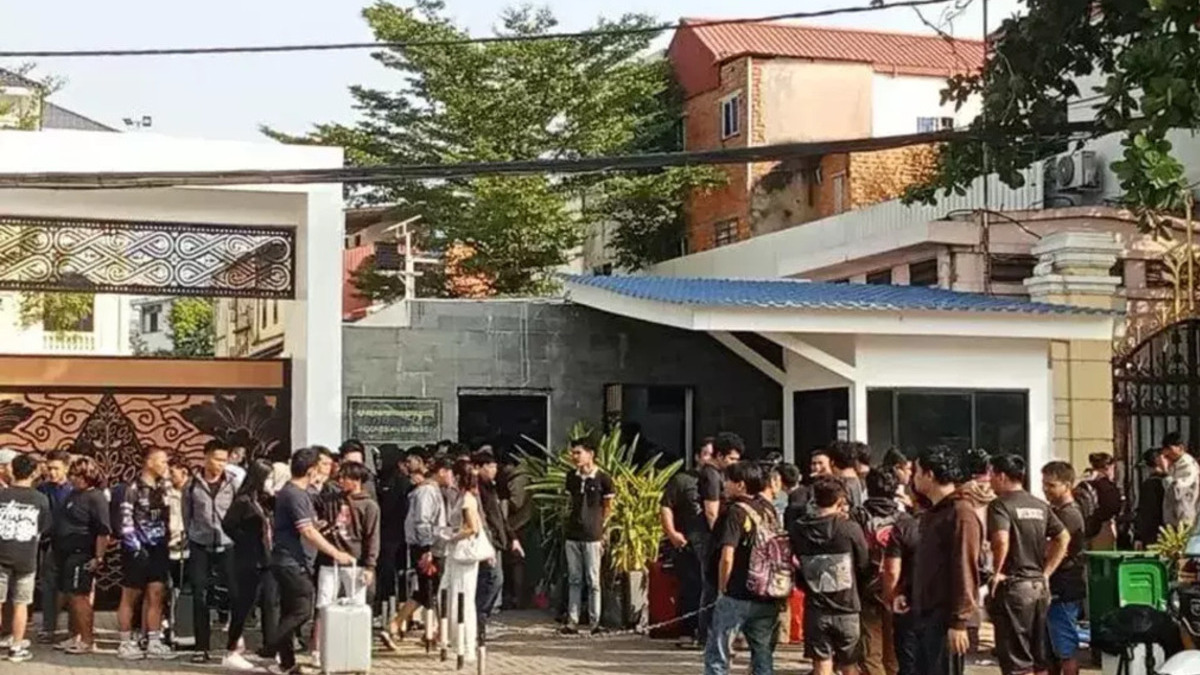
The scale of the problem has been underscored by a surge of Indonesians seeking assistance from the Indonesian Embassy in Phnom Penh. Indonesia’s Ambassador to Cambodia, Santo Darmosumarto, said that more than 1,440 Indonesian nationals had reported directly to the embassy as of 20 January 2026.
Many arrived without passports and were living in Cambodia without valid immigration permits. Some had their travel documents confiscated by scam syndicates, while others had overstayed their visas. Embassy officials are now conducting registration and assessment processes to determine each individual’s legal and humanitarian needs.
To speed up repatriation, the embassy has begun issuing Temporary Travel Documents (Surat Perjalanan Laksana Paspor, or SPLP) on a mass scale. Indonesians in poor health have been referred to local medical facilities, while at least four individuals managed to return to Indonesia independently earlier this week.
The embassy is also coordinating closely with Cambodian police and immigration authorities to finalise mechanisms for leniency on overstay fines and to accelerate the issuance of exit permits. Officials expect arrivals to continue as law enforcement actions intensify.
Crackdown on scam compounds
The recent influx follows a renewed crackdown by Cambodian authorities on online scam compounds, many of which have been linked to international criminal syndicates. Earlier this month, Cambodia arrested and deported Chen Zhi, a China-born tycoon accused of running large-scale internet fraud operations from Cambodia. Chen, a former adviser to the Cambodian government, had been indicted by United States authorities in October.
Following these actions, many foreign workers—including Indonesians—have fled scam centres and sought refuge at diplomatic missions.
Rising caseloads and ongoing risks
Throughout January 2026 alone, the Indonesian Embassy in Phnom Penh handled more than 1,047 cases involving Indonesians in distress, a sharp rise compared with previous years. In 2025, the embassy dealt with 5,088 cases, around 82 per cent of which were linked to online scam activities.
Embassy officials have urged Indonesians still in Cambodia who have escaped scam networks to report immediately, warning that fraudsters have also attempted to exploit the situation by posing as embassy representatives.
As Indonesia grapples with the fallout from one of Southeast Asia’s most pervasive forms of cyber-enabled human trafficking, officials say prevention—through public awareness of fraudulent overseas job offers—must go hand in hand with enforcement and victim protection.
“The priority is ensuring that victims can return home safely, with dignity, and without fear of criminalisation,” Nurul said.