Prabowo says Indonesia’s free meals scheme may beat McDonald’s scale; critics warn safety and rising costs
President Prabowo Subianto has promoted Indonesia’s Free Nutritious Meals programme on the global stage by comparing it to McDonald’s daily output. Domestically, however, the policy faces growing criticism over safety, costs and accountability.
- President Prabowo Subianto likened Indonesia’s free meals programme to McDonald’s global output during a Davos speech.
- At home, the programme faces scrutiny over food safety, governance risks, and weak evidence of impact.
- Economists and civil society groups warn the Rp335 trillion budget may crowd out other urgent priorities.
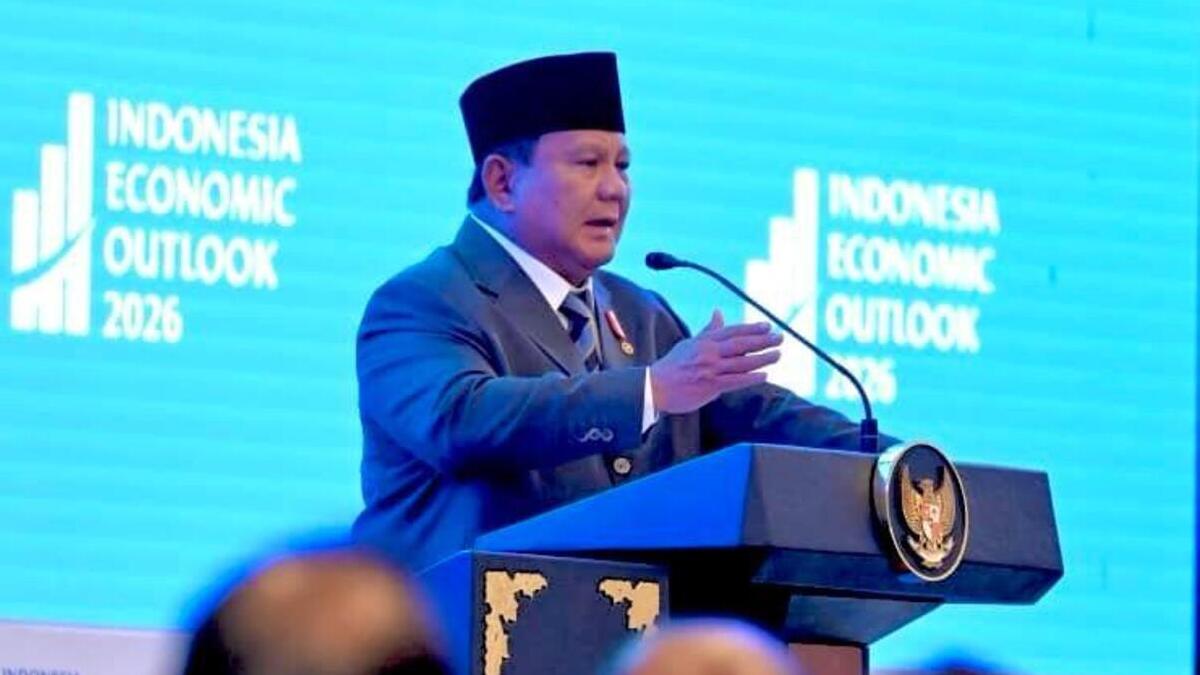
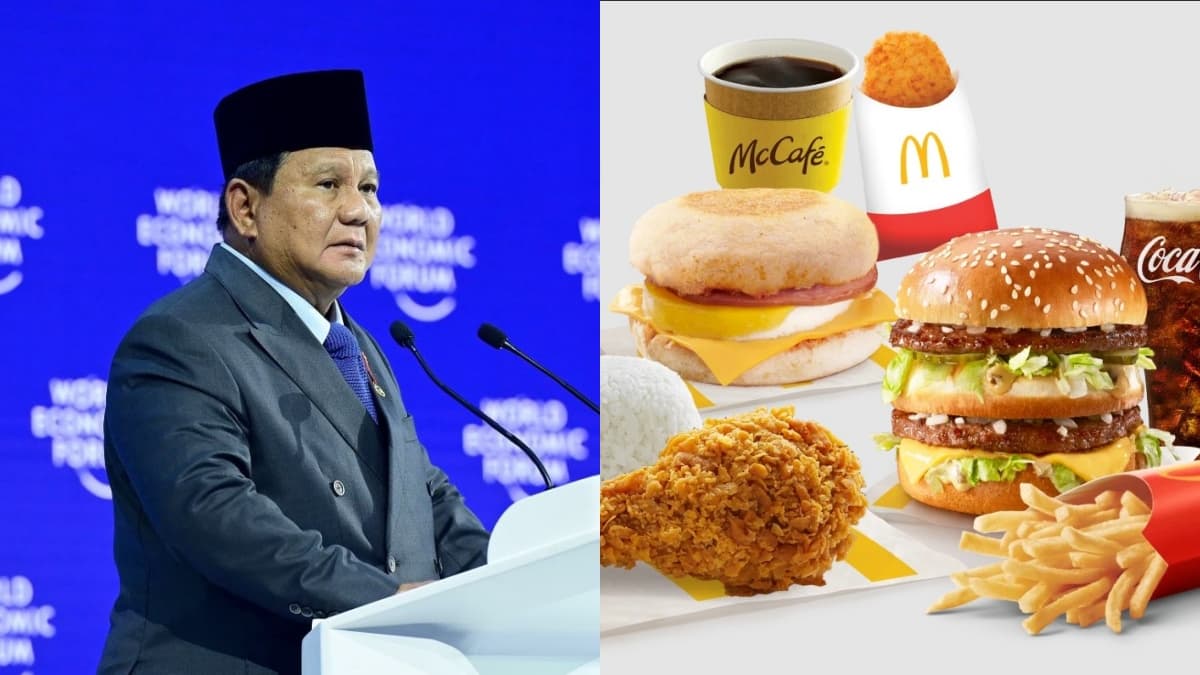
Speaking before global political and business elites at the World Economic Forum in Davos this week, President Prabowo Subianto offered a striking comparison to illustrate the ambition of his flagship social policy.
Indonesia’s Free Nutritious Meals programme, he said, was on track to surpass the daily output of McDonald's, the world’s largest fast-food company.
The remark, delivered during Prabowo’s address at the World Economic Forum Annual Meeting on Thursday, 22 January 2026, was intended to signal both scale and speed.
Yet while the claim drew attention abroad, at home the programme — known locally as Makan Bergizi Gratis (MBG) — has become one of the most contested public policies in Indonesia’s recent history.
A programme of unprecedented scale
Launched nationwide on 6 January 2025, MBG is central to Prabowo’s vision of building “Golden Indonesia 2045”, the government’s long-term strategy to improve human capital ahead of the country’s centenary of independence.
The programme provides free meals to schoolchildren, pregnant women, nursing mothers, toddlers and, in some areas, elderly people living in isolation.
According to Prabowo, MBG began operations with 190 public kitchens — officially termed Nutrition Fulfilment Service Units (SPPG) — serving around 570,000 beneficiaries on its first day.
“One year later, as of last night, we have produced 59.8 million meals,” Prabowo told the Davos audience. “They receive these meals every day.”
To underline the scale, he compared MBG with McDonald’s estimated 68 million daily customers worldwide.
“In approximately one month, we will surpass McDonald’s daily meal production,” he said, adding that the government aims to reach 82.9 million portions per day before the end of 2026.
The president framed the programme as a reallocation of state resources away from what he called “inefficient” spending and towards direct benefits for ordinary citizens, particularly children suffering from chronic malnutrition.
The nutrition argument
Indonesia has long struggled with childhood stunting and undernutrition, particularly in poorer and more remote regions.
Government data cited by Prabowo suggest that between 20 and 30 per cent of children experience some form of malnutrition, and that many attend school without breakfast.
“For some children, their daily meal is only rice with leaves,” Prabowo said in a separate address earlier this month, portraying MBG as both a moral imperative and an investment in future productivity.
The administration claims that the programme now reaches more than 55 million beneficiaries, a figure Prabowo has repeatedly described as “extraordinary”.
Rising reports of food poisoning
However, the government’s confident narrative contrasts sharply with reports from independent monitors and civil society groups.
The Indonesian Education Monitoring Network (JPPI) has documented more than 20,000 cases of food poisoning allegedly linked to MBG meals as of late December 2025, spanning multiple provinces. While official figures from the National Nutrition Agency (BGN) acknowledge fewer cases, they still confirm hundreds of incidents nationwide.
BGN head Dadan Hindayana has urged critics to submit detailed and verifiable data to allow investigations, but the incidents have raised serious questions about hygiene standards, food handling practices and oversight at the rapidly expanding network of public kitchens.
Public health experts warn that at the scale MBG now operates, even small failures can translate into large absolute numbers of affected people.
Governance and corruption concerns
Beyond food safety, education advocates argue that MBG has introduced new governance risks into schools. JPPI has reported allegations of fund embezzlement and coercive practices, including cases where schools allegedly demanded small payments from parents — typically Rp1,000 (US$0.06) per meal — despite the programme being fully funded by the state.
Such practices, critics say, point to blurred lines of accountability between schools, local governments and kitchen operators, and risk normalising informal charges within the education system.
Weak legal footing and planning gaps
A December 2025 evaluation by the Centre for Economic and Law Studies (Celios) further challenged official claims of success. Researchers concluded that MBG was rolled out nationally without adequate preparatory studies, transparent data, or a clear legal framework.
For nearly a year, the programme operated without a dedicated regulation. Only in November 2025 did the government issue a presidential regulation to formally govern MBG, retroactively providing a legal basis for a scheme that had already absorbed tens of trillions of rupiah.
Celios researcher Isnawati Hidayah argued that children had been treated as “objects of policy rather than rights-holders”, with success measured in output volumes rather than demonstrable health or learning outcomes.
A budget that dwarfs other priorities
At the heart of the controversy lies MBG’s cost. In Indonesia’s 2026 draft state budget, approved by parliament in September 2025, the programme was allocated Rp335 trillion (around US$21.3 billion), making it one of the single largest spending items in the budget.
Nearly 30 per cent of the national education allocation — Rp223 trillion (US$14.2 billion) out of Rp769 trillion (US$49.0 billion) — is now channelled into MBG alone, eclipsing spending on scholarships, teacher welfare and educational infrastructure.
By comparison, disaster mitigation agencies and meteorological services receive only a fraction of that amount, a disparity that has become politically sensitive following deadly floods and landslides in Sumatra late last year.
Economists have questioned whether a universal school meals programme represents the most efficient use of public funds in a country with highly uneven poverty rates. Some estimates suggest that, based on population data and the provision of only one meal per day, a targeted programme could cost a small fraction of the current allocation.
Limited evidence of impact
Survey data analysed by Celios raise doubts about whether MBG is delivering its promised benefits.
More than half of parents surveyed reported no significant change in their children’s weight or classroom focus after receiving free meals.
Statistical analysis found no clear link between programme participation and improved learning behaviour.
Researchers also identified inclusion errors of more than 30 per cent, suggesting that a substantial share of benefits flows to children who are not undernourished, potentially wasting billions of rupiah.
Nutritionists have raised further alarms about menu composition, pointing to the frequent inclusion of ultra-processed foods and sugary drinks, as well as practices that may undermine breastfeeding guidelines for infants.
Economic disruption and social backlash
MBG’s effects extend beyond schools. Analysts estimate that up to two million workers in small food stalls, canteens and home-based catering businesses could lose income as centralised procurement replaces local food ecosystems.
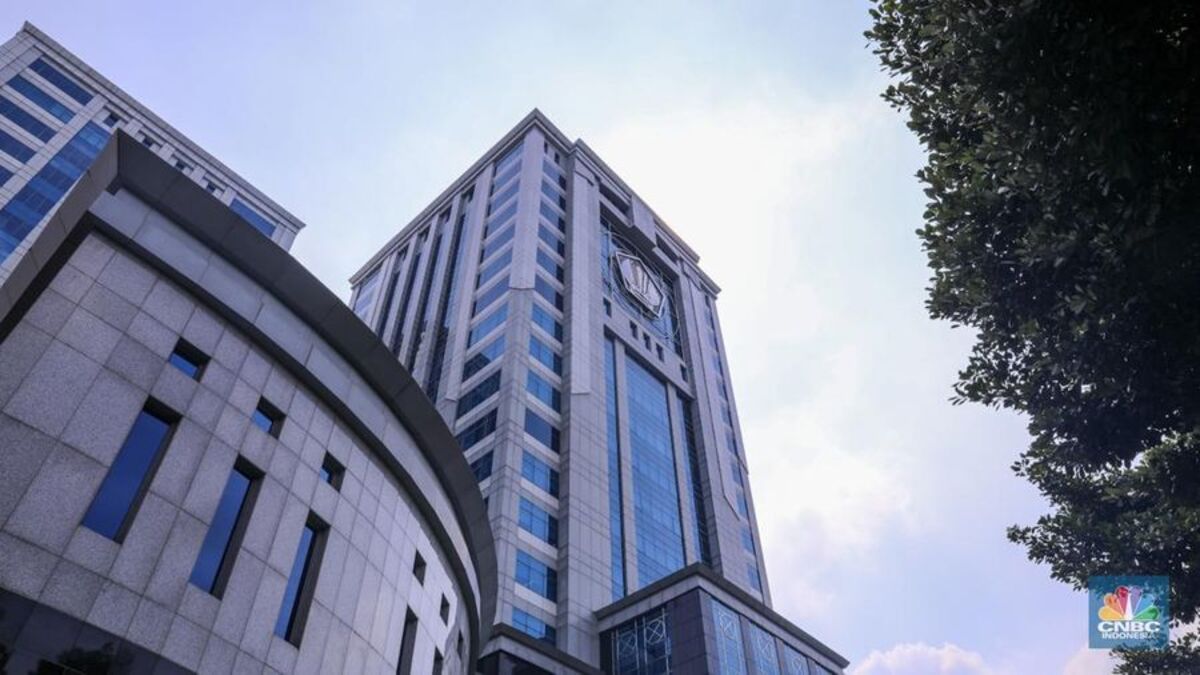
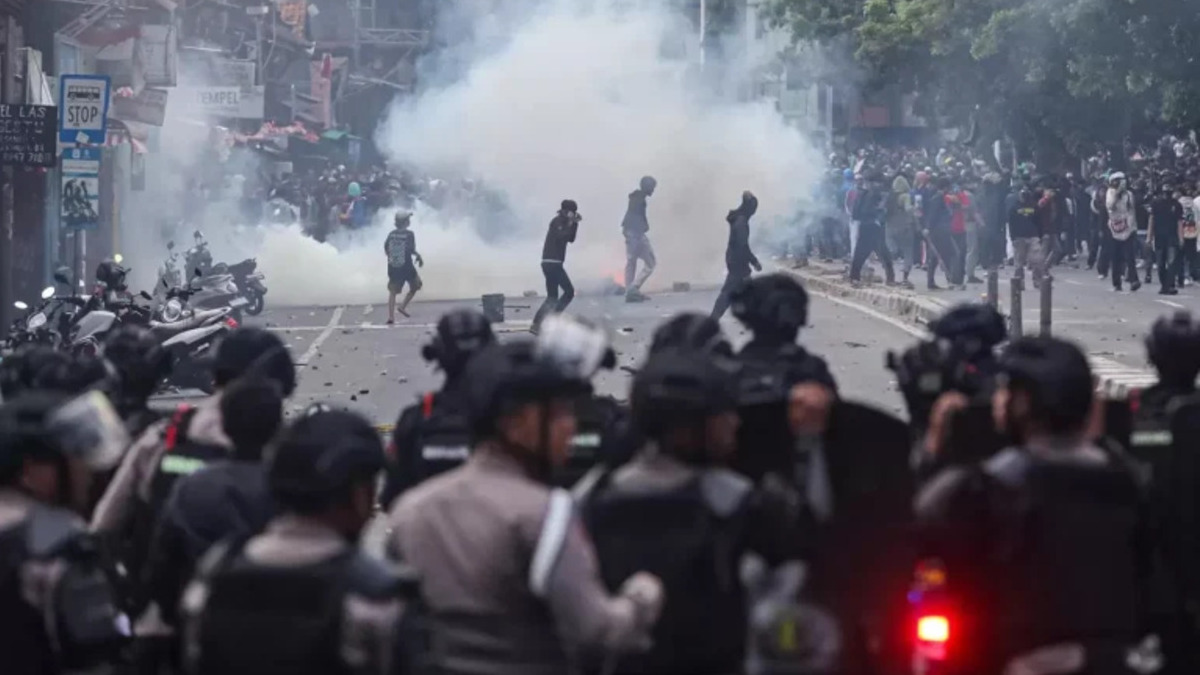
Public frustration has increasingly spilled into open protest. Demonstrations planned outside the National Nutrition Agency’s office earlier this month prompted a heavy police presence, reflecting the sensitivity of the issue.
The backlash has also been fuelled by perceptions that MBG continued to absorb vast resources even while schools were closed for year-end holidays, and while flood recovery in parts of Sumatra was widely seen as slow.
Government defiance amid debate
Despite the intensifying scrutiny, Prabowo has remained defiant.
He has previously described food poisoning incidents as statistically negligible when set against what he claims are more than a billion meal portions distributed.
“There is no human endeavour of this scale without error,” he said last year, calling the failure rate “humanly acceptable”.