Sumatra floods and landslides kill 1,200, displace 113,900 as Indonesia faces long recovery challenge ahead
At least 1,200 people have died following devastating floods and landslides across Sumatra, with more than 113,900 residents displaced and recovery expected to take months.
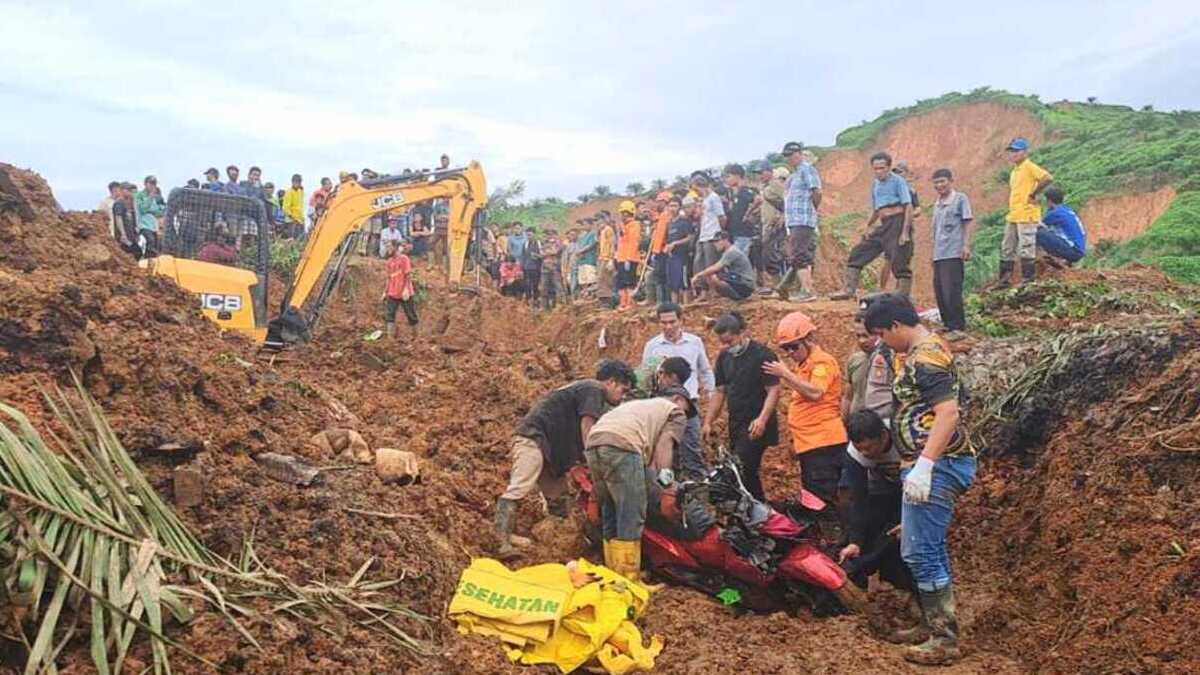
- At least 1,200 people have died following floods and landslides across Sumatra, with more than 140 still missing.
- Over 113,900 residents remain displaced as rescue, relief, and recovery operations continue across three provinces.
- The disaster has intensified scrutiny of environmental management, alongside the revocation of dozens of business permits.
A series of devastating floods and landslides across the Indonesian island of Sumatra has claimed at least 1,200 lives, making it one of the deadliest natural disaster episodes in the country in recent years.
Thousands of families have been displaced as rescue operations, aid distribution, and recovery efforts continue in multiple provinces.
According to Indonesia’s National Disaster Management Agency (BNPB), the latest fatality was recorded in Central Aceh Regency, pushing the cumulative death toll to 1,200.
A further 143 people remain missing, while more than 113,900 residents are still living in evacuation shelters.
“These figures reflect the dynamic conditions on the ground, as evacuations, access clearing, and temporary housing construction continue,” said Abdul Muhari, Head of BNPB’s Centre for Disaster Data, Information and Communication, in a statement issued on Wednesday.
Widespread impact across three provinces
The disasters have affected large parts of Aceh, North Sumatra, and West Sumatra, regions characterised by mountainous terrain and extensive river systems that are highly vulnerable to extreme rainfall.
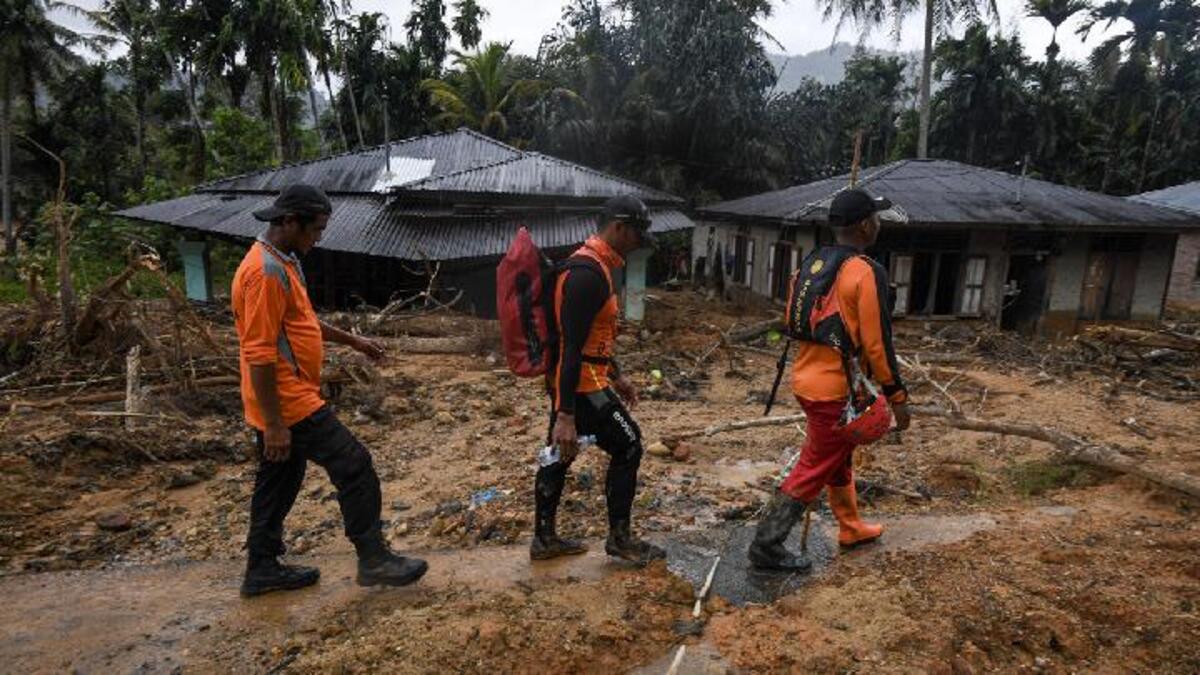
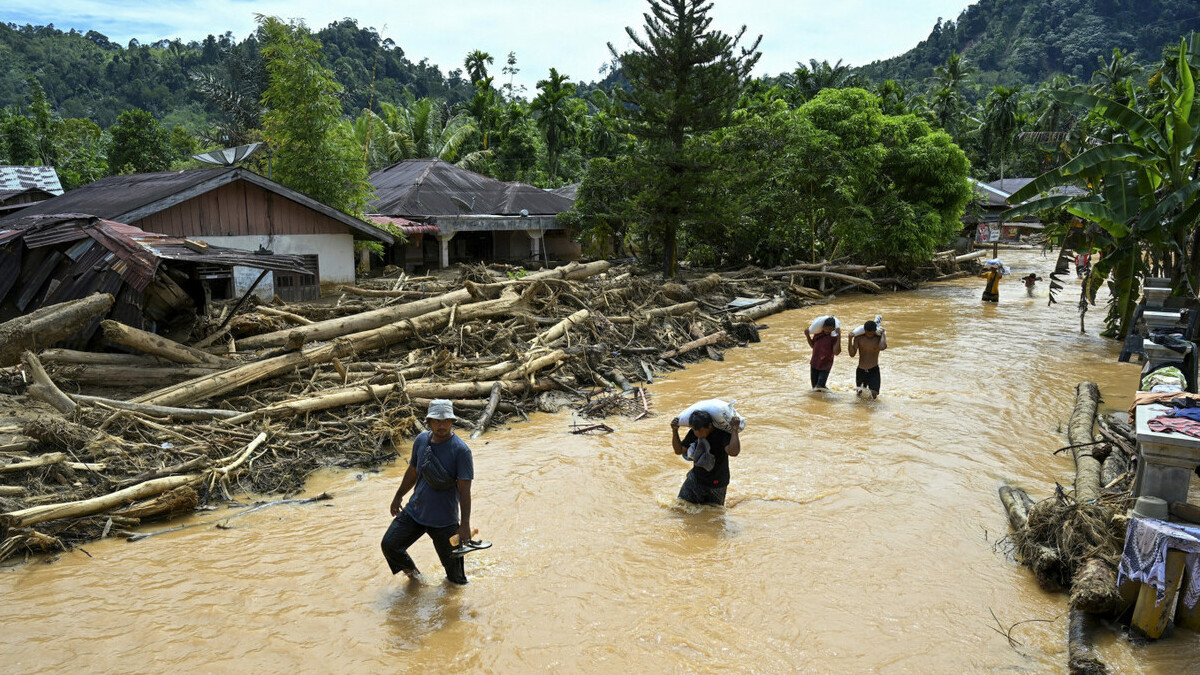
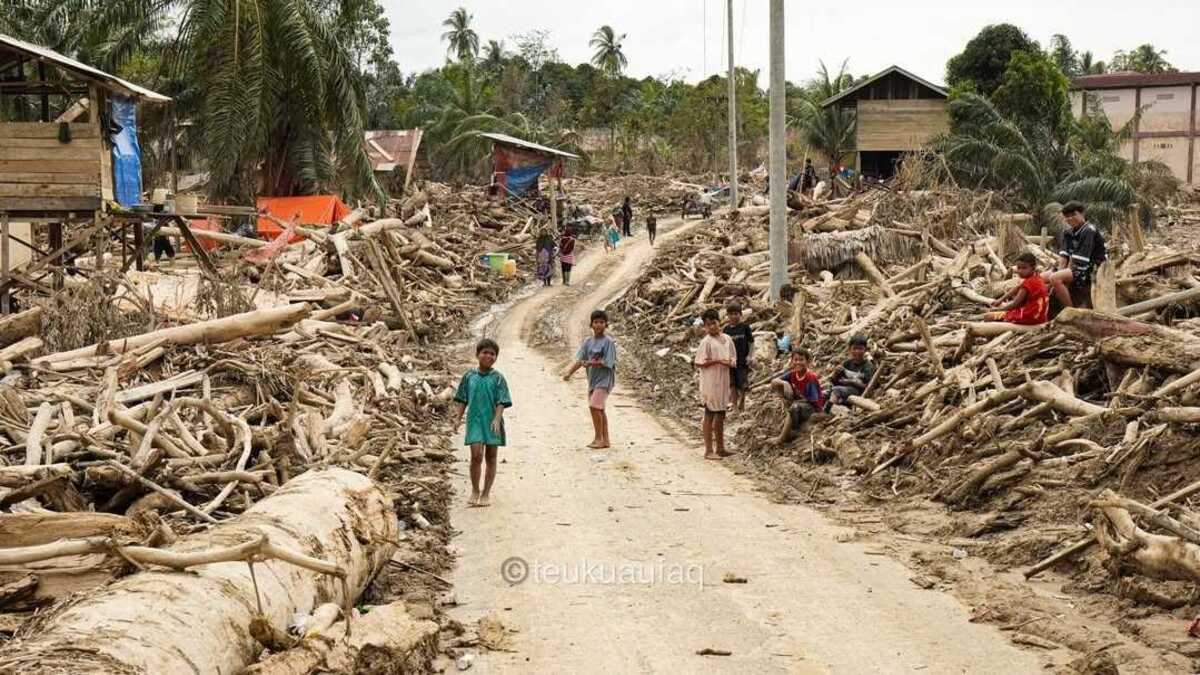
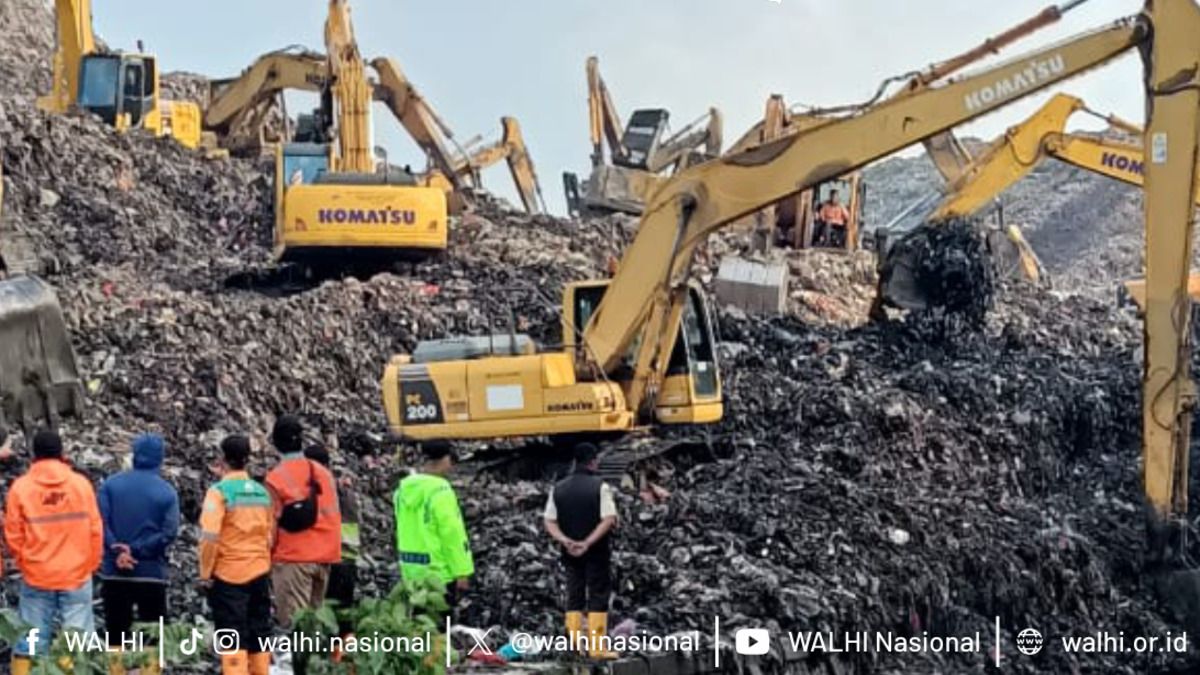
Aceh has recorded the highest number of fatalities, followed by North Sumatra and West Sumatra. Entire villages have been inundated or buried by landslides, with homes, schools, roads, and bridges either destroyed or rendered unusable. In several districts, access to affected areas was cut off for days, hampering early rescue efforts.
Emergency responders continue to face difficult conditions, including unstable slopes, damaged infrastructure, and ongoing heavy rainfall. The government has prioritised search-and-rescue operations while simultaneously working to restore basic services in the hardest-hit areas.
Massive displacement and aid operations
BNPB reported that nearly all available emergency supplies have now been distributed.
As of 19 January, a total of 1,757 tonnes of logistical assistance—around 99.8 per cent of available stock—had reached affected communities.
Aid delivery has relied on a combination of air, land, and sea transport, including dozens of sorties by chartered aircraft and military Hercules planes, as well as truck convoys and sea vessels. In Aceh alone, more than 17 tonnes of aid were delivered in a single day through coordinated air and land operations.
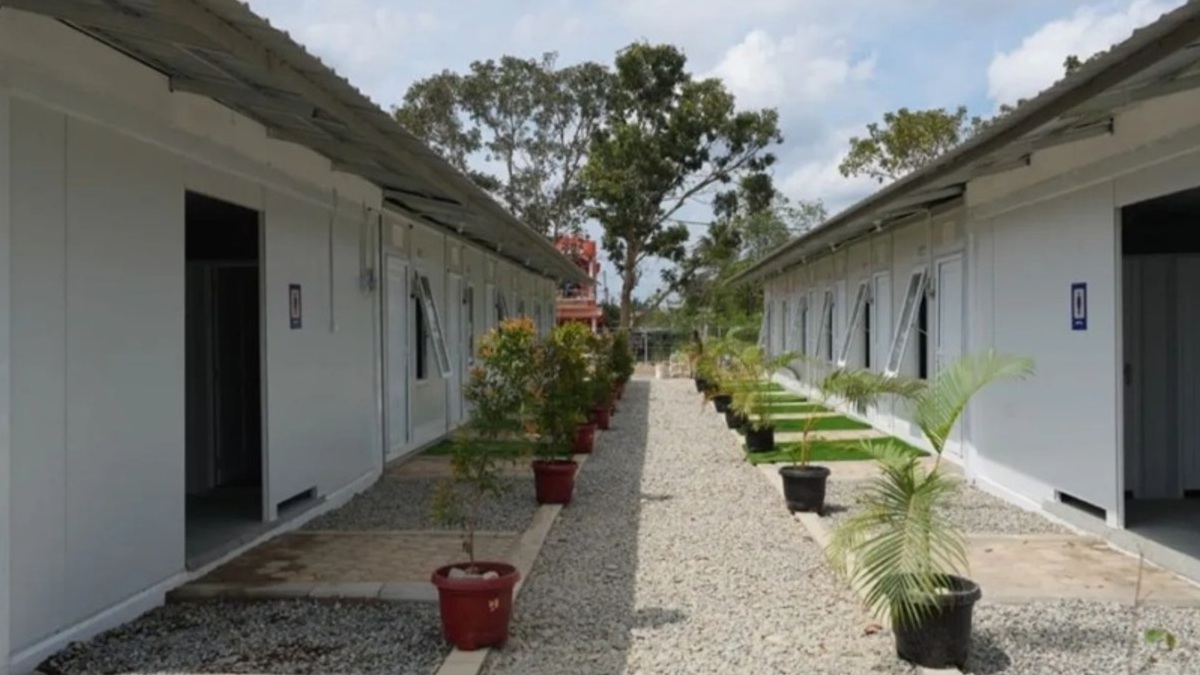
Temporary shelters are being constructed to accommodate displaced residents as longer-term housing solutions are prepared. Authorities have also accelerated the clearing and reopening of damaged roads and bridges to ensure continued access for relief operations.
Environmental pressure under scrutiny
While the immediate focus remains on humanitarian response, the scale of the disaster has intensified scrutiny of environmental management on the island.
Sumatra has experienced repeated floods and landslides in recent years, often linked by experts and civil society groups to deforestation, land conversion, and extractive industries operating in sensitive upstream areas.
These concerns have gained renewed attention as rainfall patterns become more extreme, increasing the risk of hydrometeorological disasters in forested and river-basin regions.
Permit revocations add political dimension
In a related development, President Prabowo Subianto has revoked the business permits of 28 companies operating in the forestry, mining, and plantation sectors across Aceh, North Sumatra, and West Sumatra.
The decision followed findings that the companies had committed serious violations, including operating outside permitted areas, encroaching on protected forests, and failing to meet financial obligations to the state.
Government officials said the revocations were partly motivated by the recent disasters, which prompted accelerated audits of forest-area permits in the affected provinces. The revoked licences cover more than one million hectares of forest land.
Although the permit cancellations do not directly address the immediate humanitarian crisis, they signal a tougher stance by the central government on environmental governance in disaster-prone regions.