Indonesia takes UN Human Rights Council presidency amid scrutiny of domestic and foreign record
Indonesia’s 2026 UN Human Rights Council presidency has drawn criticism from rights groups, who say it highlights a widening gap between Jakarta’s international standing and its domestic and foreign human rights record.
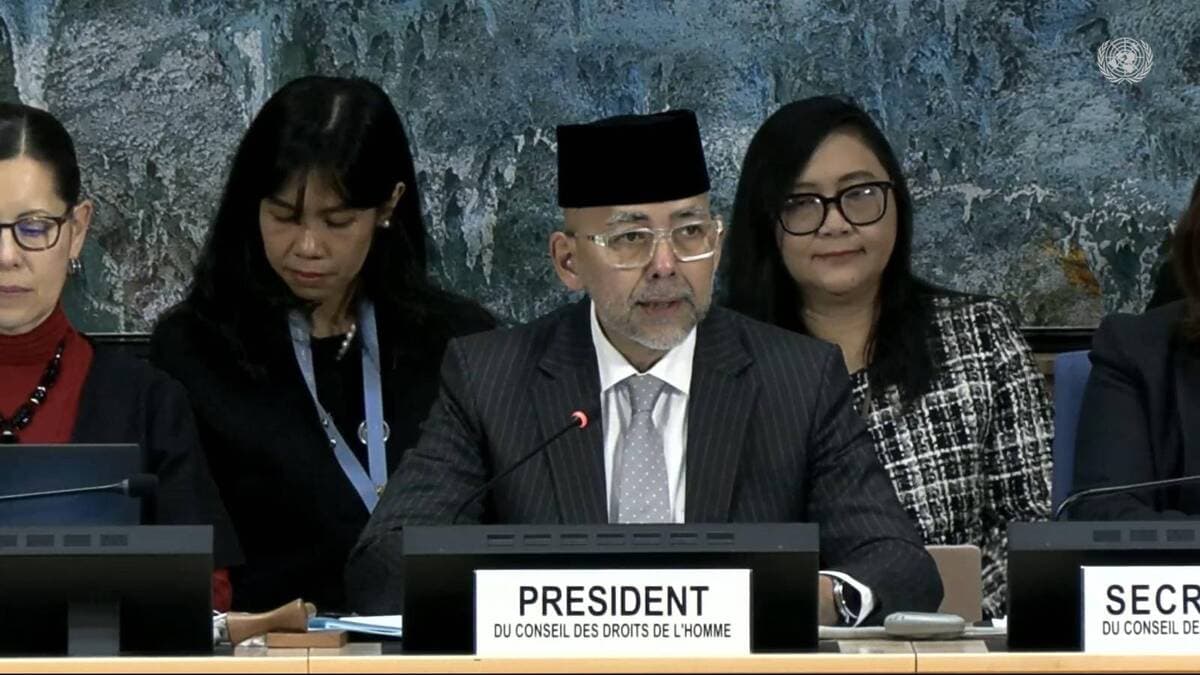
- Indonesia has assumed the presidency of the UN Human Rights Council for 2026, a first since the body’s creation.
- Domestic groups warn the role contrasts sharply with Indonesia’s recent human rights record and limited cooperation with UN mechanisms.
- Civil society argues the presidency will test whether Jakarta aligns diplomacy with reforms at home and principled foreign policy.
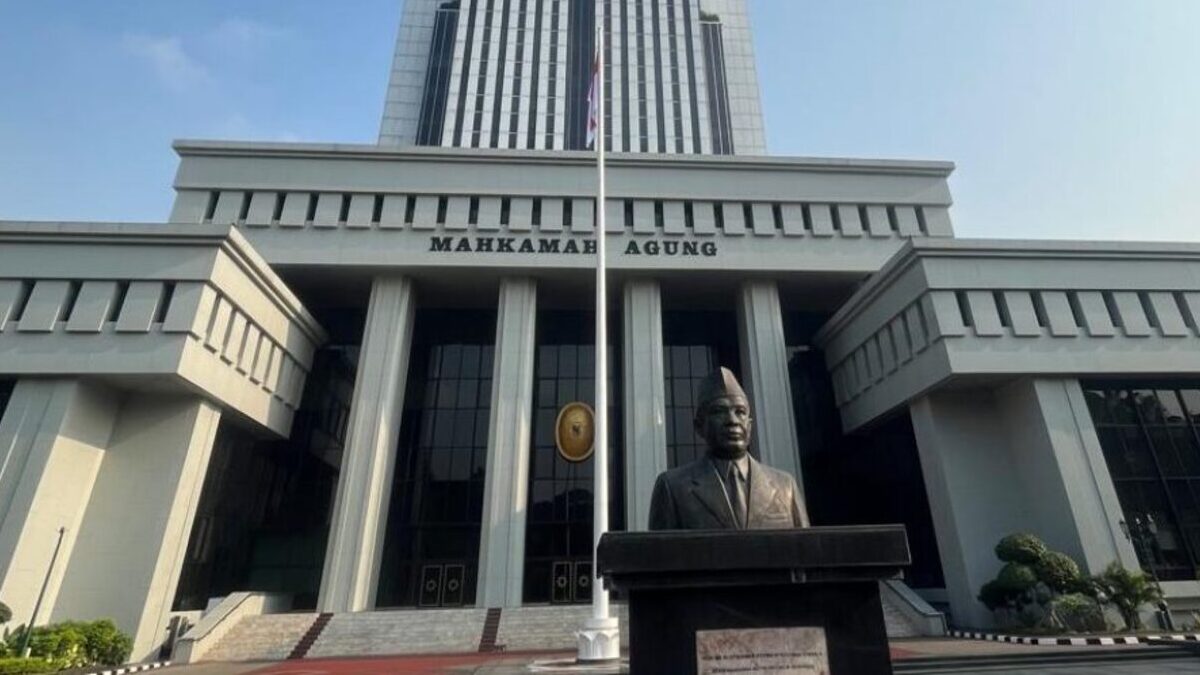
Indonesia has assumed the presidency of the United Nations Human Rights Council (UNHRC) for 2026, a position that on paper signals diplomatic prestige and regional confidence.
Yet human rights groups warn that the appointment exposes a widening gap between Jakarta’s international posture and its domestic and foreign policy record.
In a joint statement, the Indonesian Legal Aid Foundation (YLBHI) and Commission for the Disappeared and Victims of Violence (KontraS) said Indonesia’s elevation to the council’s presidency comes at a time when human rights protections at home are under strain and the government has shown selective engagement with international oversight.
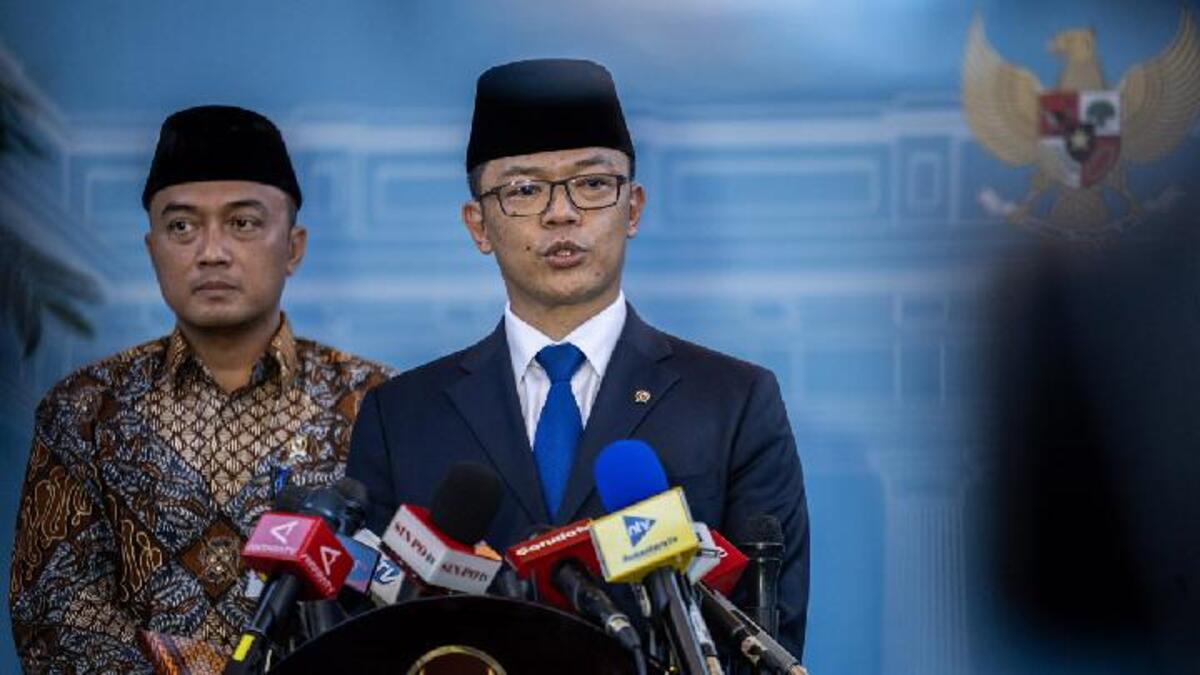
Indonesia was elected by the Asia–Pacific Group, receiving 34 out of 47 votes, and on 8 January its permanent representative in Geneva, Sidharto Reza Suryodipuro, formally took office, replacing Switzerland’s Jürg Lauber. It is the first time Indonesia has chaired the UNHRC since the body was established two decades ago.
As president, Sidharto will oversee three council sessions in 2026 and play a central role in guiding the Universal Periodic Review (UPR), the mechanism through which the human rights records of all UN member states are examined.
Domestic record under question
For YLBHI and KontraS, the timing could not be more sensitive. Indonesia remains bound by commitments it accepted during its 2022 UPR, when it agreed to more than 200 of 269 recommendations, including pledges to strengthen protection for human rights defenders, journalists and civil society, and to reform laws that restrict fundamental freedoms.
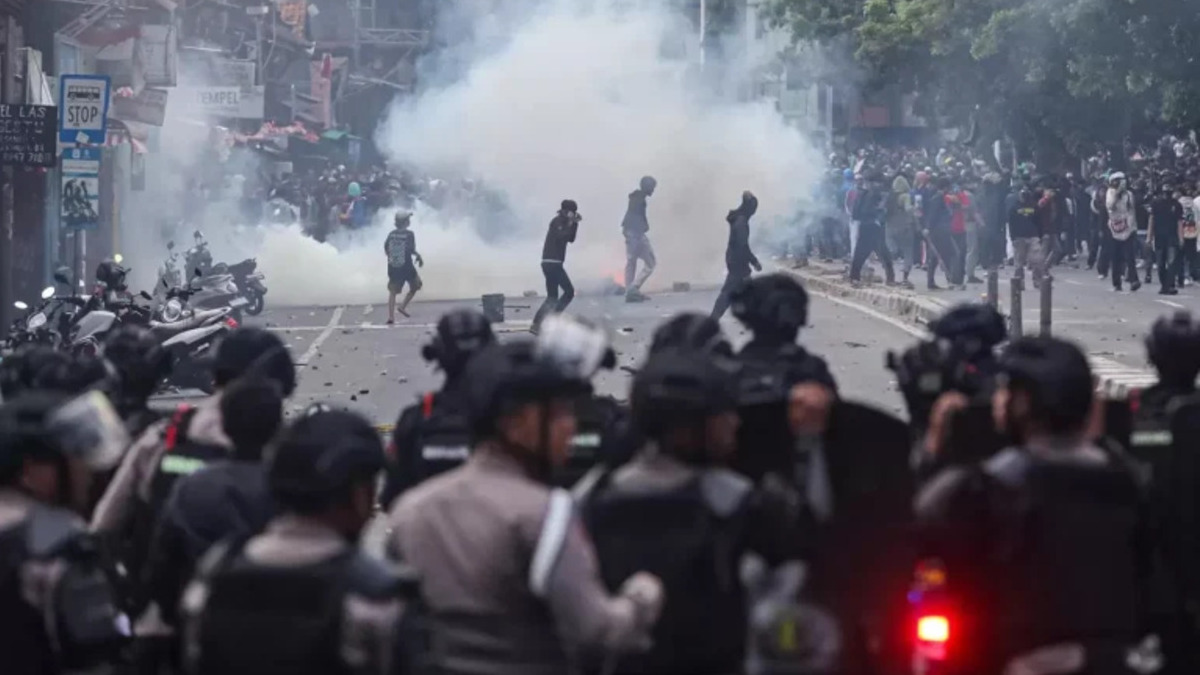
Yet the groups argue that 2025 saw a sharp deterioration. Mass protests from February through to late August were met with arrests and criminal charges, and more than 5,000 people were reportedly detained. At least 283 attacks against human rights defenders were recorded.
Journalists and online commentators who criticised the government’s response to deadly floods and landslides in Sumatra reported intimidation ranging from hacking attempts to Molotov cocktail attacks and the delivery of animal carcasses to their homes.
Two major laws passed last year — a revised TNI Law expanding the military’s domestic role and a new Criminal Procedure Code (KUHAP) widening police powers — have further alarmed civil society. Despite international concern, Jakarta has pressed ahead, even as UN experts warned the reforms could weaken safeguards against arbitrary arrest and detention.
Limited engagement with the UN
The credibility gap is also evident in Indonesia’s engagement with UN human rights mechanisms. In 2025, Indonesia received 11 communications from UN Special Procedures — independent experts mandated by the council — but responded to only five.
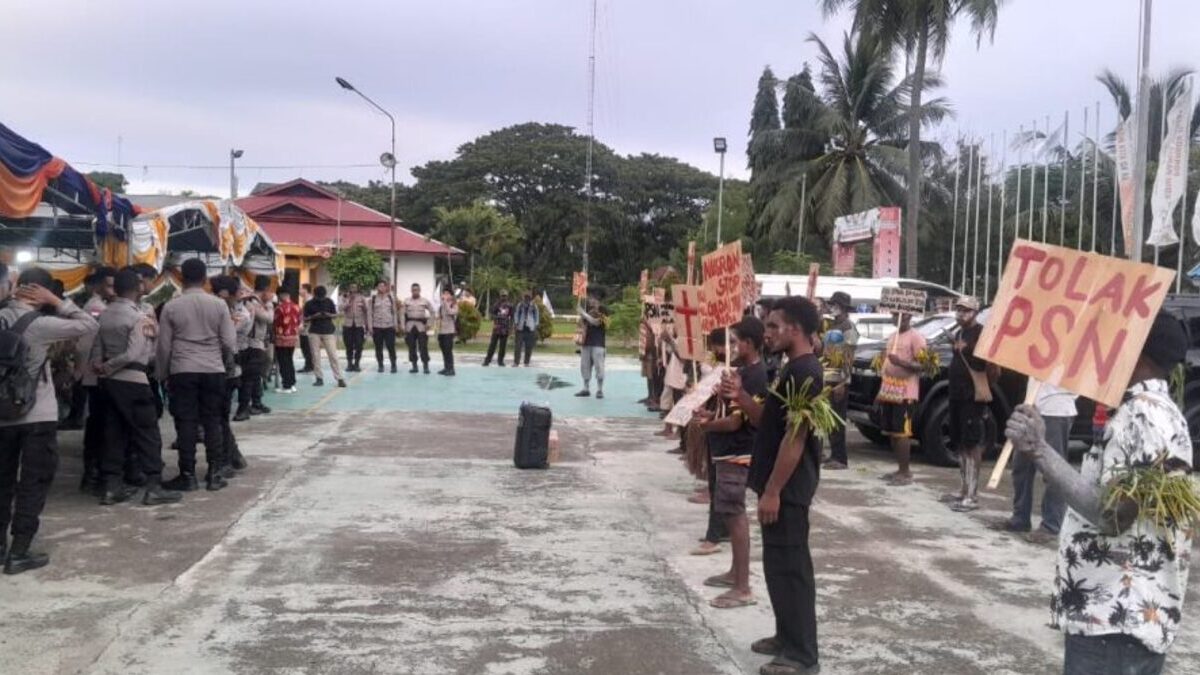
Among those left unanswered was a letter sent on 18 November 2025 raising concerns about the KUHAP revisions on the very day the bill was passed. UN experts also wrote on 4 November 2025 about the lack of recognition and systemic abuses faced by Indigenous Peoples, including in West Papua and in areas affected by National Strategic Projects. That communication, too, remains unanswered.
When UN experts raised allegations of police violence during protests against the revised TNI Law in April 2025, the government eventually replied, but rejected the claims and denied any repression of protesters, journalists or activists.
“This pattern of denial and non-cooperation undermines the very mechanisms Indonesia is now expected to lead,” YLBHI and KontraS said.
Civic space and Papua
The organisations also pointed to the government’s approach to dissent. Protests under banners such as “Indonesia Gelap” were met with force rather than dialogue, and critical voices were stigmatised through “red-tagging”. Attacks on media outlets, including Tempo and the Papuan outlet Jubi, have gone largely unpunished, fostering what activists describe as a climate of impunity.
In Papua, they said, the state continues to rely on military deployments rather than civil governance, leading to land dispossession, the occupation of schools and clinics by security forces, and repeated violence against Indigenous communities.
Palestine and foreign policy contradictions
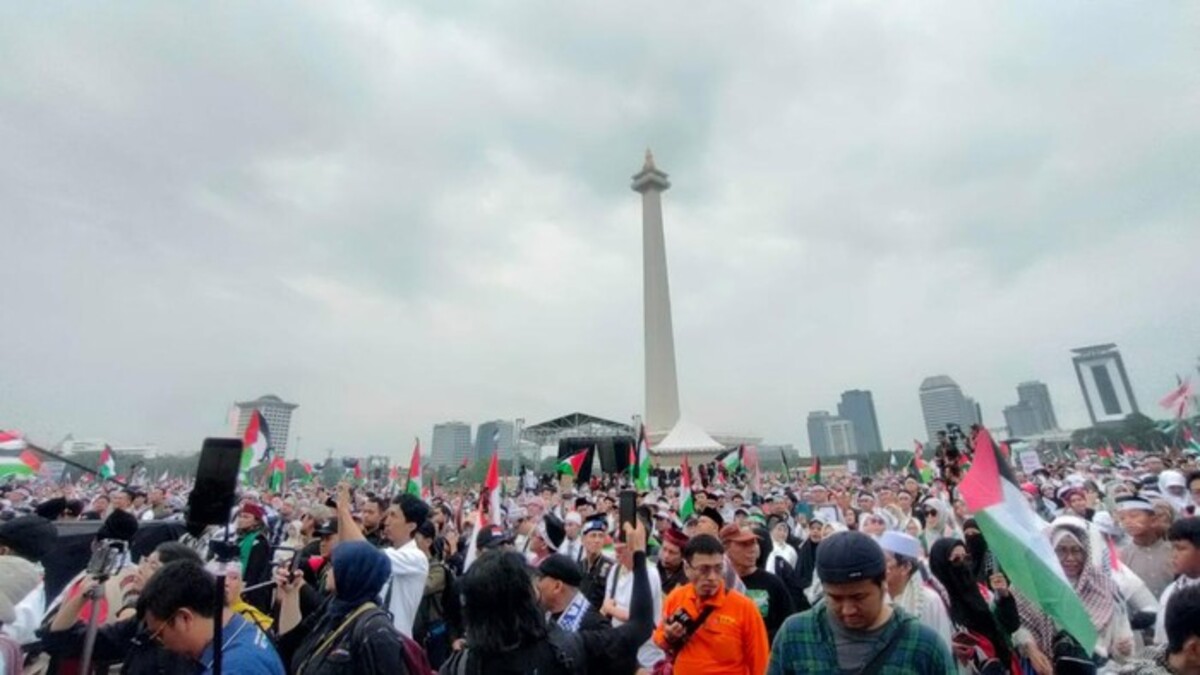
Indonesia’s international credibility has also been tested by its stance on Palestine. While Jakarta presents itself as a staunch supporter of Palestinian rights, YLBHI and KontraS highlighted trade data showing that from January to May 2025 Indonesia imported more than USD 13 million in goods from Israel and exported over USD 83 million, generating a large trade surplus.
This, they argue, contradicts Indonesia’s call at the Organisation of Islamic Cooperation in November 2024 for member states to cut economic ties with Israel. It also sits uneasily with the International Court of Justice advisory opinion of July 2024, which declared Israel’s occupation of Palestinian territory illegal and affirmed that third states must not recognise or assist in maintaining such a situation.
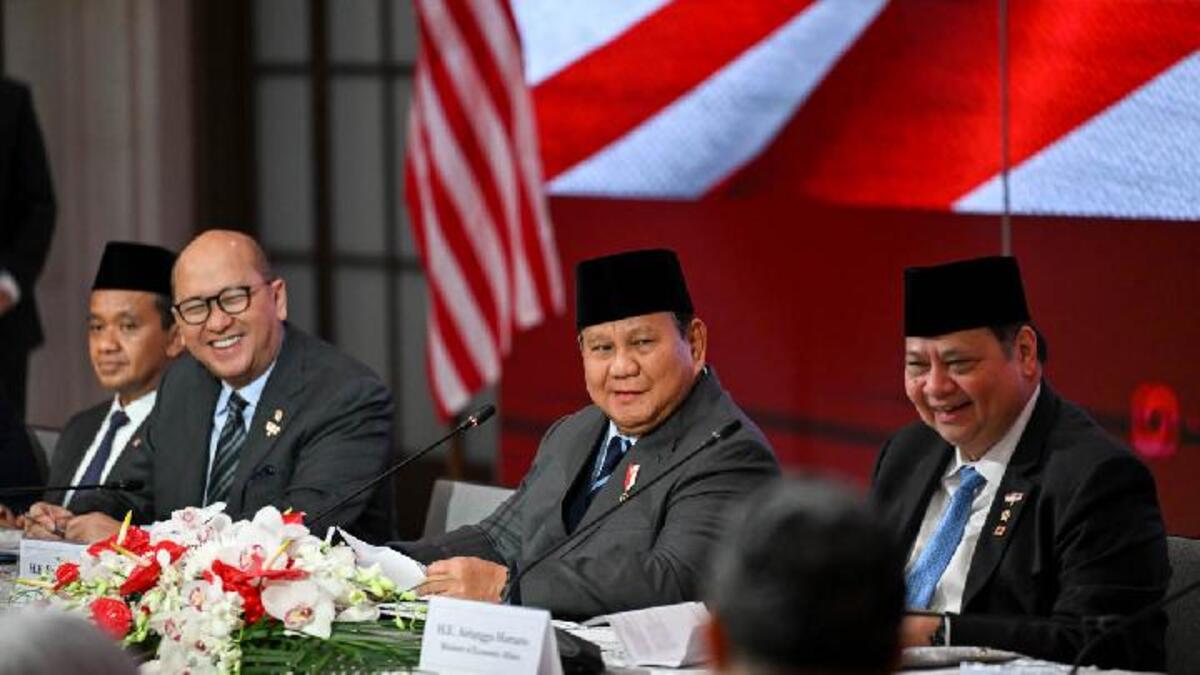
President Prabowo Subianto further stirred controversy in May 2025 by suggesting Indonesia might recognise Israel if it first recognised Palestine, a position critics say undermines the principle of non-recognition of unlawful situations under international law.
Amnesty: ‘Illusory pride’
Amnesty International Indonesia has also questioned the government’s narrative. Its executive director, Usman Hamid, said claims that Indonesia had “seized” the UNHRC presidency through merit were misleading, as the post rotates by region and Indonesia was the sole Asia–Pacific candidate this year.
Amnesty noted that Indonesia rejected 59 UPR recommendations in 2022, has blocked visits by UN special rapporteurs on judges, slavery, and truth and reparations, and has often favoured “dialogue” over accountability in cases of alleged atrocities, including in Xinjiang.
“The presidency will mean nothing unless Indonesia aligns its foreign and domestic policies with genuine human rights commitments,” Usman said, urging Jakarta to open the country to UN special rapporteurs on human rights defenders, freedom of expression, business and human rights, and enforced disappearances.