Indonesian authorities dismantle AI-driven love scam syndicate involving Chinese nationals
Indonesian authorities have dismantled an international cybercrime syndicate using AI-assisted romance scams and online extortion, arresting 27 foreign nationals in coordinated raids around Jakarta.
- Indonesian immigration authorities have arrested 27 foreign nationals linked to an AI-assisted romance scam and online extortion network.
- The syndicate targeted mainly South Korean victims overseas, using chatbots and recorded video calls for blackmail.
- Officials say the case highlights Indonesia’s growing exposure to transnational cybercrime networks
Indonesian authorities have uncovered and dismantled an international cybercrime syndicate operating a sophisticated “love scam” and online extortion operation from the outskirts of Jakarta, arresting 27 foreign nationals in a series of coordinated raids earlier this month.
The operation was led by the Directorate of Immigration Supervision and Enforcement under the Directorate General of Immigration, following intelligence reports of suspicious activity in the Gading Serpong area of Tangerang, Banten.
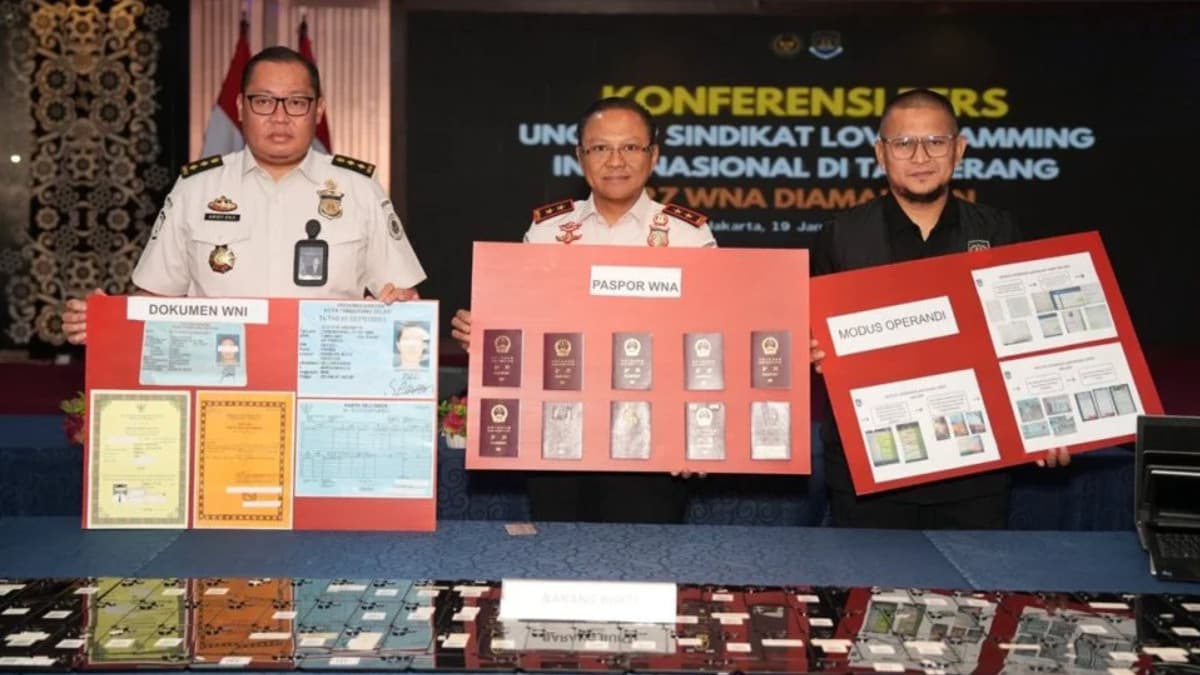
“This network operates in a highly organised manner using artificial intelligence,” said Yuldi Yusman, Acting Director General of Immigration, in a press release on Monday, 19 January 2026.
AI-Assisted Romance and Blackmail
According to investigators, the syndicate targeted victims through social media platforms, particularly Telegram.
Initial contact was designed to build trust and emotional engagement, with conversations assisted by an AI-based chatbot referred to by officials as “Hello GPT”, which enabled perpetrators to maintain convincing and responsive communication at scale.
Once rapport had been established, victims were encouraged to participate in video calls.
The suspects allegedly sent indecent images to prompt victims to reciprocate or engage in explicit video interactions. These sessions were secretly recorded and later used as leverage.
“The perpetrators would threaten to distribute the recordings unless the victims transferred money,” Yuldi said.
Authorities confirmed that the majority of victims were South Korean nationals residing outside Indonesia.
At this stage, investigators say there is no evidence that Indonesian citizens were among those targeted.
Raids Across Greater Jakarta
The investigation began with surveillance of several locations suspected of being used as operational hubs.
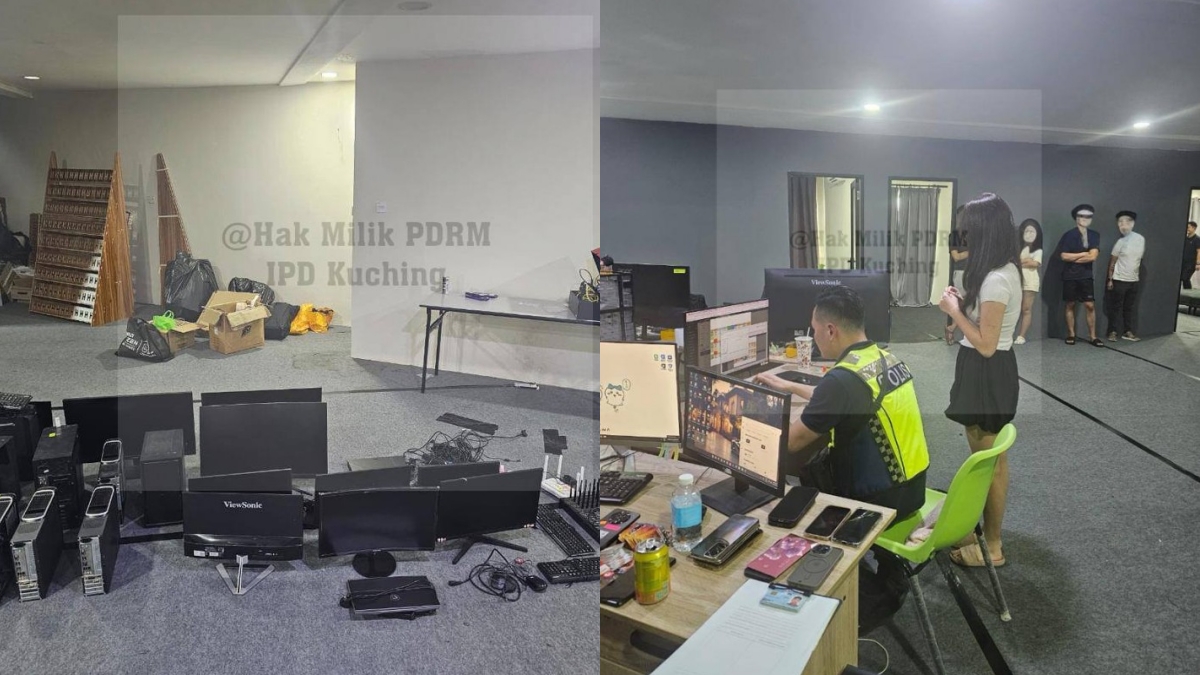
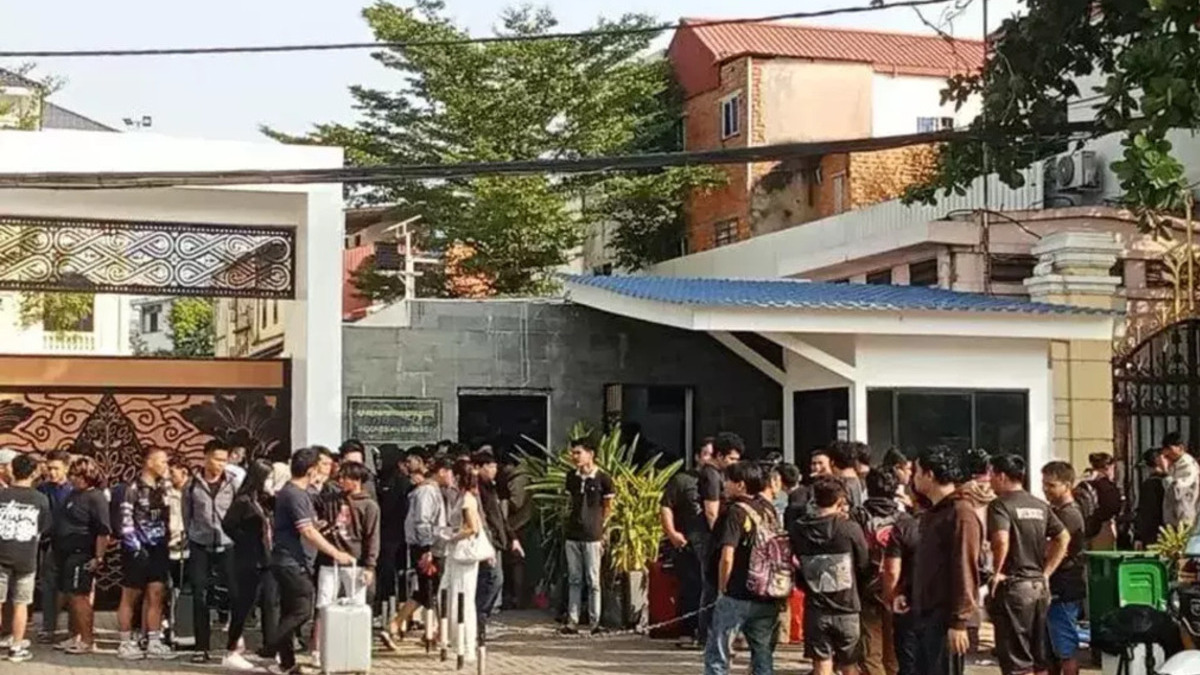
On 8 January, immigration officers raided a residence in Gading Serpong, where they detained 14 foreign nationals—13 Chinese citizens and one Vietnamese national—caught in the midst of suspicious online activities.
Officers seized computers, mobile phones, networking equipment, and two Chinese passports issued under the names HJ and ZR.
Follow-up operations were carried out at additional sites.
On 10 January, officers detained a Chinese national identified as MX at an apartment complex in the BSD area of South Tangerang, after discovering he had overstayed his visa by 137 days.
On the same day, six more Chinese nationals were arrested in Curug Sangereng, Gading Serpong, after attempting to resist arrest.
“Two of them had overstayed and tried to mislead officers using forged documents,” Yuldi said.
Further intelligence led officers to another property in Gading Serpong on 16 January, where four additional Chinese nationals were detained.
Transnational Network and Key Figures
Investigators say the Indonesian operation was part of a wider transnational cybercrime network. Funding was allegedly provided by an individual identified by the initials ZH, believed to be residing in China.
Day-to-day operations in Indonesia were overseen by a ringleader known as ZK, with field activities managed by ZJ—also known by the alias “Titi”—and a married couple identified as CZ and BZ. All five are Chinese nationals and are described by authorities as the core leadership of the syndicate.
The group reportedly operated from high-end residential areas and apartments, deliberately choosing gated communities and upscale neighbourhoods to avoid public attention and law enforcement scrutiny.
Wider Investigation Under Way
Beyond the 27 detainees, immigration officials have identified at least 105 additional Chinese nationals suspected of links to the network. These individuals have been placed on a Subject of Interest list. Two have already been detained while transiting through an airport and are currently undergoing questioning.
To date, all 27 foreign nationals have been transferred to immigration detention facilities for intensive examination. They face severe administrative sanctions for violating residence permit conditions, alongside potential criminal charges linked to cybercrime and online extortion.
“At present, we are still pursuing other members of the network who are believed to be hiding in Indonesia,” Yuldi said, adding that authorities are coordinating with other law-enforcement agencies to trace financial flows and international connections.
Growing Regional Concern
The case highlights Indonesia’s increasing exposure to transnational cybercrime, as criminal networks exploit relatively affordable living costs, strong internet infrastructure, and visa loopholes to run operations targeting victims overseas.
Indonesian authorities say the arrests underscore a broader effort to tighten immigration controls and strengthen cooperation with foreign governments in combating cross-border online fraud.
“We will continue to take firm action against any foreign nationals who abuse their stay permits and use Indonesia as a base for international crime,” Yuldi said.