Petition urges Indonesia to declare floods and landslides in Sumatra a national disaster
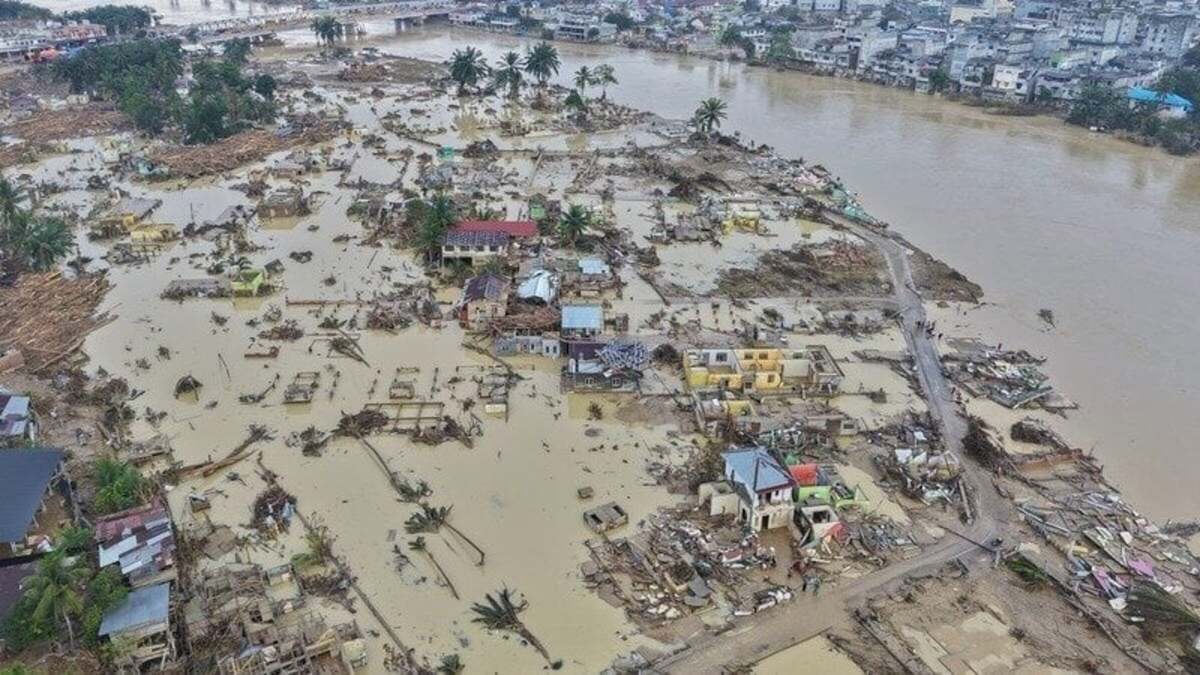
A growing public petition and civil society pressure are urging Indonesia’s government to declare recent deadly floods and landslides in parts of Sumatra a national disaster, amid rising casualties and mounting concerns over response capacity.
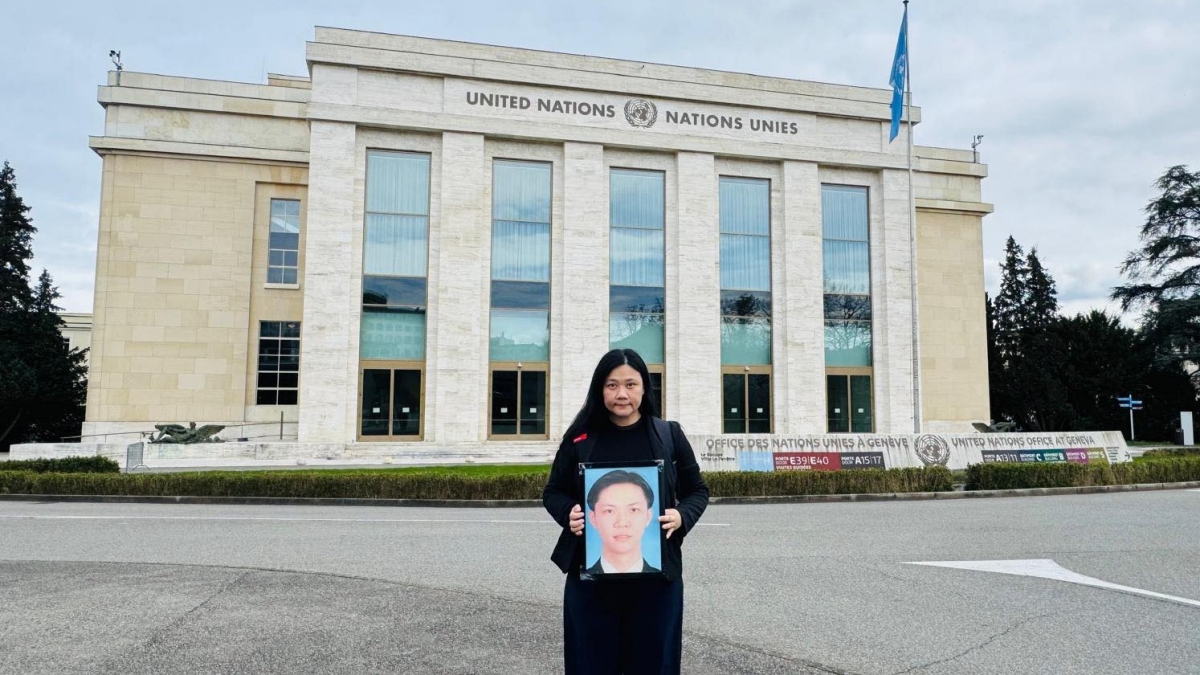
- A Change.org petition is pressing the Indonesian government to declare recent floods and landslides in Aceh, North Sumatra and West Sumatra a national disaster.
- Civil society groups cite rising casualties, displacement and environmental degradation as grounds for urgent central intervention.
- The government has so far rejected a national disaster declaration, citing administrative, geographic and economic considerations.
A petition launched on Change.org by disaster information platform Infomitigasi.id has intensified pressure on the Indonesian government to declare the devastating floods and landslides in Aceh, North Sumatra and West Sumatra a national disaster, as casualties continue to rise and local authorities admit they are struggling to cope.
The petition, created on 5 December 2025, describes the disaster as one of the worst ecological crises to strike the region in decades.
As of 19 December, it had garnered 3,405 signatures, reflecting growing public concern over the scale of human suffering and the perceived inadequacy of the current response.
According to the petition, the floods and landslides are not solely the result of extreme weather but stem from years of ecosystem degradation, weak land governance and unchecked exploitation of forests and watersheds.
Illegal logging and large-scale land clearing, it argues, have stripped the region of its natural defences, making it increasingly vulnerable as seasonal rainfall intensifies year after year.
“Heavy rains are now at their peak, and as the intensity increases, so does the risk of disaster,” the petition states, warning that thousands of residents have been displaced while lives, livelihoods and entire settlements have been destroyed.
Communities living in high-risk areas, it adds, face prolonged hardship as isolation, food shortages and limited access to clean water persist.
Central to the petition is a call for the immediate declaration of National Disaster Status, which would transfer emergency command from local governments to the central government via the National Disaster Management Agency (BNPB).
Such a move would accelerate the mobilisation of national resources, unlock state budget funding, strengthen coordination across ministries and enable faster evacuation, relocation and reconstruction efforts. It would also legally open pathways for international assistance should the government deem it necessary.
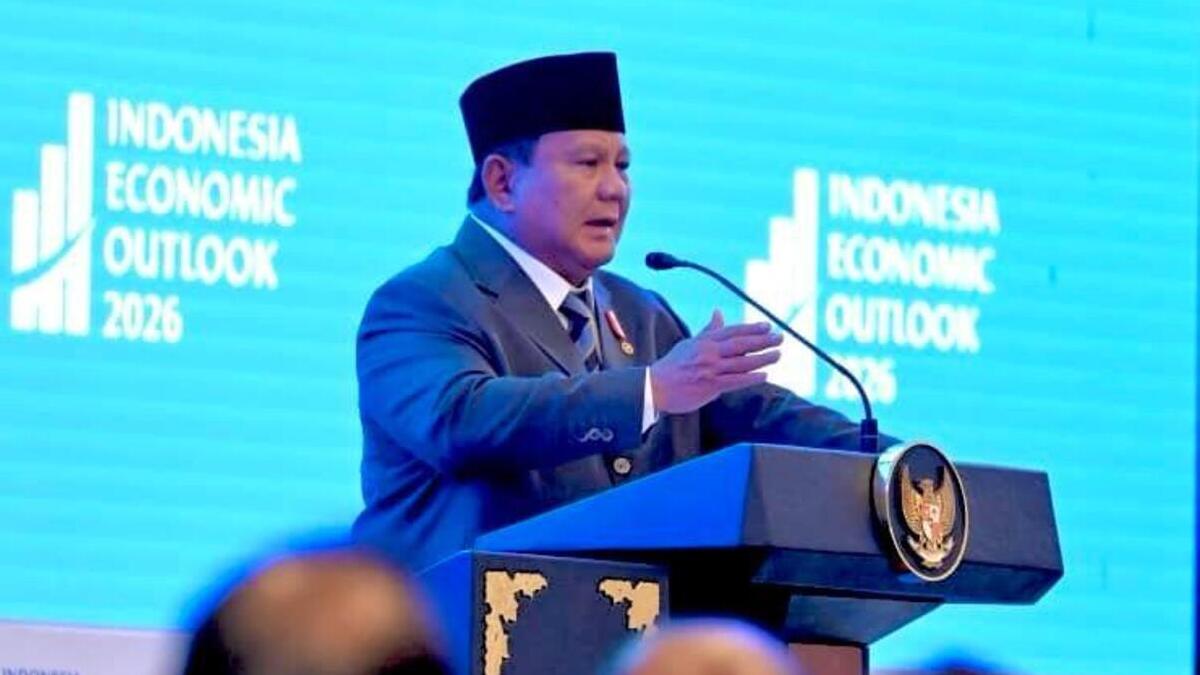
The online appeal aligns with demands from a coalition of 113 civil society organisations, which on 11 December issued a legal notice urging President Prabowo Subianto to recognise the crisis as a national disaster.
In a statement published by the Indonesian Legal Aid Foundation (YLBHI), the coalition cited the scale of fatalities, widespread infrastructure collapse and deepening socio-economic losses across the three provinces.
BNPB data recorded as of 18 December showed 1068 deaths and 190 missing persons, with Aceh accounting for the highest number of casualties. More than 537,185 residents remain displaced, while at least 186,488 homes have been damaged.
Search and rescue operations are ongoing in 52 districts, many of which remain partially isolated by destroyed roads, bridges and communications networks.
Despite mounting pressure, the government has repeatedly declined to declare a national disaster, outlining several reasons for its position.
First, officials argue that existing regional emergency status is sufficient and that national resources have already been fully mobilised. President Prabowo and senior ministers have said that the armed forces, police, BNPB and other agencies are operating at maximum capacity without the need for a formal national designation.
Second, the government maintains that the disaster, while severe, is geographically limited to three provinces out of Indonesia’s 38, and therefore does not meet its internal threshold for a national disaster declaration.
Third, there are concerns within government circles that declaring a national disaster could have negative economic implications, including damaging investor confidence, affecting financial markets and signalling a broader national crisis.
Fourth, officials have cited administrative and political considerations, warning that a national disaster declaration could introduce more complex bureaucratic, financial and governance consequences. By avoiding the designation, the government argues it can act swiftly without additional procedural burdens.
These justifications, however, have been challenged by civil society groups and disaster experts.
Muhammad Isnur, Chair of YLBHI, warned that conditions in evacuation centres remain highly vulnerable, particularly for women, children, older persons and people with disabilities.
He said shortages of clean water, sanitation, sanitary products and reproductive healthcare have widened inequalities among survivors, while slow aid mobilisation risks further casualties.
Environmental group WALHI said the situation clearly meets legal and humanitarian indicators for national disaster status.
Its executive director, Boy Jerry Even Sembiring, stressed that such a declaration is essential not only for life-saving operations but also for gender-sensitive emergency management and long-term accountability.
On the ground, signs of desperation have become increasingly visible. In Aceh Tamiang Regency, residents raised white flags along the Medan–Banda Aceh highway, symbolising surrender amid prolonged power outages, water shortages and delayed assistance.
Several regents in Aceh have formally declared that their administrations can no longer manage emergency response efforts on their own.
While the government continues to reject foreign aid offers and insists national capacity remains sufficient, analysts warn that recovery could take decades without broader support.
Provisional government assessments estimate that more than Rp 51.82 trillion (US$3.1 million) will be needed to restore housing, infrastructure and essential services, with Aceh alone requiring over Rp25 trillion (US$1.5 million)..
For petition organisers and affected communities, the debate is no longer about legal definitions but about urgency.
“Every hour counts,” the petition states. “Immediate action can save many lives.”