Rights groups say Sumatra deadly disasters expose state failures despite Indonesia revoking 28 licences
Indonesia’s decision to revoke 28 business licences in Sumatra has been criticised by rights and environmental groups, who argue the move recycles old revocations, avoids state accountability, and risks reshuffling control of land without addressing ecological damage or victims’ needs.
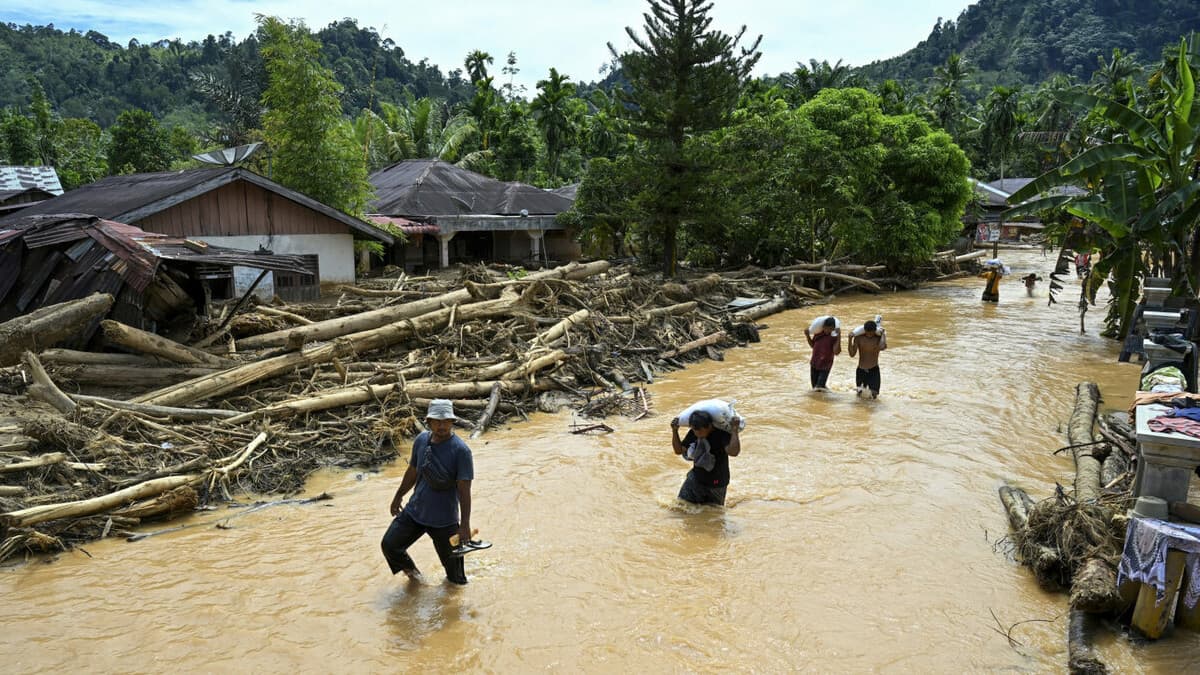
- Civil society groups say Indonesia’s revocation of 28 business licences in Sumatra recycles old decisions and masks deeper governance failures.
- Rights organisations argue victims of floods and landslides are sidelined, while accountability remains selective.
- Environmental groups warn revoked concessions could be reassigned without real reform or protection of Indigenous land.
The Indonesian government’s decision to revoke the licences of 28 companies operating across Sumatra has triggered sharp criticism from civil society organisations, who argue that the move exposes long-standing failures in environmental governance and neglect of victims of ecological disasters.
Rights groups point out that several of the licences cited by the government had, in fact, already been revoked years before the devastating floods and landslides struck the island.
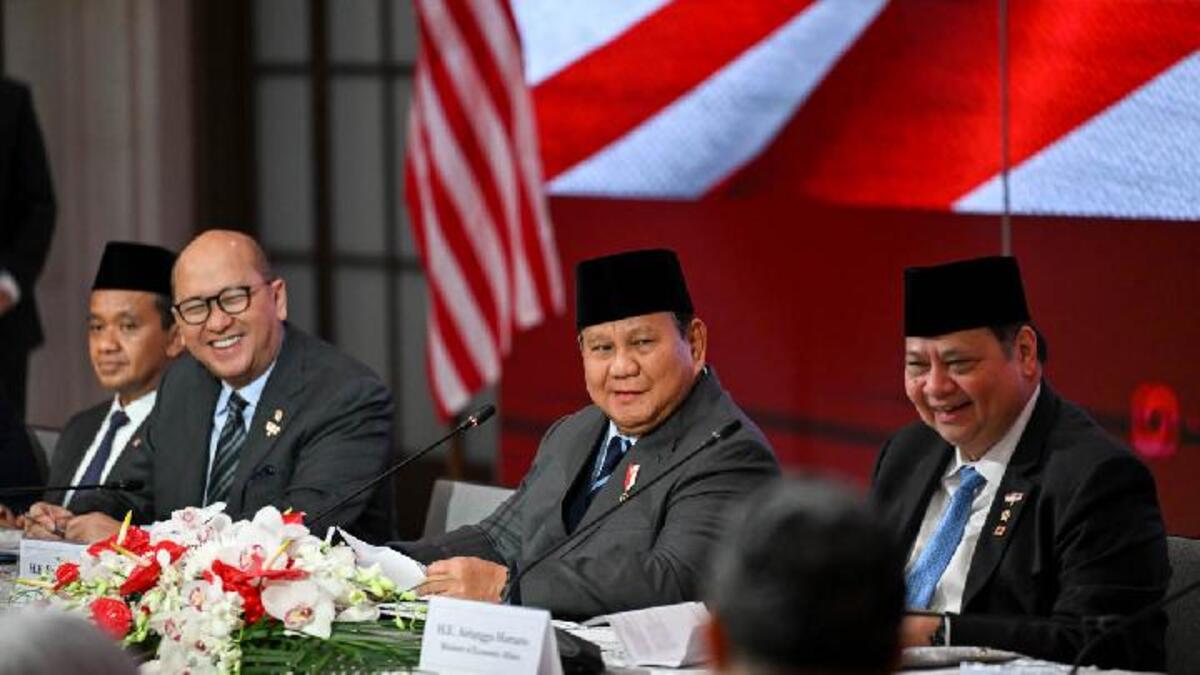
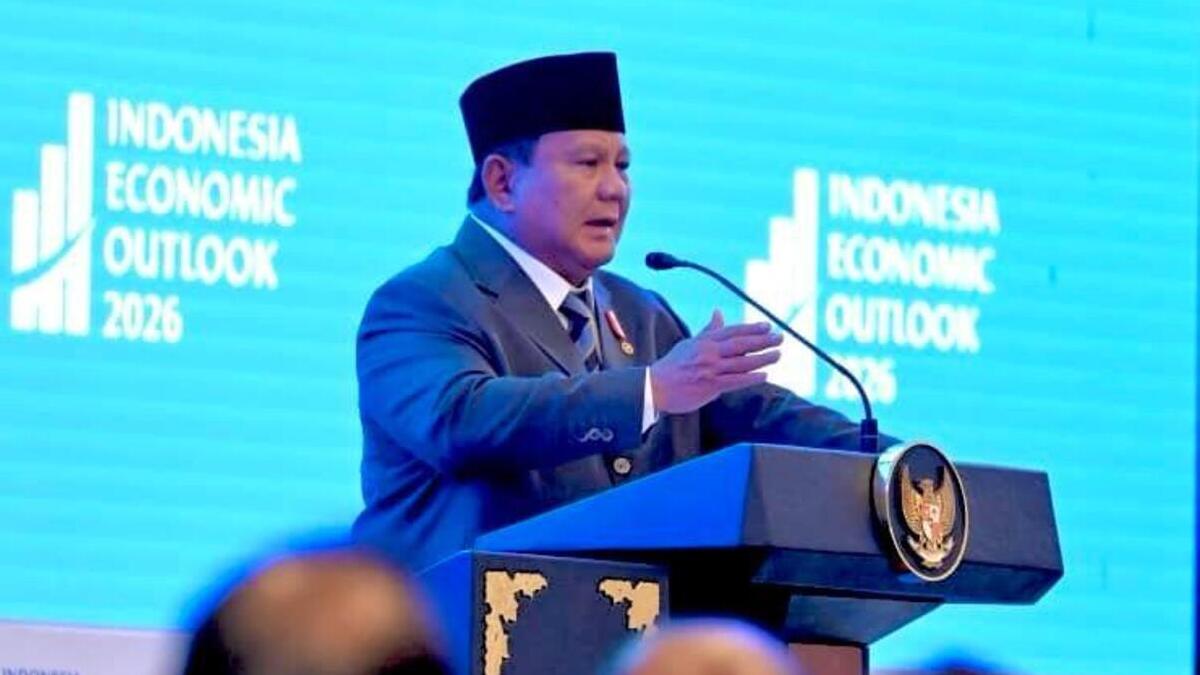
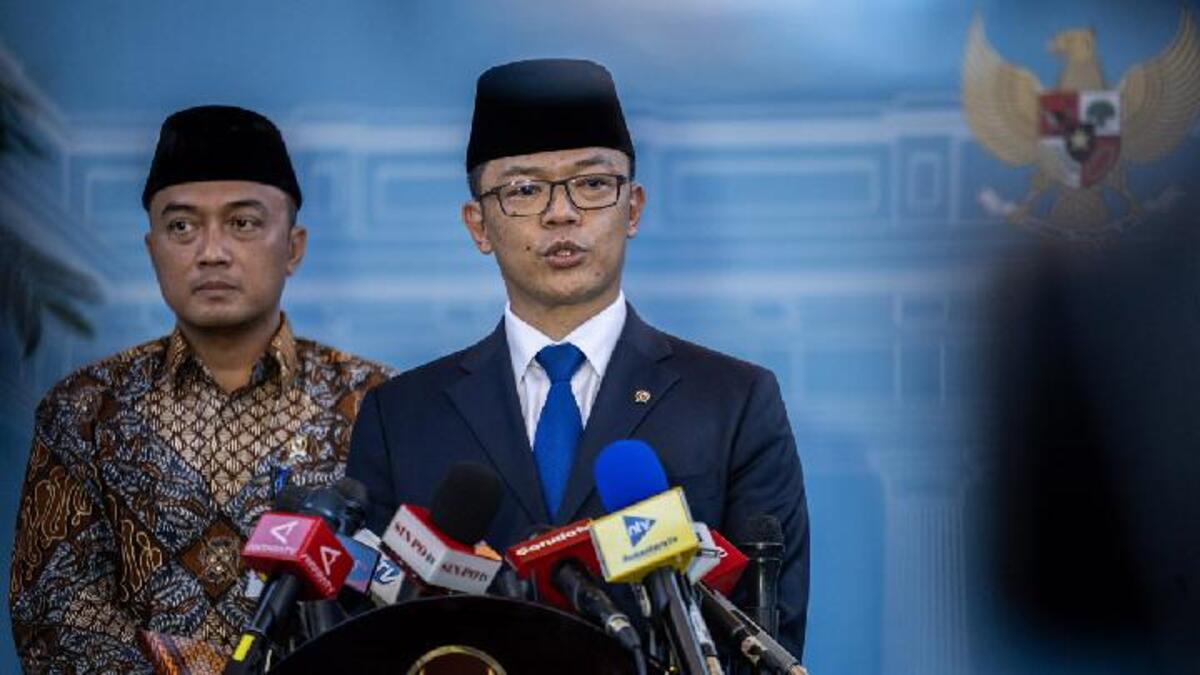
The criticism is laid out in a press release issued this week by LBH–YLBHI, Indonesia’s Legal Aid Foundation network, following President Prabowo Subianto’s announcement that 28 business permits would be withdrawn in Aceh, North Sumatra, and West Sumatra.
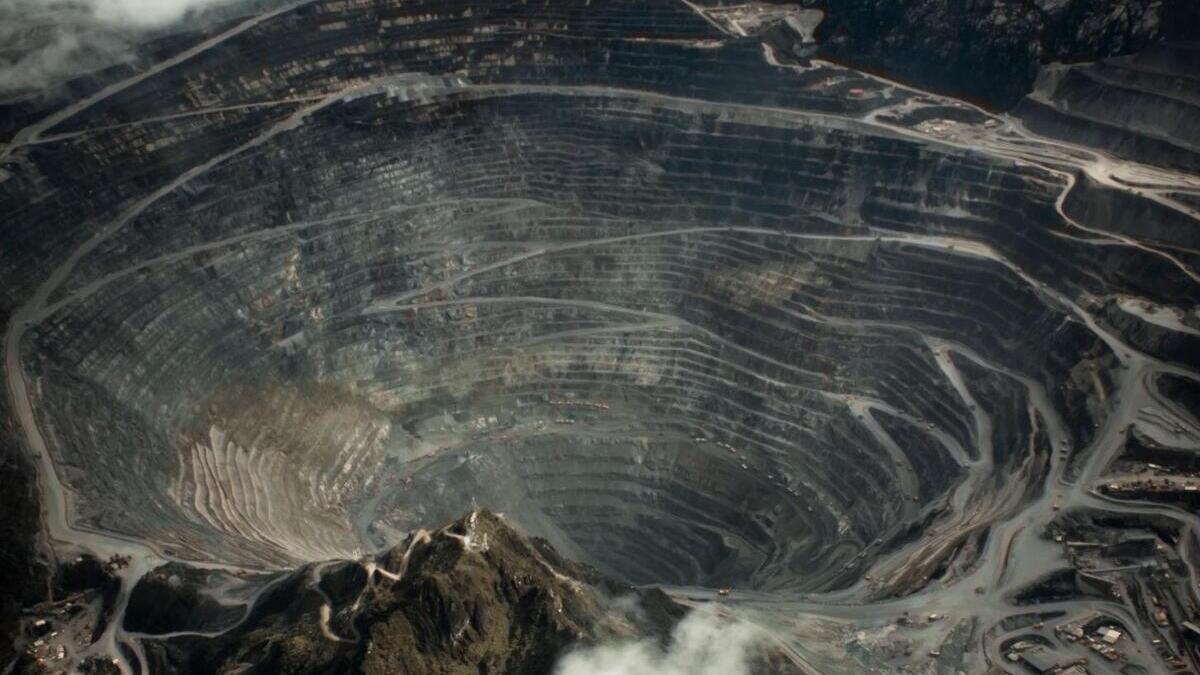
The revocations cover 22 Forest Utilisation Business Permits (PBPH) and six licences in the mining, plantation, and timber forest product sectors, affecting more than one million hectares of land.
According to LBH–YLBHI, the decision — presented by the Palace as a firm response to recent ecological disasters — instead highlights how recklessly licences were issued in the first place, and how weak state oversight has been for decades.
Licences revoked twice
A central allegation in the press release is that the government has misled the public by counting licences that were no longer valid. LBH–YLBHI states that at least five companies — including PT Rimba Timur Sentosa, PT Rimba Wawasan Permai, PT Aceh Nusa Indrapuri, PT Barumun Raya Padang Langkat, and PT Multi Sibolga Timber — had already had their concessions revoked by the Ministry of Environment and Forestry in January 2022.
“For licences that were revoked years ago to be announced again as new revocations is illogical,” the organisation said, arguing that the announcement creates a false impression of decisive action after the floods.
“This is not environmental reform; it is an attempt to wash hands of responsibility.”
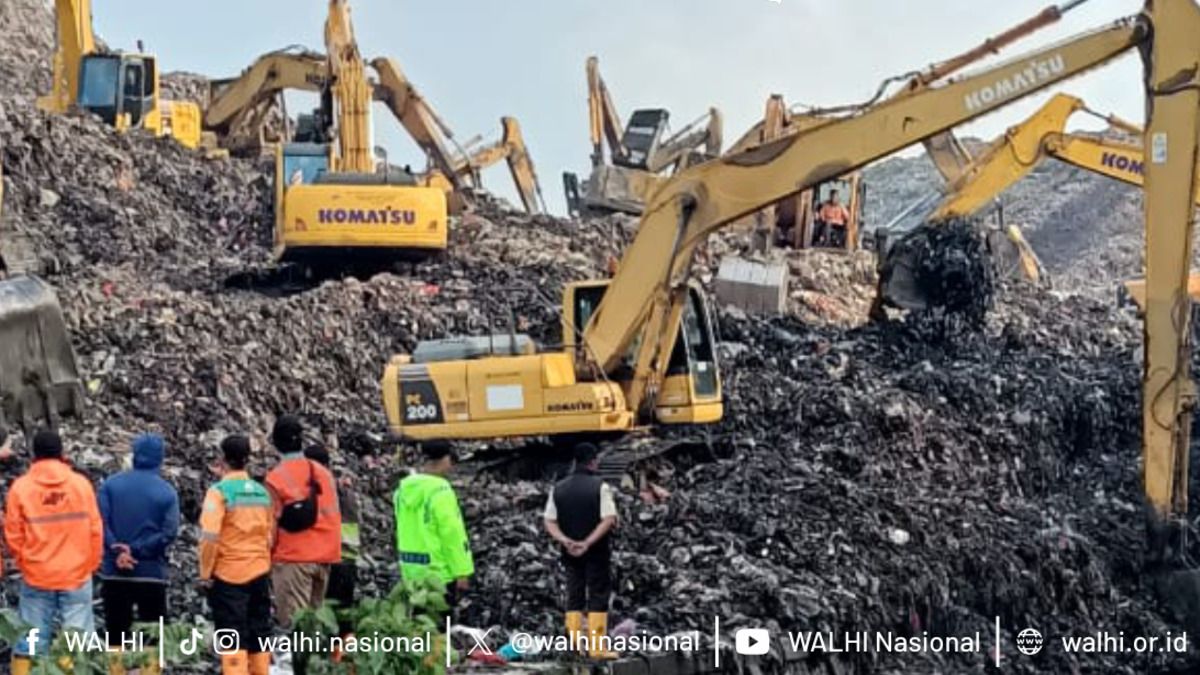
The legal aid network stresses that ecological disasters such as flash floods and landslides should not have occurred at the scale seen in Sumatra had environmental permits been issued and enforced properly. Thousands of people were killed or displaced in late 2025 after extreme rainfall triggered floods and slope failures across large parts of the island.
‘A state governed by law, not by press releases’
LBH–YLBHI further argues that announcing licence revocations through press statements is insufficient in a country governed by law. Because the permits were originally granted through formal legal instruments, they say, revocations must also be issued through clear presidential or ministerial decrees to ensure legal certainty and public oversight.
The organisation also warns against what it describes as a growing militarisation of civilian land governance. Since Prabowo took office, state-linked companies with close ties to the security sector — notably PT Agrinas — have increasingly been mentioned as potential managers of former concession areas.
“There must be absolute clarity over the future of approximately 1,010,592 hectares of land,” the statement said, cautioning that revoked concessions must not simply be transferred from private companies to state-owned or military-linked enterprises.
Local impacts and Indigenous land
Concerns are particularly acute in West Sumatra, where six forestry licences and two non-forestry licences have been revoked. According to Adrizal, head of advocacy at LBH Padang, three of the revoked forestry concessions are located in the Mentawai Islands, an archipelago highly vulnerable to ecological disaster and home to Indigenous Mentawai communities.
“If examined seriously, there are clear violations in the licensing process,” Adrizal said, noting that Mentawai’s geographic characteristics require stricter safeguards. He warned that customary forests have already been severely damaged and that further corporate control — even under a different name — would continue to threaten local livelihoods and safety.
LBH–YLBHI also cited past cases in which revoked concessions were quietly reprocessed for new licences, raising fears that the current revocations could merely reshuffle corporate control without addressing environmental harm.
Compensation lawsuit questioned
Alongside the licence revocations, the government has announced a civil lawsuit seeking IDR4.657 trillion (approximately US$300 million) in compensation from six companies. Edy K. Wahid of YLBHI described this step as inadequate and potentially misleading.
First, he said, the ecological disasters are the result of a structurally flawed natural resource governance system, for which the state itself bears historical responsibility. “The government cannot position itself only as a plaintiff, as if it were not part of the problem,” he argued.
Second, YLBHI criticised the idea of channelling compensation into the state treasury without a dedicated mechanism to ensure funds are used directly for victims’ recovery and environmental restoration. Past experience, they say, shows such arrangements are prone to misuse and rarely address root causes.
Finally, the organisation questioned why only six of the 28 companies are being sued, warning of selective law enforcement and the risk that land will simply be reassigned to other corporate actors.
Greenpeace echoes transparency concerns
Environmental group Greenpeace Indonesia has voiced similar concerns. In a separate press response, Greenpeace acknowledged that licence evaluations were necessary, particularly after floods that displaced more than 100,000 people, killed around 1,200, and damaged over 175,000 homes.
However, Greenpeace forest campaigner Sekar Banjaran Aji said the government must clearly disclose how investigations were conducted and what criteria were used to revoke permits. Without a publicly accessible decree, she warned, effective public oversight would be impossible.
Greenpeace also questioned how the government plans to rehabilitate degraded forests and river basins, many of which now have less than 25 per cent natural forest cover, and how it will guarantee the land rights of Indigenous communities affected by decades of extractive activity.
Disaster toll still rising
According to Indonesia’s National Disaster Management Agency, BNPB, floods and landslides across Sumatra have left at least 1,200 people dead, with more than 100,000 still displaced as of mid-January. Emergency aid continues to be distributed by air, land, and sea, including with military assistance.
For LBH–YLBHI and Greenpeace, however, emergency response and symbolic licence revocations are not enough. Both organisations are calling for a comprehensive moratorium on new licences in Aceh, North Sumatra, and West Sumatra, a full audit of existing permits, and fundamental reform of spatial planning based on environmental carrying capacity.
“The revocation of 28 licences must not become a tool for changing players,” Greenpeace said, “while the logic of exploitation remains the same.”