Swiss court allows Indonesian fishermen’s climate case against Holcim to move forward in landmark ruling
A Swiss court’s decision to hear a climate lawsuit by Pari Island fishermen against Holcim is hailed by WALHI as a breakthrough for climate justice, highlighting new global legal pathways amid limited access to justice in Indonesia.
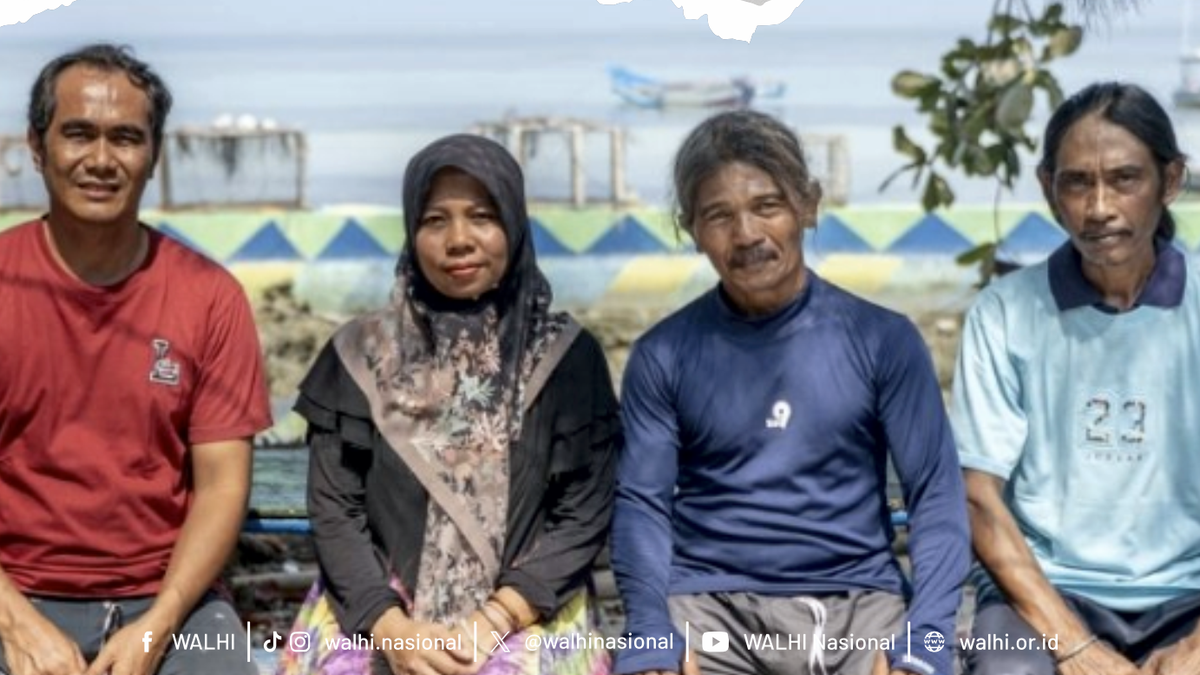
- A Swiss court ruled a climate lawsuit by four Indonesian fishermen against Holcim admissible, a first for cases targeting major corporations.
- WALHI says the ruling strengthens global climate justice and corporate accountability.
- The case advances abroad while similar legal challenges in Indonesia have failed on procedural grounds.
INDONESIA: The Indonesian Forum for the Environment, Wahana Lingkungan Hidup Indonesia (WALHI), has described a recent ruling by the Zug Cantonal Court as a breakthrough moment for climate justice, both for Indonesian communities on the front line of climate impacts and for the global movement to hold major corporate emitters accountable.
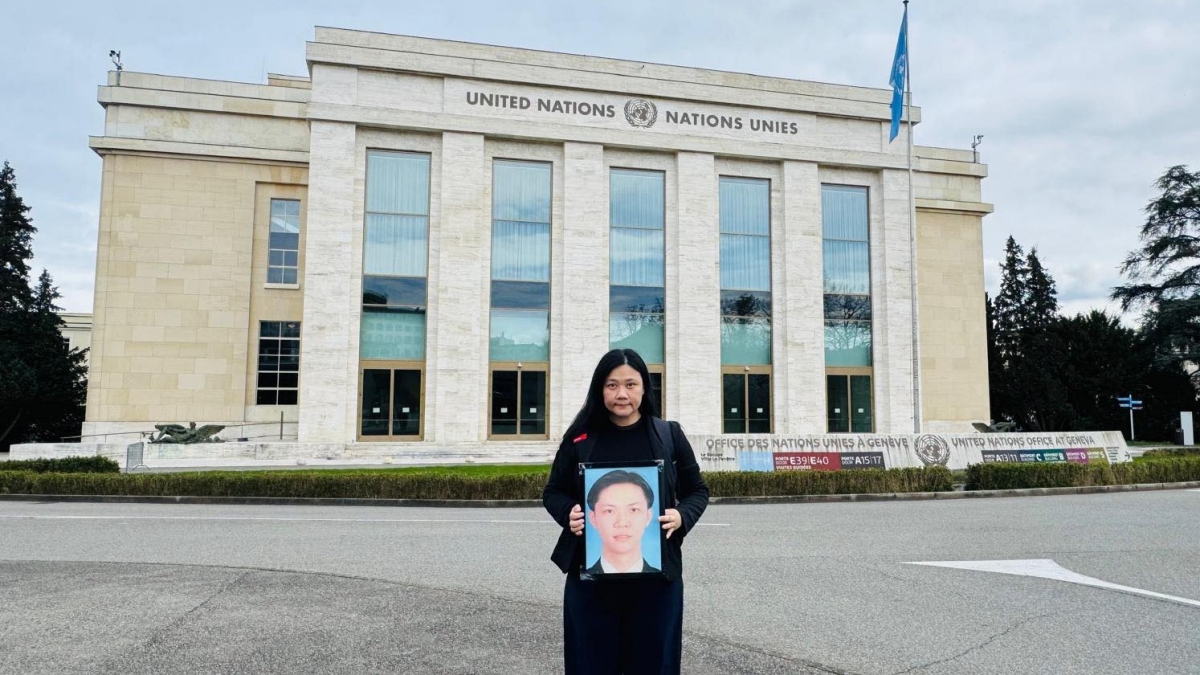
In a decision announced on 22 December, the Swiss court ruled that a climate lawsuit filed by four Indonesian fishermen against Holcim is admissible, rejecting all of the company’s procedural objections.
The ruling allows the case to proceed to a full examination of its substance — a first in Switzerland for a climate lawsuit targeting a large multinational corporation.
The plaintiffs — Asmania, Arif, Edi and Bobby, residents of Pari Island in Jakarta’s Thousand Islands — filed the lawsuit in January 2023, arguing that Holcim’s historical and ongoing carbon emissions have contributed to climate change impacts that now threaten their homes, livelihoods and safety.
Their demands include compensation for climate-related losses, financial support for coastal flood protection measures, and concrete steps by Holcim to rapidly cut its greenhouse gas emissions.
Pari Island, a low-lying island north of Jakarta, has experienced increasingly frequent tidal flooding in recent years, inundating homes, contaminating freshwater sources and disrupting fishing activities.
Residents say these changes have transformed daily life and undermined traditional livelihoods that depend on predictable marine conditions.
In its ruling, the Zug Cantonal Court rejected Holcim’s claim that climate protection should be handled exclusively through political and regulatory processes rather than through litigation.
The judges stated that the court’s role was not to replace government climate policy, but to complement it by addressing concrete harm suffered by specific communities.
The panel also dismissed Holcim’s argument that emission reductions by a single company would be meaningless because other polluters would continue to emit.
“Harmful behaviour cannot be justified simply because many others are doing the same,” the court said, adding that every reduction effort remains relevant in the face of a worsening climate crisis.
Crucially, the court found that the fishermen had a legitimate legal interest in demanding emission reductions, ruling that climate change had directly affected their lives and therefore entitled them to legal protection.
The judges also rejected claims that Pari Island would inevitably be lost to rising seas regardless of mitigation efforts, emphasising that such reasoning could not excuse inaction.
WALHI national executive director Boy Jerry Even Sembiring said the decision confirmed the growing role of courts in addressing climate harm.
“This ruling affirms that the impacts of the climate crisis are a legal issue, not merely a political one,” he said. “In the global context, it sets an important precedent for holding large corporations that contribute significantly to climate change accountable.”
Sembiring added that the ruling came as Indonesia continues to face severe ecological and climate-related disasters, including widespread flooding and landslides in Sumatra.
“We are seeing the real and devastating consequences of the climate crisis. This decision strengthens the struggle of communities demanding that major emitters take responsibility for the damage they cause,” he said.
The case is being pursued with support from Swiss Church Aid (HEKS/EPER) and the European Center for Constitutional and Human Rights (ECCHR), organisations that promote the principle that those most responsible for greenhouse gas emissions should bear the costs of climate impacts, rather than vulnerable communities in the Global South.
Legal struggle at home highlights contrast
WALHI contrasted the Swiss ruling with the legal obstacles faced by Pari Island residents in Indonesia.
During the Public Discussion Session commemorating Human Rights Day at Jakarta Legal Aid Institute (LBH) on 29 November, Bobby, a resident of Pari Island, said that the community has pursued multiple legal actions domestically, including lawsuits challenging the issuance of land title certificates and marine space permits linked to tourism development on and around the island.
According to Bobby, residents believe the issuance of freehold titles (SHM) and other permits was administratively flawed, citing findings by the Jakarta Ombudsman that pointed to alleged maladministration.
However, lawsuits filed with the East Jakarta Administrative Court were rejected, largely on formal or procedural grounds.
The rejection of these cases has heightened fears about shrinking living space and restricted access to traditional fishing grounds. Bobby said activities that were once routine — such as landing on nearby uninhabited islands — are now prohibited, while fish catches have declined sharply.
“What used to be a catch worth 100,000 is now only around 30,000,” he said.
Bobby also told the forum he had experienced intimidation and criminalisation during his advocacy, including being detained for 19 days by police.
He said he had faced pressure, threats and even offers of money and personal benefits to abandon the struggle, claims that WALHI says reflect broader risks faced by environmental and human rights defenders in Indonesia.
For WALHI, the Swiss court’s decision offers a stark contrast — and a source of hope — amid limited access to justice at home. While the ruling is not final and can still be appealed, the organisation said it reinforces a clear international trend: courts are increasingly recognising climate change as a matter of rights, responsibility and liability.
“This case shows that communities affected by the climate crisis are not powerless,” WALHI said. “It sends a strong message that corporations whose emissions fuel climate destruction can be challenged in court — even beyond their home countries — and that climate justice is no longer an abstract idea, but a legal reality taking shape.”