Thai air strikes hit casinos on Cambodia border, claimed by Bangkok as military-linked sites
Thai air strikes have hit multiple casinos on Cambodia’s border with Thailand amid renewed fighting that has killed dozens and displaced hundreds of thousands, prompting growing international calls for an immediate ceasefire.
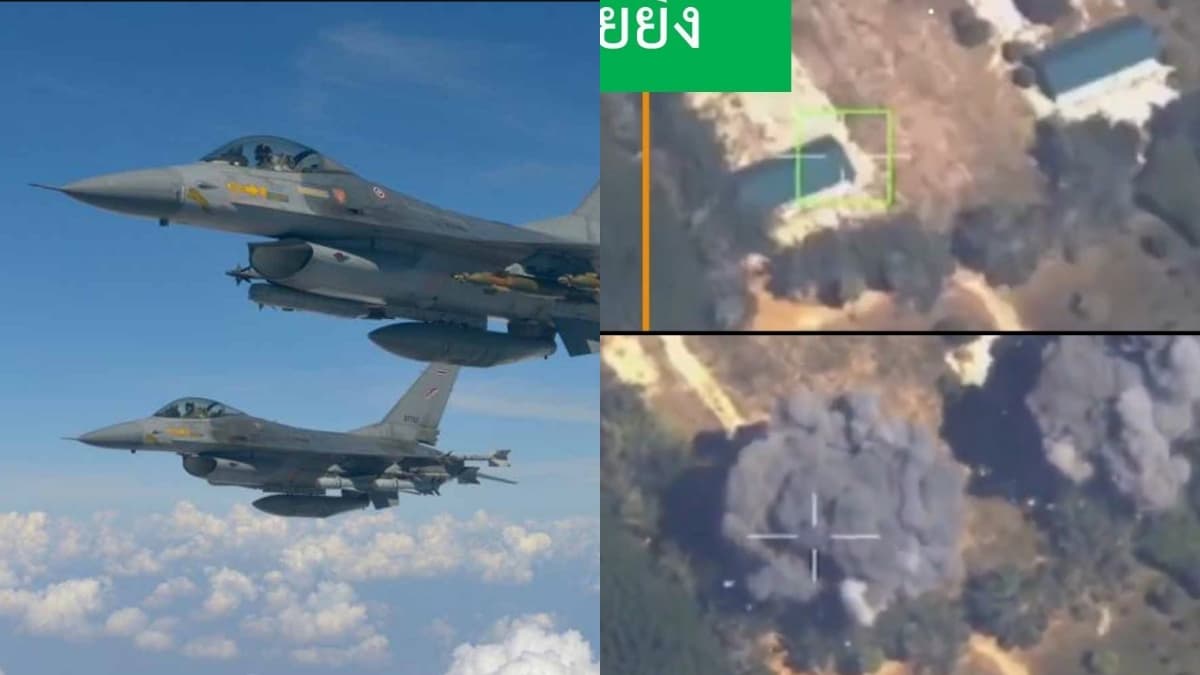
- Thai air strikes have damaged at least four casinos in Cambodia’s border areas, some linked to alleged cyberscam operations.
- Renewed fighting has killed at least 39 people and displaced more than 800,000 across both countries.
- International pressure is mounting for a ceasefire, with ASEAN, China, the United States and the United Nations involved.
BANGKOK, THAILAND: At least four casinos on Cambodia’s border with Thailand have been damaged by Thai air strikes during renewed military clashes between the two neighbours, according to statements from Cambodian authorities.
Some of the targeted casinos have been identified by monitors as hubs for large-scale online scam operations, a long-standing regional problem linked to human trafficking and organised crime.
The strikes come amid an almost two-week-long escalation in fighting that has killed at least 21 people in Thailand and 18 in Cambodia, while displacing more than 800,000 civilians, officials from both sides said.
Casinos linked to scam networks hit in cross-border strikes
Thailand has acknowledged striking sites associated with what it described as criminal or military activity.
Prime Minister Anutin Charnvirakul said Bangkok would “take care” of fronts allegedly linked to fraud operations operating from across the border.
Across South-east Asia, criminal networks have increasingly used casinos, hotels and fortified compounds to conduct sophisticated cyberscams, according to the UN Office on Drugs and Crime.
The agency has warned that such operations often rely on trafficked individuals forced to carry out online fraud targeting victims worldwide.
Cambodia hosts dozens of alleged scam centres, with estimates suggesting around 100,000 people are involved, many believed to be victims of human trafficking, in what has become a multibillion-dollar illicit industry.
Poipet air strike highlights disputed targeting claims
On Thursday, 18 December, Thai fighter jets dropped three bombs on an area of Poipet city, a major Cambodian casino hub near a key land crossing popular with Thai gamblers.
The Cambodian interior ministry said the strike damaged a warehouse and other properties, leaving two civilians with minor injuries.
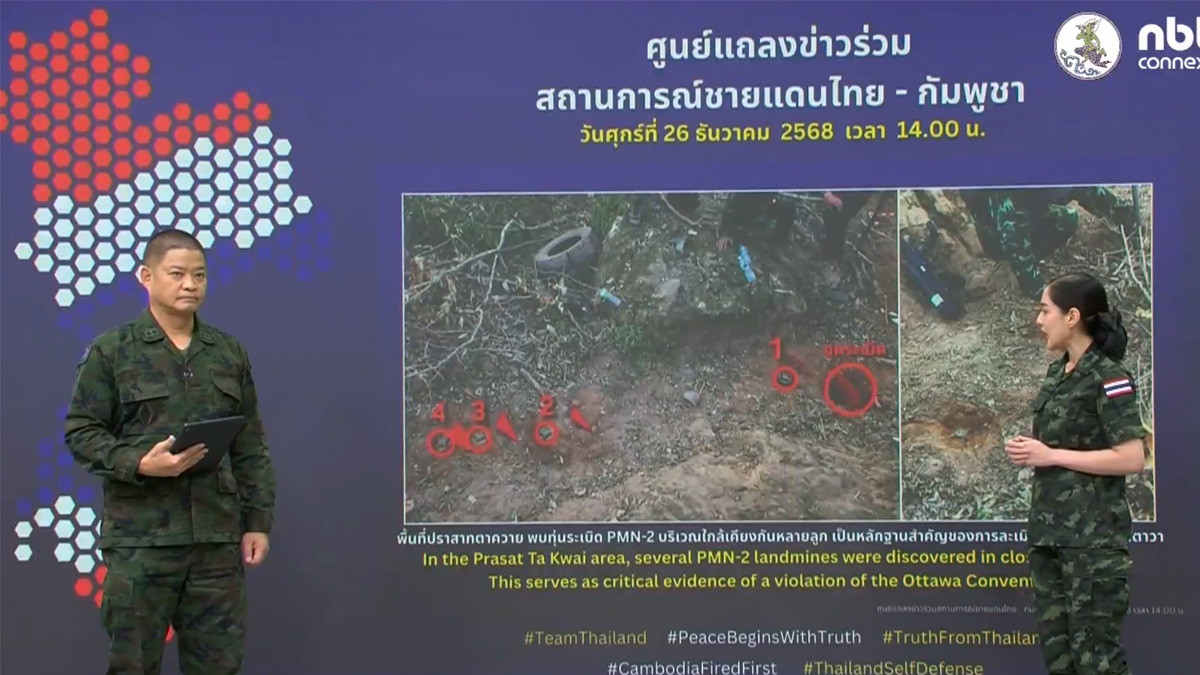
Thai air force spokesman Jackkrit Thammavichai told reporters that the attack destroyed a “logistics centre” allegedly used to store rockets.
“These are facilities that have been used for military purposes,” he said, rejecting claims that civilians were deliberately targeted.
Cambodian authorities, however, said at least four casinos in border areas had been damaged by Thai strikes since the fighting intensified this month.
Historic border dispute fuels renewed violence
The renewed conflict stems from a long-running territorial dispute over the colonial-era demarcation of the 800-kilometre border between the two countries.
The frontier is dotted with ancient temple ruins, several of which have previously been flashpoints for military confrontation.
Both governments have accused the other of instigating the latest violence and have traded allegations of attacks on civilians.
International pressure mounts for ceasefire
UN High Commissioner for Human Rights Volker Turk called on Thursday for an immediate ceasefire.
“Ensuring the safety of civilians and enabling their safe return home is vital,” Turk said in a statement.
Thailand said earlier this week that between 5,000 and 6,000 Thai nationals remained stranded in Poipet after Cambodia closed its land border crossings.
Cambodia’s interior ministry said the closures were a “necessary measure” to reduce risks to civilians amid ongoing combat, adding that air travel remained available for those seeking to leave.
The latest escalation follows earlier clashes in July, when five days of fighting killed dozens before a truce was brokered by the United States, China and Malaysia.
That agreement later collapsed, with fresh skirmishes earlier this month sparking the current round of daily fighting involving artillery, tanks, drones and fighter jets.
US President Donald Trump claimed last week that Thailand and Cambodia had agreed to a new ceasefire, following repeated interventions in the conflict this year.
Bangkok, however, denied that any truce had been reached and said military operations had continued uninterrupted.
China has stepped up diplomatic efforts, announcing it would send its special envoy for Asian affairs to both countries on Thursday for what it described as “shuttle diplomacy”.
Chinese Foreign Minister Wang Yi held separate phone calls with his Thai and Cambodian counterparts, urging both sides to agree to a ceasefire “as soon as possible”.
“The intensity of this round of clashes has far exceeded previous incidents,” Wang said, according to a foreign ministry statement, urging both sides to ensure the safety of Chinese projects and personnel.
Foreign ministers from the Association of Southeast Asian Nations are due to meet in Malaysia on Monday, 22 December, for emergency talks aimed at finding a diplomatic solution.
Malaysian Prime Minister Anwar Ibrahim said on 17 December that ASEAN’s priority was to press both sides to secure peace.
“Our duty is to present the facts, but more important is to press upon them that it is imperative for them to secure peace,” he told journalists.
Thailand presses Cambodia on ceasefire conditions
Thailand has insisted that any ceasefire talks must include an immediate withdrawal of Cambodian troops from disputed areas.
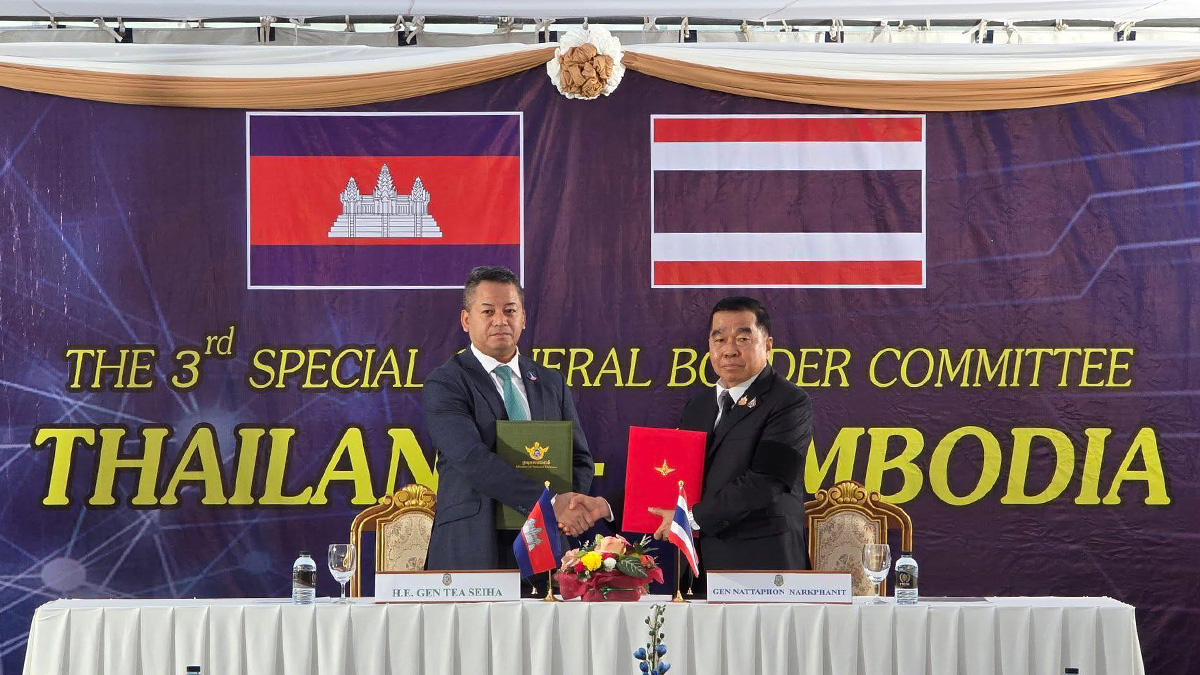
General Nattapon Nakpanich, Minister of Defence, said on 19 December that calls for peace were undermined if Cambodian forces remained in confrontation zones.
“If frontline troops continue provocations and remain deployed, a ceasefire cannot realistically happen,” he said.
Nattapon added that Thailand would reaffirm its peaceful intentions at the ASEAN Foreign Ministers’ meeting in Malaysia on 22 December.