More than 200 Indonesian children sickened in mass food poisoning linked to free school meals
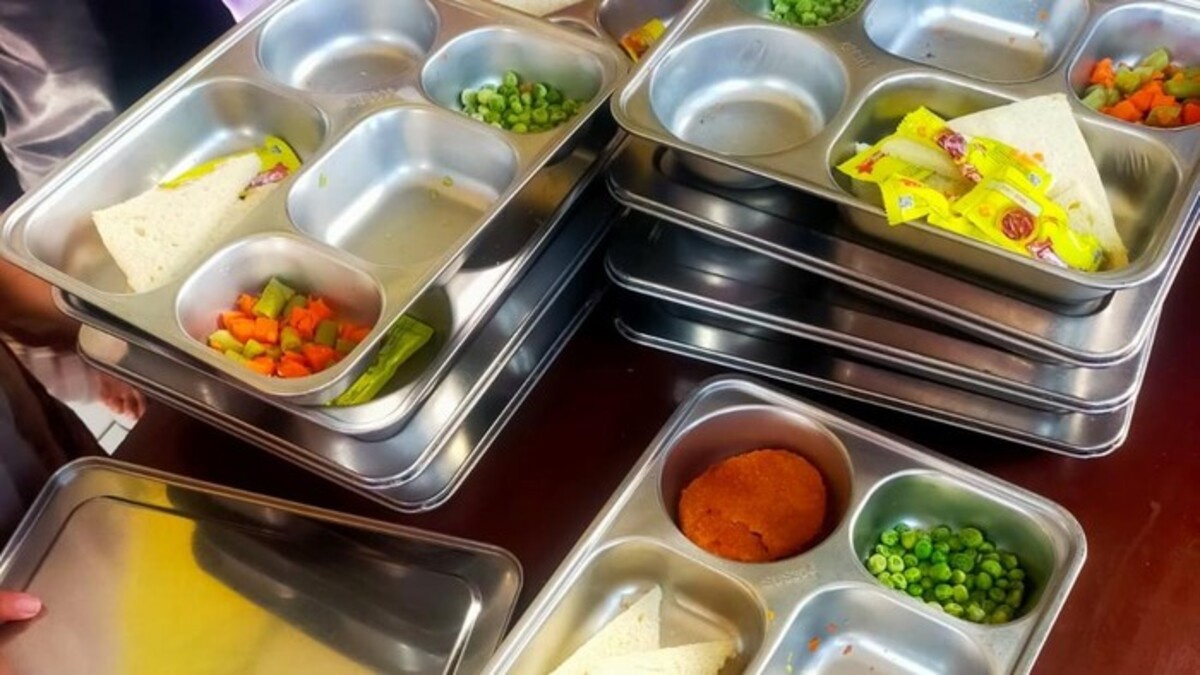
More than 200 children and toddlers in Cianjur, West Java, were suspected of food poisoning after eating meals from Indonesia’s Free Nutritious Meals programme, prompting emergency treatment and renewed questions over food safety controls.
- At least 205 children and toddlers in Cikalongkulon, Cianjur, were suspected of food poisoning after consuming meals from the Free Nutritious Meals programme.
- The cases are linked to a single meal supplier serving 36 schools, raising concerns over food safety and capacity.
- The incident adds to national criticism of the programme amid reports of similar cases elsewhere in Cianjur.
At least 205 schoolchildren and toddlers in Cikalongkulon District, Cianjur Regency, West Java, were suspected of food poisoning on Tuesday, 27 January 2026, after consuming meals distributed under Indonesia’s government-funded Free Nutritious Meals programme (Makan Bergizi Gratis, MBG).
The incident, one of the largest school-related food poisoning cases reported this year, has triggered emergency medical responses across multiple health facilities and renewed scrutiny of food safety controls within the national programme.
According to local authorities, the victims included pupils from early childhood education centres, primary schools and junior secondary schools, as well as toddlers who were not direct programme recipients but consumed MBG food taken home by older siblings.
Symptoms reported by patients included persistent vomiting, diarrhoea, nausea, dizziness, abdominal pain, and acute weakness, with several children showing signs of dehydration.
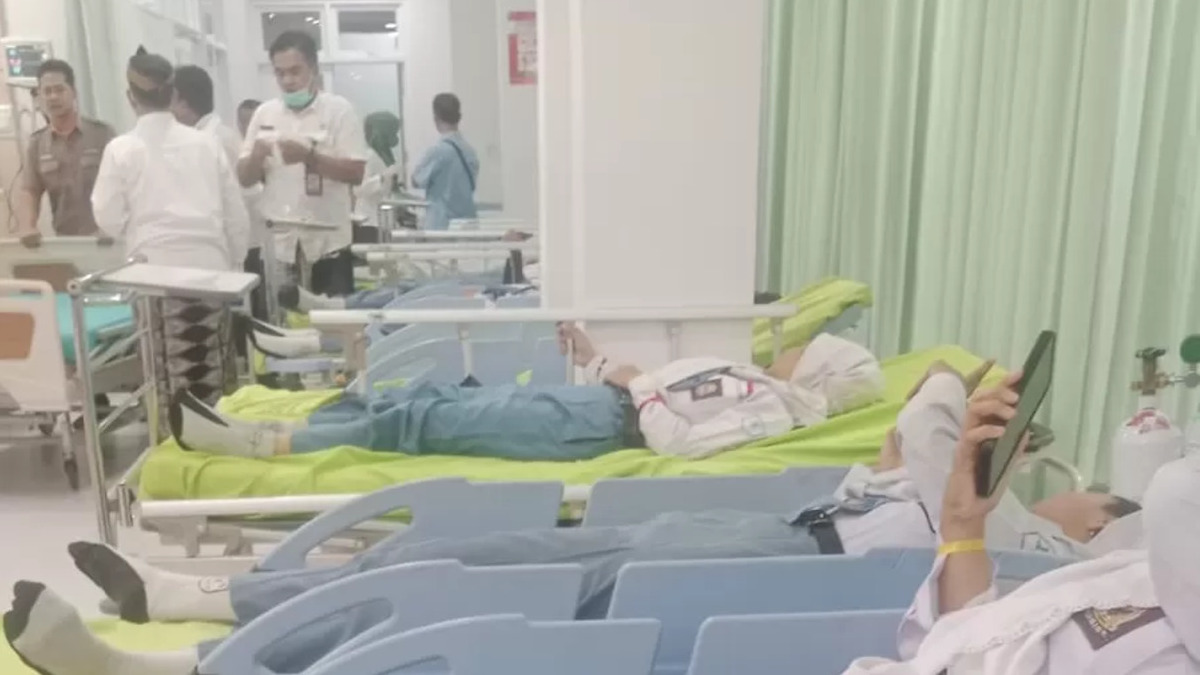
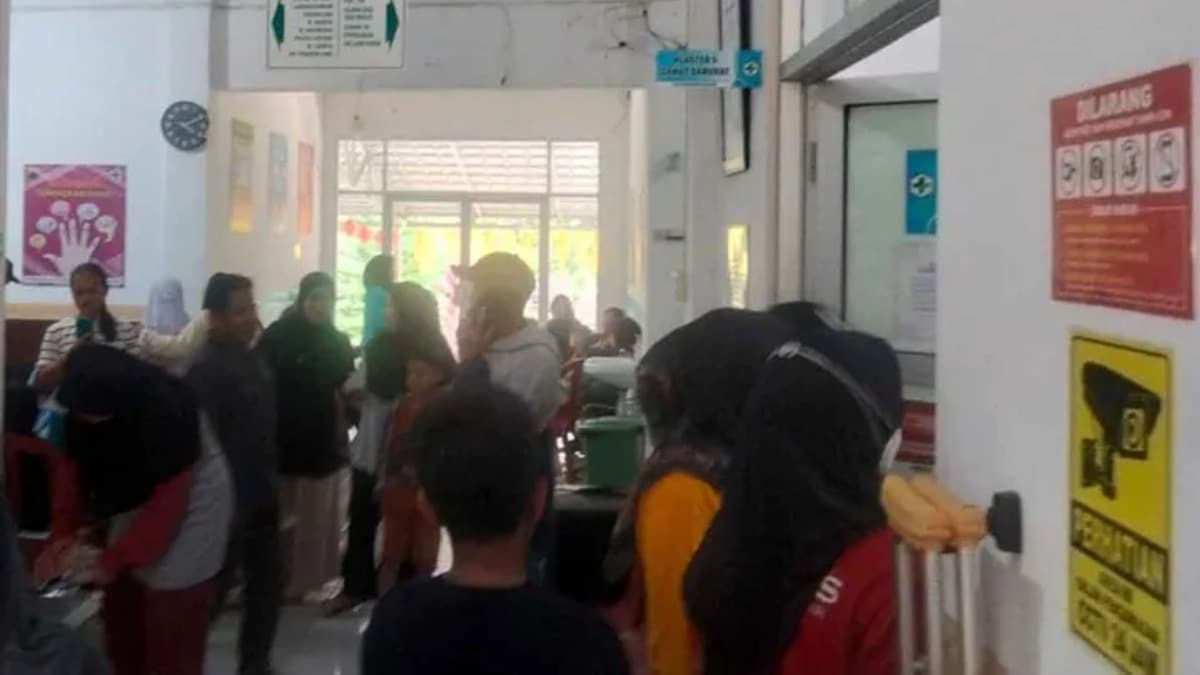
Of the total cases recorded in Cikalongkulon, 190 patients were treated at the Cijagang Community Health Centre, while 15 others were taken to the Cikalongkulon Community Health Centre.
Medical staff said treatment rooms were quickly overwhelmed as waves of pupils arrived throughout the afternoon and evening.
Seven patients—mostly toddlers—were later referred to hospital care after their conditions deteriorated, including five sent to Sayang Cianjur Regional General Hospital and two to Dr Hafiz Cianjur Hospital.
Ambulances were still transporting patients late into the night. By 9.00 pm local time, emergency departments remained on alert, with additional beds prepared in anticipation of further referrals.
Toddlers among the most severe cases
One of the most alarming aspects of the incident was the number of very young children affected, despite MBG being designed primarily for school-based consumption.
Mikdar, a 34-year-old resident of Padajaya Village, said his 21-month-old child fell seriously ill after eating shredded chicken from an MBG meal brought home by an older sibling.
“She started vomiting repeatedly not long after eating it,” he said. “At first we took her to the health centre, but her condition worsened and she had to be referred to hospital.”
Medical staff confirmed that toddlers were among the most vulnerable patients, due to lower body weight and higher risk of rapid dehydration.
Meals traced to a single supplier serving 36 schools
Iyus Yusup, head of Cikalongkulon Subdistrict, said the suspected poisoning cases were linked to MBG meals supplied by a Nutrition Fulfilment Service Unit (SPPG) operated by CV Yayasan Sain Bina Cendikia, based in Sukagalih Village.
Crucially, the SPPG is responsible for providing meals to an exceptionally large network of 36 schools, a scale that has raised concerns over production capacity, storage conditions, food handling practices, and quality control in a centralised kitchen system.
Affected institutions included Langkob Primary School, Majalaya 2 Primary School, several preschools, and junior secondary schools. Officials said pupils typically consumed the meals in classrooms, while some portions were taken home—particularly by younger children who did not finish their food at school.
Local authorities said shredded chicken was suspected as a possible source of contamination, though other menu components had not been ruled out.
Laboratory tests underway, programme temporarily scrutinised
Cianjur Regent Mohammad Wahyu Ferdian visited affected children at hospital on Tuesday evening and said samples of patients’ vomit and leftover food had been sent for laboratory analysis.
“We are awaiting the results to determine the exact cause,” Wahyu said, adding that the regency government would carry out a comprehensive evaluation of both the MBG distribution process and the Nutrition Fulfilment Service Units involved.
He confirmed that data collection was still ongoing, as some pupils developed symptoms hours after initial reports emerged.
Related cases across Cianjur Regency
The Cikalongkulon outbreak is part of a wider cluster of suspected MBG-related poisonings across Cianjur Regency.
In Kadupandak District, 46 pupils fell ill after consuming MBG meals consisting of chicken with honey butter, fried tofu, salak fruit, cucumber, lettuce and white rice.
Of these, 30 were treated at the Kadupandak Community Health Centre, while 12 were referred to Pageleran Regional General Hospital. The remaining pupils were allowed to return home after observation.
In Sukanagara District, additional cases were reported, bringing the total number of affected individuals across three districts to approximately 273. As of the latest update, 12 patients in Kadupandak and two in Sukanagara remained under medical observation.
Local authorities said investigations were still under way to determine whether the Kadupandak and Sukanagara cases originated from the same SPPG as the Cikalongkulon outbreak or from different meal suppliers.
Officials stressed that supplier links, distribution routes and kitchen operations in each district were being examined separately as part of the inquiry.
Arifin, head of the Primary Schools Division at the Cianjur Education, Youth and Sports Office, said the first reports of illness were received as early as Monday evening, 26 January, suggesting a rapidly unfolding situation.
A local crisis within a national controversy
The Cianjur poisoning cases have occurred against the backdrop of growing national criticism of MBG. Earlier this month, President Prabowo Subianto declared the programme 99 per cent effective, dismissing shortcomings as minimal. However, independent groups such as the Indonesian Education Monitoring Network (JPPI) have reported tens of thousands of suspected food poisoning victims nationwide since the programme’s launch.
Critics argue that incidents such as those in Cianjur illustrate systemic weaknesses in food safety oversight, particularly as MBG relies heavily on large-scale, centralised kitchens serving dozens of schools simultaneously.
While the central government has characterised poisoning cases as statistically insignificant compared with the billions of meal portions distributed, parents and health workers in Cianjur say the latest incident highlights the real human cost of failures in quality control.
For families whose children remain hospitalised, the debate over percentages and policy achievements offers little reassurance. As investigations continue, the Cianjur outbreak has become a stark reminder that the success of a national nutrition programme ultimately hinges on the safety of each meal served.