Amnesty warns white flags in Aceh signal failure in Indonesia’s flood response
Amnesty International Indonesia says white flags raised in flood-hit Aceh are a sign of desperation, warning that Indonesia’s disaster response is failing to meet basic humanitarian needs.

- Amnesty International Indonesia says white flags in Aceh reflect desperation and state failure.
- The organisation urges Jakarta to declare a national disaster and accept international aid.
- The government rejects Amnesty’s assessment, insisting the situation remains under control.
INDONESIA: The flying of white flags across flood-hit communities in Aceh has intensified pressure on the Indonesian government to reassess its disaster response, as human rights groups, residents and disaster experts warn that the humanitarian crisis in Sumatra is deepening despite official claims that the situation remains under control.
Amnesty International Indonesia said the phenomenon reflects desperation among disaster survivors and called on the government to immediately declare a national disaster and open access to both national and international humanitarian assistance.
Amnesty described the white flags—raised in areas such as Aceh Tamiang, Bireuen, North Aceh, Pidie Jaya and Banda Aceh—as an “ultimatum from the people” after weeks of limited aid and worsening living conditions.
Amnesty International Indonesia Executive Director Usman Hamid said the display of white flags was a powerful expression of public frustration.
“For thousands of residents trapped in mud and hunger, the white flag represents disappointment at the state’s failure to act swiftly and decisively,” he said, adding that the gesture directly contradicts the central government’s narrative that the disaster is being adequately handled.
The floods and landslides, which began in late November, have affected large parts of Aceh, North Sumatra and West Sumatra.
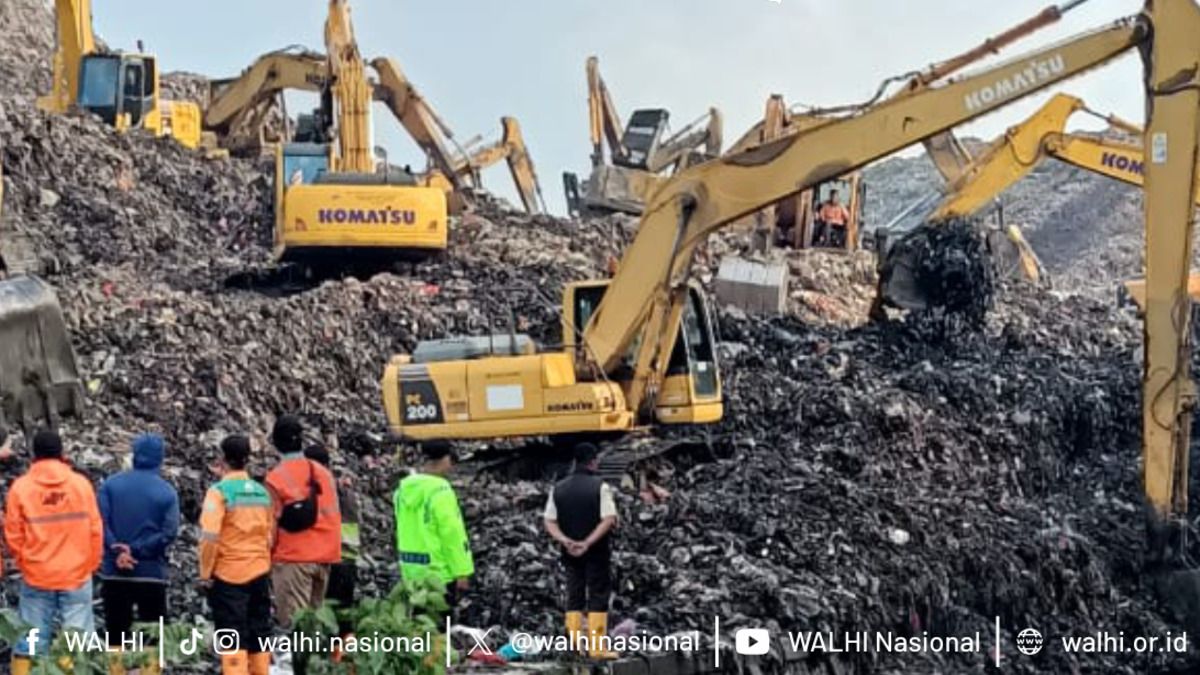
According to the National Disaster Management Agency (BNPB), more than 1,000 people have died, hundreds of thousands have been displaced, and critical infrastructure—including roads, bridges and communication networks—has been badly damaged. Many isolated communities remain difficult to reach nearly three weeks after the disaster.
Despite mounting criticism, President Prabowo Subianto has reiterated that Indonesia is capable of managing the crisis independently.
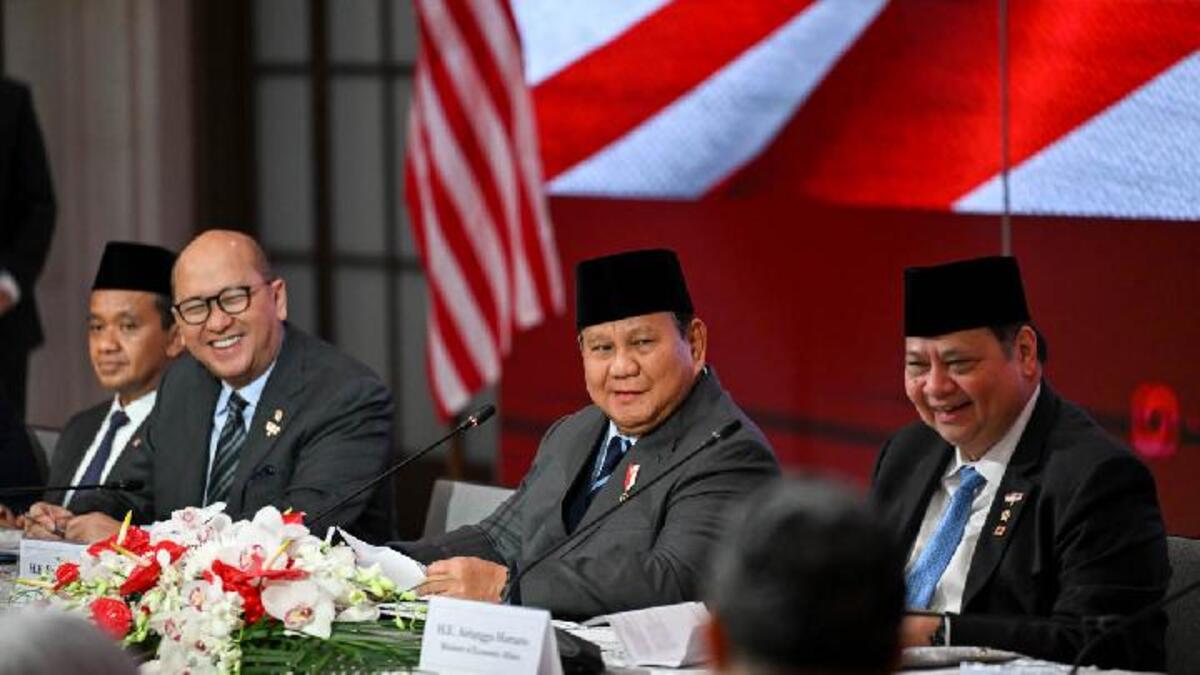
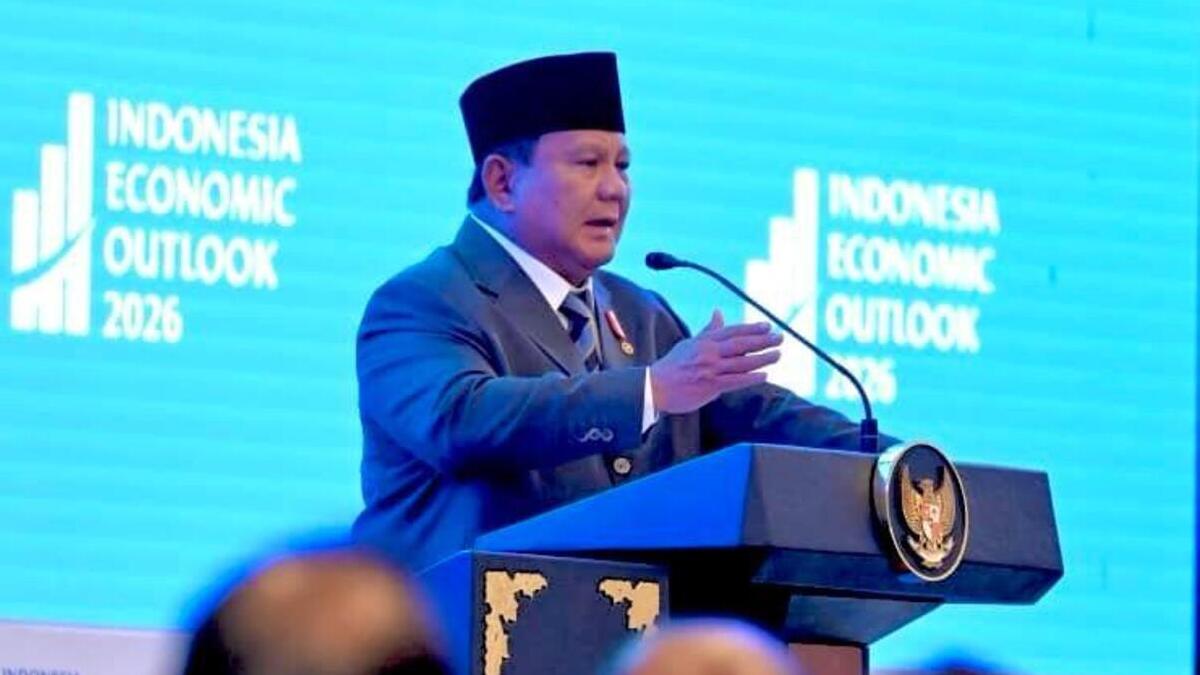
Speaking at a full Cabinet meeting at the State Palace on 15 December, Prabowo said he had been contacted by several world leaders offering assistance but declined the offers. “Thank you for your concern. We are capable. Indonesia is capable of handling this,” he said.
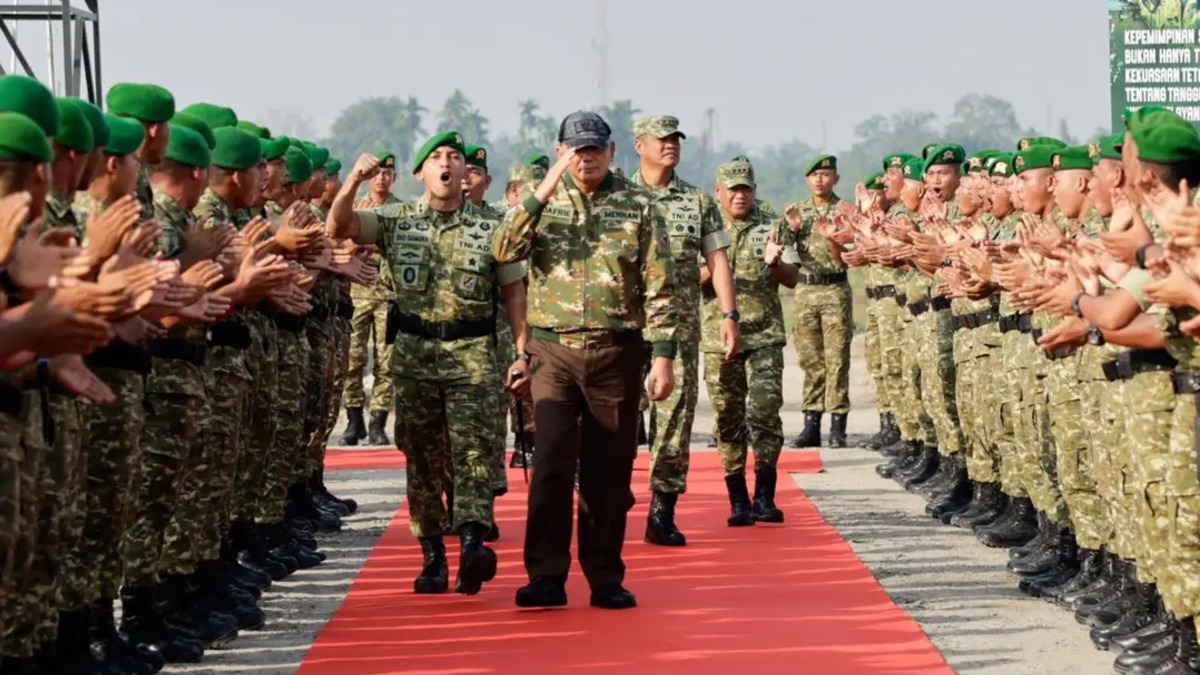
Prabowo praised the rapid mobilisation of the Indonesian National Armed Forces, the National Police, BNPB and the Search and Rescue Agency, noting that tens of thousands of personnel, dozens of helicopters and aircraft had been deployed.
He said fuel and logistics were being delivered daily by Hercules aircraft to remote areas, describing the operation as evidence of a “strong country”. The president also suggested that external parties were spreading misinformation to portray the government as absent from disaster management.
He rejected calls from civil society groups and regional leaders to declare a national disaster, arguing that the impact was limited to three provinces out of Indonesia’s 38.
“We have already deployed aid. The situation is under control,” he said, while announcing plans to establish a special agency to oversee post-disaster rehabilitation and reconstruction.
Public Works Minister Maruarar Sirait later said construction of 2,000 houses would begin this week, potentially serving as permanent homes for displaced residents.
Senior officials have echoed the president’s position. State Secretary Prasetyo Hadi said Indonesia still had sufficient food, fuel and budgetary reserves, including a Rp500 billion disaster fund.
Foreign Minister Sugiono said international assistance would only be sought if deemed necessary, with current offers remaining on hold.
However, developments on the ground have complicated that stance. The Aceh provincial government has confirmed it has formally requested assistance from two United Nations agencies, citing the scale of the disaster and the province’s experience working with international partners after the 2004 tsunami.
Aceh government spokesperson Muhammad MTA said letters had been sent to UNDP and UNICEF seeking support in disaster recovery efforts.
He said at least 77 organisations and nearly 2,000 volunteers—local, national and international—are currently involved in emergency response in Aceh, including Save the Children, Islamic Relief, Baznas and various volunteer networks operating through the BNPB Volunteer Desk.
“Their presence is expected to continue strengthening emergency and recovery efforts alongside state institutions and local communities,” he said.
The move highlights growing divergence between the central government’s position and realities faced by local authorities and residents. In Medan, North Sumatra, controversy erupted after the city government initially returned 30 tonnes of rice aid from the United Arab Emirates, citing central regulations on foreign assistance.
Medan Mayor Rico Waas said the decision followed consultations with central authorities. Subsequent clarification from the government said the aid was eventually channelled through the Muhammadiyah Disaster Management Center, underscoring confusion and bureaucratic hurdles surrounding foreign aid.
For residents in Aceh Tamiang, the crisis is acutely visible. White flags fashioned from scraps of cloth line sections of the Medan–Banda Aceh road, particularly in villages such as Seuneubok Dalam, Matang Upah, Paya Awe and Pahlawan.
Edi, a local resident, said communities had endured nearly three weeks without reliable electricity, clean water or communication. “What we need right now is clean water. There is no signal to communicate,” he said.
Another resident, Irwansyah, described the flags as symbols of economic collapse and unmet basic needs. “In war, the white flag means surrender. That is what it represents for us now,” he said, citing shortages of aid, damaged infrastructure and lost livelihoods.
The display has drawn national attention, though Home Affairs Minister Tito Karnavian said he had yet to receive formal reports on the flags and declined to comment on Aceh’s request for UN assistance. For residents, however, the gesture reflects anger, frustration and a demand to be recognised as citizens in need of urgent help.
Disaster experts warn that the scale and nature of the crisis may exceed earlier assessments. Prof. Eko Teguh Paripurno, director of the Disaster Management Research Center at UPN Veteran Yogyakarta, said the floods may surpass the 2004 tsunami in terms of geographic reach and disruption to inland supply chains.
Unlike the tsunami, he said, floodwaters have lingered for weeks, isolating communities and turning large areas into “islands” cut off from food, medicine and fuel.
Similar accounts have emerged from the field. Hasan bin Ilhammd, citing his father—a doctor who served during the 2004 tsunami—said survivors now face prolonged hunger and isolation. “With a tsunami, the water comes and recedes,” his father said. “With this flood, people die slowly because help cannot reach them.”
Amnesty International Indonesia said these conditions demonstrate that national capacity alone is insufficient and that rejecting international assistance risks violating Indonesia’s human rights obligations under the ICCPR and ICESCR.
“Independence cannot be used as an excuse to allow citizens to suffer,” Usman Hamid said, urging the government to mobilise all available domestic and global resources.